When Weight-Loss Drugs Don't Work: The Struggle for Answers
For some people, the highly touted GLP-1 weight-loss medications, such as Ozempic and Wegovy, don't deliver the promised results. Researchers are working to understand why, as patients face disappointment, shame, and significant financial burdens.
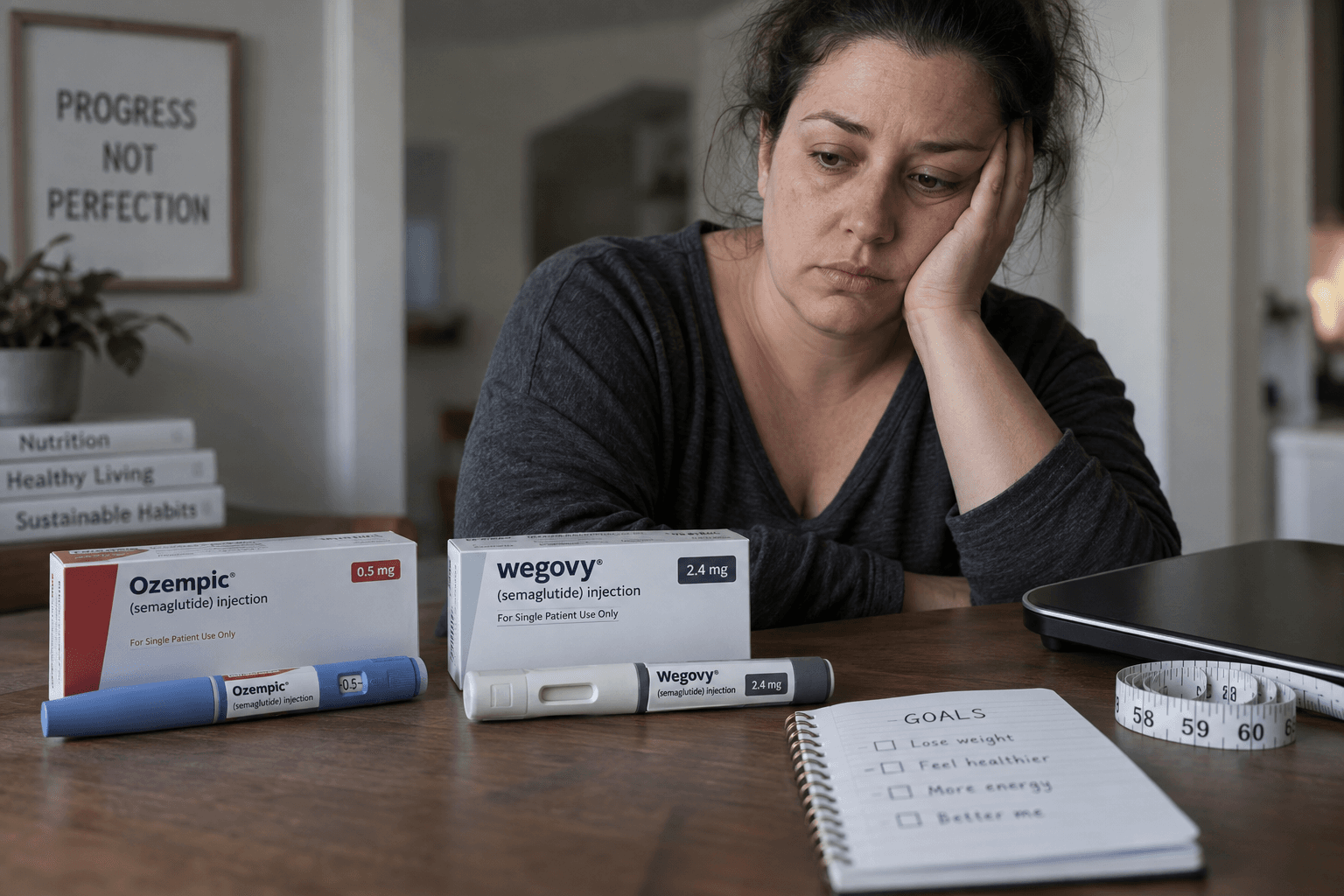
- GLP-1 medications, such as Ozempic and Wegovy, have been shown to be effective in helping people lose weight, but they don't work for everyone.
- Between 9% and a third of participants in clinical trials lose less than 5% of their body weight.
- Researchers are working to identify the factors that might influence the effectiveness of these medications.
- Age, sex, and ancestry might play a role in the response to GLP-1 medications.
- Hormones, such as oestrogen, could have an impact on the effectiveness of these medications.
- Genetic variants that affect the production of an enzyme known as PAM might contribute to resistance to these medications.
Mercedes, a recently retired teacher in her 50s, was overjoyed when her doctor prescribed her GLP-1 weight-loss jabs in 2024. She had struggled with her weight her entire life and saw this as a chance to finally overcome her struggles. However, after trying several medications, including Ozempic, which contains Semaglutide, Wegovy, Contrave, Mounjaro, and Zepbound, she found that none of them worked for her.
Why don't GLP-1 weight loss drugs work for everyone?
Mercedes is not alone. Despite clinical trials suggesting that GLP-1 medications can help participants lose an average of 15% to 20% of their body weight, between 9% and a third of participants in these trials lose less than 5% of their body weight. The reason for this variation in response is still unclear, but researchers are working to identify the factors that might influence the effectiveness of these medications.
Prof Alexander Miras, an obesity expert at Ulster University, emphasizes that the efficacy of these drugs cannot be blamed on patients. "If the drug does not reduce hunger and food intake for someone, it is just not going to work," he said. Mercedes, who has tried hard to stick to lifestyle changes alongside the medications, found that the jabs did not suppress her constant, intrusive thoughts about food. "I just thought: 'No, I've got to get somewhere … I'm going to die of obesity,'" she said.
What factors influence the effectiveness of GLP-1 medications?
Researchers have suggested that factors such as age, sex, and ancestry might play a role in the response to GLP-1 medications. Studies have also suggested that hormones, such as oestrogen, could have an impact. Additionally, genetic variants that affect the production of an enzyme known as PAM, which modifies many hormones including GLP-1, might contribute to resistance to these medications.
Despite the uncertainty surrounding the effectiveness of GLP-1 medications, there are reasons for people like Mercedes to be hopeful. New drugs are in development, and weight-loss surgery may be an option for those who struggle to lose weight with these medications. As Miras notes, "It's not your fault and it's not the drug's fault either, this is purely luck." For Mercedes, the experience has been a struggle, but she hopes that by sharing her story, she can help others who may be facing similar challenges.
FAQ
- What is the average weight loss with GLP-1 medications?
- 15% to 20% of body weight
- Can lifestyle changes improve the effectiveness of GLP-1 medications?
- Lifestyle changes may help, but the medication's effectiveness is not solely dependent on patient effort
Read next
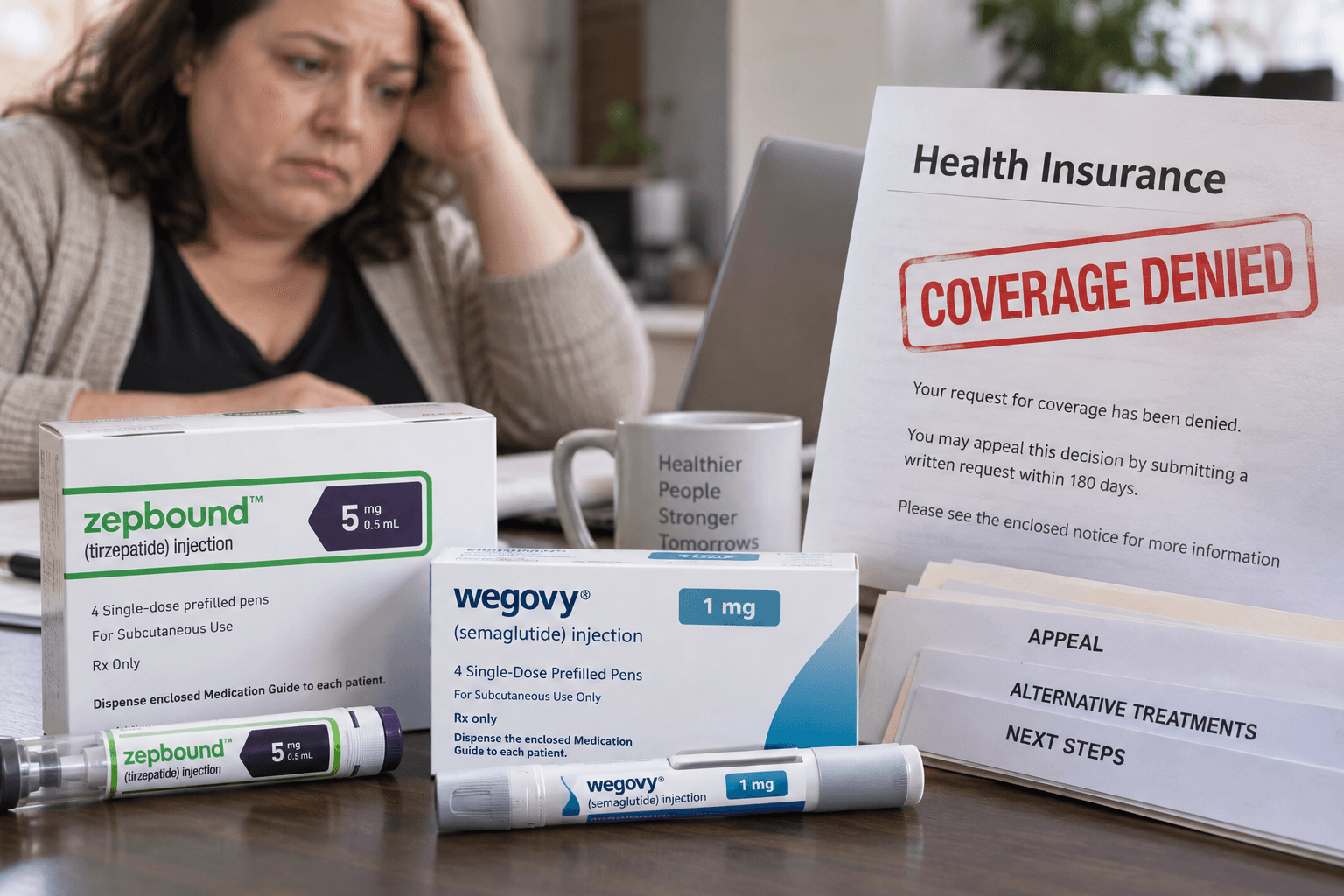
Millions Lose Insurance Coverage for Weight Loss Drugs, Leaving Patients in Limbo
Millions of Americans have lost insurance coverage for weight loss drugs like Zepbound and Wegovy, forcing them to navigate a complex appeals process or seek alternative treatments. Patients and doctors are speaking out about the challenges of accessing these medications, which have been shown to be effective in treating obesity and related conditions.
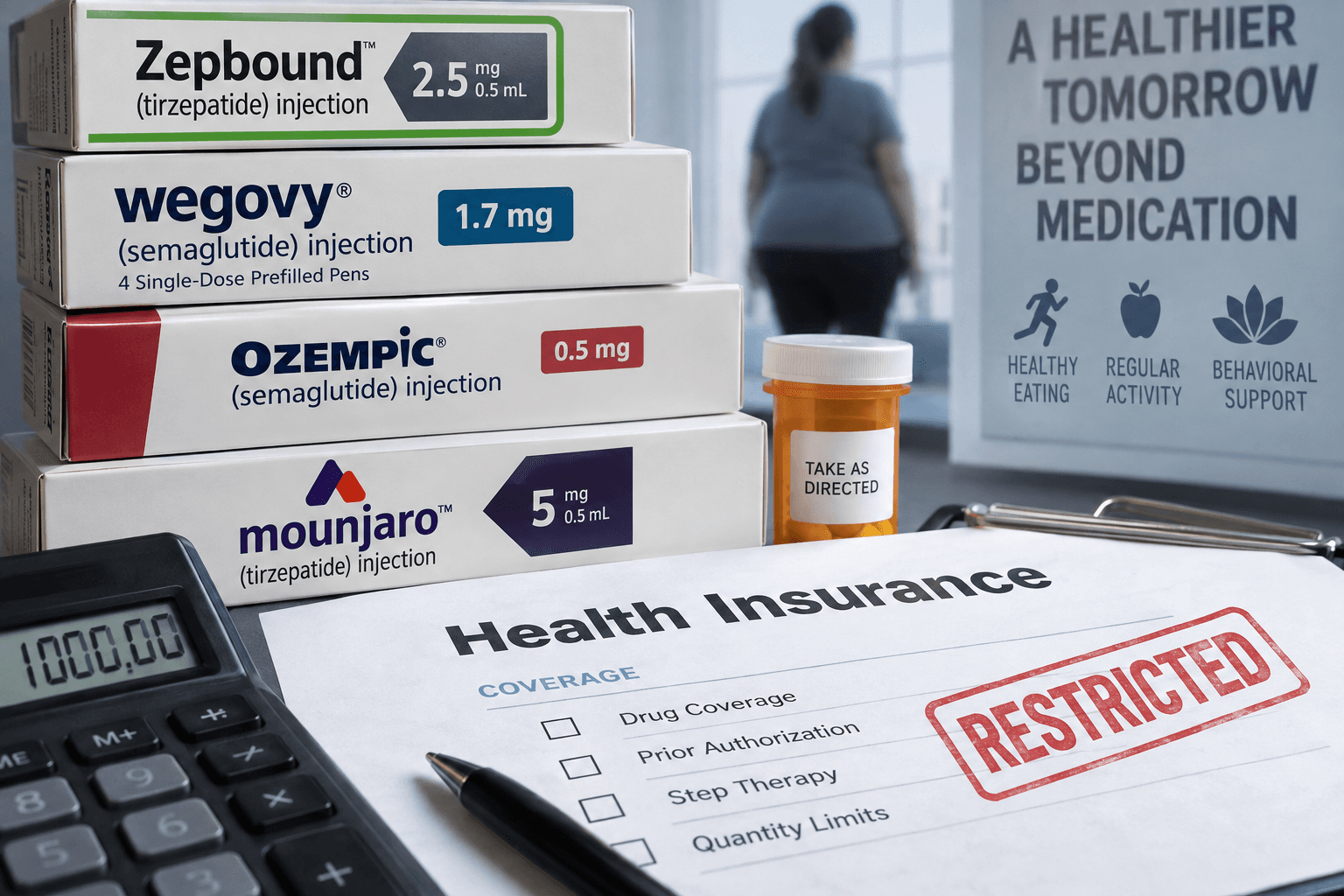
Insurers Struggle with Soaring GLP-1 Drug Costs, Seek to Wean Patients Off
With list prices of roughly $1,000 a month, public and private payers are struggling to keep up with ballooning demand for GLP-1 weight loss drugs, leading some to restrict coverage or explore 'deprescription' to taper patients off the medication.
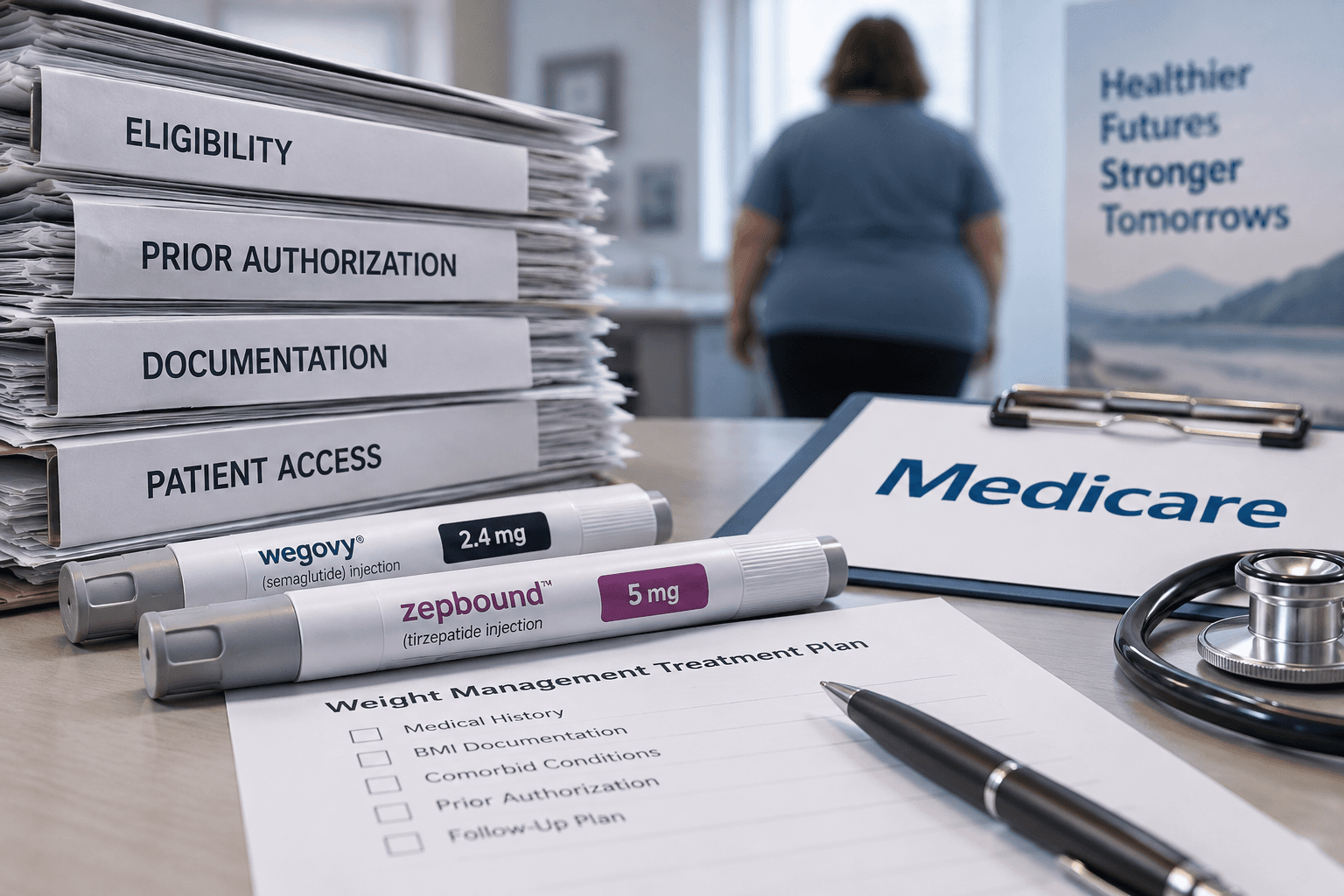
Medicare's GLP-1 'Bridge' Program May Limit Access to Weight Loss Drugs
Medicare's new 'Bridge' program aims to make GLP-1 weight loss medications more affordable, but its complex eligibility criteria and administrative burdens may limit access for patients. The program, which offers discounted access to medications like Wegovy and Zepbound, requires extensive documentation and prior authorizations, which can delay treatment and increase staff workload.
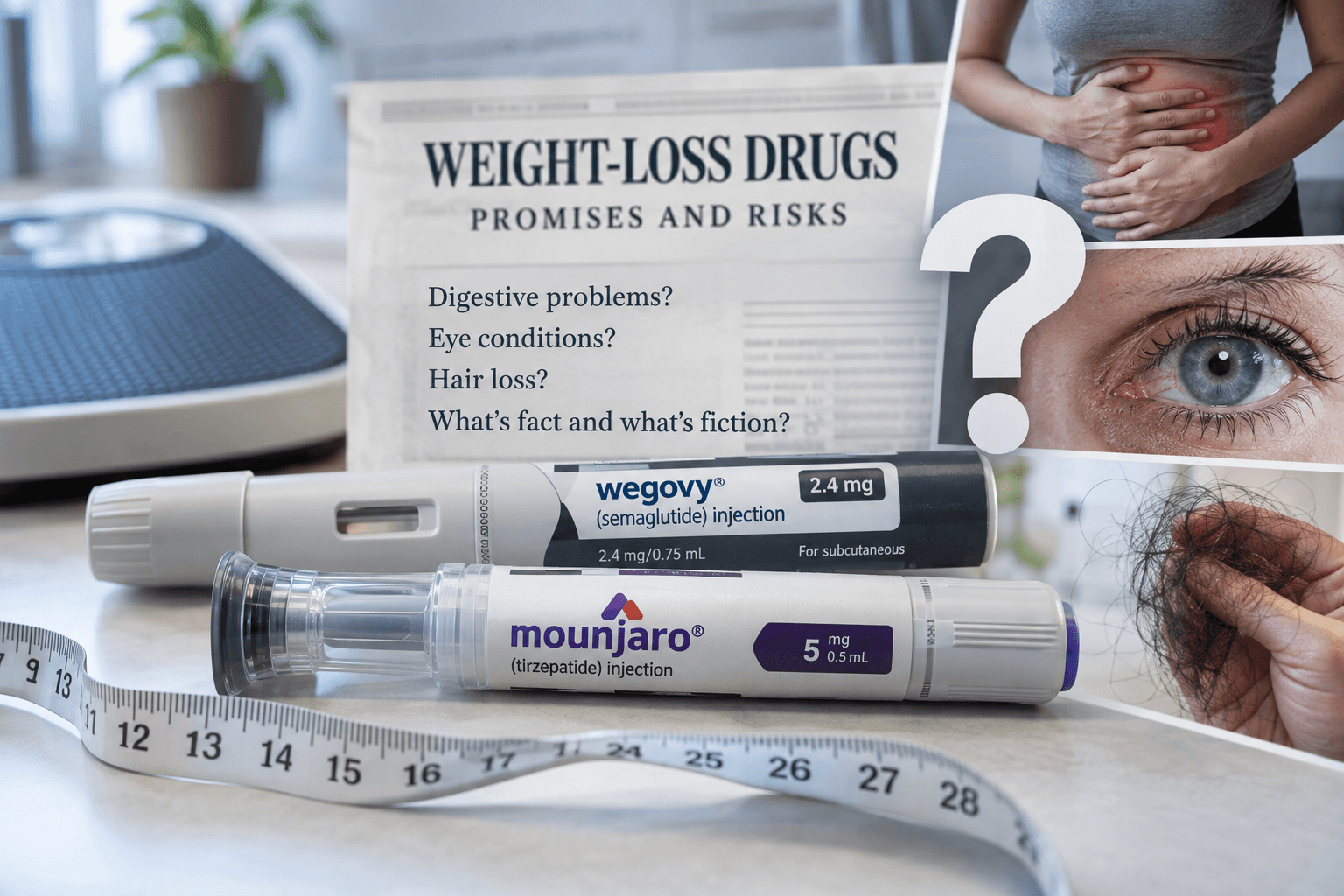
Weight-Loss Drugs Under Scrutiny: Separating Fact from Fiction on Side-Effects
Weight-loss medications like Wegovy and Mounjaro have become increasingly popular, but reports of side-effects such as digestive problems, eye conditions, and hair loss have raised concerns. While some of these side-effects have been studied, others remain unproven, leaving many to wonder what's fact and what's fiction.
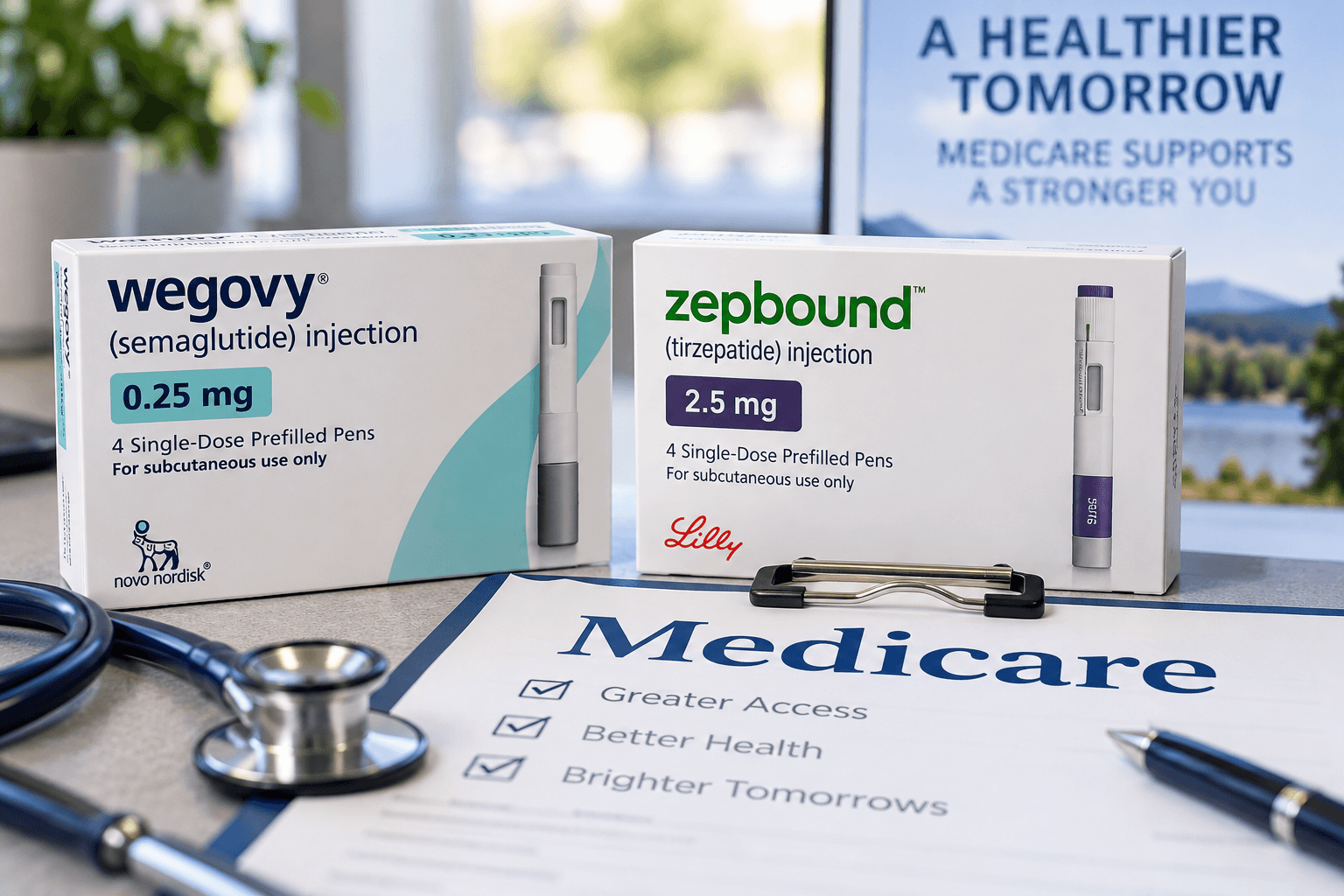
Medicare to Cover Weight Loss Drugs for $50 a Month
Medicare to cover weight loss drugs like Wegovy and Zepbound for $50 a month under a new pilot program, a significant shift for the healthcare system. The program aims to increase accessibility for older Americans struggling with obesity.