Insurers Struggle with Soaring GLP-1 Drug Costs, Seek to Wean Patients Off
With list prices of roughly $1,000 a month, public and private payers are struggling to keep up with ballooning demand for GLP-1 weight loss drugs, leading some to restrict coverage or explore 'deprescription' to taper patients off the medication.

- Insurers are struggling to cope with the soaring costs of GLP-1 weight loss drugs
- Some states are restricting Medicaid coverage of GLP-1s for weight loss
- The concept of 'deprescription' is being explored as a way to taper patients off GLP-1s
- Behavioral alternatives, such as nutrition-focused weight management programs, are being promoted as a way to maintain weight loss
- Studies have shown that people typically regain weight within a year of stopping GLP-1 medications
Why are insurers struggling with GLP-1 drug costs?
Kyra Wensley, a 25-year-old from New York, was shocked when her pharmacy benefit manager denied her request for coverage of the injectable weight loss medication Zepbound. She had been taking the drug without incident for months, but her BMI, which had been around 32 when she started, was now being used as a reason to deny coverage.
Wensley's doctor fought to keep her on the GLP-1 agonist, but she ultimately had to switch to Wegovy, a different medication in the same category, to meet her health plan's requirements. She's not alone - many GLP-1 users are facing similar challenges as insurers struggle to cope with the soaring costs of these medications.
North Carolina Medicaid plans to end GLP-1 coverage for weight loss on October 1, just over a year after starting the coverage. Pennsylvania is planning to limit Medicaid coverage to beneficiaries at the highest risk of complications from obesity. The trend is likely to continue, with state Medicaid programs under pressure due to steep spending cuts in the budget reconciliation package recently signed into law.
What are the alternatives to GLP-1 medications?
Researchers, payers, and providers are now exploring the concept of 'deprescription,' which aims to taper some patients off their medication after they have taken it for a certain amount of time or lost a certain amount of weight. The U.K.'s National Institute for Health and Care Excellence recommends two-year limits on the use of some weight loss medications, such as Wegovy.
A. Mark Fendrick, director of the Center for Value-Based Insurance Design at the University of Michigan, argues that if some people using GLP-1s to lose weight were eventually transitioned off, more people could take advantage of them. 'If you're going to spend $1 billion or $100 billion, you could either spend it on fewer people for a long period of time, or you can spend it on a lot more people for a shorter period of time,' he said.
Studies have shown that people typically regain a substantial amount of weight within a year of stopping GLP-1 medications, and that many people who quit ultimately go back on the drugs. However, companies like Virta Health are promoting behavioral alternatives, such as nutrition-focused weight management programs, as a way to maintain weight loss without relying on GLP-1s.
For some people, like Lily, a transgender woman from Michigan, maintaining weight loss without a GLP-1 remains a challenge. She lost almost 80 pounds on Wegovy, but had to quit the drug when she turned 26 and left her parents' insurance plan. She's tried other medications and lifestyle programs since then, but nothing works as well for her as Wegovy.
FAQ
- What is deprescription?
- Deprescription aims to taper some patients off their medication after they have taken it for a certain amount of time or lost a certain amount of weight
Read next
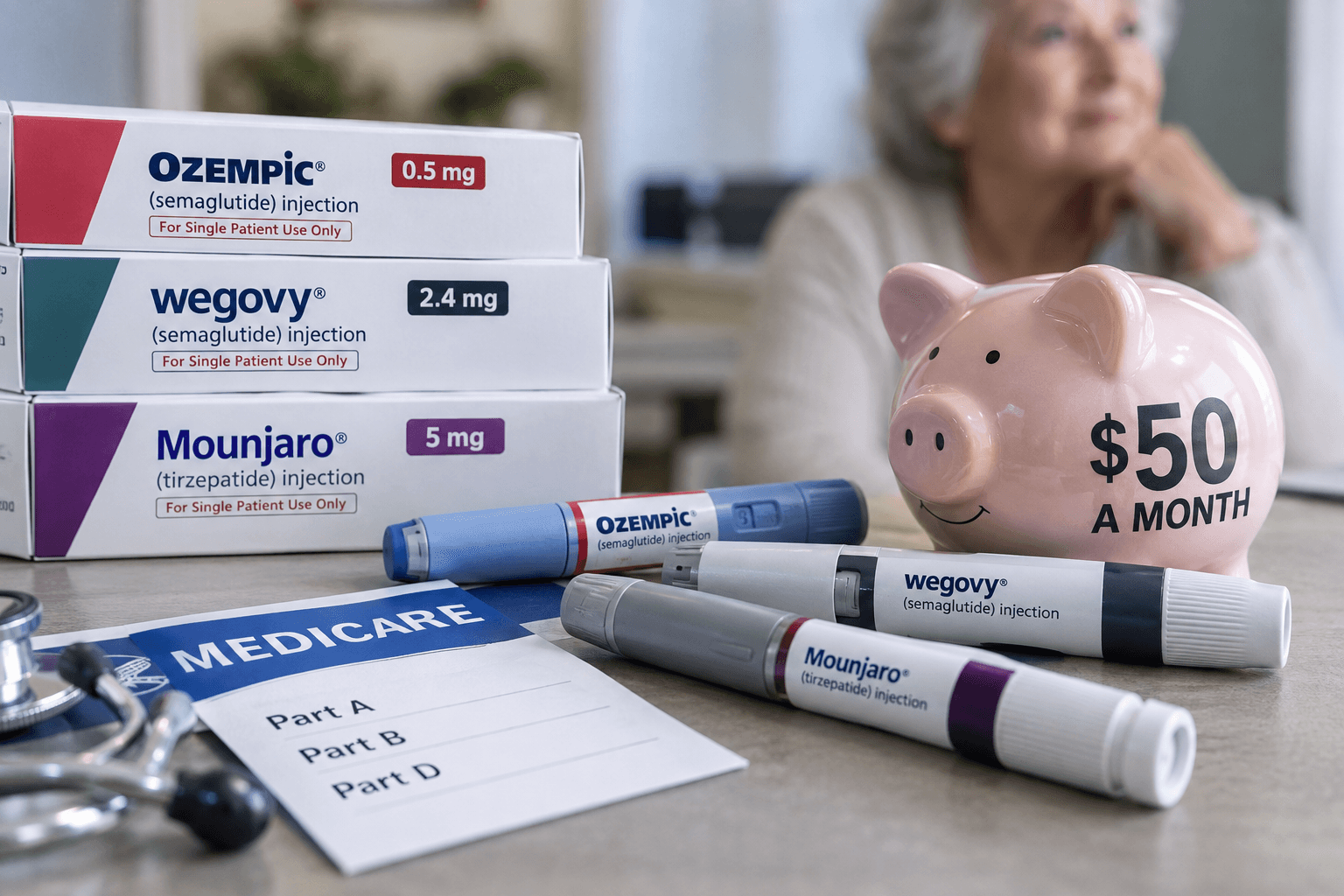
Medicare to Offer Cheaper GLP-1 Weight Loss Medications to Seniors
A new pilot program will allow some Medicare recipients to access GLP-1 weight loss medications for $50 a month, potentially helping millions of older adults who struggle with obesity. The program, set to launch on July 1, will cover three drugs and be available to those with Medicare Part D who meet certain conditions.
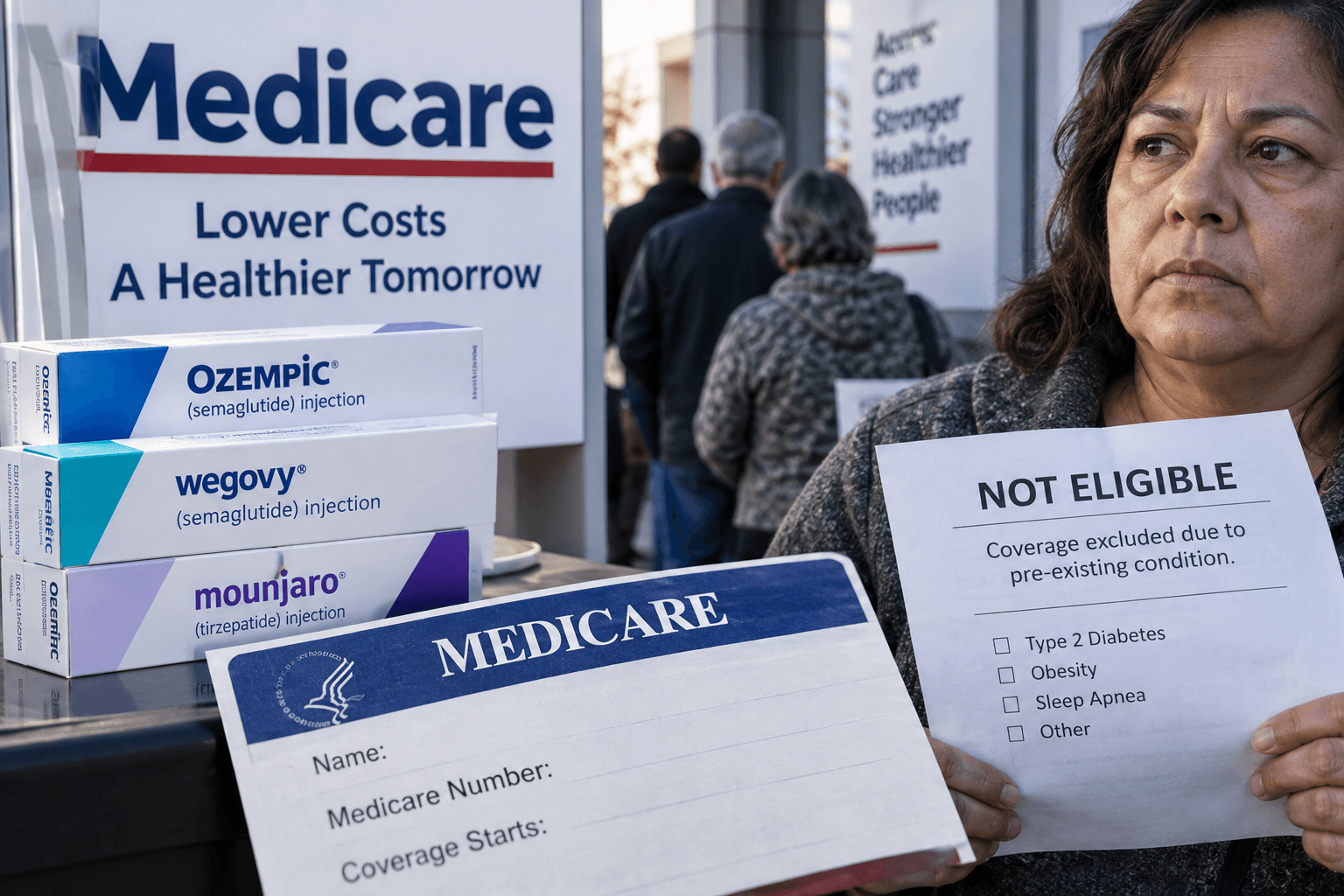
Medicare's GLP-1 Discount Program Leaves Many Patients Behind
A new Medicare pilot program offers discounted GLP-1 medications for weight loss, but millions of patients are excluded due to pre-existing medical conditions, leaving them with unaffordable treatment options.
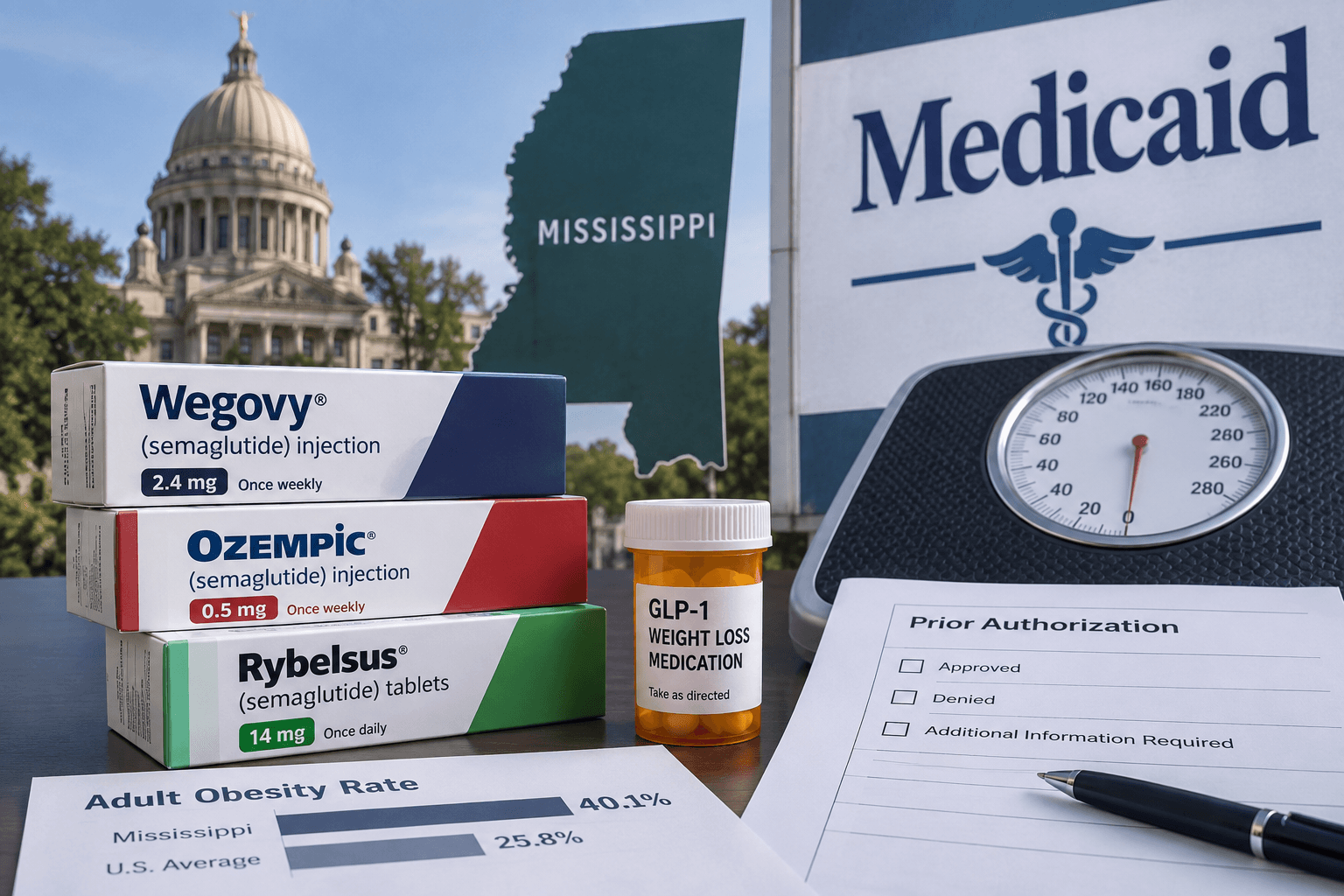
Mississippi Medicaid Struggles to Cover Weight Loss Drugs Despite High Obesity Rates
In Mississippi, where obesity rates are among the highest in the country, Medicaid coverage of weight loss drugs known as GLP-1s has been slow to take off due to national drug shortages, prior authorization requirements, and lack of marketing. Only 2% of eligible adults have been prescribed the drugs, which can cost around $1,000 a month.

Medicare's GLP-1 'Bridge' Program May Limit Access to Weight Loss Drugs
Medicare's new 'Bridge' program aims to make GLP-1 weight loss medications more affordable, but its complex eligibility criteria and administrative burdens may limit access for patients. The program, which offers discounted access to medications like Wegovy and Zepbound, requires extensive documentation and prior authorizations, which can delay treatment and increase staff workload.
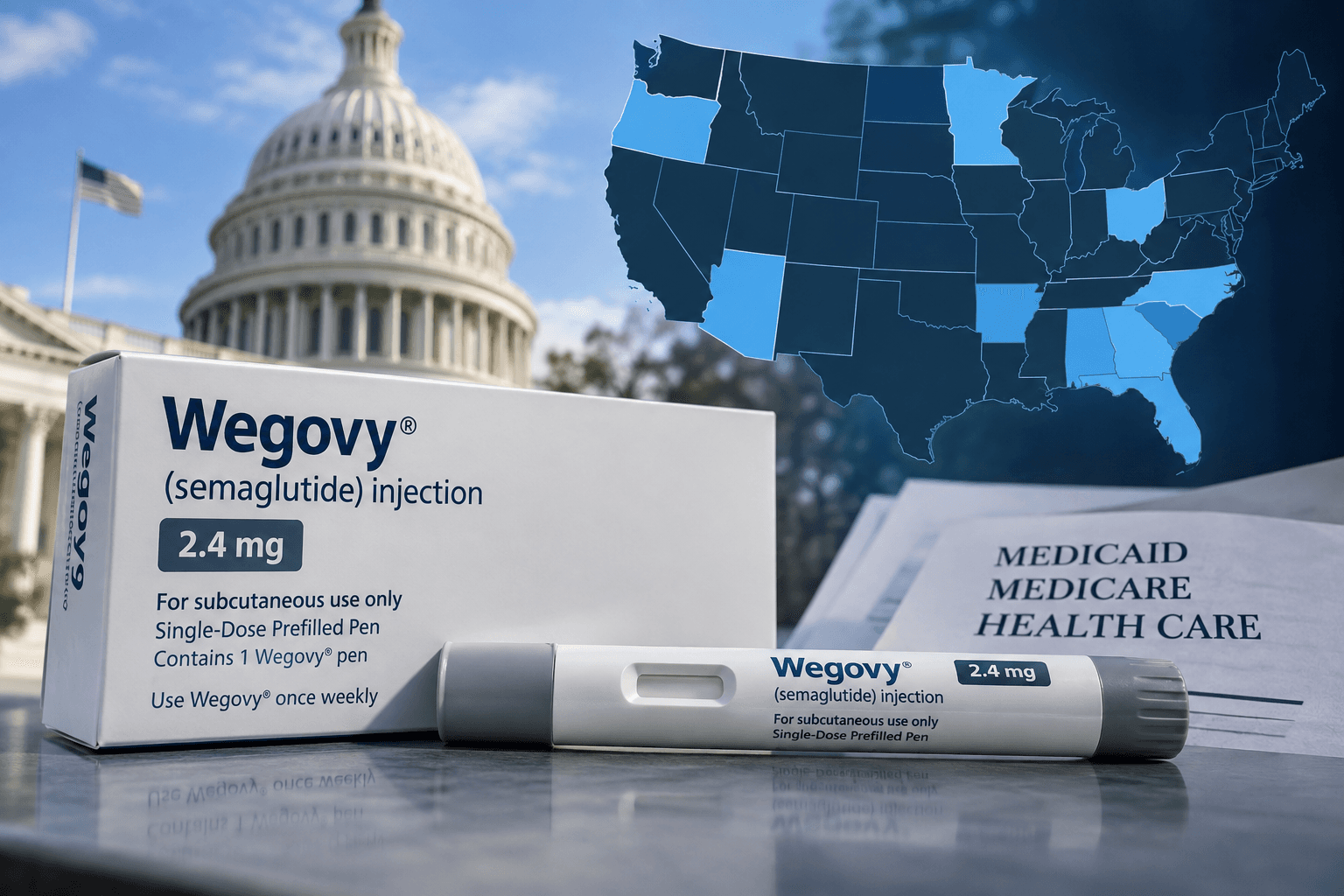
States Take Lead in Covering Weight Loss Drugs as Federal Government Holds Back
South Carolina and 13 other states are covering GLP-1s, a class of weight loss drugs, for Medicaid beneficiaries, despite the federal government's decision not to finalize a rule that would have allowed millions to access the treatment.