#Mounjaro

FDA Adds Vision Loss Warning to GLP-1 Drugs, Leaving Doctors and Patients With Hard Choices

FDA Adds Vision Loss Warning to GLP-1 Drugs, Leaving Doctors and Patients With Hard Choices

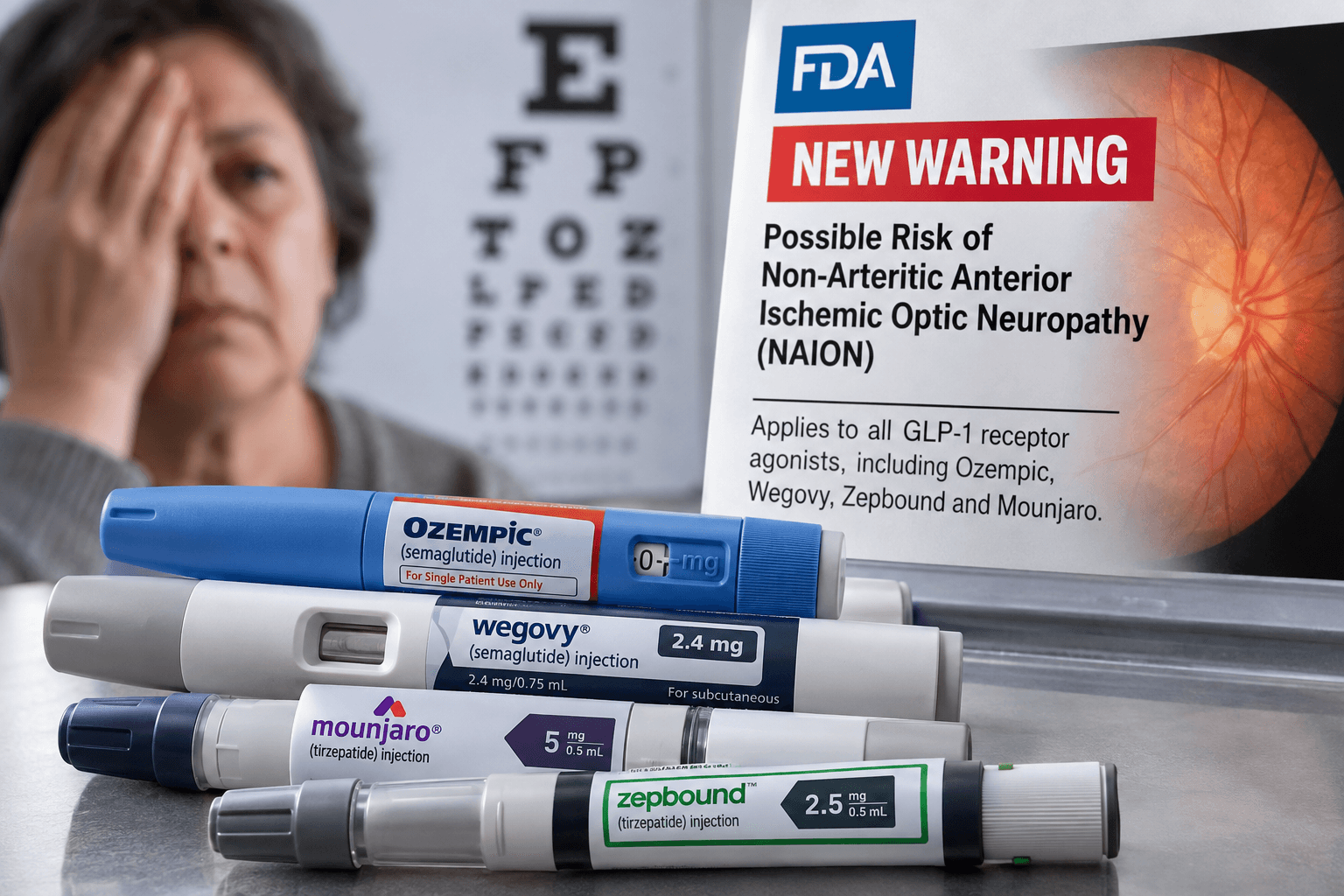
The FDA will require new warnings across the entire GLP-1 drug class about a possible increased risk of NAION, a rare condition that damages the optic nerve and can cause permanent vision loss. The class includes Ozempic, Wegovy, Zepbound and Mounjaro. Because the drugs are widely used, the warning forces a difficult question: when a patient develops NAION, should treatment stop? Regulators in Europe and the U.S. have answered differently. An ophthalmologist who has asked patients about GLP-1 use for two years says the FDA should now study what happens after a diagnosis, and that patients cannot wait years for answers.
Two Case Reports Link Abrupt Tirzepatide Discontinuation to Mania and Psychosis

Two Case Reports Link Abrupt Tirzepatide Discontinuation to Mania and Psychosis

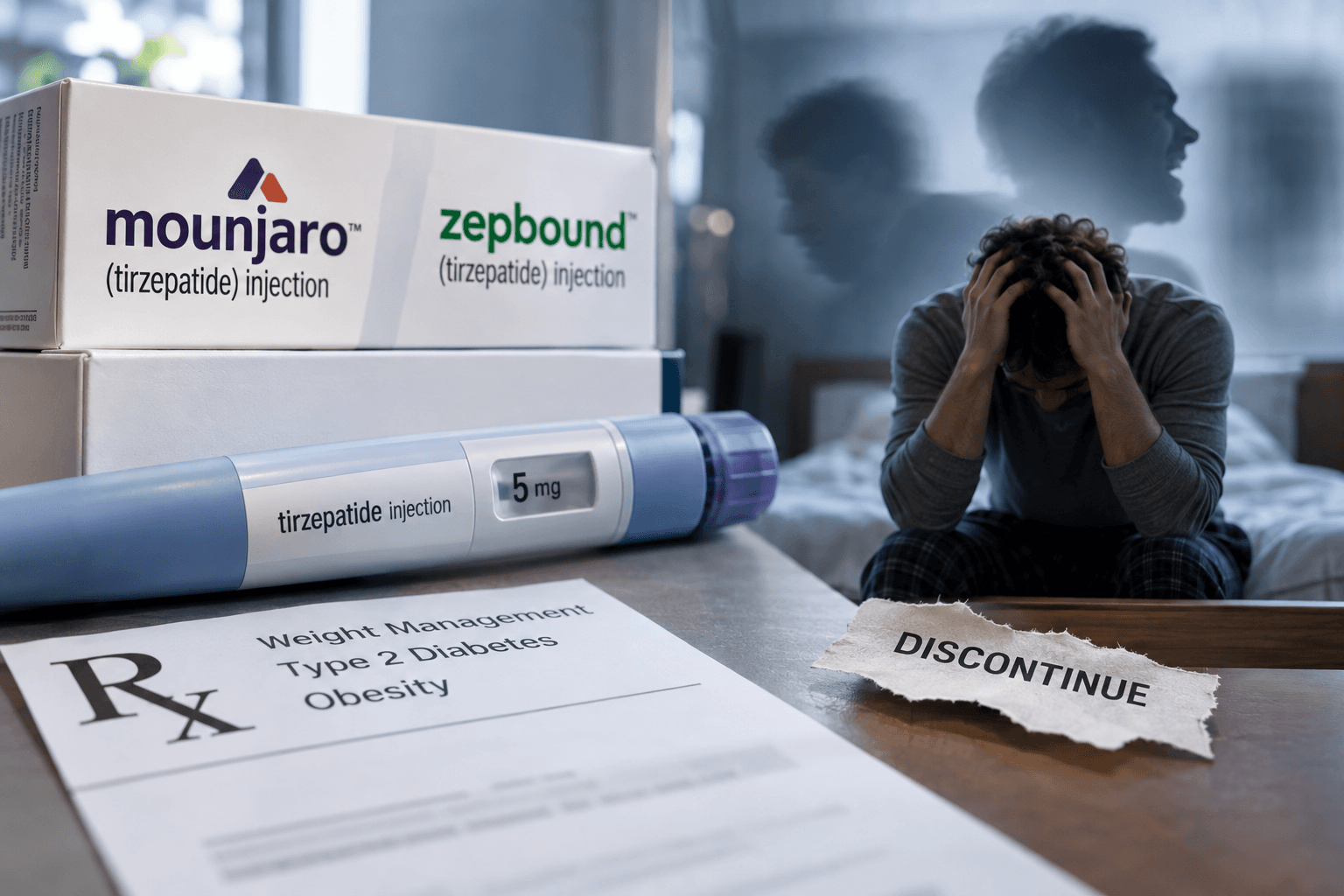
Two men were hospitalized with acute psychiatric symptoms after abruptly stopping tirzepatide, the active ingredient in Mounjaro and Zepbound, according to case studies published in The Primary Care Companion for Central Nervous System Disorders. One patient showed signs of psychosis, including hallucinations and a rare delusion that he was dead, while the other was diagnosed with a manic episode. The authors do not claim the drug withdrawal caused the symptoms. They say the timing is worth attention and that prescribers should consider recent changes in GLP-1 medication when evaluating patients with new mood or psychotic symptoms.

Hundreds of English Children Prescribed Weight-Loss Jabs, Figures Show

Hundreds of English Children Prescribed Weight-Loss Jabs, Figures Show

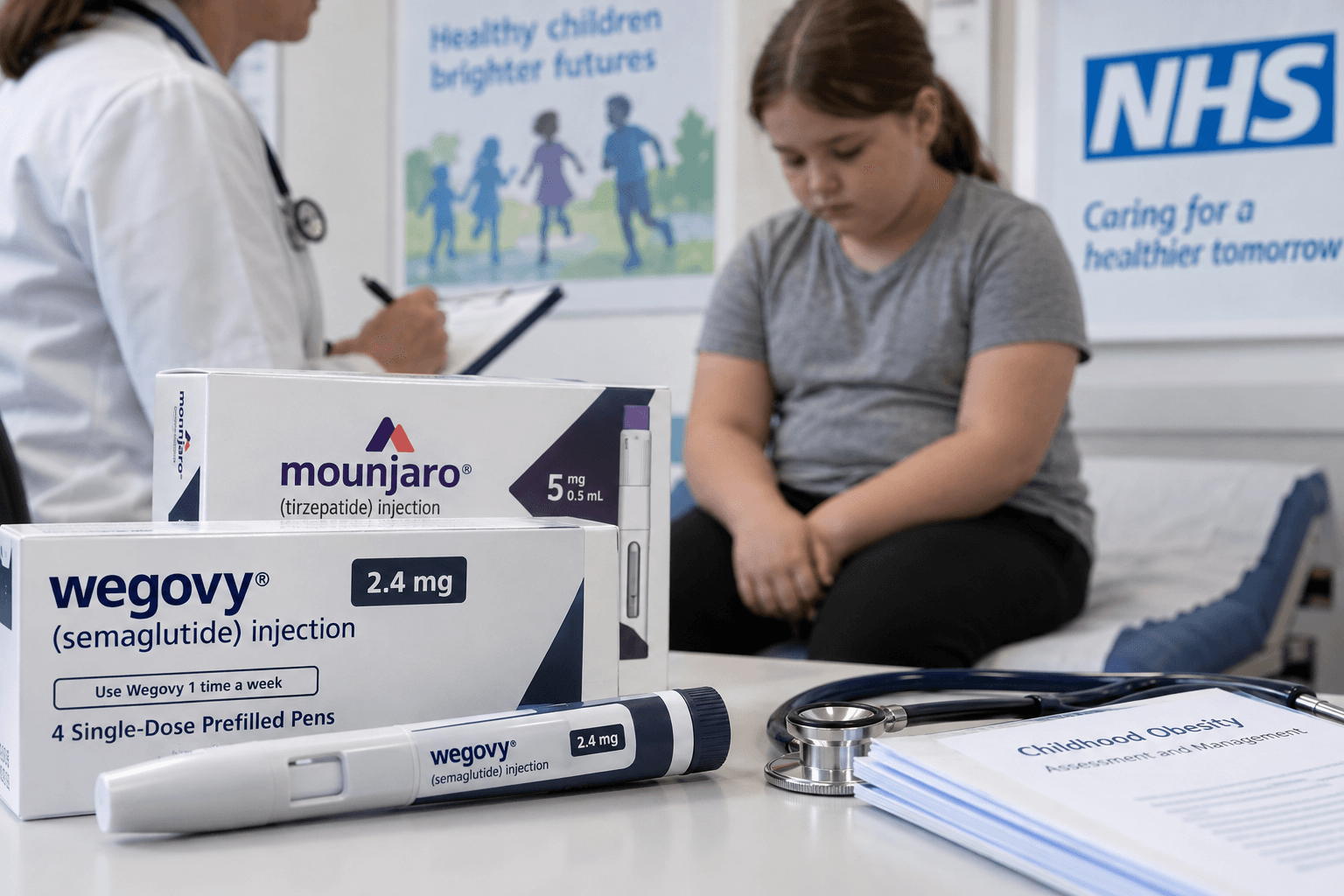
Hundreds of children in England are receiving prescriptions for GLP-1 medications, including some under 12, according to a Guardian investigation of NHS prescribing data. In the 2025-26 financial year, 419 prescriptions were issued to under-18s, 10 of them to children under 12. Experts say the figures likely understate the true total, and they stress that children who start these drugs need specialist supervision and long-term monitoring. The findings come as childhood obesity rates continue to rise and as new global guidance advises against giving obesity medications to children under 10.