Recovery & Healing

BPC-157, TB-500, the Wolverine stack and other peptides for recovery and tissue repair.

What the New Federal Peptide Framework Means for Pharmacists and Patients

What the New Federal Peptide Framework Means for Pharmacists and Patients

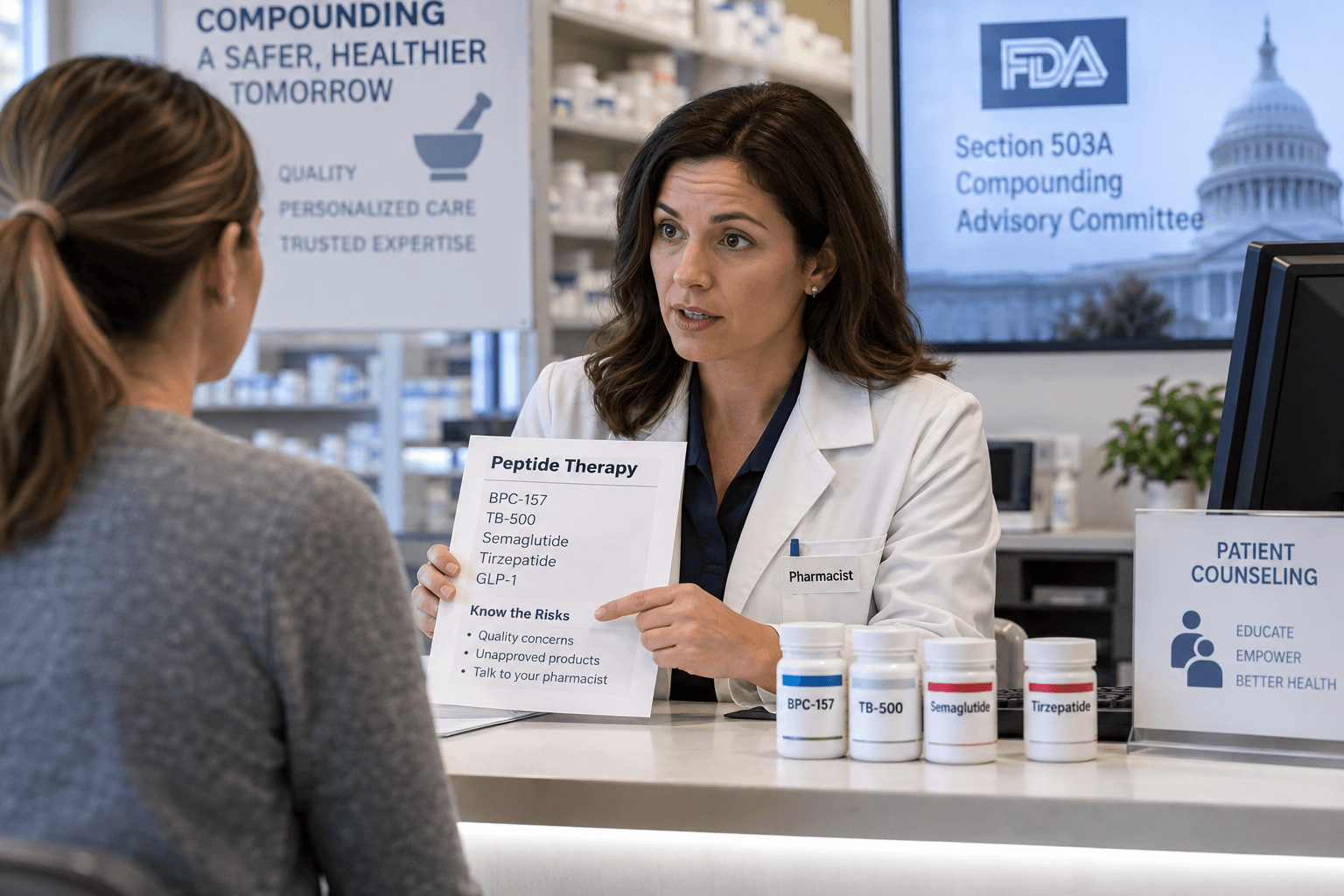
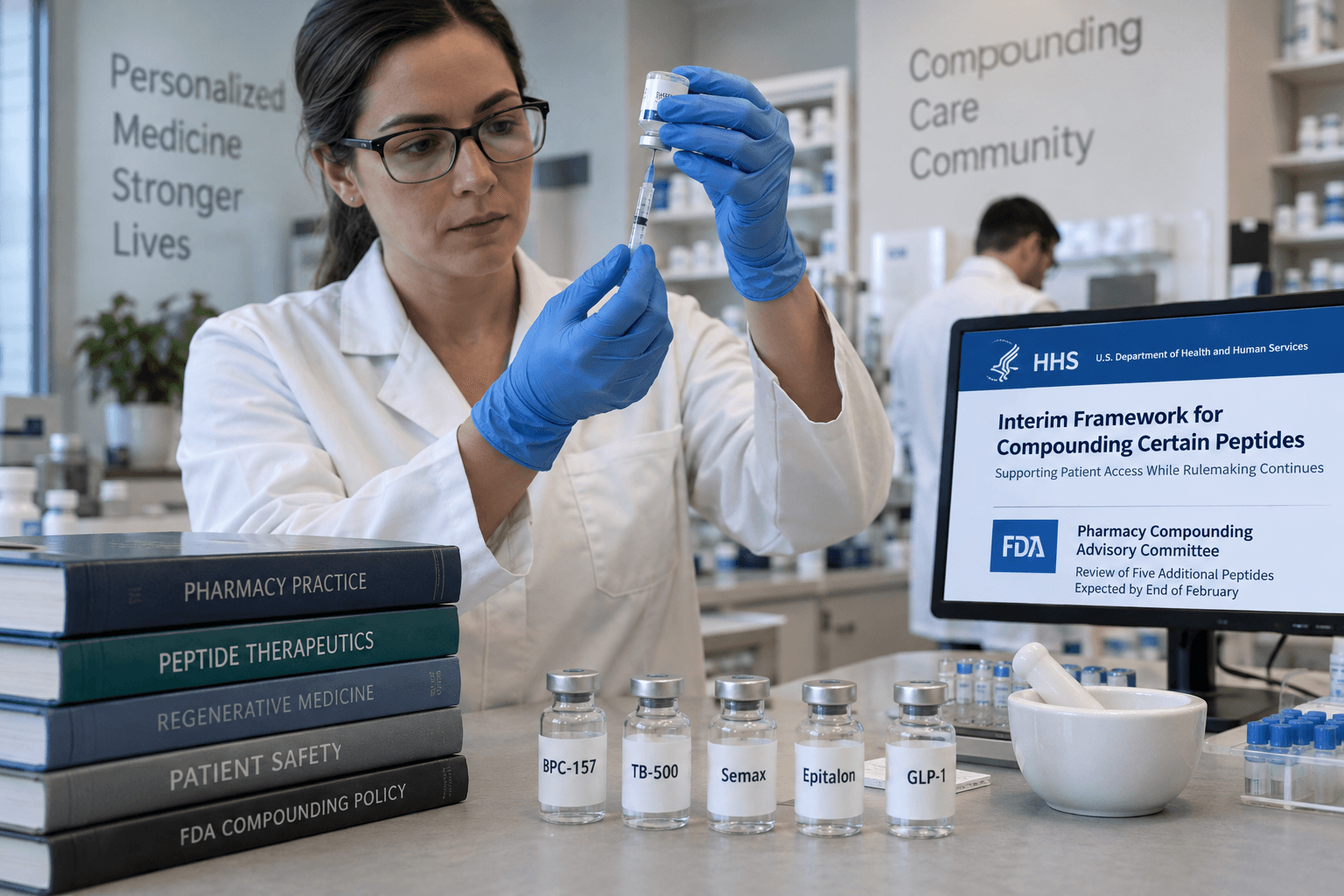
The U.S. Department of Health and Human Services has issued an interim framework that lets state-licensed pharmacies compound several specific peptides while formal rulemaking continues. The FDA's Pharmacy Compounding Advisory Committee is also scheduled to review five more peptides by the end of February. Industry leaders say the policy is shifting how pharmacists and prescribers think about these therapies, but they stress that enforcement discretion is not FDA approval and that clinical safety data remains limited. For pharmacists, the message is clear: rely on professional judgment, stay current, and evaluate each patient carefully.
Draft HHS Peptide Policy Puts Pharmacists Between Access and Caution

Draft HHS Peptide Policy Puts Pharmacists Between Access and Caution

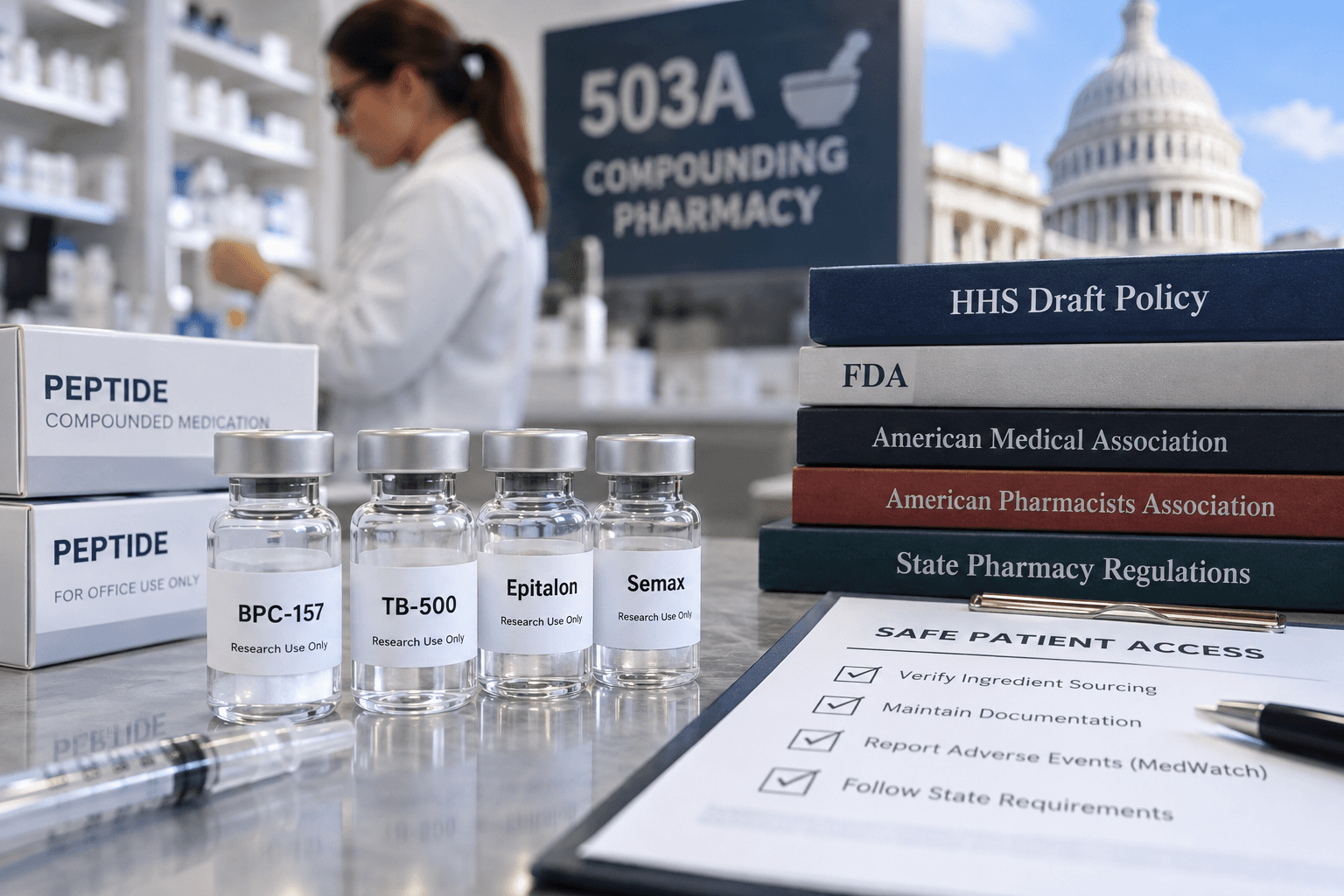
As the comment period closes on a Department of Health and Human Services draft policy, pharmacy leaders are being urged to wait for the final version from the FDA before changing operations. The draft would let state-licensed 503A pharmacies compound six unapproved peptides, including BPC-157 and TB-500, without federal enforcement action. Supporters say the shift could bring patients into regulated channels and away from gray-market sellers. FDA reviewers, the American Medical Association, and the American Pharmacists Association have raised safety and evidence concerns. Pharmacists weighing entry into peptide compounding should verify ingredient sourcing, documentation, adverse event reporting, and state rules while the policy remains in draft form.

RFK Jr. Eases Access to Unproven Peptides Over FDA Staff Objections

RFK Jr. Eases Access to Unproven Peptides Over FDA Staff Objections

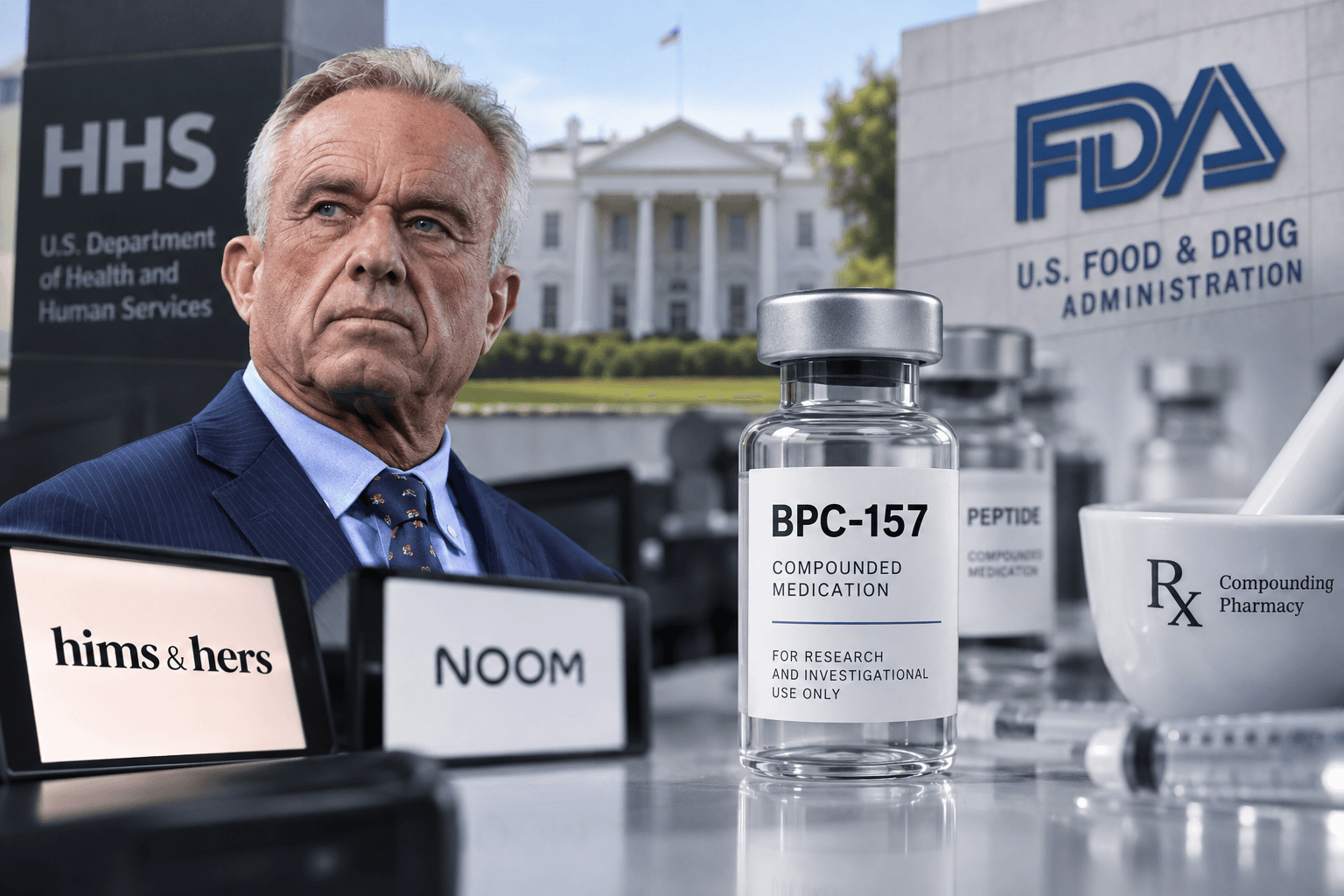
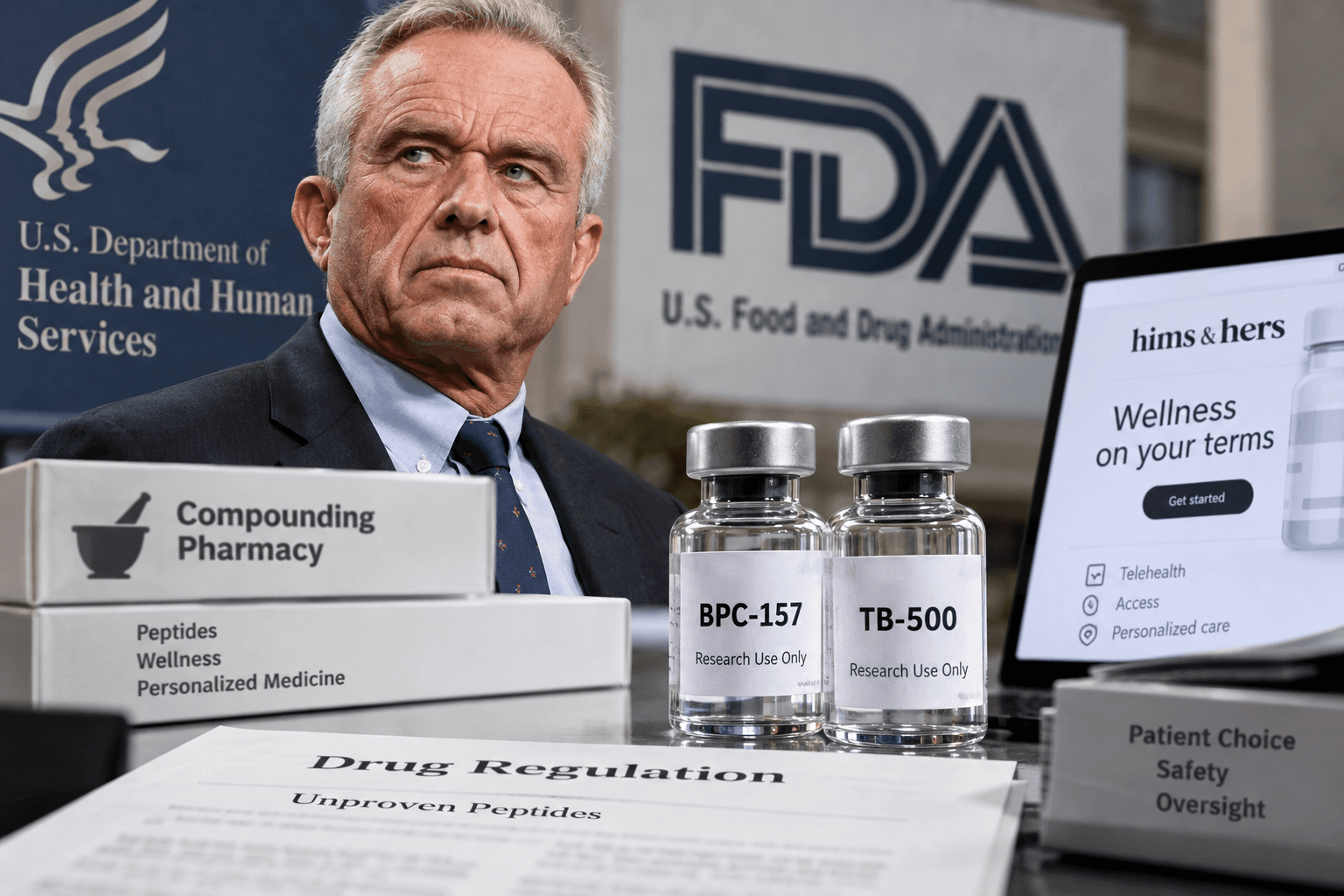
The Trump administration on Wednesday moved to loosen access to unproven peptide drugs favored by Health Secretary Robert F. Kennedy Jr. The new policy, posted by the Department of Health and Human Services, directs the FDA not to act against specialty pharmacies that sell six wellness peptides, including BPC-157 and TB-500. Six people familiar with the decision said FDA scientific staffers had little input and opposed the changes. Critics warn the move could undermine the agency's long-standing effort to keep unproven products off the U.S. market, while supporters call it a step toward patient choice.

Pharmacists Must Guide Peptide Patients as FDA Weighs Compounding Rules

Pharmacists Must Guide Peptide Patients as FDA Weighs Compounding Rules

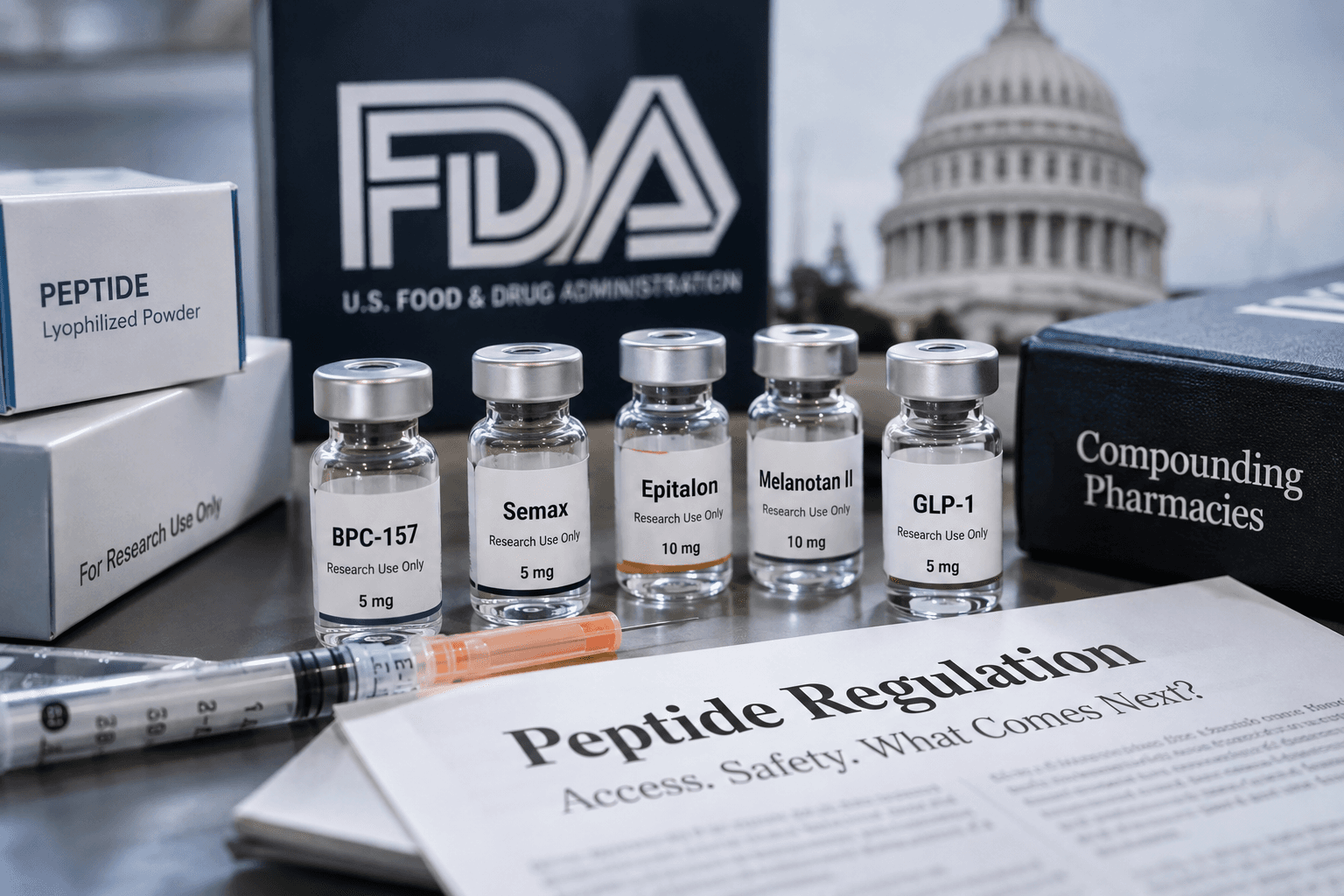
Pharmacists face growing patient questions about peptides, even as an FDA advisory panel recommended six unapproved peptides for inclusion on the Section 503A bulks list. Matt Martin, PharmD, BCSCP, vice president of clinical services at PCCA, told attendees at NCPA 2026 that advisory votes do not authorize compounding. Until the FDA completes formal rulemaking or places these substances on an interim Category 1 list, compounding them remains technically unlawful. Martin said pharmacists must also warn patients about the quality risks of “research use only” products sold online.

Gray-Market Peptides Are Everywhere. Here's What You Should Know.

Gray-Market Peptides Are Everywhere. Here's What You Should Know.

Injectable peptides have moved from quiet laboratory research into wellness clinics, influencer videos, and biohacker forums. Many are sold through gray-market supply chains with little human safety data. Health Secretary Kennedy has pushed to restore access to peptides the FDA had restricted, and an FDA committee he reshaped has recommended letting six of them back into legal production through compounding pharmacies. Critics, including FDA scientists, warn that the products are often untested and inconsistently made. This guide walks through what peptides are, why the products are so popular, the risks researchers have flagged, and how the regulatory fight developed.

HHS Moves Ahead With Plan to Let Pharmacies Compound Popular Peptides

HHS Moves Ahead With Plan to Let Pharmacies Compound Popular Peptides

The Trump administration has sent an "interim access policy" for peptides to the White House for review, a step that would let specialty pharmacies compound certain widely used peptides. The peptides, including BPC-157, have gained popularity among followers of Health Secretary Robert F. Kennedy Jr. and wellness influencers, but they have not gone through the FDA's standard approval process, and most of the available data comes from animal studies. An FDA advisory panel recommended lifting restrictions on six of seven peptides in July, a recommendation that ran counter to the conclusions of the agency's own scientists. The policy's exact terms have not been published, and formal rulemaking could take years.