Regulation & Industry News

FDA rulings, compounding rules, and news from Eli Lilly, Novo Nordisk and the wider peptide market.

What the New Federal Peptide Framework Means for Pharmacists and Patients

What the New Federal Peptide Framework Means for Pharmacists and Patients

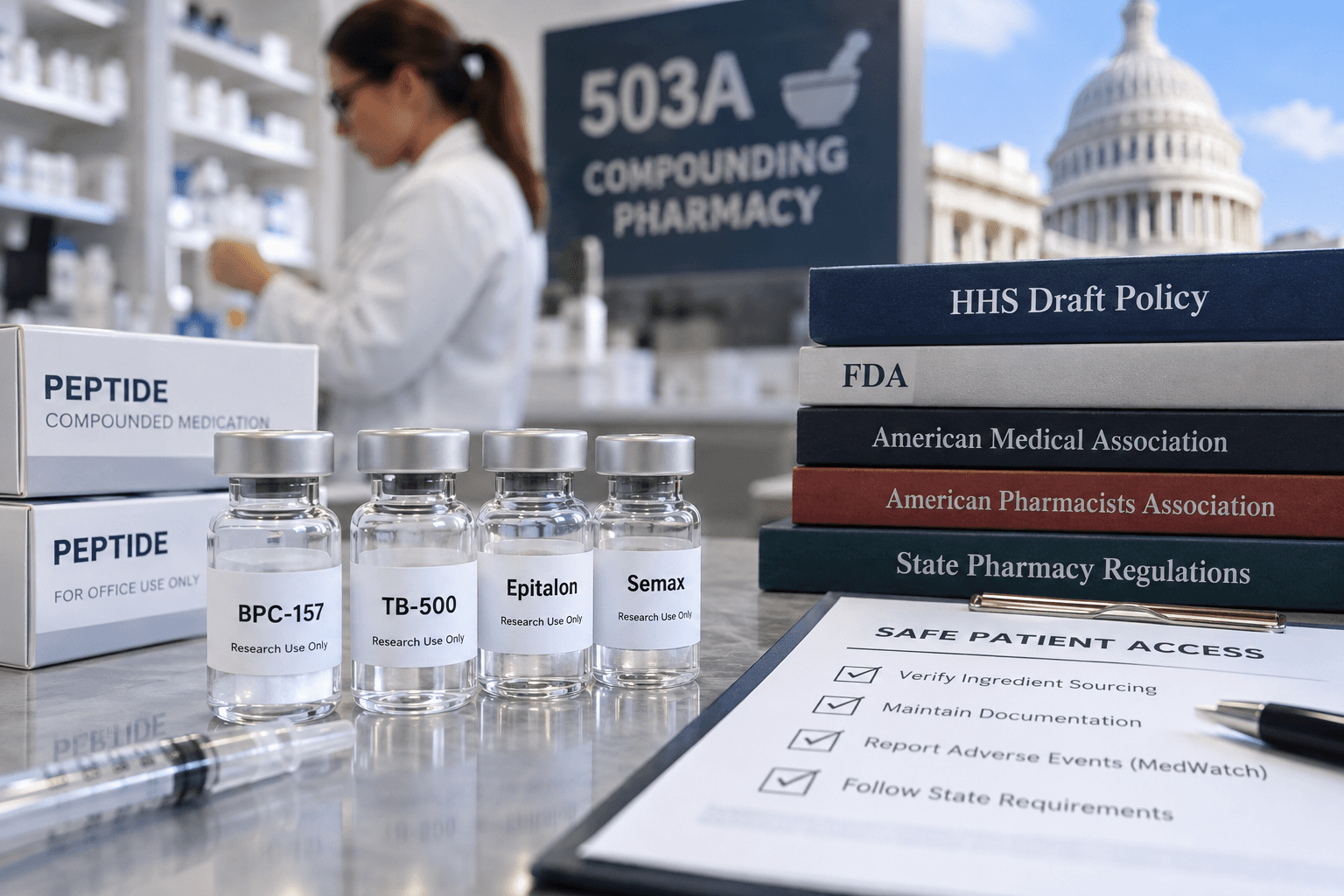
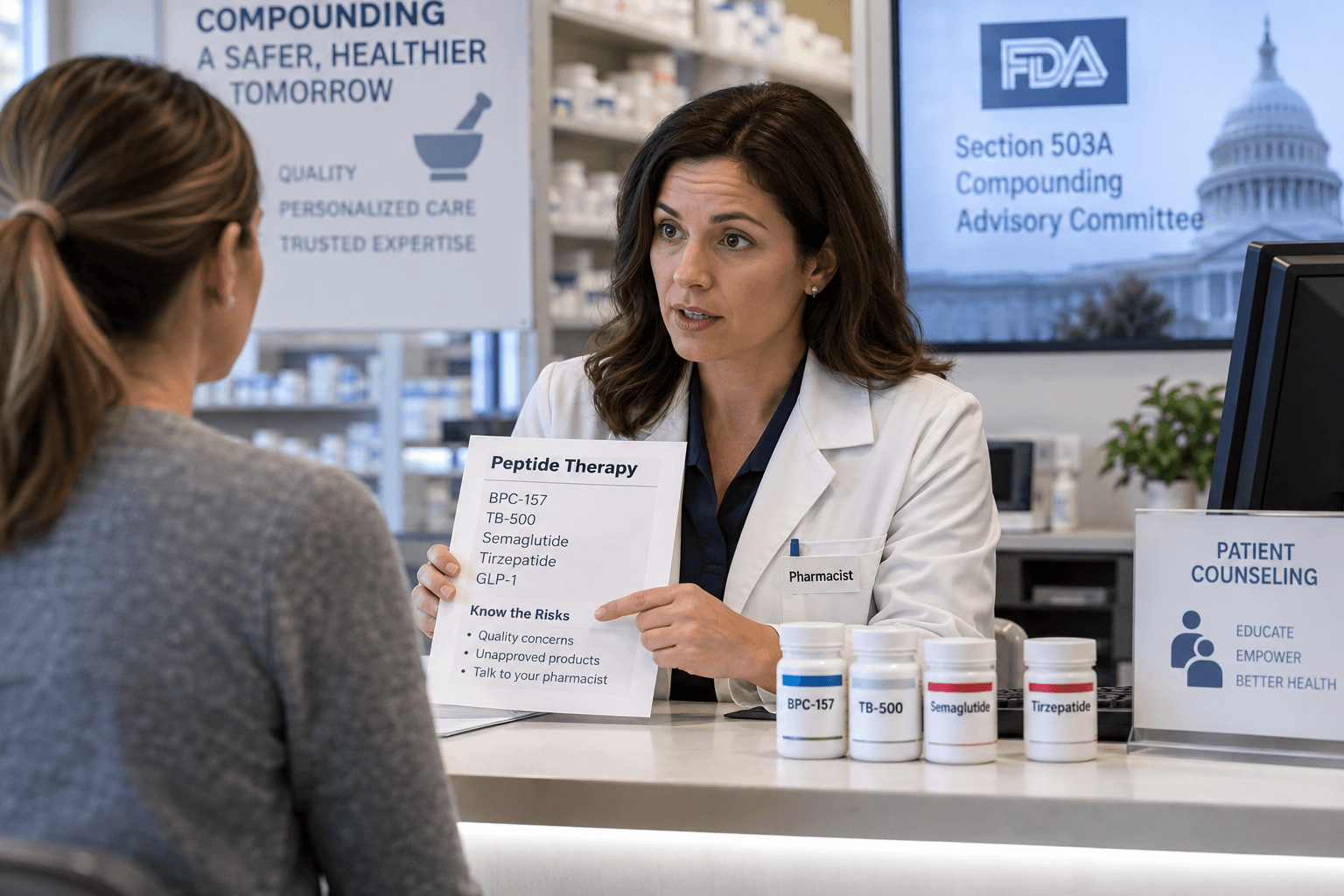
The U.S. Department of Health and Human Services has issued an interim framework that lets state-licensed pharmacies compound several specific peptides while formal rulemaking continues. The FDA's Pharmacy Compounding Advisory Committee is also scheduled to review five more peptides by the end of February. Industry leaders say the policy is shifting how pharmacists and prescribers think about these therapies, but they stress that enforcement discretion is not FDA approval and that clinical safety data remains limited. For pharmacists, the message is clear: rely on professional judgment, stay current, and evaluate each patient carefully.

FDA Adds Vision Loss Warning to GLP-1 Drugs, Leaving Doctors and Patients With Hard Choices

FDA Adds Vision Loss Warning to GLP-1 Drugs, Leaving Doctors and Patients With Hard Choices

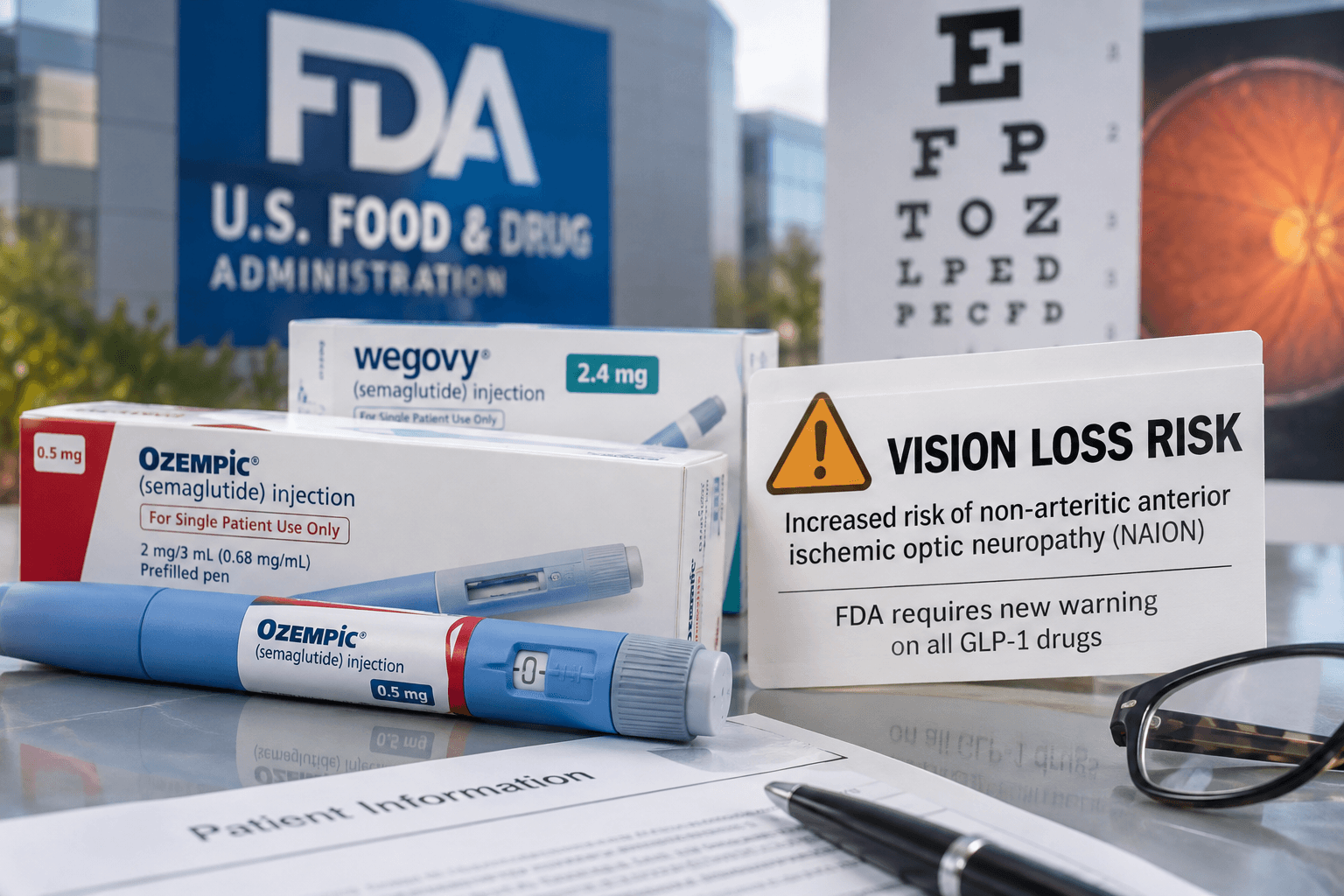
The FDA will require new warnings across the entire GLP-1 drug class about a possible increased risk of NAION, a rare condition that damages the optic nerve and can cause permanent vision loss. The class includes Ozempic, Wegovy, Zepbound and Mounjaro. Because the drugs are widely used, the warning forces a difficult question: when a patient develops NAION, should treatment stop? Regulators in Europe and the U.S. have answered differently. An ophthalmologist who has asked patients about GLP-1 use for two years says the FDA should now study what happens after a diagnosis, and that patients cannot wait years for answers.

GLP-1 Side Effects Draw Scrutiny as Measles and Ebola Cases Climb

GLP-1 Side Effects Draw Scrutiny as Measles and Ebola Cases Climb

The Washington Post is examining the rare but serious side effects linked to GLP-1 receptor agonists, including ischemic optic neuropathy, gallstones and pancreatitis. The health news roundup also covers a new HIPAA rule requiring providers to answer health data requests within 15 days, an NIH leadership appointment, and an FDA nominee the White House is reportedly weighing dropping. Measles cases continue to rise in the U.S., and Ebola is hitting children hard in the Congo, according to UNICEF.

Draft HHS Peptide Policy Puts Pharmacists Between Access and Caution

Draft HHS Peptide Policy Puts Pharmacists Between Access and Caution

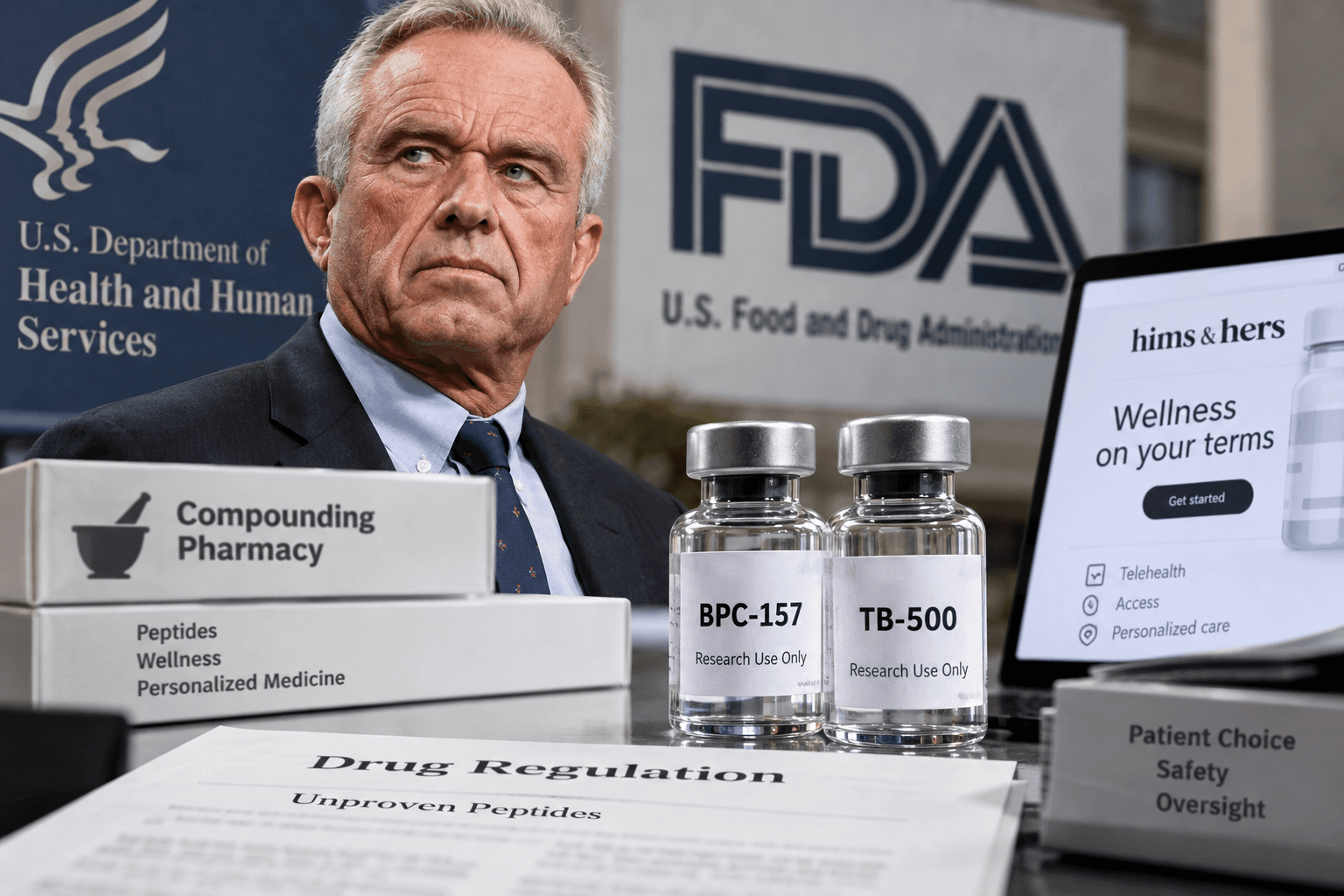
As the comment period closes on a Department of Health and Human Services draft policy, pharmacy leaders are being urged to wait for the final version from the FDA before changing operations. The draft would let state-licensed 503A pharmacies compound six unapproved peptides, including BPC-157 and TB-500, without federal enforcement action. Supporters say the shift could bring patients into regulated channels and away from gray-market sellers. FDA reviewers, the American Medical Association, and the American Pharmacists Association have raised safety and evidence concerns. Pharmacists weighing entry into peptide compounding should verify ingredient sourcing, documentation, adverse event reporting, and state rules while the policy remains in draft form.

Wegovy Cuts BMI in Children With Obesity as Young as 6, Trial Finds

Wegovy Cuts BMI in Children With Obesity as Young as 6, Trial Finds

Wegovy (semaglutide) significantly reduced body mass index in children ages 6 to 11 with obesity, according to results from the phase III STEP Young trial. Presented at the ObesityWeek annual meeting and published in the New England Journal of Medicine, the study found that treated children lost weight while placebo patients gained it. Researchers also reported slower height gain and frequent gastrointestinal side effects. Drugmaker Novo Nordisk has not said whether it will submit the data to the FDA.

Cheaper GLP-1 Generics Arrive, and a Global Access Fight May Follow

Cheaper GLP-1 Generics Arrive, and a Global Access Fight May Follow

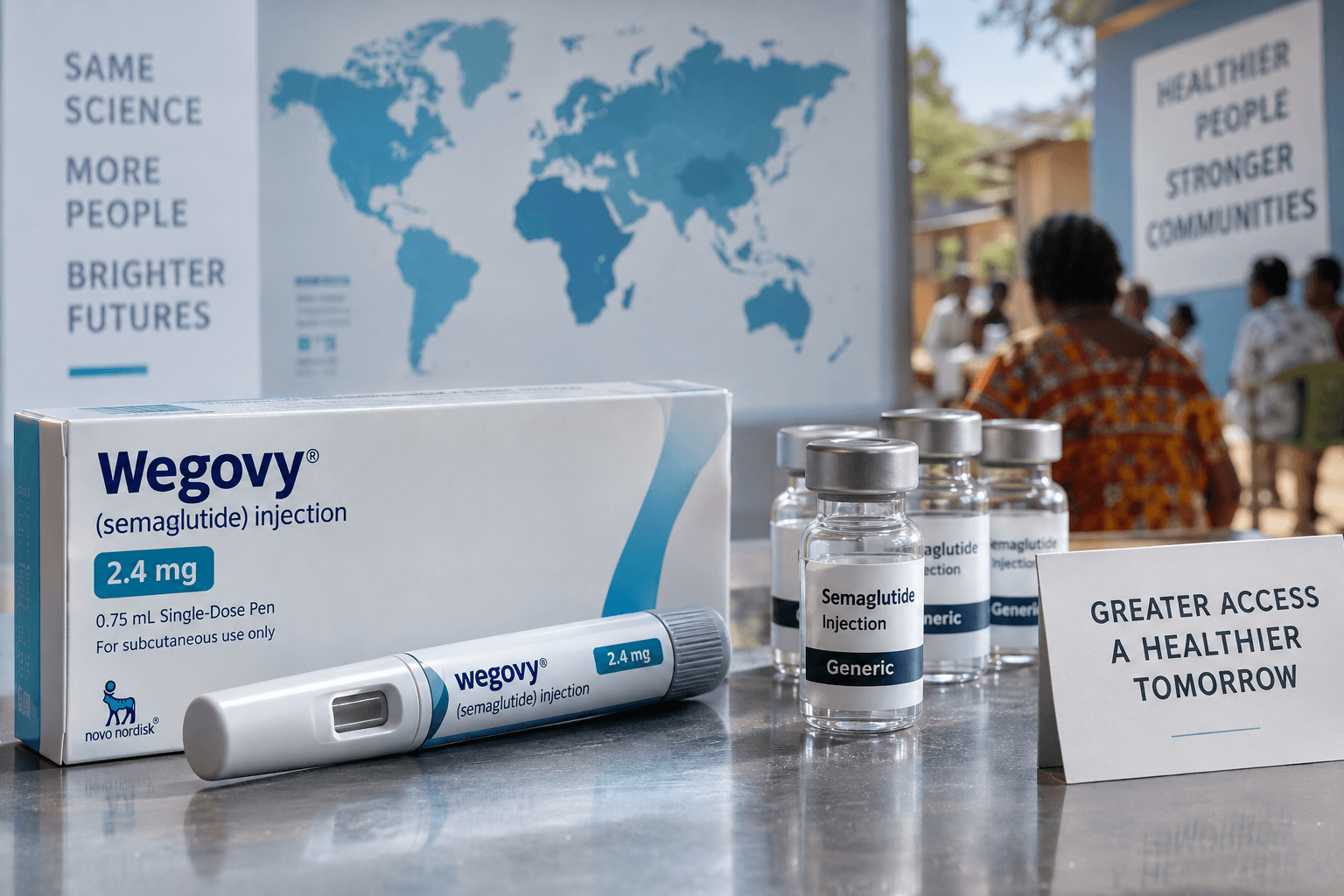
Lower-cost generic versions of semaglutide, the drug sold as Wegovy by Novo Nordisk for obesity, have begun reaching some countries and will soon arrive in others. At the same time, drugmakers are racing to develop newer GLP-1 medicines that are forecast to be more effective, cause fewer side effects and be easier to administer. London School of Economics professor Ken Shadlen, who studies the politics of pharmaceutical and health regulation, warns that obesity medications could become the next major battleground over access to medicines in lower-income countries. The shifts could put weight-loss treatment within reach of more people, but the path to access is far from settled.

Hundreds of English Children Prescribed Weight-Loss Jabs, Figures Show

Hundreds of English Children Prescribed Weight-Loss Jabs, Figures Show

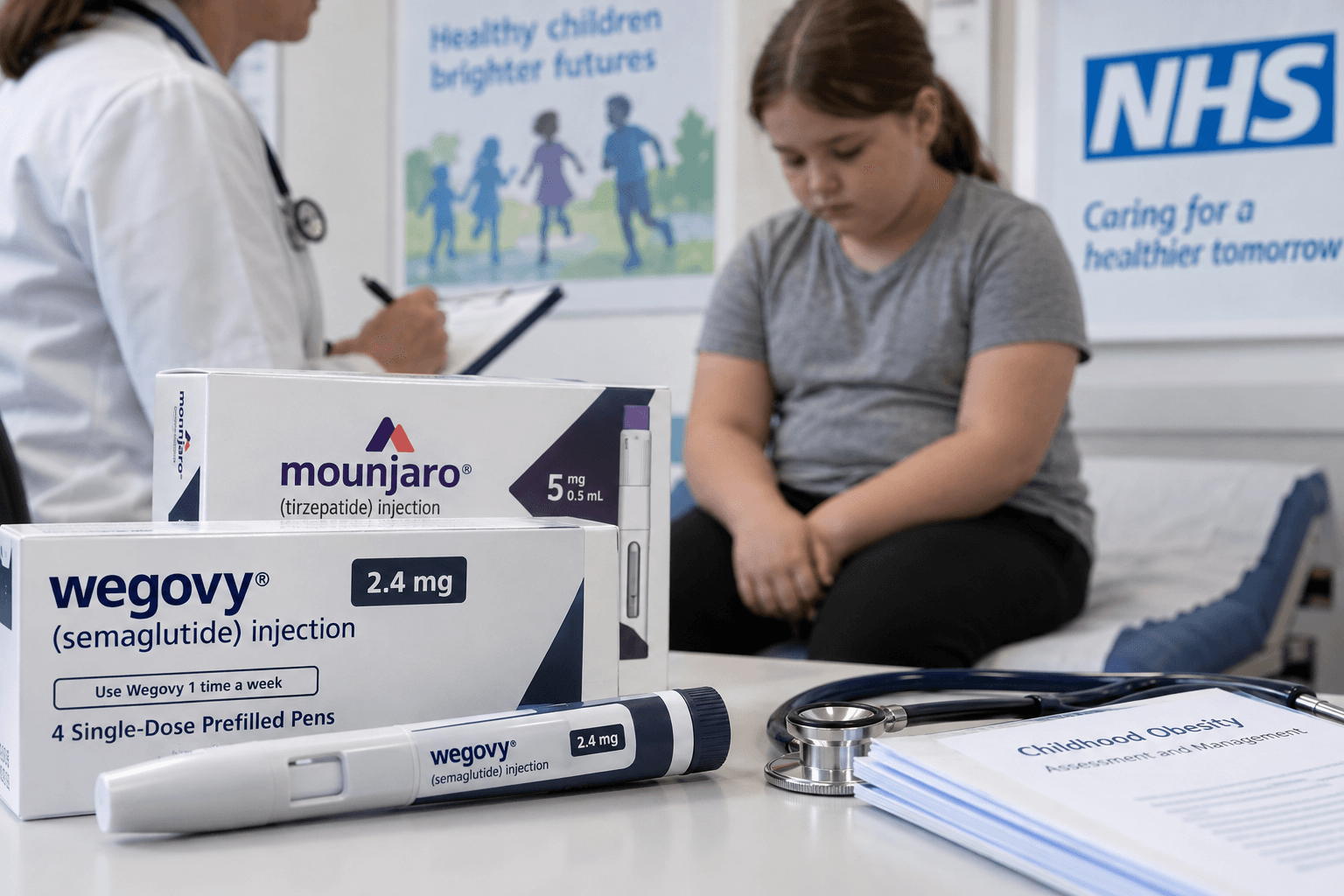
Hundreds of children in England are receiving prescriptions for GLP-1 medications, including some under 12, according to a Guardian investigation of NHS prescribing data. In the 2025-26 financial year, 419 prescriptions were issued to under-18s, 10 of them to children under 12. Experts say the figures likely understate the true total, and they stress that children who start these drugs need specialist supervision and long-term monitoring. The findings come as childhood obesity rates continue to rise and as new global guidance advises against giving obesity medications to children under 10.

Why Community Pharmacies May Be the Key to Staying on GLP-1 Medications

Why Community Pharmacies May Be the Key to Staying on GLP-1 Medications

A new Milken Institute report, released alongside survey research, argues that community pharmacies can play a central role in helping patients stay on GLP-1 medications. Real-world data cited in the report indicates that roughly 47% to 68% of people stop treatment within the first year, and nearly three in four GLP-1 users say more time with a pharmacist would improve their experience and results. The report points to side effects during dose changes, prior authorization hurdles, and out-of-pocket costs as common reasons patients abandon therapy. It also highlights pharmacy-led check-ins, navigation support, and clearer reimbursement pathways as practical steps that could help patients and pharmacy teams stay on track over the long term.

Former Eli Lilly Rep Says She Was Fired After Objecting to Mounjaro Marketing

Former Eli Lilly Rep Says She Was Fired After Objecting to Mounjaro Marketing

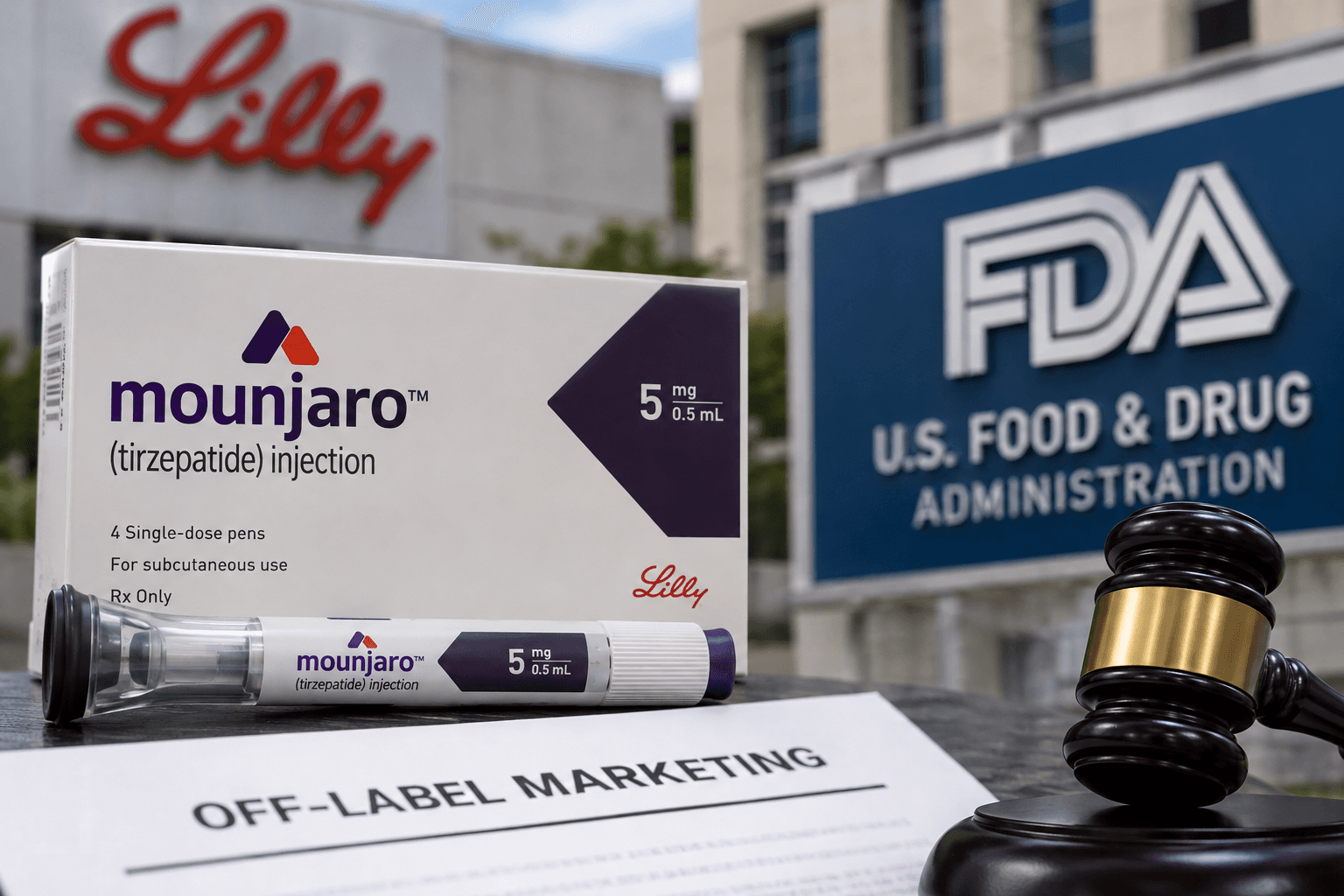
A former Eli Lilly sales representative has filed a federal lawsuit in Texas alleging she was fired after complaining that the company promoted its Mounjaro diabetes drug for weight loss before the Food and Drug Administration had approved that use. Jennifer Mansion, who was hired as a senior territory manager in Dallas four years ago, says she saw other Lilly reps pitch the drug as a treatment for obesity. She also alleges a physician touted Mounjaro as a weight loss option at a luncheon sponsored by the drugmaker. The case raises questions about off-label marketing, which federal rules prohibit drugmakers from doing for unapproved uses.

FDA Requires New Vision Loss Warning on All GLP-1 Drugs

FDA Requires New Vision Loss Warning on All GLP-1 Drugs

The U.S. Food and Drug Administration is requiring manufacturers of all GLP-1 receptor agonist medications to add a warning about a potential increased risk of non-arteritic anterior ischemic optic neuropathy (NAION), a rare condition that can cause painless vision loss in one eye and can be permanent. The agency's review included a meta-analysis of 126 clinical trials and a retrospective cohort study. Its findings showed a higher incidence of NAION among patients taking GLP-1 drugs than among those receiving comparator treatments, though the absolute numbers remain small. Health care providers are advised to watch for sudden vision changes and to refer suspected cases to an ophthalmologist.

Retatrutide Is One Click Away, but That Does Not Make It Safe

Retatrutide Is One Click Away, but That Does Not Make It Safe

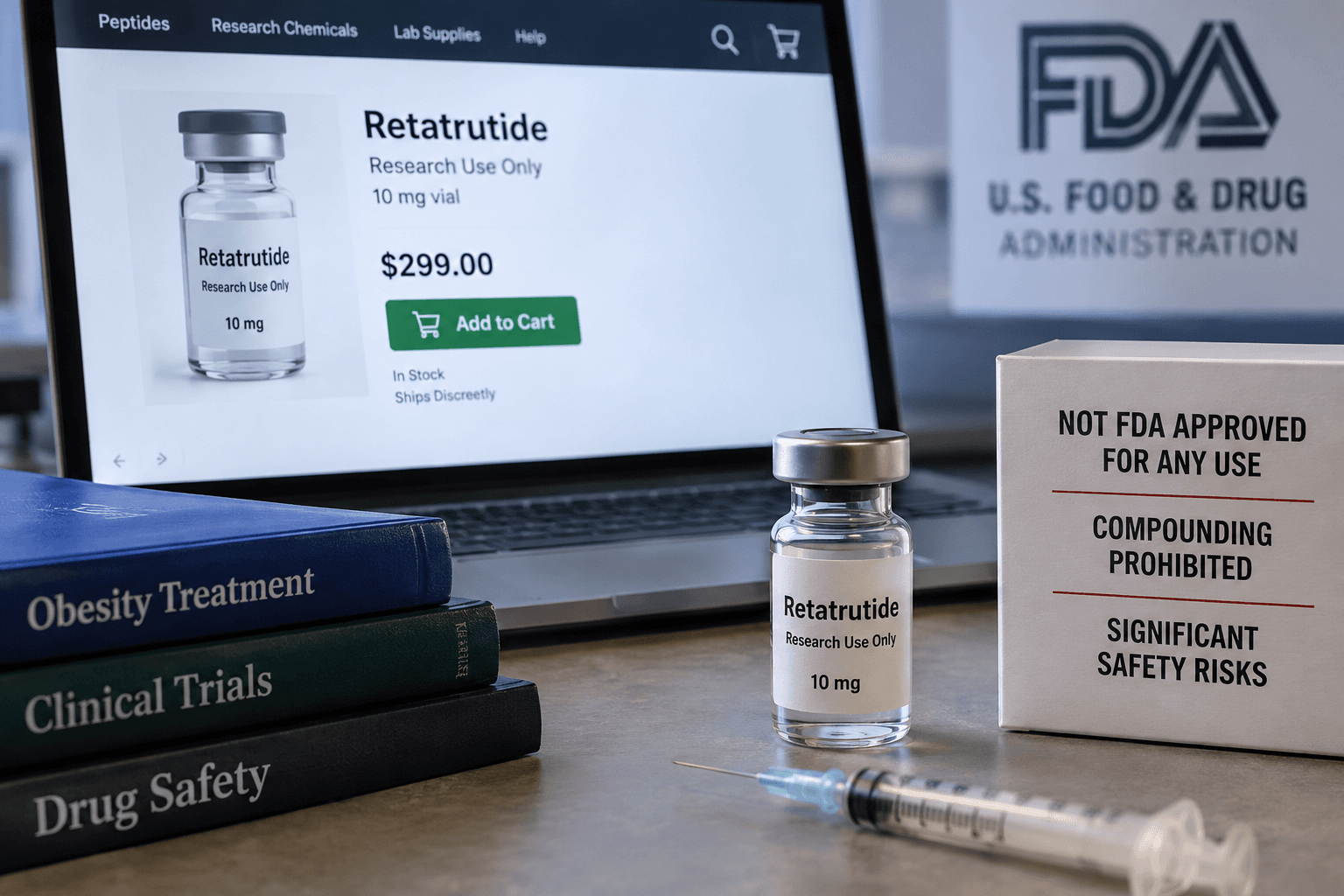
Retatrutide, an investigational weight-loss and diabetes drug, is being sold online as a “research” product even though it has no FDA approval for any use. Federal regulators say federal law does not permit it to be compounded or sold, and clinicians warn that gray-market vials may contain the wrong dose, impurities, or no retatrutide at all. Promising trial data on the approved-for-study molecule do not establish that online products are safe or effective.

GLP-1 Medications Compared With Metformin for Prediabetes: What the Study Found

GLP-1 Medications Compared With Metformin for Prediabetes: What the Study Found

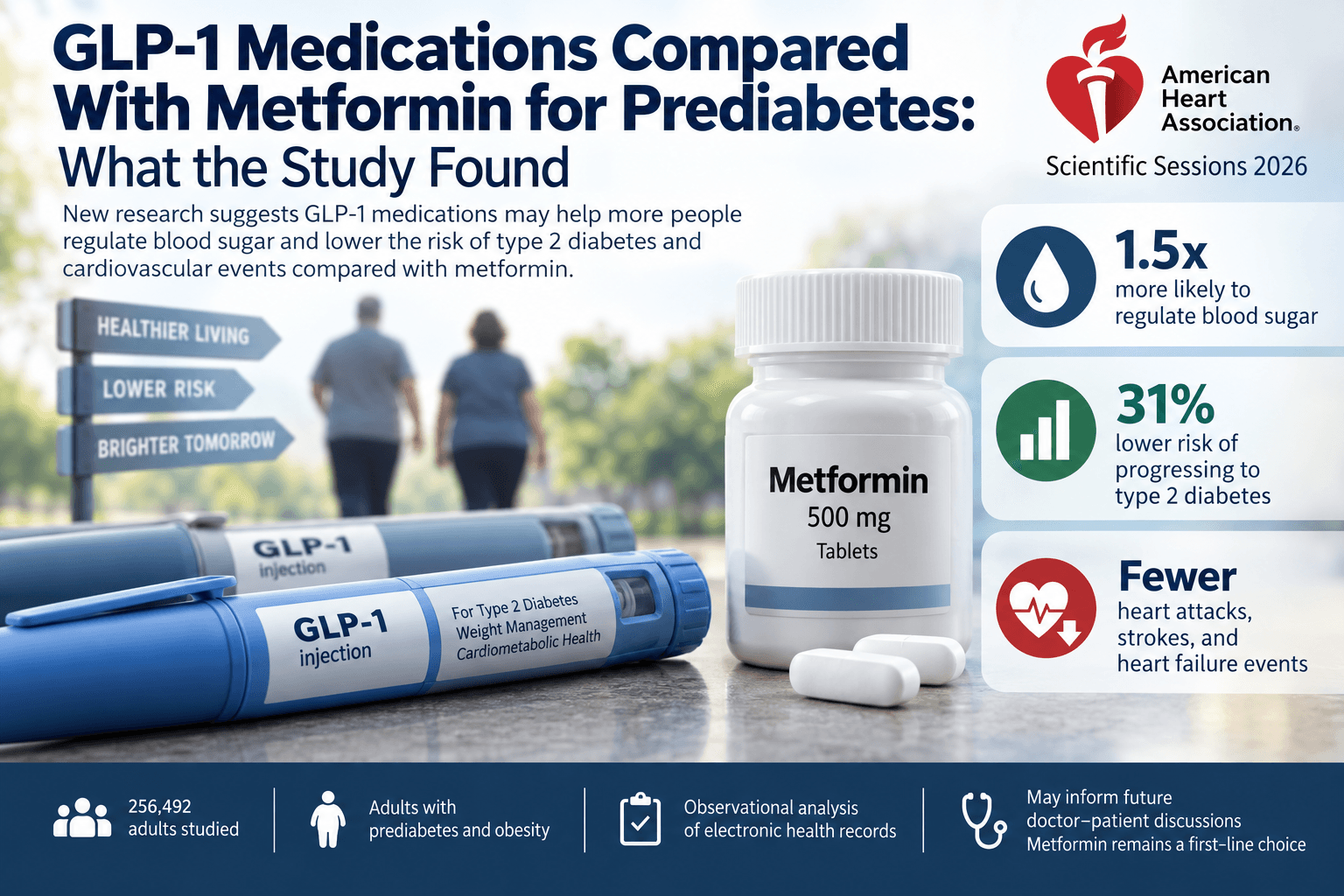
A study presented at the American Heart Association Scientific Sessions 2026 found that adults with prediabetes and obesity who took a GLP-1 medication were about 1.5 times more likely than those on metformin to regulate their blood sugar. They also had a 31% lower risk of progressing to type 2 diabetes. The observational analysis reviewed electronic health records from 256,492 adults and reported fewer heart attacks, strokes, and heart failure events among GLP-1 users. Researchers say the results could shape conversations between doctors and patients about treatment options, though metformin remains a first-line choice.

Weight-Loss Incretin Drug Linked to More Regular Periods

Weight-Loss Incretin Drug Linked to More Regular Periods

A combined GLP-1/GIP receptor agonist was associated with more regular menstrual cycles in a prospective cohort study presented at the American Society for Reproductive Medicine annual meeting. Women taking the combination drug saw their cycle length shorten by an average of 2.5 days, compared with 0.4 days for GLP-1 users and 0.8 days for never-users. The effect was most pronounced among women with polyendocrine metabolic ovarian syndrome, formerly known as polycystic ovary syndrome. Researchers at the Harvard T.H. Chan School of Public Health led the analysis of data from more than 70,000 logged cycles. The team says the findings could help drugmakers explore new ways to support ovulation.

RFK Jr. Eases Access to Unproven Peptides Over FDA Staff Objections

RFK Jr. Eases Access to Unproven Peptides Over FDA Staff Objections

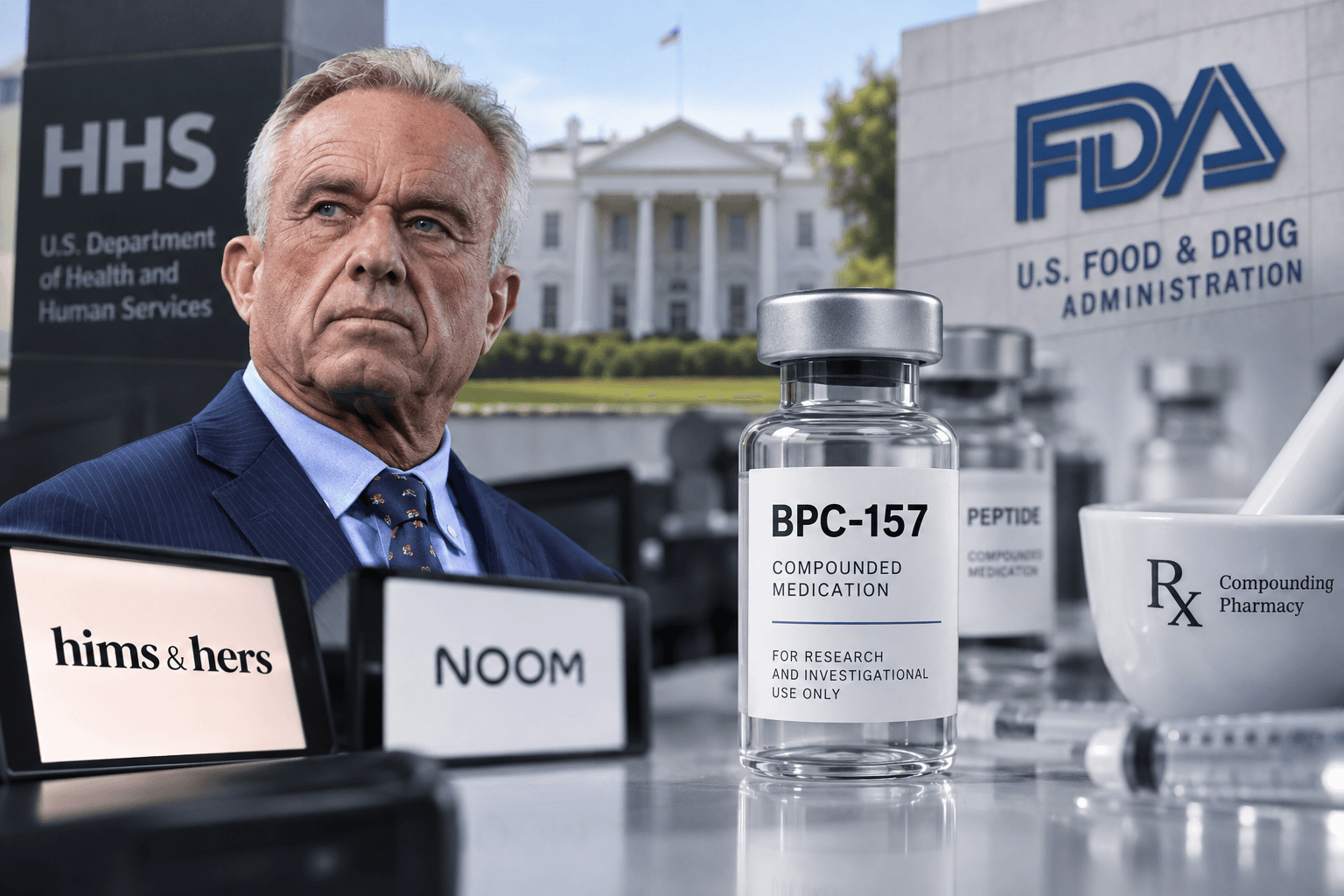
The Trump administration on Wednesday moved to loosen access to unproven peptide drugs favored by Health Secretary Robert F. Kennedy Jr. The new policy, posted by the Department of Health and Human Services, directs the FDA not to act against specialty pharmacies that sell six wellness peptides, including BPC-157 and TB-500. Six people familiar with the decision said FDA scientific staffers had little input and opposed the changes. Critics warn the move could undermine the agency's long-standing effort to keep unproven products off the U.S. market, while supporters call it a step toward patient choice.

A Court Ruling on GLP-1 Ads, a Weekly Insulin for Kids, and Other Health Stories to Know

A Court Ruling on GLP-1 Ads, a Weekly Insulin for Kids, and Other Health Stories to Know

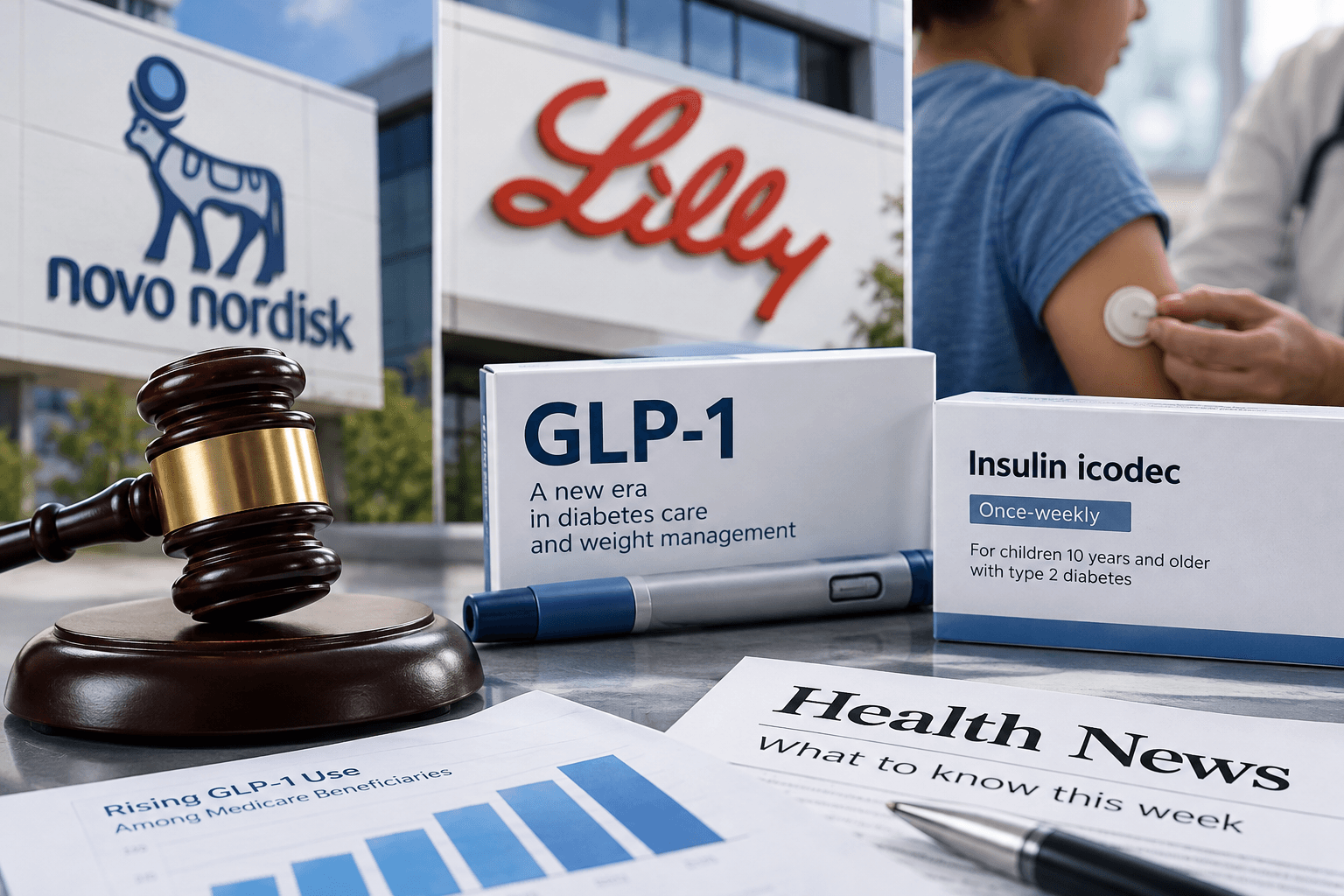
A U.S. judge rejected Novo Nordisk's request to temporarily block Eli Lilly from running ads claiming its weight-loss and diabetes drugs are more powerful. The same week, the FDA expanded approval for a once-weekly insulin for children ages 10 and older with type 2 diabetes. Studies also showed endocrinologists prescribing newer diabetes drugs more often and GLP-1 use among Medicare beneficiaries rising sharply. Here is a friendly rundown of what changed, what it means, and what to keep in mind.

Pharmacists Must Guide Peptide Patients as FDA Weighs Compounding Rules

Pharmacists Must Guide Peptide Patients as FDA Weighs Compounding Rules

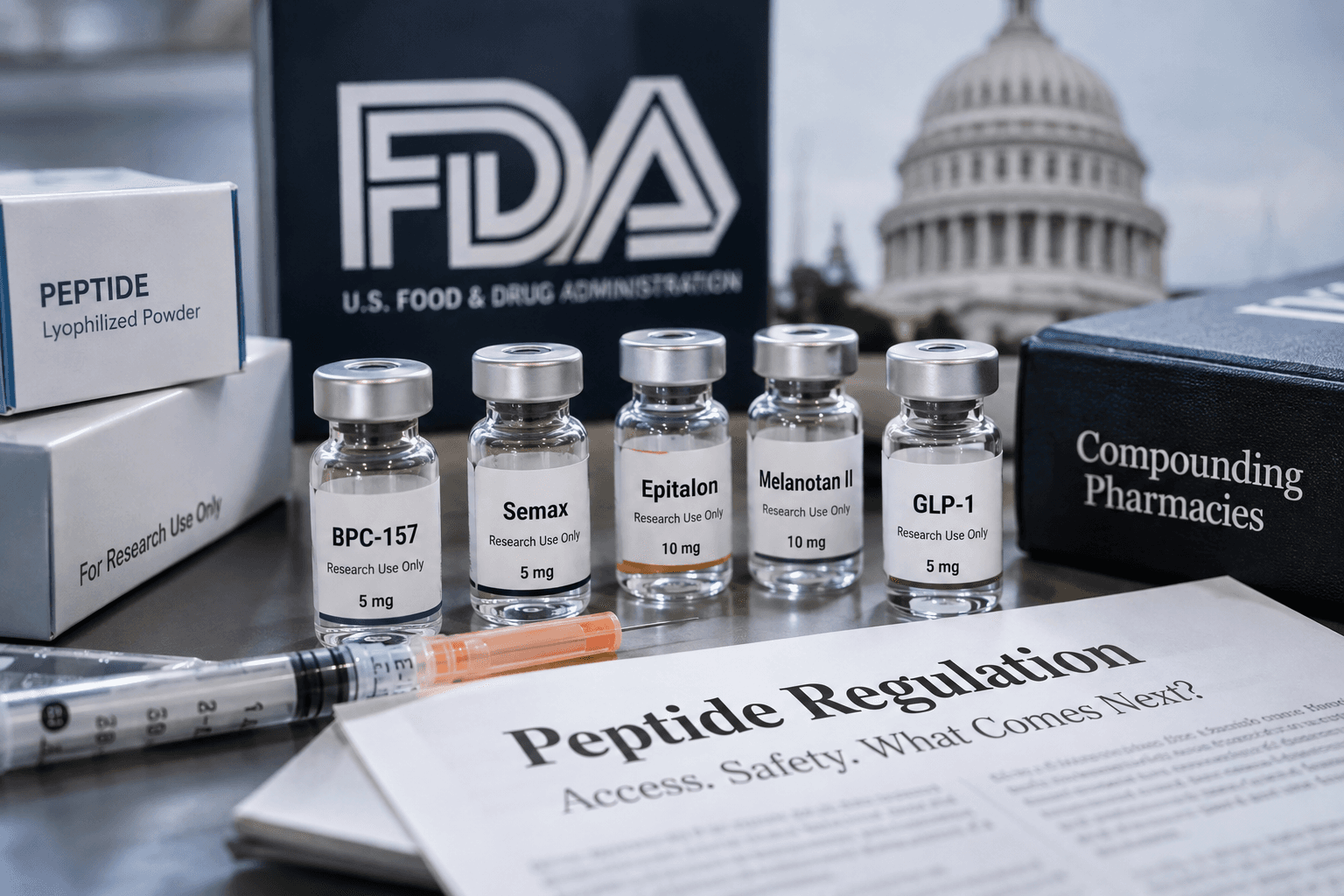
Pharmacists face growing patient questions about peptides, even as an FDA advisory panel recommended six unapproved peptides for inclusion on the Section 503A bulks list. Matt Martin, PharmD, BCSCP, vice president of clinical services at PCCA, told attendees at NCPA 2026 that advisory votes do not authorize compounding. Until the FDA completes formal rulemaking or places these substances on an interim Category 1 list, compounding them remains technically unlawful. Martin said pharmacists must also warn patients about the quality risks of “research use only” products sold online.

CagriSema Shows Weight Loss Across Menopause Stages, Including Women on Hormone Therapy

CagriSema Shows Weight Loss Across Menopause Stages, Including Women on Hormone Therapy

New data from a post-hoc analysis of Novo Nordisk's REDEFINE 1 trial suggest that the investigational combination CagriSema produced clinically meaningful weight loss in women at every menopause stage studied, including those using hormone therapy. Presented at The Menopause Society's 2026 Annual Meeting, the analysis of 1,902 women found mean reductions of 23.1% to 26.7% over 68 weeks, along with improvements in blood pressure, fasting glucose, and triglycerides. The findings are investigational and come from a post-hoc analysis, so they do not establish how the drug will perform in practice. An FDA decision is anticipated in late 2026, and pharmacists are expected to play a key role in counseling patients.

Gray-Market Peptides Are Everywhere. Here's What You Should Know.

Gray-Market Peptides Are Everywhere. Here's What You Should Know.

Injectable peptides have moved from quiet laboratory research into wellness clinics, influencer videos, and biohacker forums. Many are sold through gray-market supply chains with little human safety data. Health Secretary Kennedy has pushed to restore access to peptides the FDA had restricted, and an FDA committee he reshaped has recommended letting six of them back into legal production through compounding pharmacies. Critics, including FDA scientists, warn that the products are often untested and inconsistently made. This guide walks through what peptides are, why the products are so popular, the risks researchers have flagged, and how the regulatory fight developed.

Peptide ETFs Multiply as Wall Street Chases the Wellness Trend

Peptide ETFs Multiply as Wall Street Chases the Wellness Trend

REX Shares recently launched the REX Peptide ETF (PEPT), a fund holding companies that develop and manufacture peptide products, including GLP-1 drugs. Eli Lilly and Novo Nordisk are among its holdings. AdvisorShares has filed for a competing fund, the Peptide and Human Enhancement ETF. Other firms are also building wellness-themed funds, but investor money has not yet kept pace with the buzz. Some funds have seen outflows, and analysts say the sector's appeal may depend on timing and the broader market.

Low T in Army Men, GLP-1 Blood Pressure Data and Retatrutide Side Effects Make the News

Low T in Army Men, GLP-1 Blood Pressure Data and Retatrutide Side Effects Make the News

A new round of health research points to a wide range of hormone and metabolic findings. Roughly a quarter of active-duty U.S. Army men had a morning testosterone level under 300 ng/dL, a common cutoff for low testosterone. A CDC report found nearly half of American women ages 40 to 60 reported menopausal symptoms in 2025, and 15.6% of them took prescription medication for those symptoms. Separate studies linked GLP-1 drugs to blood pressure drops and early anti-aging signals. Novo Nordisk reported weight-loss results in women, and Walmart said it will cover over 250 prescription drugs, including some GLP-1 drugs for diabetes, for employees in 2027. An analysis of Reddit posts also cataloged side effects reported by users of the unapproved weight-loss drug retatrutide.

HHS Moves Ahead With Plan to Let Pharmacies Compound Popular Peptides

HHS Moves Ahead With Plan to Let Pharmacies Compound Popular Peptides

The Trump administration has sent an "interim access policy" for peptides to the White House for review, a step that would let specialty pharmacies compound certain widely used peptides. The peptides, including BPC-157, have gained popularity among followers of Health Secretary Robert F. Kennedy Jr. and wellness influencers, but they have not gone through the FDA's standard approval process, and most of the available data comes from animal studies. An FDA advisory panel recommended lifting restrictions on six of seven peptides in July, a recommendation that ran counter to the conclusions of the agency's own scientists. The policy's exact terms have not been published, and formal rulemaking could take years.