GLP-1 Side Effects Draw Scrutiny as Measles and Ebola Cases Climb
The Washington Post is examining the rare but serious side effects linked to GLP-1 receptor agonists, including ischemic optic neuropathy, gallstones and pancreatitis. The health news roundup also covers a new HIPAA rule requiring providers to answer health data requests within 15 days, an NIH leadership appointment, and an FDA nominee the White House is reportedly weighing dropping. Measles cases continue to rise in the U.S., and Ebola is hitting children hard in the Congo, according to UNICEF.
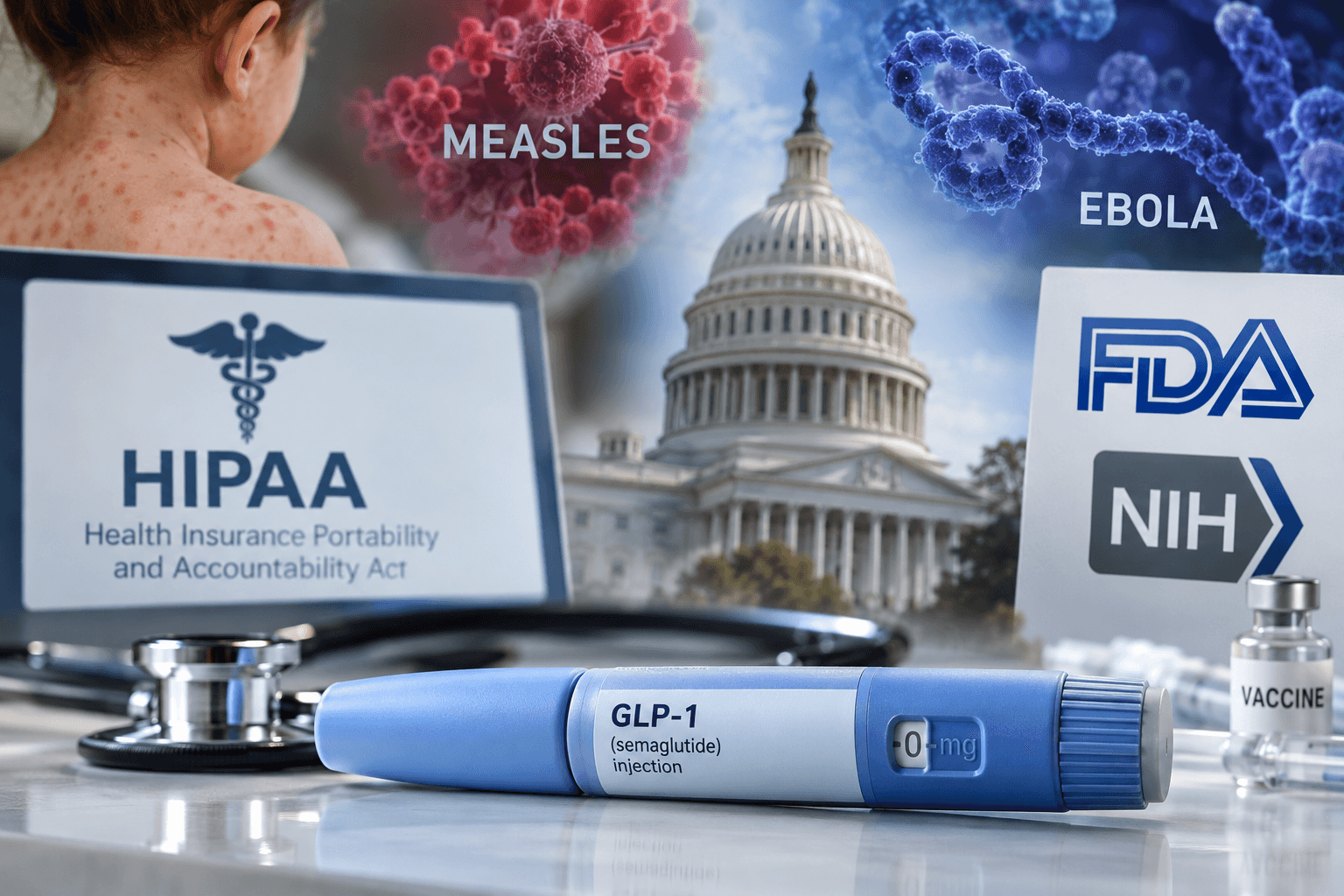
- The Washington Post reports rare but serious side effects linked to GLP-1 receptor agonists, including gallstones and pancreatitis.
- HHS finalized HIPAA changes requiring providers to respond to health data requests within 15 days.
- John Powers III, MD, named permanent director of the National Institute of Allergy and Infectious Diseases.
- The White House is reportedly weighing whether to abandon FDA nominee Heidi Overton, MD, PhD.
- A federal judge struck down a rule limiting student visas to four years.
- The Supreme Court declined to hear a challenge to California's implicit bias training requirement for doctors.
- The U.S. reported 334 new measles cases in the past week.
- Children make up about 28% of Ebola cases but 35% of deaths in the Congo, according to UNICEF.
- The FDA approved Igalmi for at-home use and cleared MiniMed's tubeless insulin pump for ages 7 and up.
The Washington Post is examining rare but serious side effects linked to GLP-1 receptor agonists, including ischemic optic neuropathy, gastroparesis and pancreatitis. The same week, the U.S. reported 334 new measles cases and Ebola kept spreading fast in Congo, where children are hit especially hard.
What are the side effects of GLP-1 drugs?
The Washington Post is taking a hard look at the rare but serious side effects linked to GLP-1 receptor agonists such as semaglutide. The list is long. It includes ischemic optic neuropathy, gastroparesis, thyroid C-cell tumors, gallstones and pancreatitis.
It was a busy week across health policy, drugs and public health. Here is what else you need to know.
Rule changes, appointments and a nomination in limbo
HHS announced finalized changes to the Health Insurance Portability and Accountability Act (HIPAA). The rule requires medical providers to respond to health data requests within 15 days.
At the National Institutes of Health, John Powers III, MD, became the permanent director of the National Institute of Allergy and Infectious Diseases. He had served as acting director since June.
The White House is weighing whether to abandon President Trump's FDA nominee, Heidi Overton, MD, PhD, according to people familiar with the discussions. The Washington Post first reported the deliberations.
Courts weigh in on visas and medical training
A federal judge threw out a Trump administration rule that would have set four-year limits on student visas. The rule would have affected foreign researchers. Politico reported the ruling.
The U.S. Supreme Court declined to hear a challenge to California's requirement that doctors renewing their medical licenses be taught about implicit bias. The decision leaves the requirement in place.
In Texas, the rate of women dying from pregnancy or childbirth has dropped to pre-pandemic levels. Mental health issues have become the leading cause of those deaths. Black mothers, however, continue to die at higher rates than others, according to a new report from the Texas Tribune, distributed by AP.
Measles and Ebola
How many measles cases were reported in the U.S. recently?
The U.S. reported 334 new measles cases in the past week, according to the Yale School of Public Health. Experts say the country needs a sustained and beefed-up vaccination effort to help restore its measles elimination status, according to Reuters.
How is the Ebola outbreak affecting children in Congo?
Ebola is spreading fast in the Congo. Children have been hit especially hard. They make up about 28% of cases but 35% of deaths, according to a UNICEF report.
Drugs and devices also made news. The FDA approved dexmedetomidine sublingual film (Igalmi) for at-home use. It treats agitation associated with schizophrenia, schizoaffective disorder, and bipolar I or II disorder, according to maker Teva Pharmaceuticals.
The agency also cleared MiniMed's tubeless insulin pump, the MiniMed Fit. It is approved for people with type 1 or type 2 diabetes who are 7 years and older, the company said.
The FDA also proposed a rule that would again allow N-acetyl-L-cysteine (NAC) to be marketed as a dietary supplement. The agency had been excluding it for years. As recently as 2000, the FDA sent warning letters to companies marketing NAC as a hangover cure, according to Medical Daily.
Hospitals faced scrutiny too. More than half of nonprofit hospitals did not spend as much on community benefits as the value of their tax exemptions, according to a Lown Institute report.
Caregiving is also a growing burden. Nearly 1 in 5 adults surveyed in 2025 said they had been a caregiver for a loved one with a health issue over the last month. Women made up a higher share than men, at 20.8% versus 15.7%, according to a National Center for Health Statistics report.
Health Secretary Robert F. Kennedy Jr. wants faith-based addiction recovery programs to more easily receive federal funding, according to STAT.
Finally, Irish boxer Lee Reeves died at age 31. He had been in a medically induced coma since a brain injury during a fight. He died three months later, according to People.
FAQ
- What are the side effects of GLP-1 drugs?
- The story lists ischemic optic neuropathy, gastroparesis, thyroid C-cell tumors, gallstones and pancreatitis as rare but serious side effects linked to GLP-1 receptor agonists.
- How many measles cases were reported in the U.S. recently?
- The U.S. reported 334 new measles cases in the past week, according to the Yale School of Public Health.
- How much of the Ebola outbreak in Congo involves children?
- Children make up about 28% of Ebola cases in Congo but 35% of deaths, according to a UNICEF report.
Read next
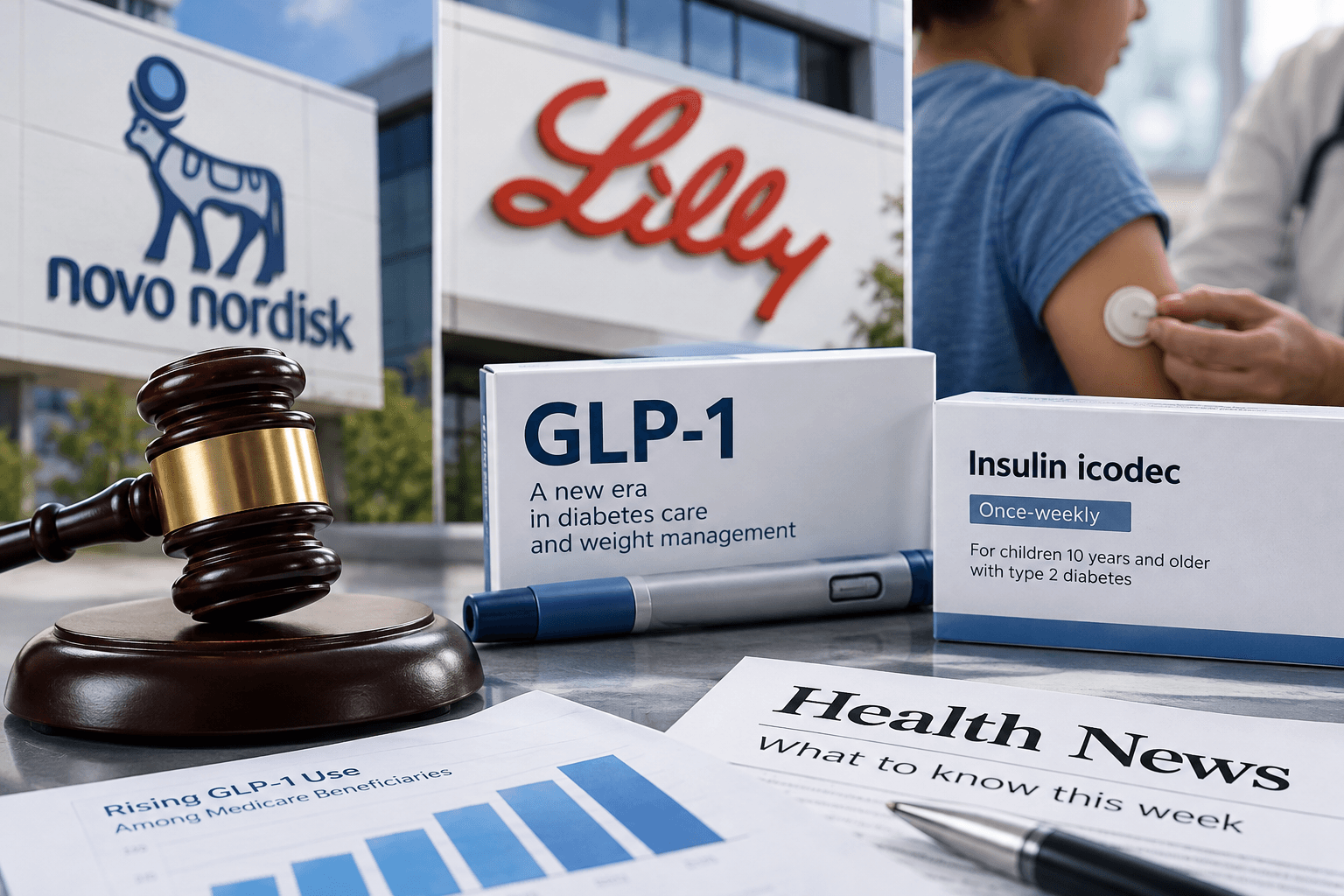
A Court Ruling on GLP-1 Ads, a Weekly Insulin for Kids, and Other Health Stories to Know
A U.S. judge rejected Novo Nordisk's request to temporarily block Eli Lilly from running ads claiming its weight-loss and diabetes drugs are more powerful. The same week, the FDA expanded approval for a once-weekly insulin for children ages 10 and older with type 2 diabetes. Studies also showed endocrinologists prescribing newer diabetes drugs more often and GLP-1 use among Medicare beneficiaries rising sharply. Here is a friendly rundown of what changed, what it means, and what to keep in mind.

GLP-1 Drug Linked to Dangerous Lithium Spike, While MS Study Finds Fewer Relapses
A case report describes a 50-year-old woman with bipolar disorder whose lithium levels rose to toxic range after she started tirzepatide (Zepbound), a GLP-1 weight loss drug. Her symptoms eased after her lithium dose was lowered. Separately, a large U.S. real-world study presented at MSToronto2026 found that multiple sclerosis patients taking GLP-1 receptor agonists had fewer relapses, optic neuritis episodes and demyelinating events than patients who did not take them. Researchers say the findings are early and call for more investigation into both the interaction risk and the potential benefits.
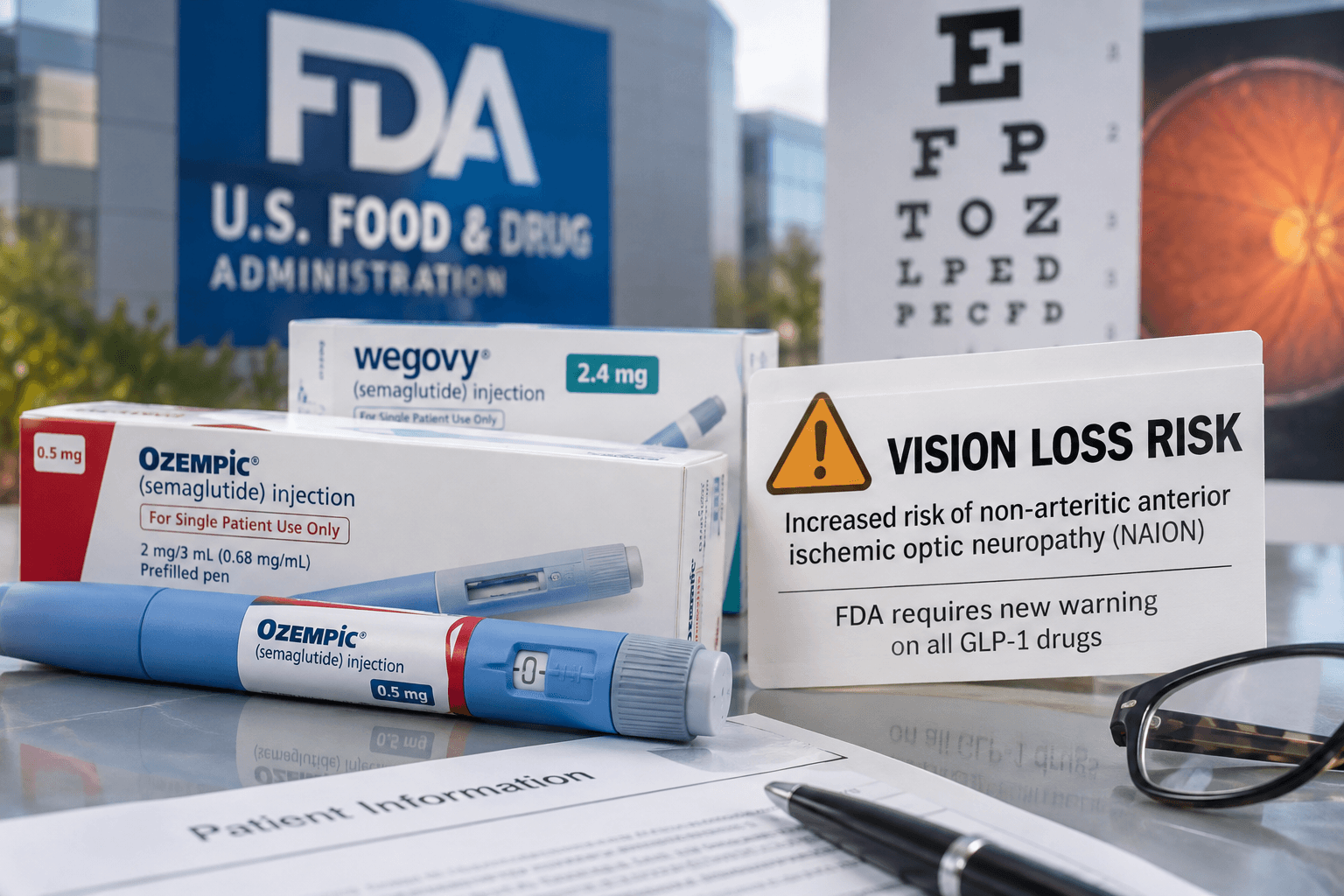
FDA Requires New Vision Loss Warning on All GLP-1 Drugs
The U.S. Food and Drug Administration is requiring manufacturers of all GLP-1 receptor agonist medications to add a warning about a potential increased risk of non-arteritic anterior ischemic optic neuropathy (NAION), a rare condition that can cause painless vision loss in one eye and can be permanent. The agency's review included a meta-analysis of 126 clinical trials and a retrospective cohort study. Its findings showed a higher incidence of NAION among patients taking GLP-1 drugs than among those receiving comparator treatments, though the absolute numbers remain small. Health care providers are advised to watch for sudden vision changes and to refer suspected cases to an ophthalmologist.
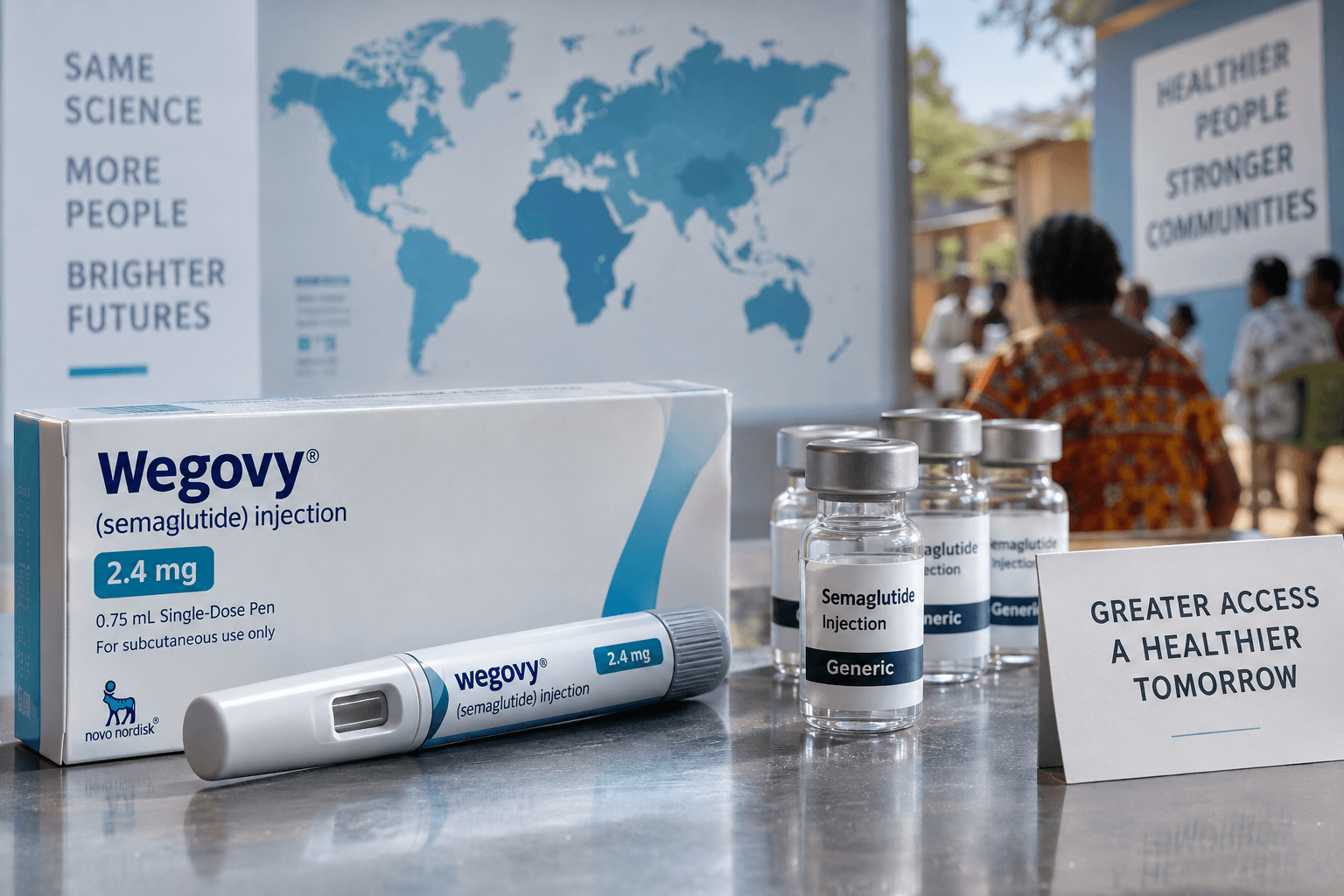
Cheaper GLP-1 Generics Arrive, and a Global Access Fight May Follow
Lower-cost generic versions of semaglutide, the drug sold as Wegovy by Novo Nordisk for obesity, have begun reaching some countries and will soon arrive in others. At the same time, drugmakers are racing to develop newer GLP-1 medicines that are forecast to be more effective, cause fewer side effects and be easier to administer. London School of Economics professor Ken Shadlen, who studies the politics of pharmaceutical and health regulation, warns that obesity medications could become the next major battleground over access to medicines in lower-income countries. The shifts could put weight-loss treatment within reach of more people, but the path to access is far from settled.

GLP-1 Drugs Do Not Change Injection Needs for Diabetic Macular Edema, Study Finds
GLP-1 receptor agonists did not significantly change how often patients with diabetic macular edema needed anti-VEGF injections, according to a large retrospective cohort study presented at the American Academy of Ophthalmology meeting in New Orleans. Over 24 months of follow-up, treatment frequency showed no sustained or progressive change after patients started a GLP-1 drug, compared with matched patients who did not. Visual acuity and retinal thickness also held steady. Researchers said the results are reassuring amid ongoing uncertainty about the drugs' eye safety, though they cautioned that more research is needed.