GLP-1 Drug Linked to Dangerous Lithium Spike, While MS Study Finds Fewer Relapses
A case report describes a 50-year-old woman with bipolar disorder whose lithium levels rose to toxic range after she started tirzepatide (Zepbound), a GLP-1 weight loss drug. Her symptoms eased after her lithium dose was lowered. Separately, a large U.S. real-world study presented at MSToronto2026 found that multiple sclerosis patients taking GLP-1 receptor agonists had fewer relapses, optic neuritis episodes and demyelinating events than patients who did not take them. Researchers say the findings are early and call for more investigation into both the interaction risk and the potential benefits.

A 50-year-old woman with bipolar disorder developed tremor, slurred speech and blurred vision after starting tirzepatide (Zepbound), a GLP-1 drug. Her serum lithium rose from 0.7 to 1.2 mmol/L, and cutting her lithium dose resolved symptoms, pointing to a probable drug interaction.
Do GLP-1 drugs reduce multiple sclerosis relapses?
Two new reports put GLP-1 drugs in the spotlight. One describes a possible drug interaction that pushed lithium to dangerous levels. The other links the drug class to fewer relapses in people with multiple sclerosis.
A lithium warning for bipolar patients
A 50-year-old woman with bipolar disorder came to her psychiatrist with new tremor in both hands, slurred speech and blurred vision. Three weeks earlier, she had started tirzepatide (Zepbound), a dual GIP/GLP-1 receptor agonist.
Can tirzepatide raise lithium levels?
Her serum lithium level had climbed from 0.7 to 1.2 mmol/L. Reducing her lithium dose resolved the symptoms, pointing to a probable drug interaction. Jay Davis, MD, of the University of Colorado Anschutz Medical Campus, and colleagues described the case in the Journal of Clinical Psychopharmacology.
It is the fourth reported case of tirzepatide-associated lithium toxicity. The mechanism remains unclear. The favored explanation is increased fractional reabsorption of lithium due to reduced oral intake. The patient said she had been eating smaller meals and feeling full sooner, with some bloating since starting the drug.
\
FAQ
- Can tirzepatide raise lithium levels?
- In one reported case, a patient's serum lithium rose from 0.7 to 1.2 mmol/L after starting tirzepatide, and reducing the lithium dose resolved her symptoms, pointing to a probable drug interaction.
- What is the suspected cause of the lithium increase?
- The mechanism remains unclear. The favored explanation is increased fractional reabsorption of lithium due to reduced oral intake.
- Does a GLP-1 drug reduce multiple sclerosis relapses?
- A separate report links the drug class to fewer relapses in people with multiple sclerosis.
Read next
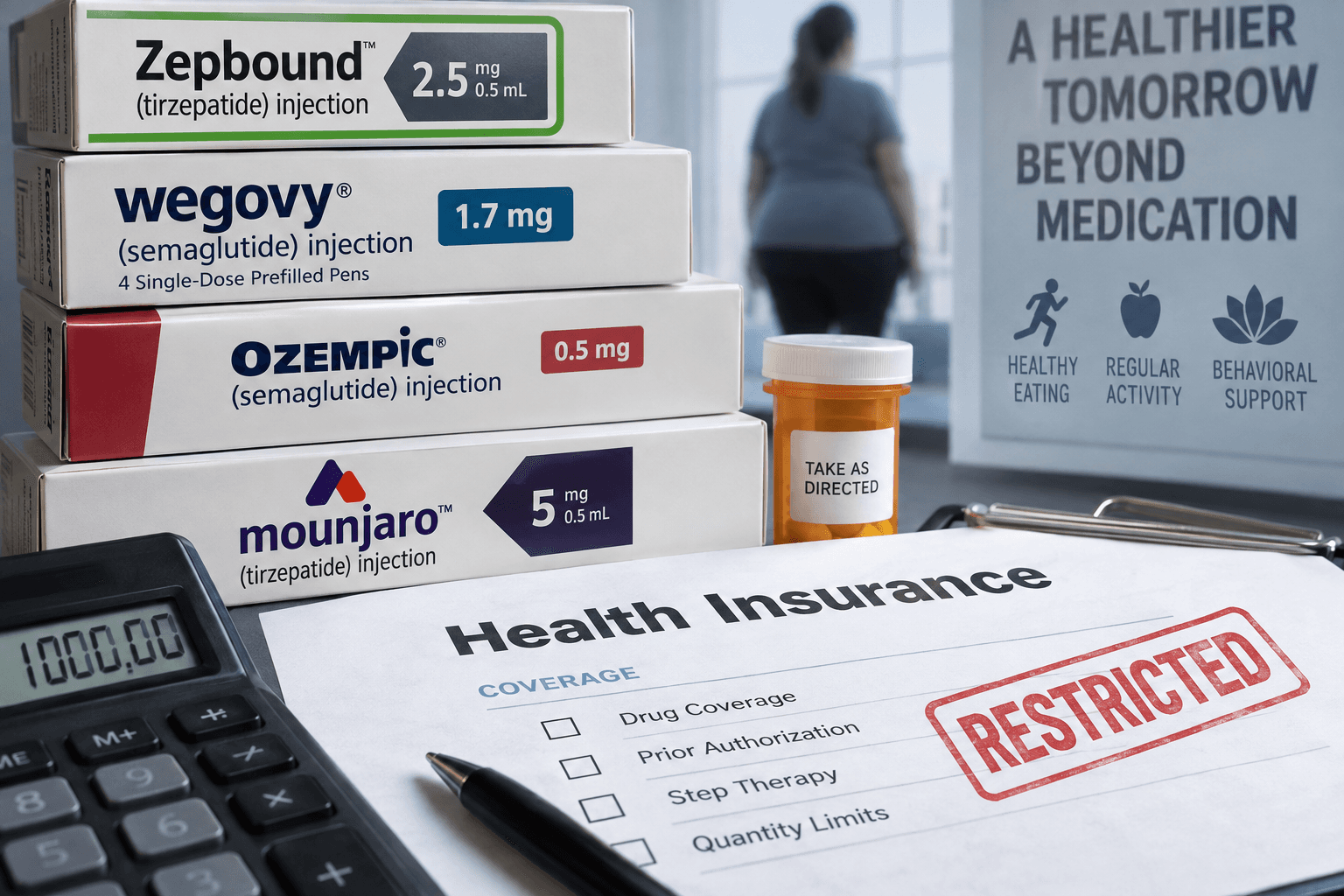
Insurers Struggle with Soaring GLP-1 Drug Costs, Seek to Wean Patients Off
With list prices of roughly $1,000 a month, public and private payers are struggling to keep up with ballooning demand for GLP-1 weight loss drugs, leading some to restrict coverage or explore 'deprescription' to taper patients off the medication.
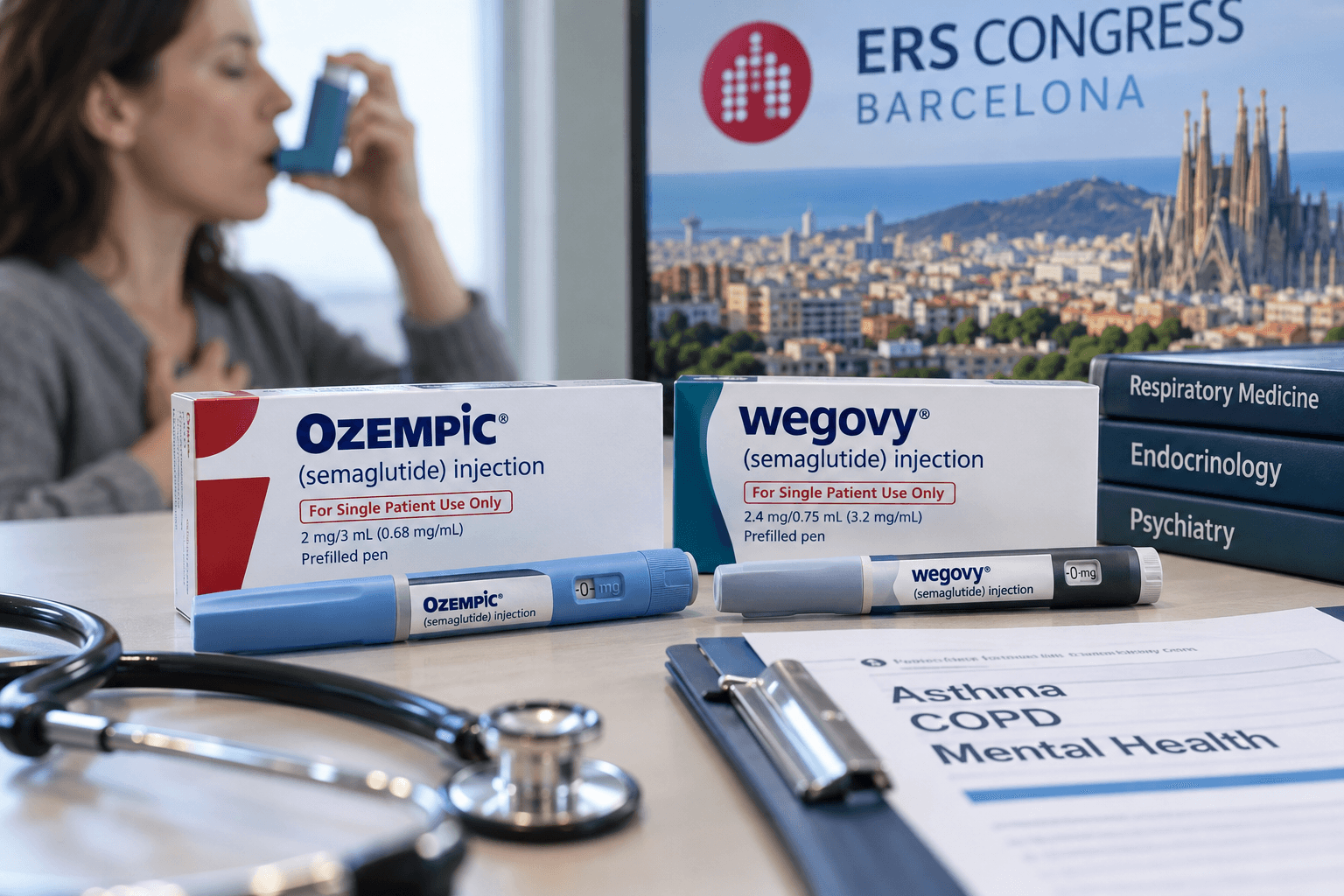
Semaglutide and Fewer Asthma Attacks: What the New Data Shows
A large real-world study presented at the ERS Congress in Barcelona found that people with asthma who started semaglutide, sold as Ozempic and Wegovy, had nearly 40% fewer asthma attacks than similar patients on a different diabetes medication. Researchers also reported lower COPD flare-ups and a possible link to fewer psychiatric hospitalizations. The findings are observational, and the researchers say they should not change how GLP-1 drugs are prescribed until clinical trials confirm them.

GLP-1 Drugs Do Not Change Injection Needs for Diabetic Macular Edema, Study Finds
GLP-1 receptor agonists did not significantly change how often patients with diabetic macular edema needed anti-VEGF injections, according to a large retrospective cohort study presented at the American Academy of Ophthalmology meeting in New Orleans. Over 24 months of follow-up, treatment frequency showed no sustained or progressive change after patients started a GLP-1 drug, compared with matched patients who did not. Visual acuity and retinal thickness also held steady. Researchers said the results are reassuring amid ongoing uncertainty about the drugs' eye safety, though they cautioned that more research is needed.
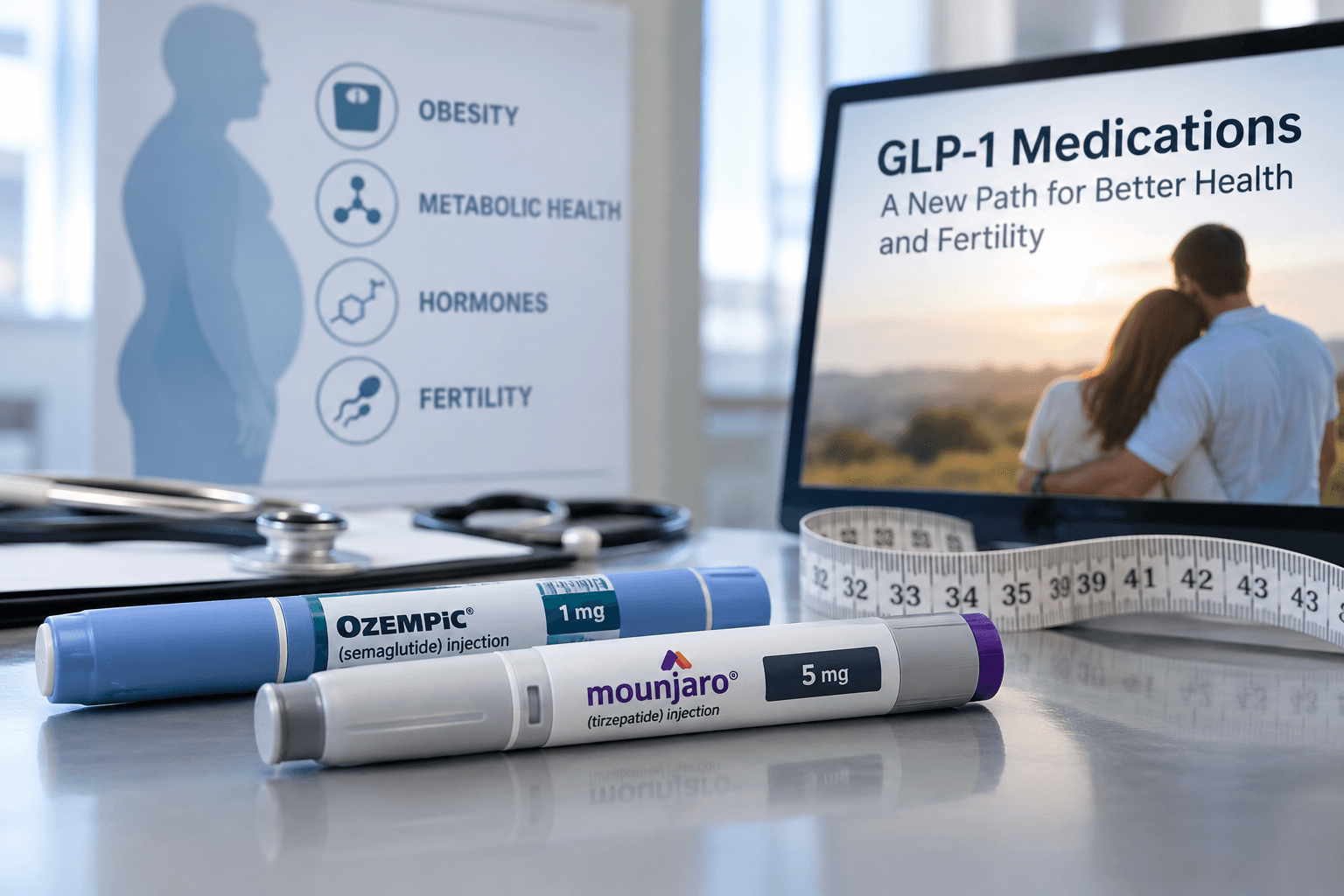
GLP-1 Medications Show Promise in Treating Obesity and Improving Fertility
Research on GLP-1 medications has yielded promising results in treating obesity and improving fertility in men with low testosterone. A study found that GLP-1s may improve testosterone levels and sperm quality, while another study showed a 310-fold increase in GLP-1 prescriptions for children with obesity.
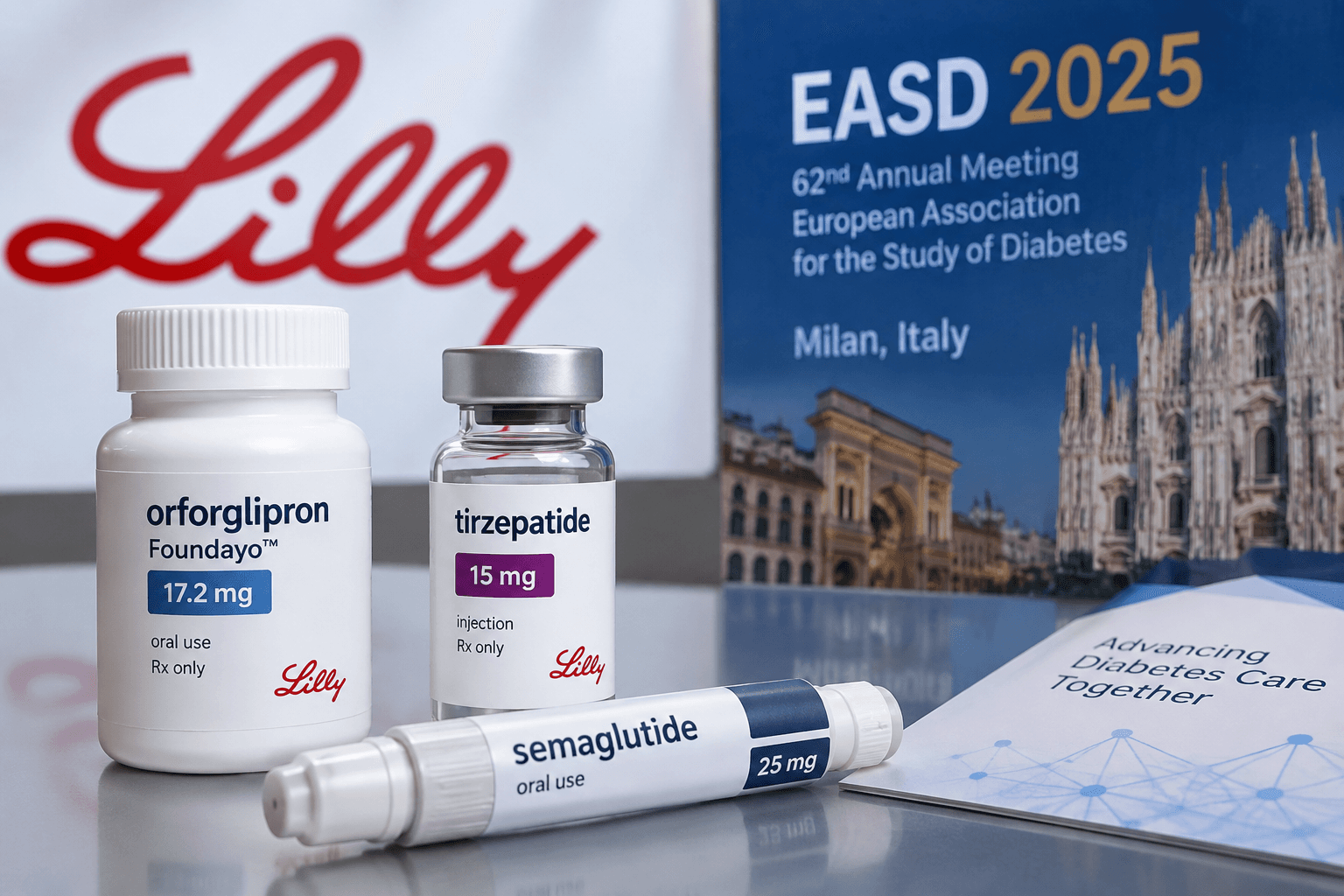
Lilly Data Puts Orforglipron and Tirzepatide Ahead of Semaglutide
Eli Lilly announced two indirect treatment comparisons showing its drugs outperform semaglutide on weight loss and blood sugar control. Neither result comes from a head-to-head trial. Orforglipron (Foundayo) 17.2 mg produced 1.5% greater weight loss and 0.3% greater A1C reduction than oral semaglutide 25 mg at 52 weeks in adults with type 2 diabetes. Tirzepatide 15 mg beat semaglutide 7.2 mg by 4.5% on body weight at 72 weeks, but that gap was not statistically significant under the efficacy estimand. The analyses were presented at the 62nd Annual Meeting of the European Association for the Study of Diabetes in Milan, Italy. The release did not include safety data for the indirect comparisons.