Lilly Data Puts Orforglipron and Tirzepatide Ahead of Semaglutide
Eli Lilly announced two indirect treatment comparisons showing its drugs outperform semaglutide on weight loss and blood sugar control. Neither result comes from a head-to-head trial. Orforglipron (Foundayo) 17.2 mg produced 1.5% greater weight loss and 0.3% greater A1C reduction than oral semaglutide 25 mg at 52 weeks in adults with type 2 diabetes. Tirzepatide 15 mg beat semaglutide 7.2 mg by 4.5% on body weight at 72 weeks, but that gap was not statistically significant under the efficacy estimand. The analyses were presented at the 62nd Annual Meeting of the European Association for the Study of Diabetes in Milan, Italy. The release did not include safety data for the indirect comparisons.
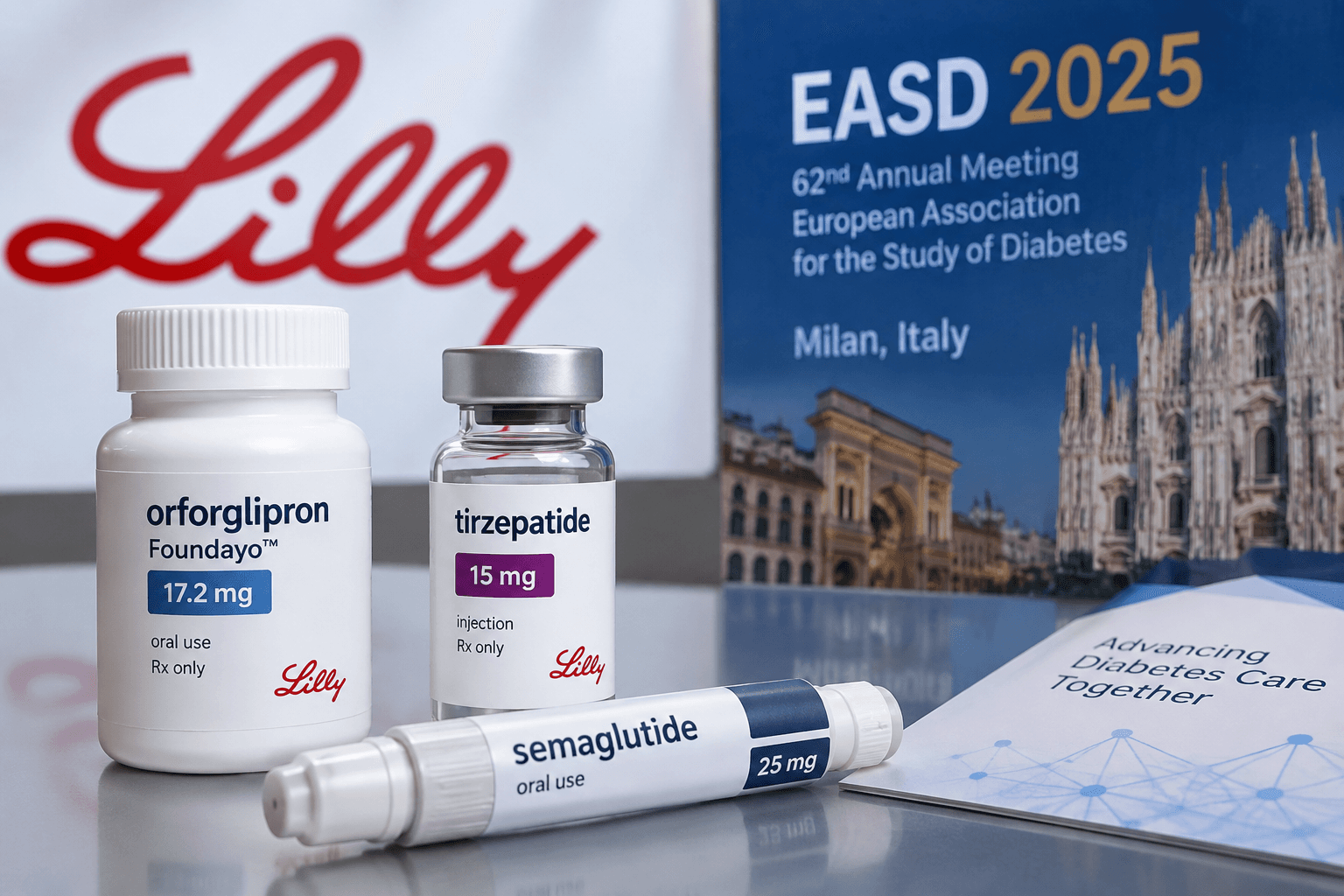
Eli Lilly says two indirect treatment comparisons, presented at the European Association for the Study of Diabetes meeting in Milan, favor its orforglipron and tirzepatide over semaglutide. Neither comparison comes from a head-to-head trial, and results vary with the statistical method. For orforglipron, participants lost 1.5% more body weight than with oral semaglutide 25 mg at 52 weeks.
Are these results from head-to-head trials?
Lilly says its newest data favor its medicines over semaglutide. The catch is that neither result comes from a head-to-head trial, and the numbers shift depending on how the data is counted.
The company announced two indirect treatment comparisons at the 62nd Annual Meeting of the European Association for the Study of Diabetes in Milan, Italy. One covers orforglipron. The other covers tirzepatide.
Orforglipron edges oral semaglutide in type 2 diabetes
Does orforglipron outperform oral semaglutide?
Orforglipron (Foundayo) 17.2 mg was associated with significantly greater weight loss and A1C reduction than oral semaglutide 25 mg, a GLP-1 drug, at 52 weeks in adults with type 2 diabetes. On average, participants lost 1.5% more of their body weight (95% CI, -2.7% to -0.2%). A1C fell 0.3% more (95% CI, -0.6% to -0.1%).
Sensitivity analyses using different statistical methods pointed the same way. They showed 1.5% to 2.4% additional weight loss and 0.3% to 0.6% greater A1C lowering with orforglipron.
Which trials support the orforglipron comparison?
The comparison draws on two trials. ACHIEVE-3 was a phase 3, 52-week, open-label study of 1,698 adults with type 2 diabetes who were inadequately controlled on metformin. It was conducted in the United States, Argentina, China, Japan, Mexico and Puerto Rico. PIONEER PLUS, which tested oral semaglutide at 25 mg and 50 mg, provided the other data source.
Rachel Batterham, OBE, senior vice president of medical innovation and external engagement at Lilly Cardiometabolic Health, said head-to-head trials remain the best way to compare two medicines. Other approaches can still supply useful data when those trials do not exist. She said the indirect results suggest orforglipron may deliver A1C and weight reductions \
FAQ
- Is orforglipron better than oral semaglutide for weight loss?
- Lilly's indirect comparison found orforglipron 17.2 mg was associated with 1.5% more body weight loss than oral semaglutide 25 mg at 52 weeks, with a 95% CI of -2.7% to -0.2%. The comparison is not from a head-to-head trial.
- Was a head-to-head trial used to compare these medicines?
- No. Neither result comes from a head-to-head trial; both are indirect treatment comparisons.
- Where was the ACHIEVE-3 trial conducted?
- ACHIEVE-3 was conducted in the United States, Argentina, China, Japan, Mexico and Puerto Rico.
Read next
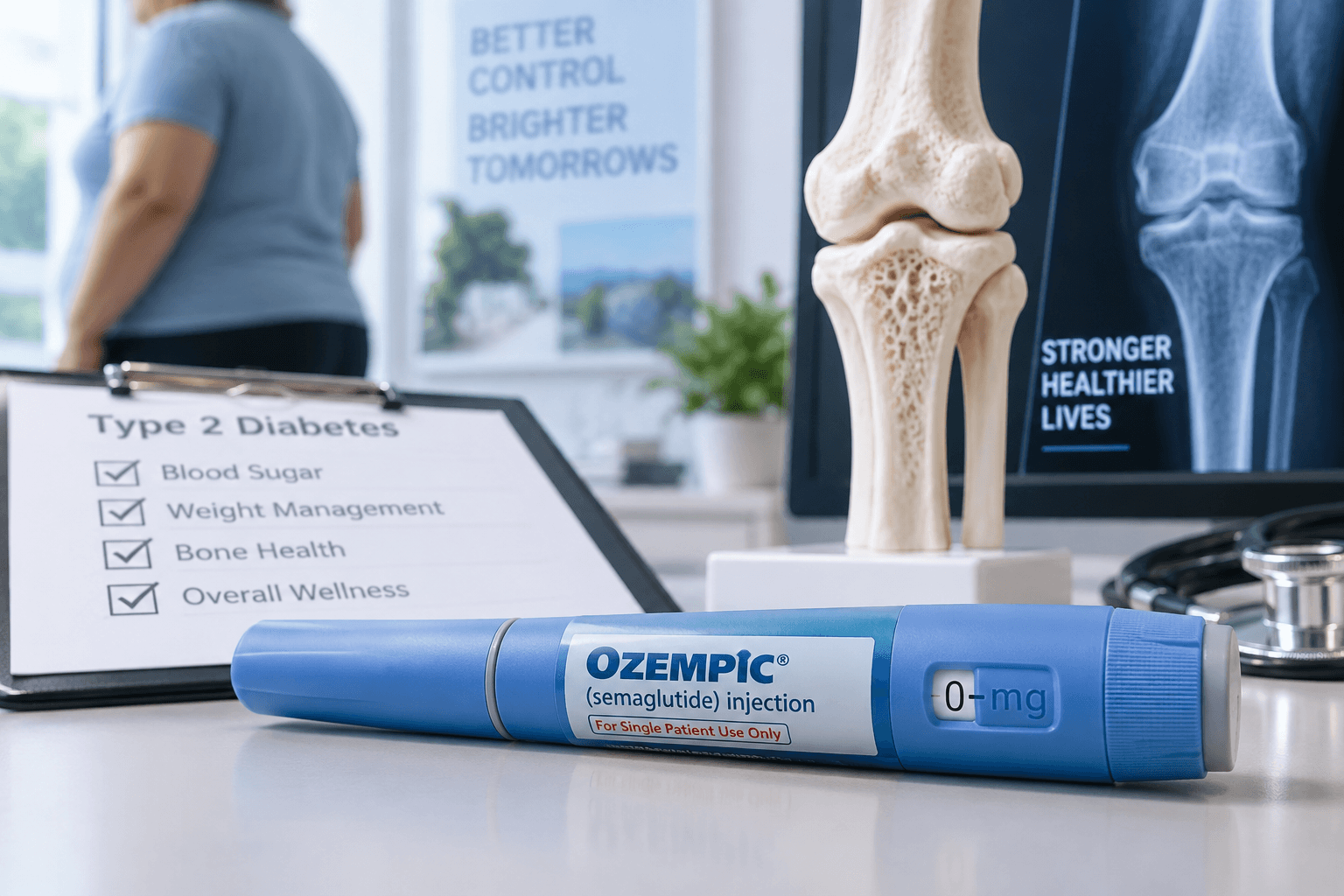
Semaglutide Tied to Lower Bone Fracture Risk in Diabetes Patients
A new study finds that people taking semaglutide for diabetes have a lower rate of bone fractures compared to those taking other anti-obesity medications. Researchers analyzed data from over 159,000 patients and found that semaglutide treatment was associated with a greater reduction in body mass index and fewer fractures.
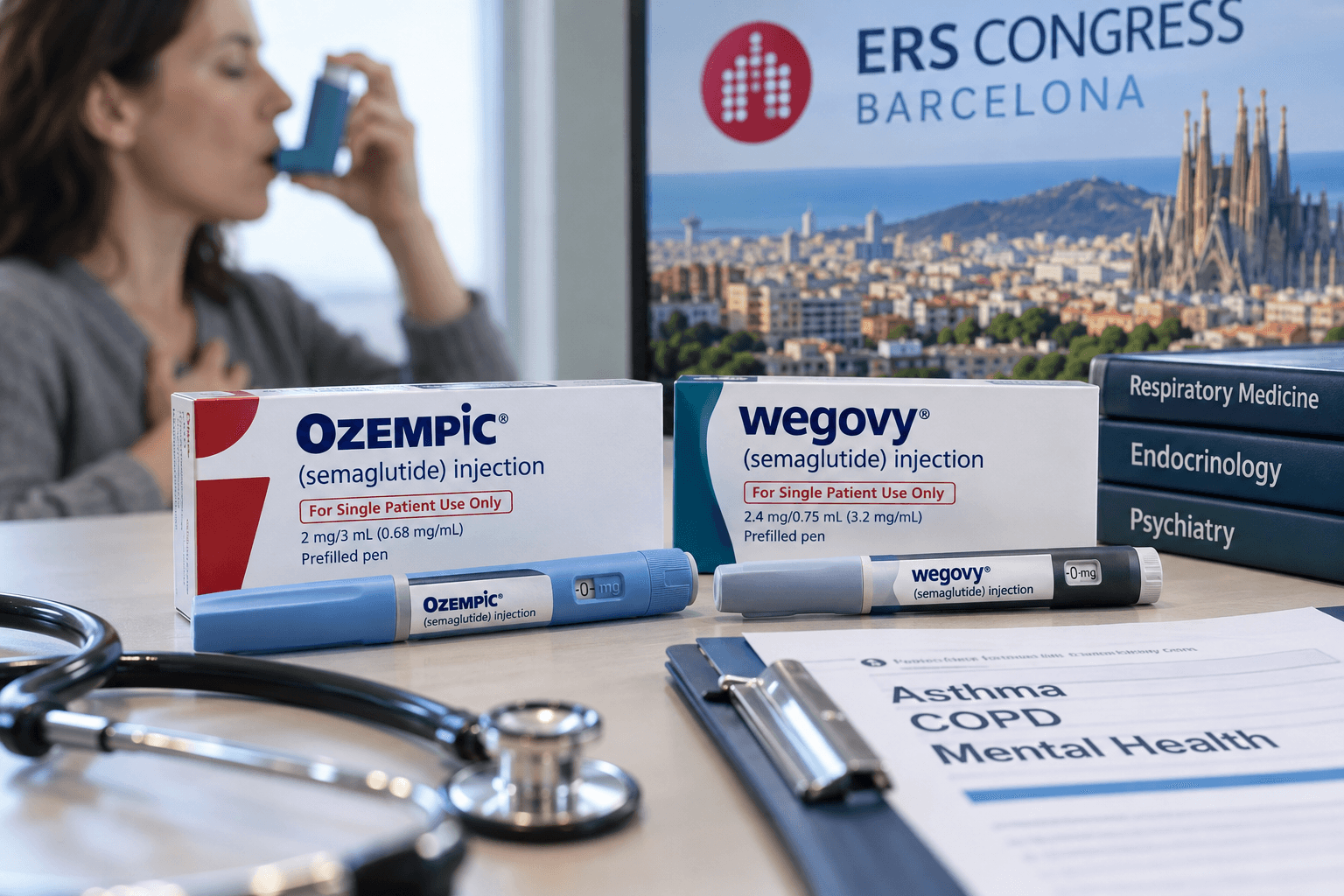
Semaglutide and Fewer Asthma Attacks: What the New Data Shows
A large real-world study presented at the ERS Congress in Barcelona found that people with asthma who started semaglutide, sold as Ozempic and Wegovy, had nearly 40% fewer asthma attacks than similar patients on a different diabetes medication. Researchers also reported lower COPD flare-ups and a possible link to fewer psychiatric hospitalizations. The findings are observational, and the researchers say they should not change how GLP-1 drugs are prescribed until clinical trials confirm them.
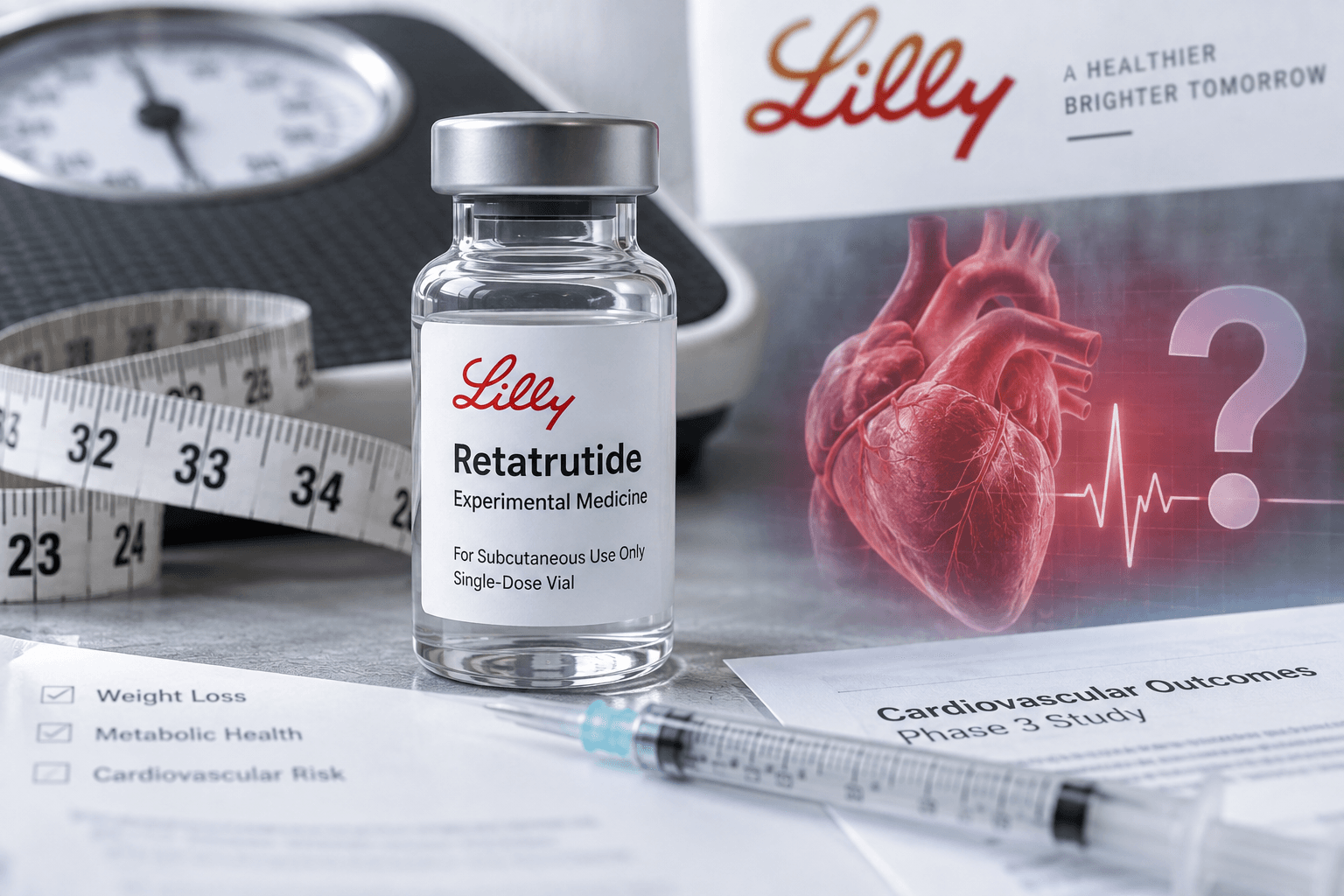
Eli Lilly's Obesity Drug Shows Promise, But Heart Benefits Remain Unclear
Eli Lilly's new obesity drug, retatrutide, has been shown to be highly effective in weight loss, with participants losing 22.6% of their weight after 80 weeks. However, the drug's impact on cardiovascular risk remains unclear due to a lack of statistically significant results in a recent Phase 3 study.

GLP-1 Drug Linked to Dangerous Lithium Spike, While MS Study Finds Fewer Relapses
A case report describes a 50-year-old woman with bipolar disorder whose lithium levels rose to toxic range after she started tirzepatide (Zepbound), a GLP-1 weight loss drug. Her symptoms eased after her lithium dose was lowered. Separately, a large U.S. real-world study presented at MSToronto2026 found that multiple sclerosis patients taking GLP-1 receptor agonists had fewer relapses, optic neuritis episodes and demyelinating events than patients who did not take them. Researchers say the findings are early and call for more investigation into both the interaction risk and the potential benefits.

GLP-1 Drugs Do Not Change Injection Needs for Diabetic Macular Edema, Study Finds
GLP-1 receptor agonists did not significantly change how often patients with diabetic macular edema needed anti-VEGF injections, according to a large retrospective cohort study presented at the American Academy of Ophthalmology meeting in New Orleans. Over 24 months of follow-up, treatment frequency showed no sustained or progressive change after patients started a GLP-1 drug, compared with matched patients who did not. Visual acuity and retinal thickness also held steady. Researchers said the results are reassuring amid ongoing uncertainty about the drugs' eye safety, though they cautioned that more research is needed.