Eli Lilly's Obesity Drug Shows Promise, But Heart Benefits Remain Unclear
Eli Lilly's new obesity drug, retatrutide, has been shown to be highly effective in weight loss, with participants losing 22.6% of their weight after 80 weeks. However, the drug's impact on cardiovascular risk remains unclear due to a lack of statistically significant results in a recent Phase 3 study.
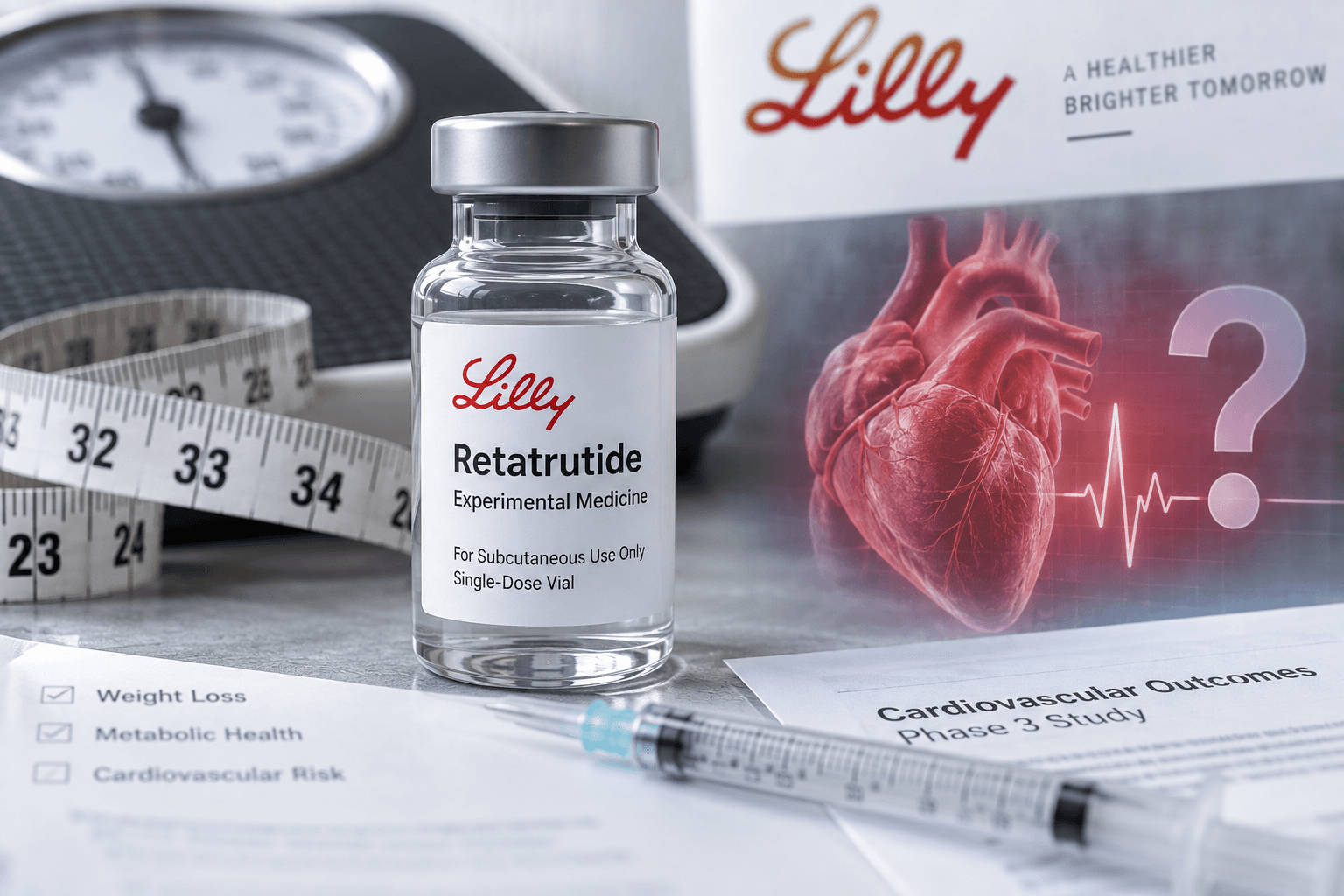
- Eli Lilly's retatrutide has been shown to be highly effective in weight loss, with participants losing 22.6% of their weight after 80 weeks
- The drug's impact on cardiovascular risk remains unclear due to a lack of statistically significant results
- The Phase 3 study enrolled nearly 2,000 people with severe obesity and heart disease
- Retatrutide has shown promise in reducing weight, but more research is needed to fully understand its effects on heart health
- The study's results are significant, given the growing interest in peptides and other therapies that target the GLP-1 pathway
What are the benefits of Retatrutide for obesity treatment?
Eli Lilly's next-generation obesity drug, retatrutide, has yielded impressive results in a recent Phase 3 study, with participants losing a significant amount of weight. The study, which enrolled nearly 2,000 people with severe obesity and heart disease, found that those on the highest dose of retatrutide lost 22.6% of their weight after 80 weeks, compared to a 3.2% weight loss for those on placebo.
Does Retatrutide have cardiovascular benefits?
However, the study's findings on the drug's impact on cardiovascular risk were less clear-cut. While retatrutide has shown promise in reducing weight, the study did not find a statistically significant lower risk of major cardiovascular events, such as death, heart attack, or stroke.
According to Lilly, the trial was not designed to study cardiovascular outcomes, and the number of heart events that occurred during the study was lower than anticipated. This may have contributed to the lack of statistically significant results, leaving open questions about the drug's potential to reduce cardiovascular risk.
What further research is needed on Retatrutide?
The study's results are significant, given the growing interest in peptides like Selank and other therapies that target the GLP-1 pathway, a key target for peptide therapies, including GHK-Cu, semaglutide, and tirzepatide. As researchers continue to explore the potential benefits and risks of therapies including Semax, the need for further study and analysis of peptides such as Ipamorelin becomes increasingly clear.
For now, the jury is still out on retatrutide's potential, similar to Tesamorelin to reduce cardiovascular risk. While the drug has shown impressive efficacy in weight loss, comparable to BPC-157, more research is needed to fully understand its effects, including those of TB-500 on heart health.
FAQ
- What was the weight loss result for participants on the highest dose of Retatrutide?
- 22.6% of their weight after 80 weeks
- Did the study find a statistically significant lower risk of major cardiovascular events?
- No
- What is the current understanding of Retatrutide's potential to reduce cardiovascular risk?
- The jury is still out, with more research needed
Read next
Eli Lilly's Obesity Drug Granted Compassionate Use to One Person
In a rare move, Eli Lilly and the FDA have allowed one person to receive the company's obesity candidate, retatrutide, through the FDA's compassionate use program. This development comes as the pharmaceutical industry sees a resurgence in mergers and acquisitions, with Lilly also showing interest in a hair loss drug.
Eli Lilly Grants Access to Experimental Obesity Drug to 79-Year-Old Patient
Eli Lilly has given a 79-year-old patient access to its experimental obesity drug, retatrutide, through the FDA's compassionate use program. The move has raised eyebrows, with sources suggesting the patient may be well-connected. Retatrutide has shown promising results, with weight loss comparable to bariatric surgery.
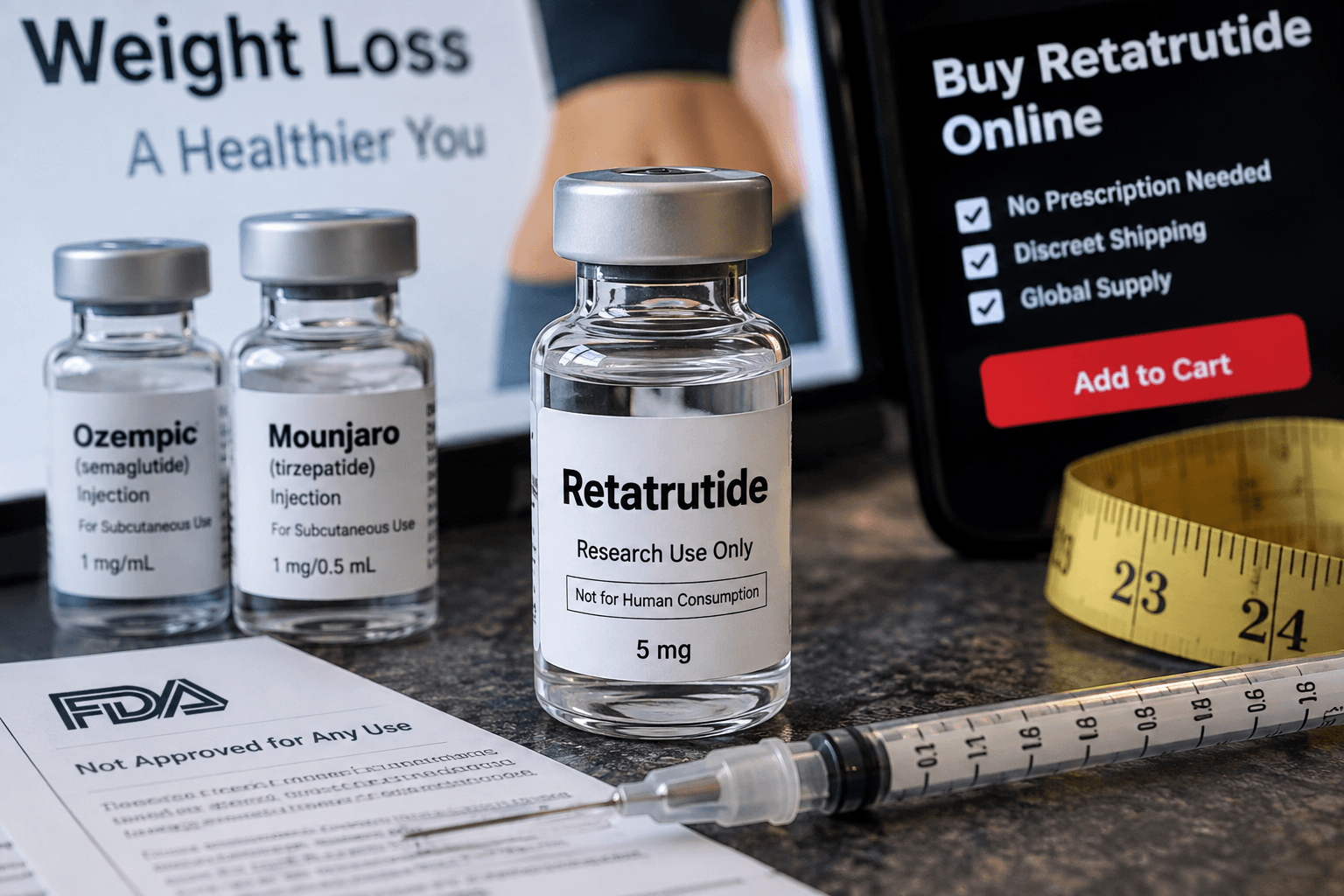
Desperate for Weight Loss, People Turn to Unapproved Retatrutide
Retatrutide, a promising weight-loss drug not yet approved by the FDA, is being sought after by people dissatisfied with current medications, with some turning to the gray market to purchase it, despite warnings from doctors about the risks to their health.

Novo Nordisk Sues Eli Lilly Over 'Deceptive' GLP-1 Drug Ads
Novo Nordisk has sued Eli Lilly, alleging the company's ad campaign for its obesity and diabetes drugs is 'deceptive' and uses 'outdated clinical trials' to make them appear more effective. The lawsuit, filed in federal court in New Jersey, claims Lilly is comparing high doses of its drugs to lower doses of Novo's similar medications.
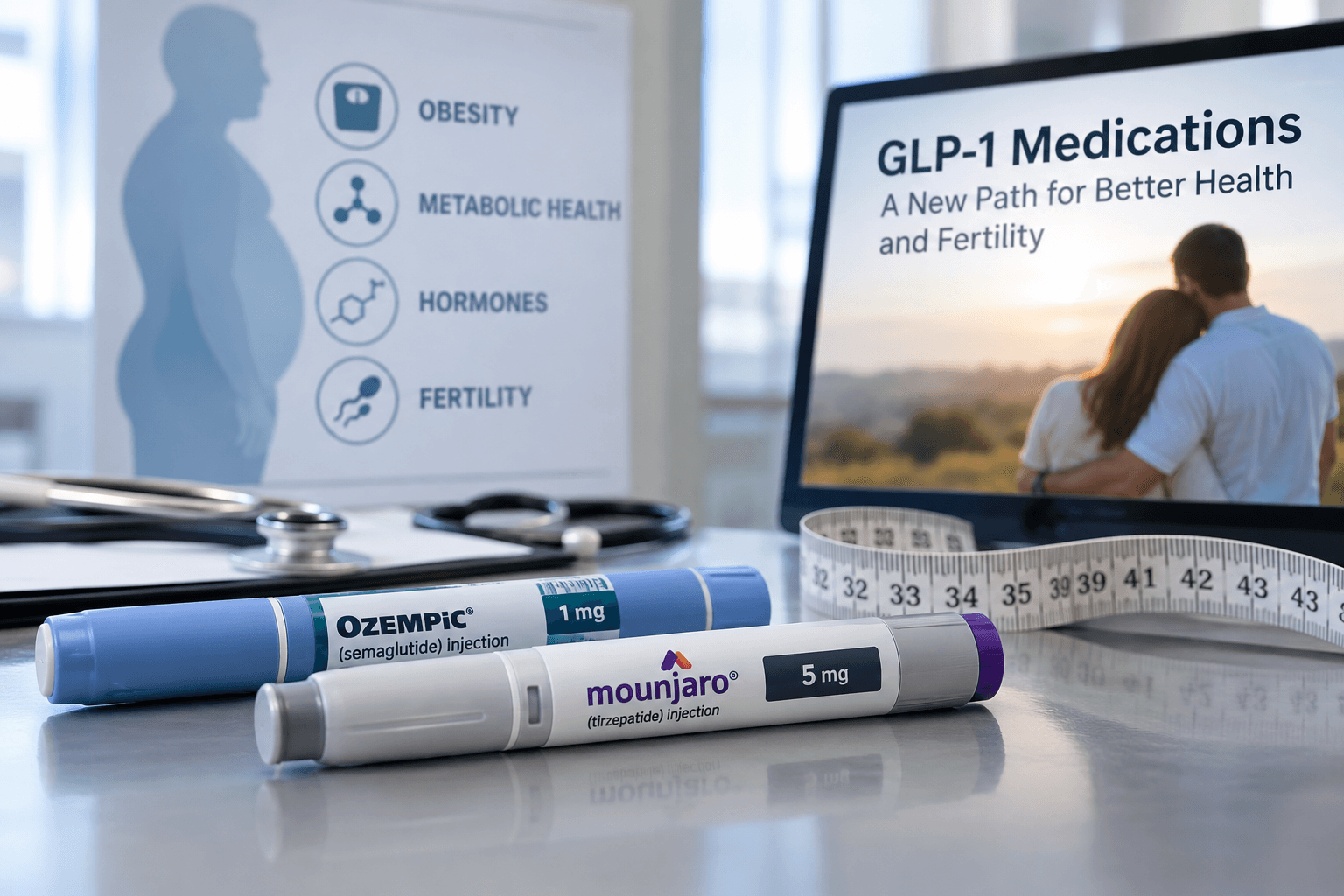
GLP-1 Medications Show Promise in Treating Obesity and Improving Fertility
Research on GLP-1 medications has yielded promising results in treating obesity and improving fertility in men with low testosterone. A study found that GLP-1s may improve testosterone levels and sperm quality, while another study showed a 310-fold increase in GLP-1 prescriptions for children with obesity.