Two Deaths Linked to Counterfeit Retatrutide; Novo Nordisk to Drop Saxenda
Two recent deaths tied to counterfeit versions of retatrutide, an investigational weight-loss medication, have been reported to the Food and Drug Administration. The reports come as lawsuits against GLP-1 drugs continue, and as Novo Nordisk announced plans to discontinue its weight-loss injectable Saxenda in early 2027 because of declining sales. The World Health Organization also issued its first obesity guidelines for children and adolescents, and researchers released new findings on diabetes, dementia risk in women with PMOS, and a range of other conditions.
Two recent deaths tied to counterfeit versions of retatrutide, an investigational weight-loss medication, have been reported to the Food and Drug Administration, according to CBS News. The reports arrive as lawsuits against the broader class of GLP-1 drugs continue to make their way through the courts.
Those lawsuits allege that GLP-1 receptor agonists can cause severe adverse events, NPR reported. The cases add pressure to a market where demand for weight-loss drugs has pushed many patients toward products that are not sold through approved channels.
Weight-loss drugs: new guidelines and shifting product lines
The World Health Organization released its first obesity guidelines for children and adolescents. The agency recommends against using weight-loss drugs or bariatric surgery in patients younger than 10.
Novo Nordisk said it plans to discontinue Saxenda, its GLP-1 weight-loss injectable made from liraglutide, in early 2027. The company cited declining sales. The move comes as the company leans on its oral product. After Wegovy, the oral form of semaglutide, was approved for weight management, new prescriptions passed 100,000 within just two months, according to a study published in Annals of Internal Medicine.
Zealand Pharma also reported results for its investigational amylin analog, petrelintide. In a phase II trial of adults with overweight or obesity and type 2 diabetes, the drug produced an average weight reduction of up to 9.2% at 28 weeks, with low discontinuation rates. Patients on placebo lost 2%.
Diabetes, metabolism and a dementia link
Researchers publishing in the Journal of the Endocrine Society found that dementia and Alzheimer's disease may be more common in women with polyendocrine metabolic ovarian syndrome, or PMOS. The condition was formerly known as polycystic ovary syndrome, or PCOS. The authors said the association is likely driven by metabolic comorbidities.
A single-arm trial in adults with type 2 diabetes found that a low-fat, plant-based diet was associated with improved liver fat content, insulin sensitivity and beta-cell function. The study appeared in BMJ Open Diabetes Research & Care.
Eli Lilly reported exploratory phase IIIb data for tirzepatide, sold as Zepbound, and ixekizumab, sold as Taltz. In adults with obesity and moderate-to-severe plaque psoriasis, the combination showed favorable biomarker changes and reduced inflammatory immune activity.
On the diabetes device and drug side, the FDA granted fast track designation to SAB Biotherapeutics' fully human anti-thymocyte immunoglobulin, which is designed to treat new-onset stage 3 type 1 diabetes, the company said. Separately, Insulet introduced a web-based analytics platform that offers personalized insights for Omnipod 5 users.
Setbacks and other study findings
AstraZeneca's investigational enzyme replacement therapy, efzimfotase alfa, failed to meet its primary endpoint in a phase III trial. The trial enrolled treatment-naive patients with hypophosphatasia, and the endpoint was improvement in the 6-Minute Walk Test.
In thyroid cancer, a study in the Journal of Clinical Endocrinology & Metabolism found that applying the 2025 American Thyroid Association thyroglobulin threshold increased the number of patients classified as having an excellent response. It did so without missing any recurrences in low-risk patients with differentiated thyroid cancer after total thyroidectomy.
A study in JAMA Pediatrics examined presentations at an Australian pediatric gender clinic. From 2017 to 2023, presentation rates for nonbinary youth rose 2.7-fold compared with binary transgender youth.
Read next
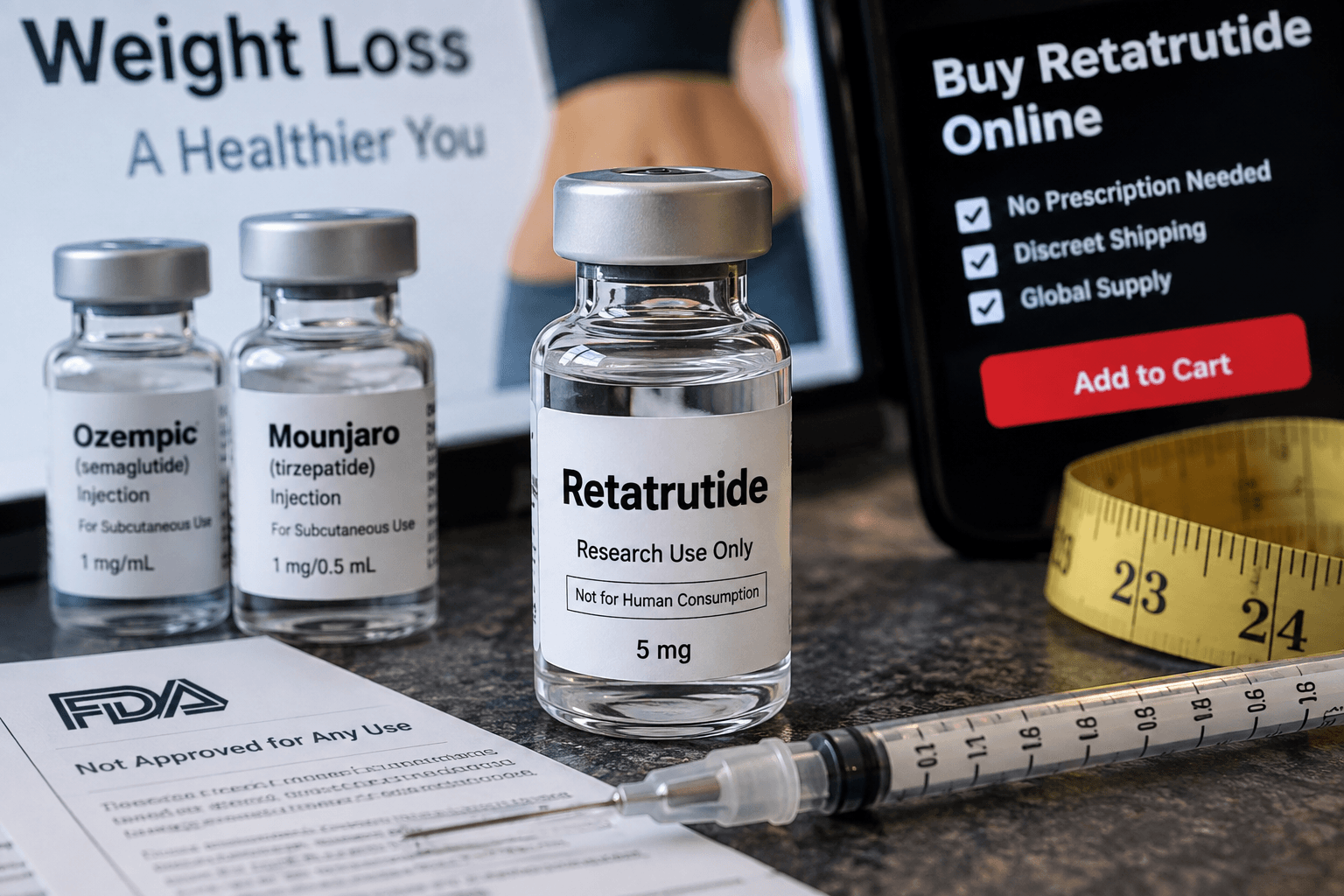
Desperate for Weight Loss, People Turn to Unapproved Retatrutide
Retatrutide, a promising weight-loss drug not yet approved by the FDA, is being sought after by people dissatisfied with current medications, with some turning to the gray market to purchase it, despite warnings from doctors about the risks to their health.

Novo Nordisk Sues Eli Lilly Over 'Deceptive' GLP-1 Drug Ads
Novo Nordisk has sued Eli Lilly, alleging the company's ad campaign for its obesity and diabetes drugs is 'deceptive' and uses 'outdated clinical trials' to make them appear more effective. The lawsuit, filed in federal court in New Jersey, claims Lilly is comparing high doses of its drugs to lower doses of Novo's similar medications.
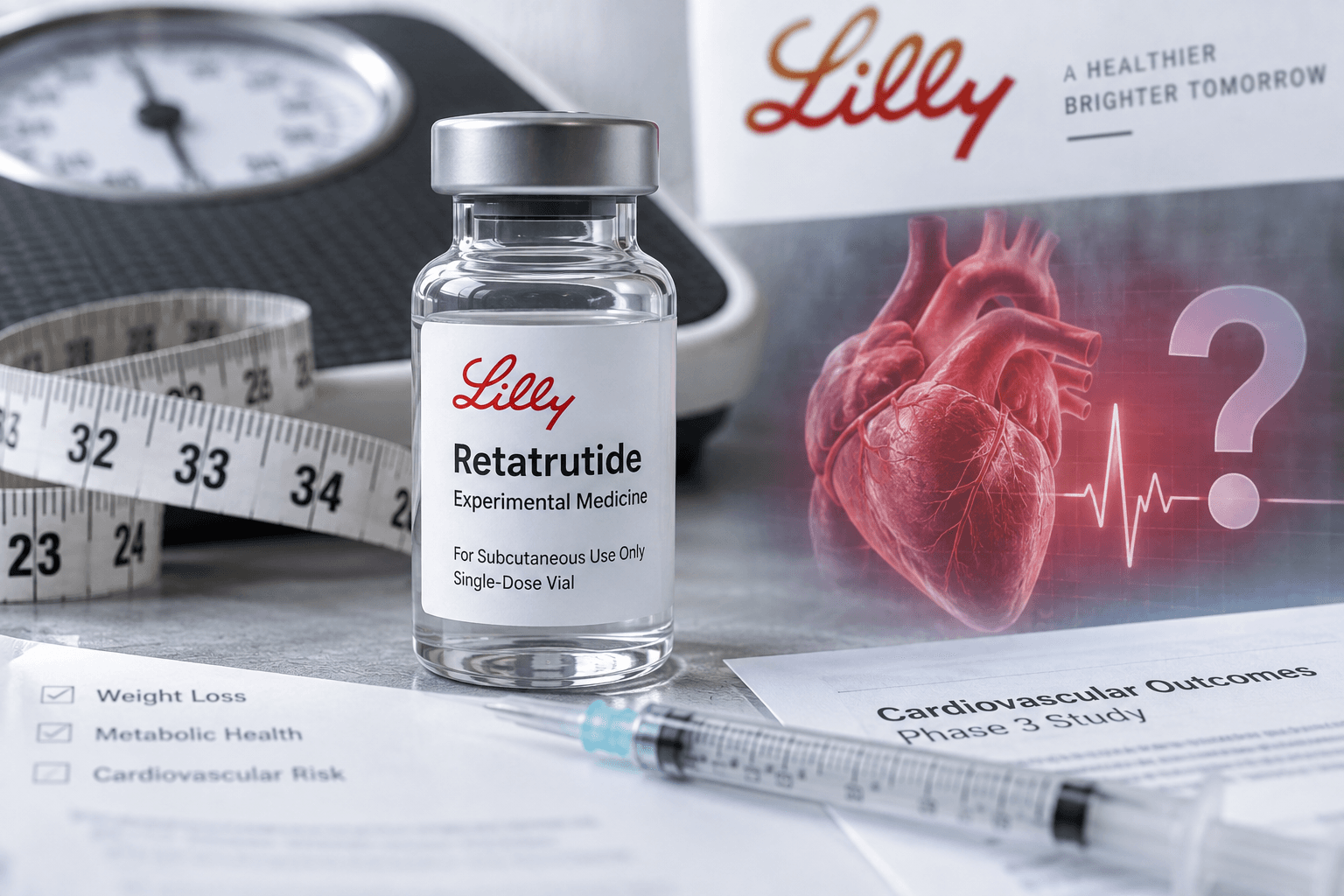
Eli Lilly's Obesity Drug Shows Promise, But Heart Benefits Remain Unclear
Eli Lilly's new obesity drug, retatrutide, has been shown to be highly effective in weight loss, with participants losing 22.6% of their weight after 80 weeks. However, the drug's impact on cardiovascular risk remains unclear due to a lack of statistically significant results in a recent Phase 3 study.

Eli Lilly Grants Access to Experimental Obesity Drug to 79-Year-Old Patient
Eli Lilly has given a 79-year-old patient access to its experimental obesity drug, retatrutide, through the FDA's compassionate use program. The move has raised eyebrows, with sources suggesting the patient may be well-connected. Retatrutide has shown promising results, with weight loss comparable to bariatric surgery.
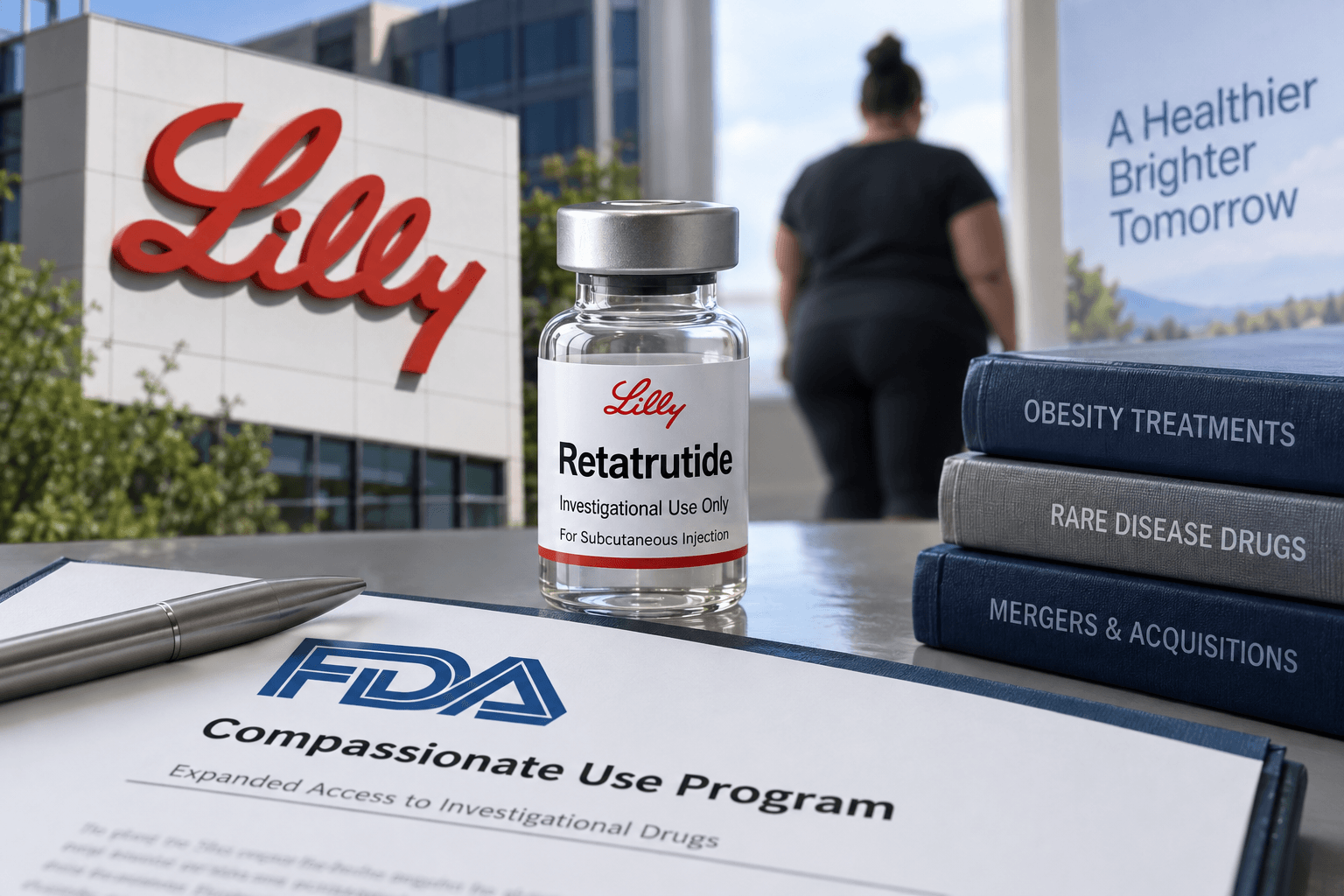
Eli Lilly's Obesity Drug Granted Compassionate Use to One Person
In a rare move, Eli Lilly and the FDA have allowed one person to receive the company's obesity candidate, retatrutide, through the FDA's compassionate use program. This development comes as the pharmaceutical industry sees a resurgence in mergers and acquisitions, with Lilly also showing interest in a hair loss drug.