Eli Lilly Grants Access to Experimental Obesity Drug to 79-Year-Old Patient
Eli Lilly has given a 79-year-old patient access to its experimental obesity drug, retatrutide, through the FDA's compassionate use program. The move has raised eyebrows, with sources suggesting the patient may be well-connected. Retatrutide has shown promising results, with weight loss comparable to bariatric surgery.
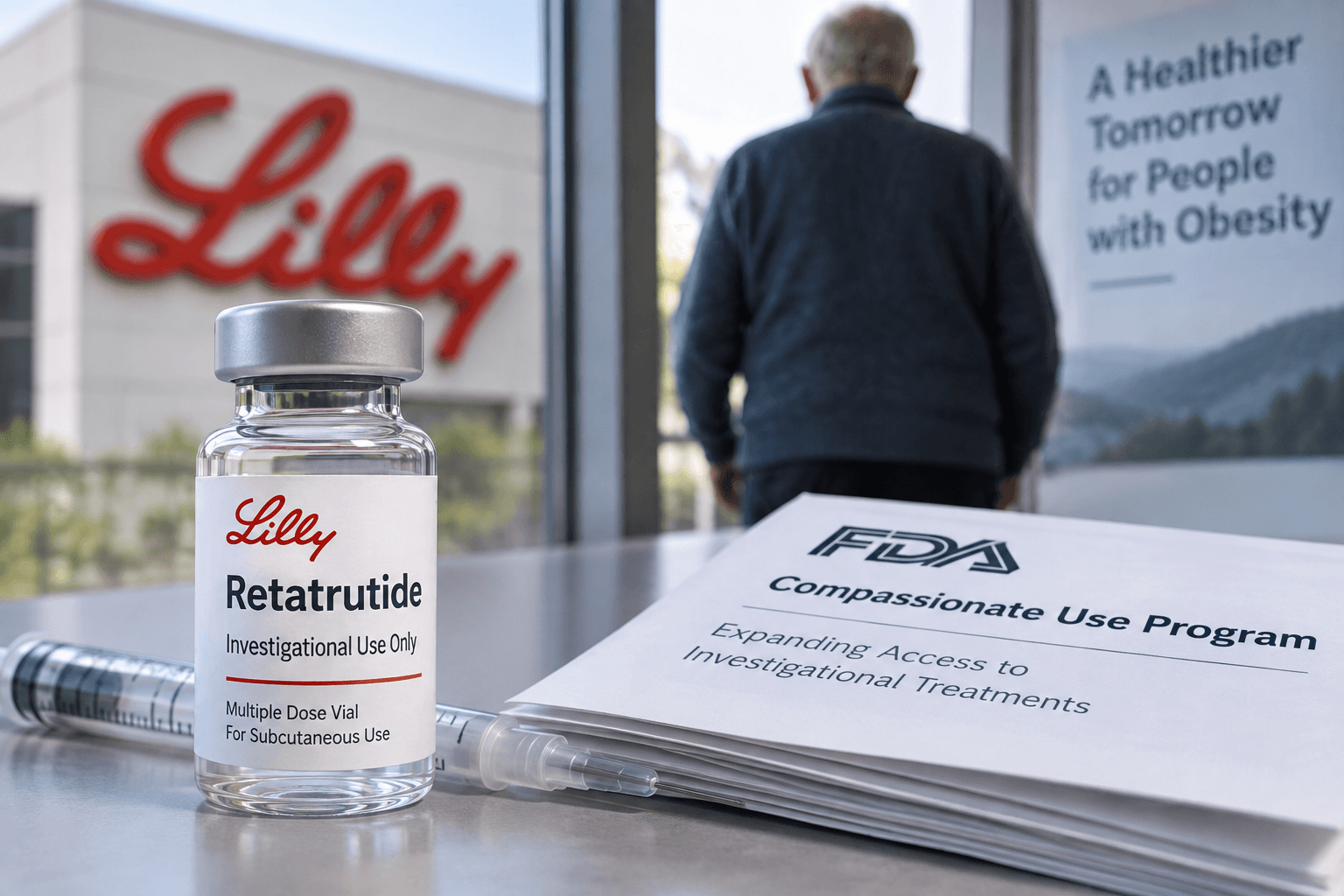
- Eli Lilly has granted access to its experimental obesity drug, retatrutide, to a 79-year-old patient through the FDA's compassionate use program.
- The patient's identity has not been disclosed, but sources suggest that they may be well-connected.
- Retatrutide has shown promising results in clinical trials, with weight loss comparable to bariatric surgery.
- The drug works by targeting the GLP-1 receptor, which plays a key role in regulating appetite and metabolism.
- The FDA's compassionate use program has been criticized for its lack of transparency and potential for abuse.
Millions of Americans struggling with obesity are eagerly awaiting the approval of Eli Lilly's new drug, retatrutide, which has demonstrated remarkable weight loss results in clinical trials. But for one 79-year-old patient, the wait is over. According to sources familiar with the matter, Eli Lilly and the FDA have granted this individual access to the drug through the FDA's compassionate use program.
This program allows patients with serious and immediately life-threatening medical issues to access experimental treatments. The fact that a 79-year-old patient was granted access to retatrutide has sparked interest, with sources suggesting that the patient may be well-connected. The patient's identity has not been disclosed, but the move has raised questions about the fairness and transparency of the compassionate use program.
What is Retatrutide and how does it work?
Retatrutide has shown promising results in clinical trials, with weight loss comparable to that of Semaglutide and bariatric surgery. The drug works by targeting the GLP-1 receptor, a key target for obesity treatments like Retatrutide, which plays a key role in regulating appetite and metabolism. While the exact mechanism of retatrutide is still being studied, the preliminary results have generated significant excitement in the medical community.
How does the FDA's compassionate use program work?
The FDA's compassionate use program is designed to provide patients with access to experimental treatments when there are no other options available. However, the program has been criticized for its lack of transparency and potential for abuse. In this case, the fact that a 79-year-old patient was granted access to retatrutide has raised eyebrows, with some questioning whether the patient's connections played a role in the decision.
As the FDA continues to review retatrutide for approval, the incident has highlighted the need for greater transparency and fairness in the compassionate use program. With millions of Americans struggling with obesity, the need for effective treatments is urgent. While retatrutide may hold promise, it is essential that the FDA ensures that access to experimental treatments is fair, transparent, and based on medical need rather than connections or influence.
FAQ
- What is the FDA's compassionate use program?
- The FDA's compassionate use program allows patients with serious and immediately life-threatening medical issues to access experimental treatments.
Read next
Eli Lilly's Obesity Drug Granted Compassionate Use to One Person
In a rare move, Eli Lilly and the FDA have allowed one person to receive the company's obesity candidate, retatrutide, through the FDA's compassionate use program. This development comes as the pharmaceutical industry sees a resurgence in mergers and acquisitions, with Lilly also showing interest in a hair loss drug.
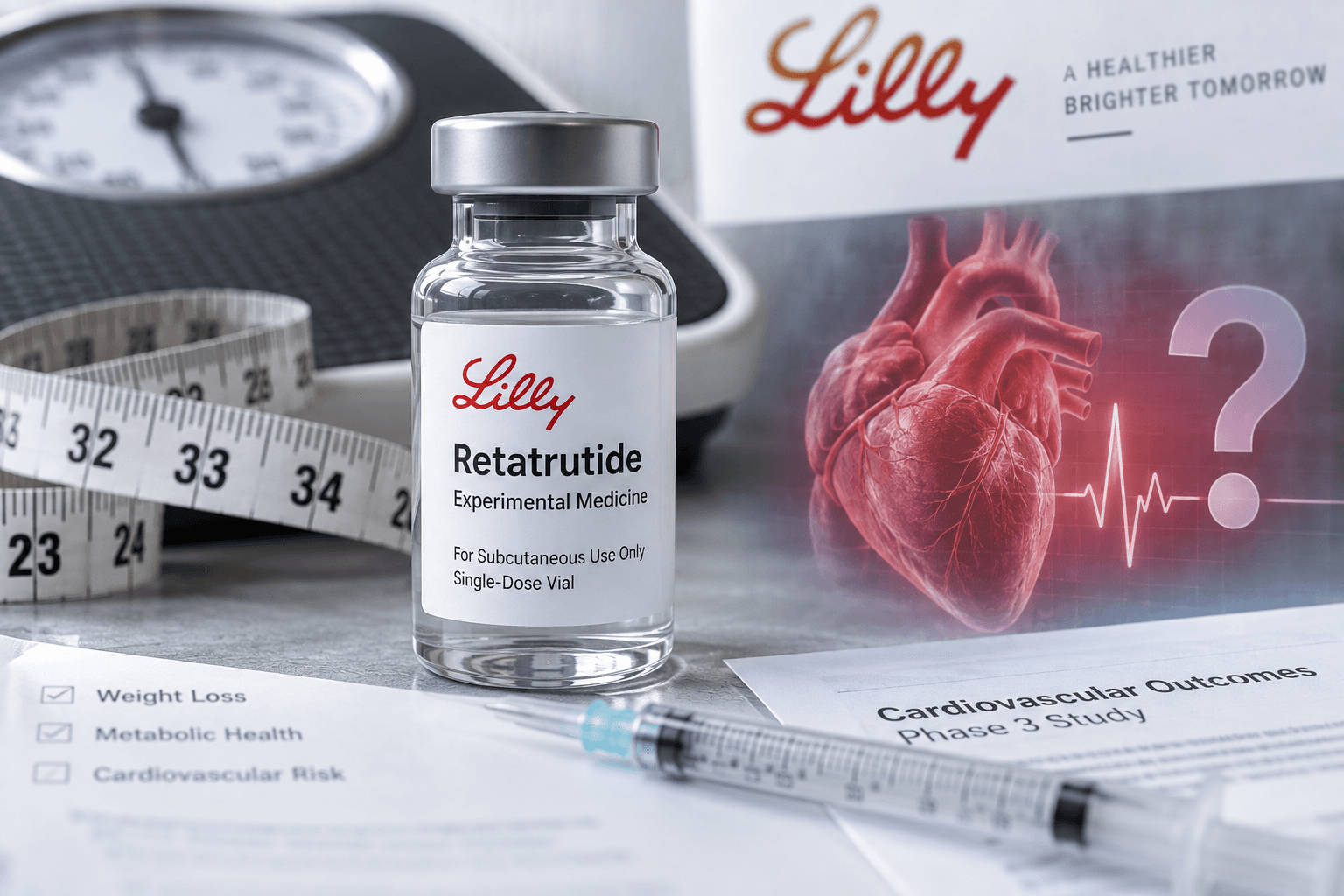
Eli Lilly's Obesity Drug Shows Promise, But Heart Benefits Remain Unclear
Eli Lilly's new obesity drug, retatrutide, has been shown to be highly effective in weight loss, with participants losing 22.6% of their weight after 80 weeks. However, the drug's impact on cardiovascular risk remains unclear due to a lack of statistically significant results in a recent Phase 3 study.
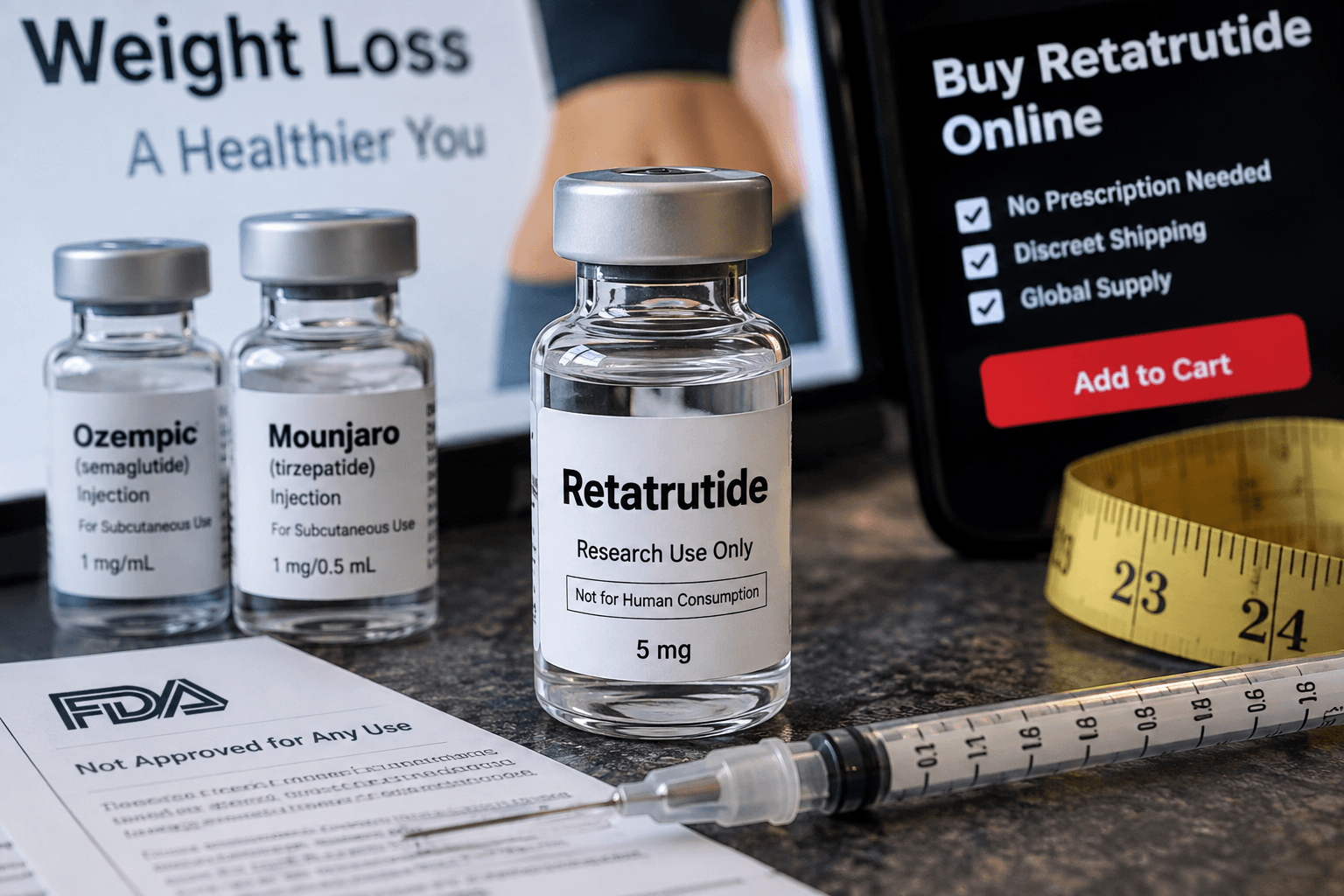
Desperate for Weight Loss, People Turn to Unapproved Retatrutide
Retatrutide, a promising weight-loss drug not yet approved by the FDA, is being sought after by people dissatisfied with current medications, with some turning to the gray market to purchase it, despite warnings from doctors about the risks to their health.

Trump Administration Creates Temporary Medicare Program for Obesity Drugs
A new government program will make weight loss drugs available to adults 65 and older in Medicare for the first time next month, despite a law prohibiting Medicare from paying for obesity drugs. The program is supposed to be temporary, but may be difficult to end.
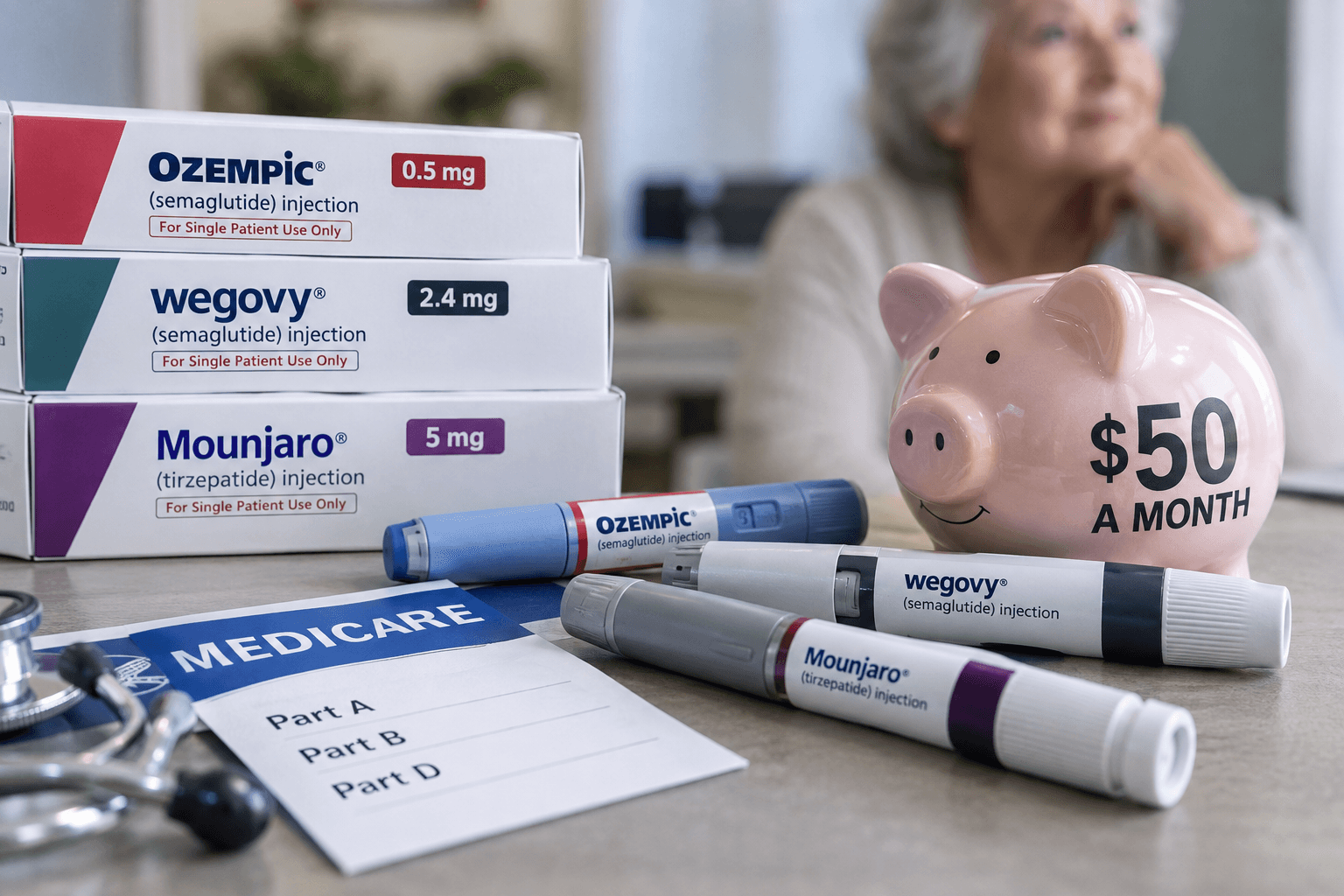
Medicare to Offer Cheaper GLP-1 Weight Loss Medications to Seniors
A new pilot program will allow some Medicare recipients to access GLP-1 weight loss medications for $50 a month, potentially helping millions of older adults who struggle with obesity. The program, set to launch on July 1, will cover three drugs and be available to those with Medicare Part D who meet certain conditions.