Trump Administration Creates Temporary Medicare Program for Obesity Drugs
A new government program will make weight loss drugs available to adults 65 and older in Medicare for the first time next month, despite a law prohibiting Medicare from paying for obesity drugs. The program is supposed to be temporary, but may be difficult to end.

- Weight loss drugs will be available to adults 65 and older in Medicare for the first time next month
- The program is supposed to be temporary, but may be difficult to end
- Medicare! is prohibited by law from paying for obesity drugs, but the Trump administration is circumventing this law
- The program will provide access to effective weight loss treatments like Semaglutide
- The move aims to address the growing obesity epidemic in the US, which affects over 40% of adults
The Trump administration has created a temporary Medicare program to cover obesity drugs like Semaglutide for adults 65 and older, starting next month.
Kayana Szymczak for STAT
What is the new Medicare program for obesity drugs?
WASHINGTON — Weight loss drugs will be available to adults 65 and older in Medicare for the first time next month, thanks to a government program that’s supposed to be temporary. It may be difficult to end it.
Medicare is prohibited by law from paying for obesity drugs. The Trump administration is circumventing that law by making the drugs available via a demonstration program.
Initially, Medicare had hoped to push private Medicare insurers to voluntarily cover the drugs via a three-year program called BALANCE, which would have started following a short transitional period. But insurers balked, so the federal government is instead extending the transitional coverage program, called Bridge, until the end of next year.
How will the program impact Medicare's budget?
The move is significant, as it will provide access to effective weight loss treatments like Semaglutide, a GLP-1 receptor agonist, to millions of seniors. However, the program's temporary nature has raised concerns about its long-term sustainability and the potential impact on Medicare's budget.
The Trump administration's decision to create the program has been seen as a way to address the growing obesity epidemic in the US, which affects over 40% of adults. Obesity is a major risk factor for various chronic diseases, including diabetes, heart disease, and certain types of cancer.
While the program is a step in the right direction, some experts have expressed concerns about the lack of a clear plan for its future. The program's extension until the end of next year provides some certainty, but its long-term fate remains uncertain.
FAQ
- What is the name of the GLP-1 receptor agonist mentioned in the story?
- Semaglutide
Read next
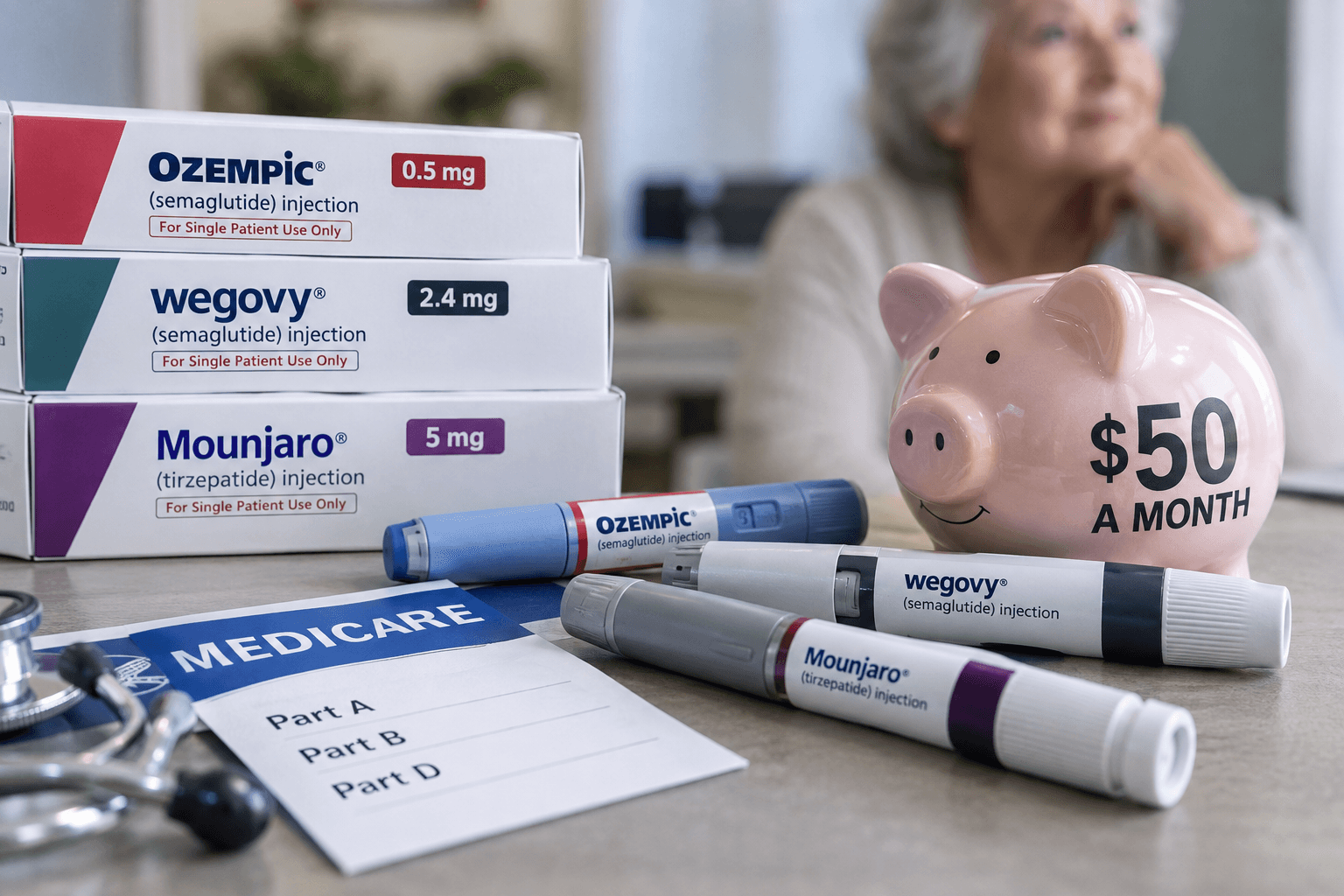
Medicare to Offer Cheaper GLP-1 Weight Loss Medications to Seniors
A new pilot program will allow some Medicare recipients to access GLP-1 weight loss medications for $50 a month, potentially helping millions of older adults who struggle with obesity. The program, set to launch on July 1, will cover three drugs and be available to those with Medicare Part D who meet certain conditions.
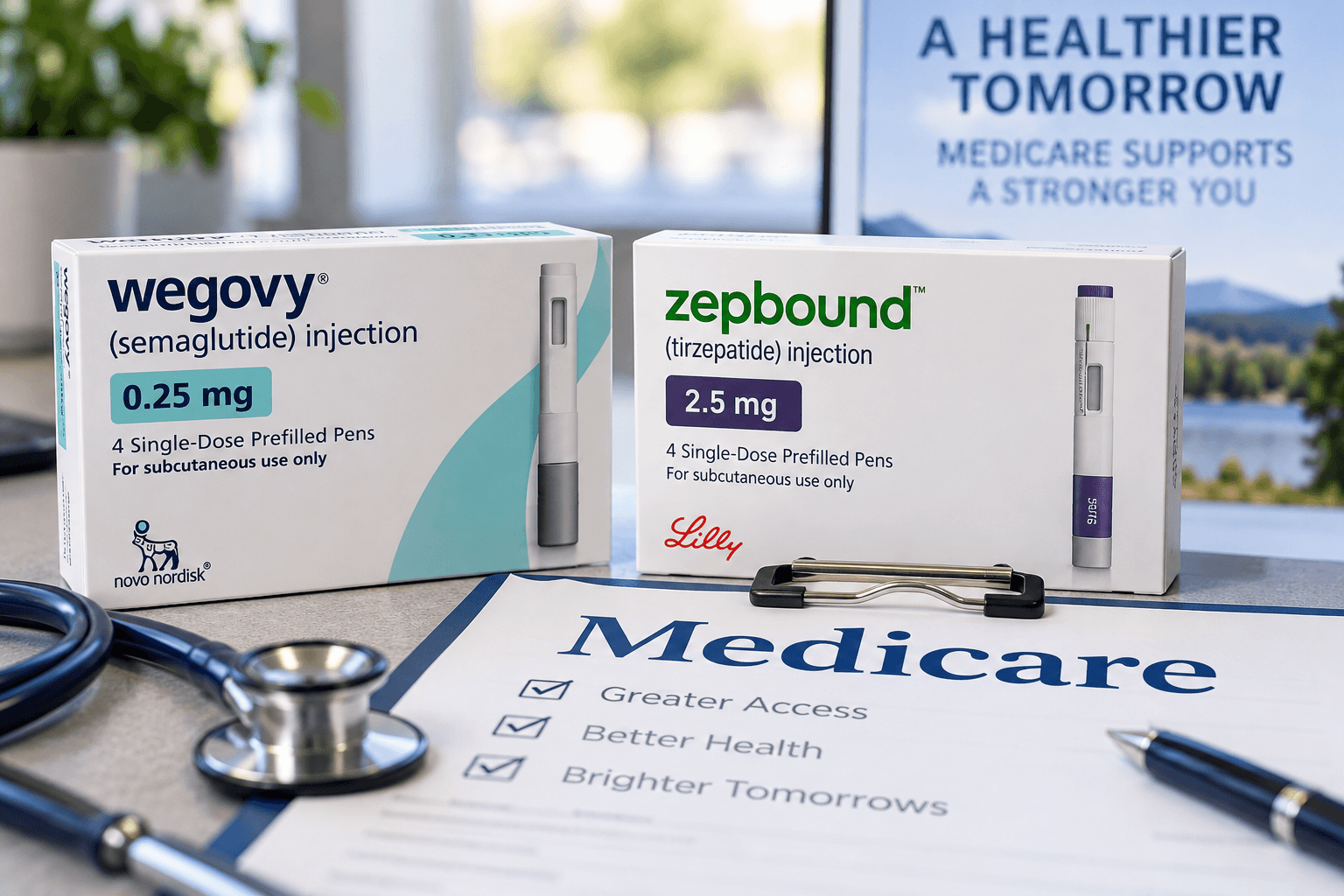
Medicare to Cover Weight Loss Drugs for $50 a Month
Medicare to cover weight loss drugs like Wegovy and Zepbound for $50 a month under a new pilot program, a significant shift for the healthcare system. The program aims to increase accessibility for older Americans struggling with obesity.
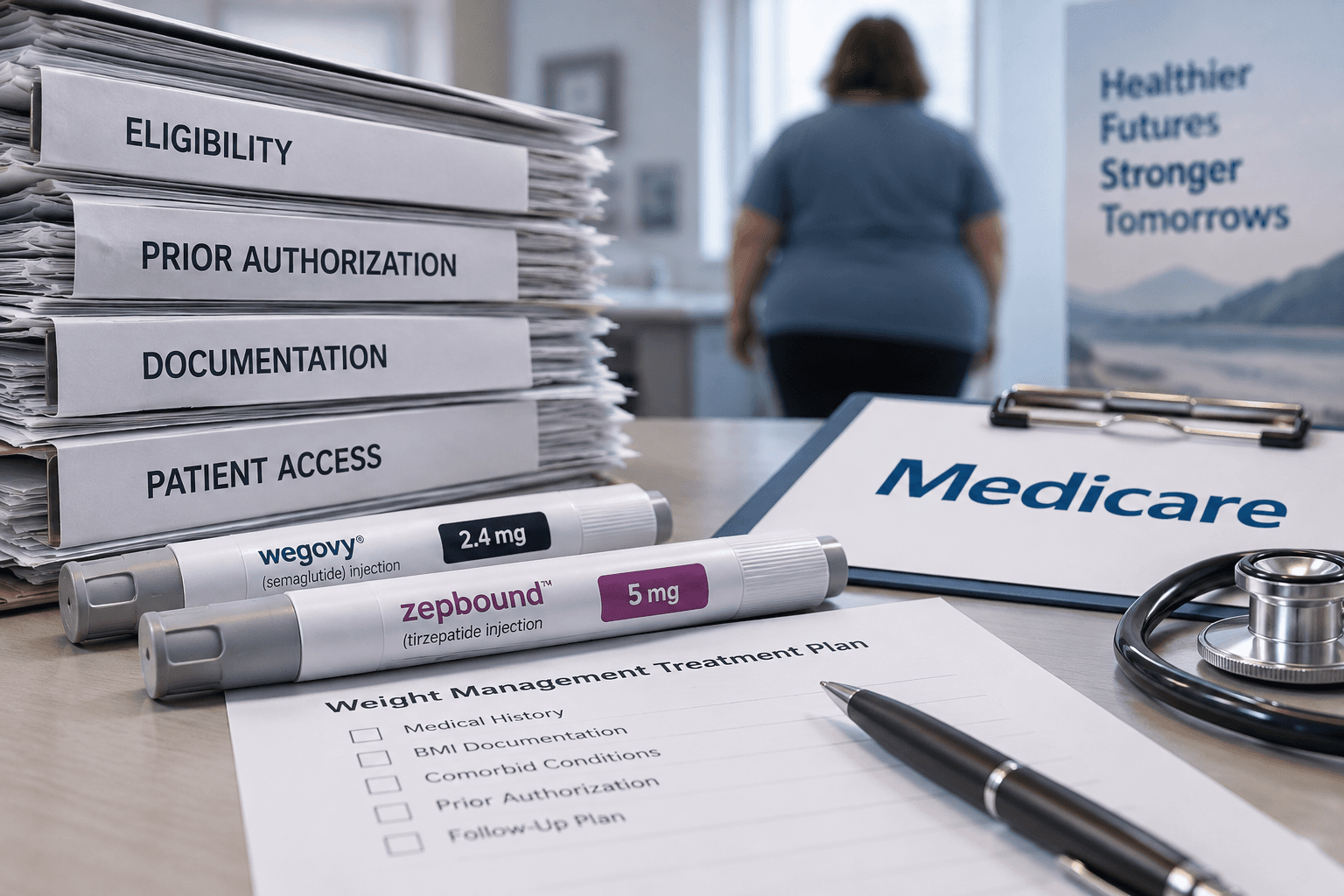
Medicare's GLP-1 'Bridge' Program May Limit Access to Weight Loss Drugs
Medicare's new 'Bridge' program aims to make GLP-1 weight loss medications more affordable, but its complex eligibility criteria and administrative burdens may limit access for patients. The program, which offers discounted access to medications like Wegovy and Zepbound, requires extensive documentation and prior authorizations, which can delay treatment and increase staff workload.
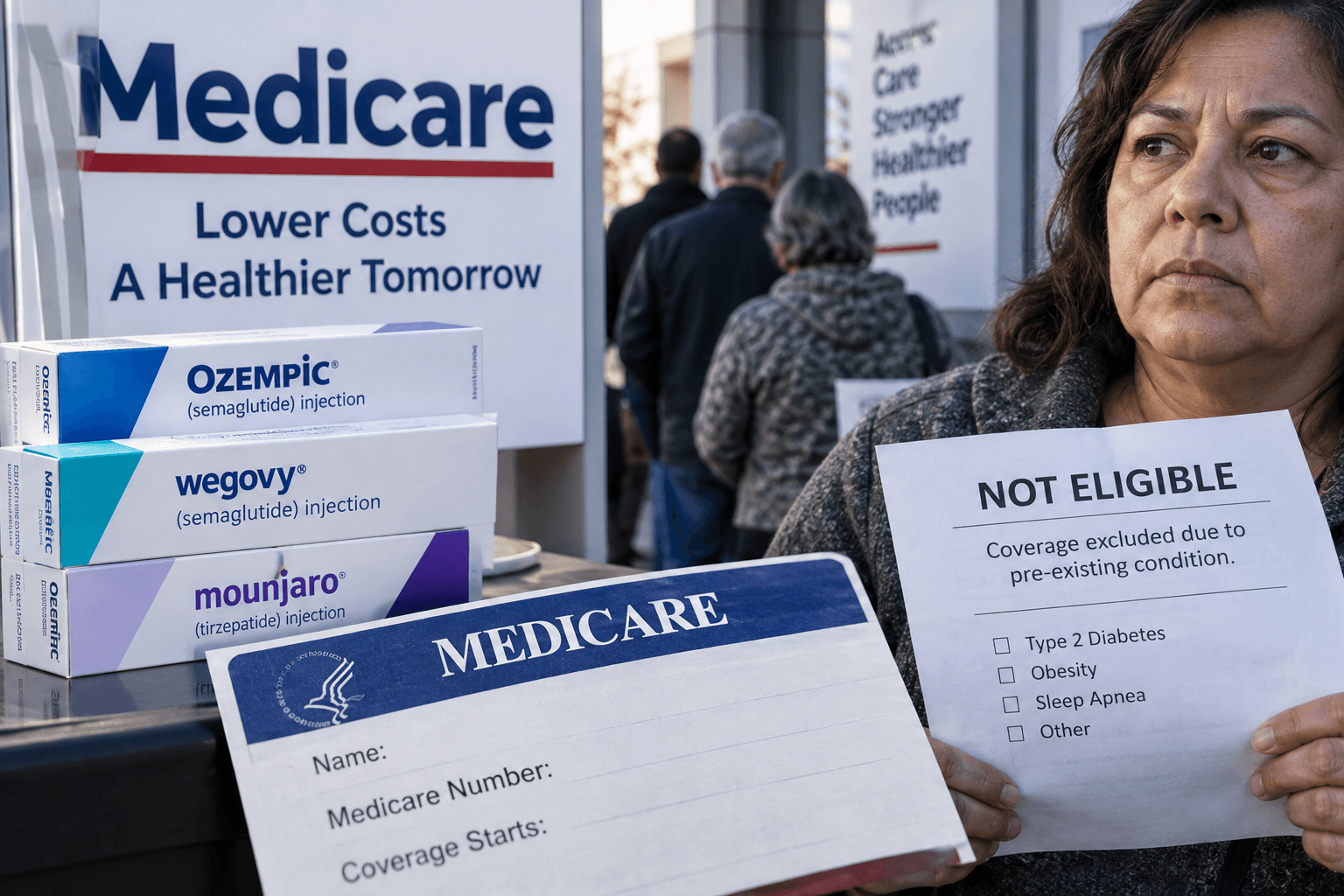
Medicare's GLP-1 Discount Program Leaves Many Patients Behind
A new Medicare pilot program offers discounted GLP-1 medications for weight loss, but millions of patients are excluded due to pre-existing medical conditions, leaving them with unaffordable treatment options.
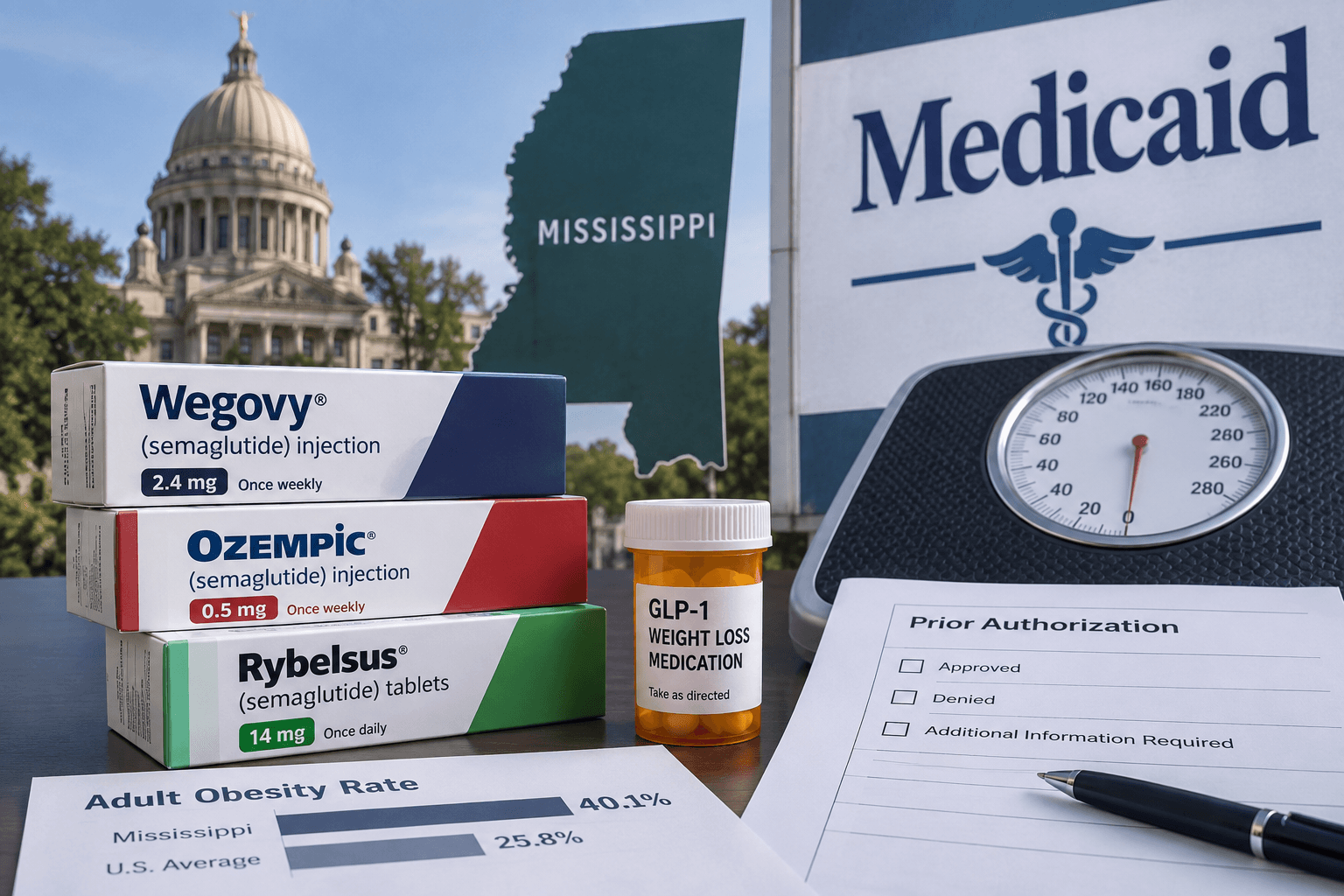
Mississippi Medicaid Struggles to Cover Weight Loss Drugs Despite High Obesity Rates
In Mississippi, where obesity rates are among the highest in the country, Medicaid coverage of weight loss drugs known as GLP-1s has been slow to take off due to national drug shortages, prior authorization requirements, and lack of marketing. Only 2% of eligible adults have been prescribed the drugs, which can cost around $1,000 a month.