Medicare's GLP-1 Discount Program Leaves Many Patients Behind
A new Medicare pilot program offers discounted GLP-1 medications for weight loss, but millions of patients are excluded due to pre-existing medical conditions, leaving them with unaffordable treatment options.
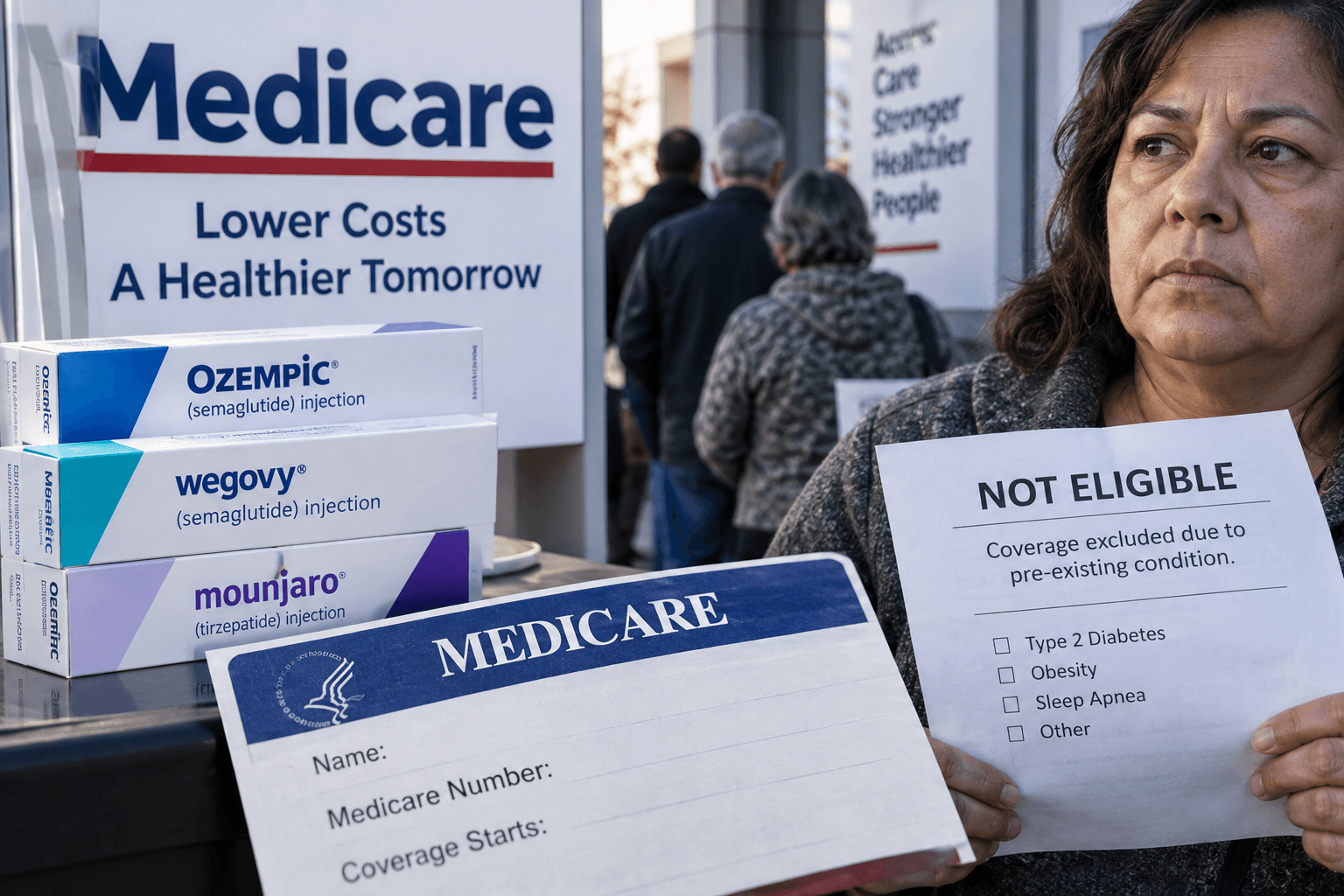
- Medicare's GLP-1 Bridge program offers discounted medications for weight loss, but excludes patients with pre-existing medical conditions
- An estimated 5.9 million Medicare enrollees are excluded from the program due to conditions such as Type 2 diabetes or sleep apnea
- Patients with qualifying medical conditions are routed back to their Medicare Part D prescription drug plan, which can require high copays
- The program's fine print is tripping up patients who need affordable treatment options
- Primary care physicians note that the program is leaving behind patients with the greatest medical need
Jeff La Marca, a 68-year-old retired professor from New Jersey, was thrilled to learn about Medicare's new GLP-1 Bridge program, which offers discounted medications for weight loss. However, his excitement was short-lived, as his application was denied due to his severe obstructive sleep apnea diagnosis.
What is the GLP-1 Bridge program and how does it work?
La Marca is among an estimated 5.9 million Medicare enrollees who are excluded from the program because they have a medical condition such as Type 2 diabetes or sleep apnea. The program, which launched in July, is a short-term pilot that offers coverage of three GLP-1 medications, including Wegovy and Zepbound, for weight loss and management.
Why are some patients excluded from the GLP-1 Bridge program?
The pilot program is designed to target patients who can't get GLP-1 coverage through Medicare Part D but would benefit from taking one for weight loss. However, patients like La Marca, who have a qualifying medical condition, are instead routed back to their Medicare Part D prescription drug plan, which can require copays of hundreds of dollars a month for GLP-1s.
According to Juliette Cubanski, director of the Program on Medicare Policy at KFF, the Bridge program was designed to help patients who can't get GLP-1 coverage through Part D. However, the program's fine print is tripping up patients like La Marca, who are left with unaffordable treatment options.
Primary care physician Taylor Lacy notes that the Bridge program is leaving behind patients with the greatest medical need. Many Medicare patients already must navigate prior authorization and spend months trying alternate, often cheaper treatments, before finally getting approval, only to discover that their GLP-1 copays will run them $200 to $600 a month.
For now, La Marca's GLP-1 prescription remains unfilled, and he is left waiting for a solution. His story highlights the challenges faced by millions of patients who are struggling to access affordable treatment options.
FAQ
- What is the GLP-1 Bridge program?
- A short-term pilot program that offers coverage of three GLP-1 medications for weight loss and management.
- Why are some patients excluded from the program?
- Patients with certain medical conditions, such as Type 2 diabetes or sleep apnea, are excluded from the program.
Read next
Medicare to Offer Cheaper GLP-1 Weight Loss Medications to Seniors
A new pilot program will allow some Medicare recipients to access GLP-1 weight loss medications for $50 a month, potentially helping millions of older adults who struggle with obesity. The program, set to launch on July 1, will cover three drugs and be available to those with Medicare Part D who meet certain conditions.
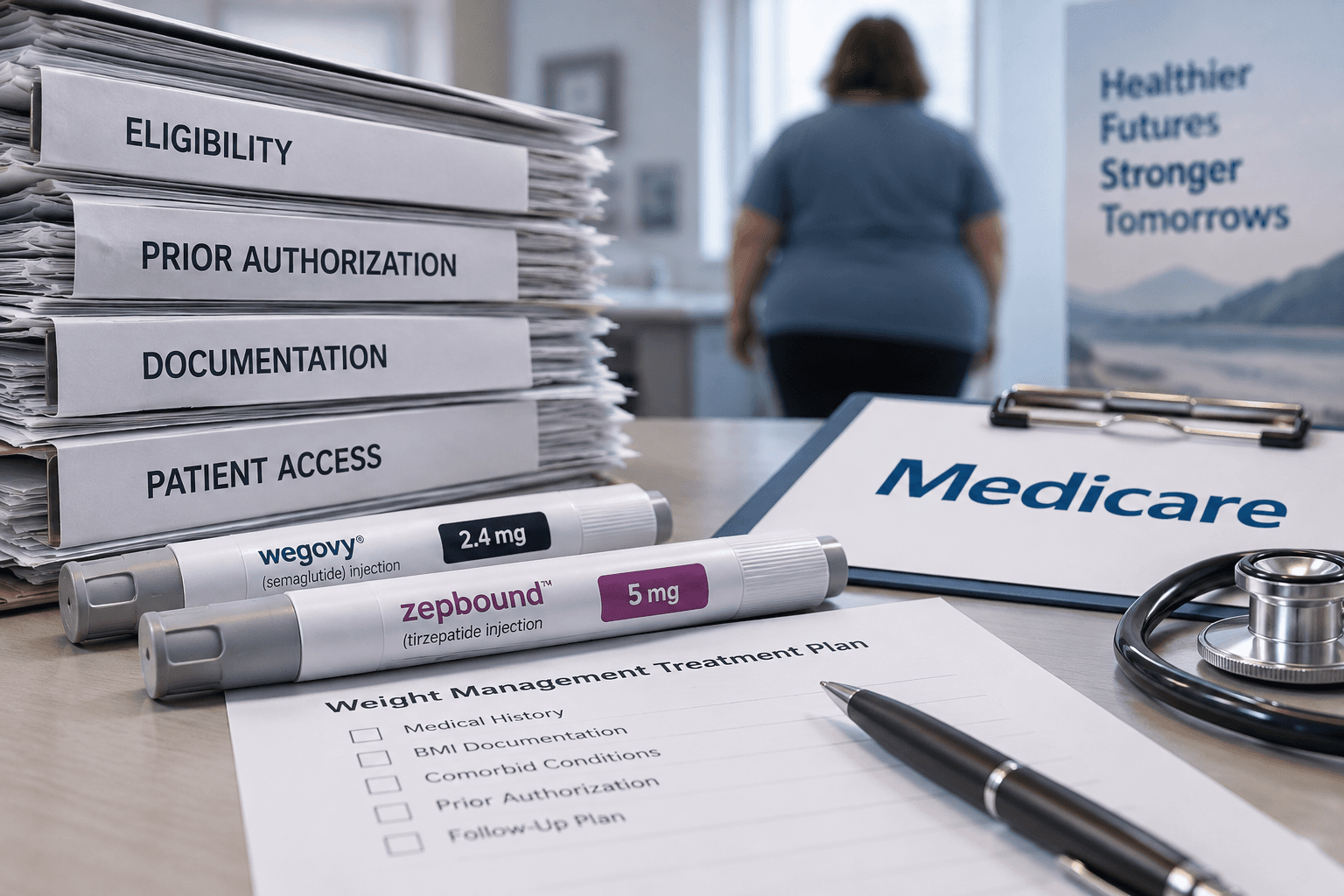
Medicare's GLP-1 'Bridge' Program May Limit Access to Weight Loss Drugs
Medicare's new 'Bridge' program aims to make GLP-1 weight loss medications more affordable, but its complex eligibility criteria and administrative burdens may limit access for patients. The program, which offers discounted access to medications like Wegovy and Zepbound, requires extensive documentation and prior authorizations, which can delay treatment and increase staff workload.
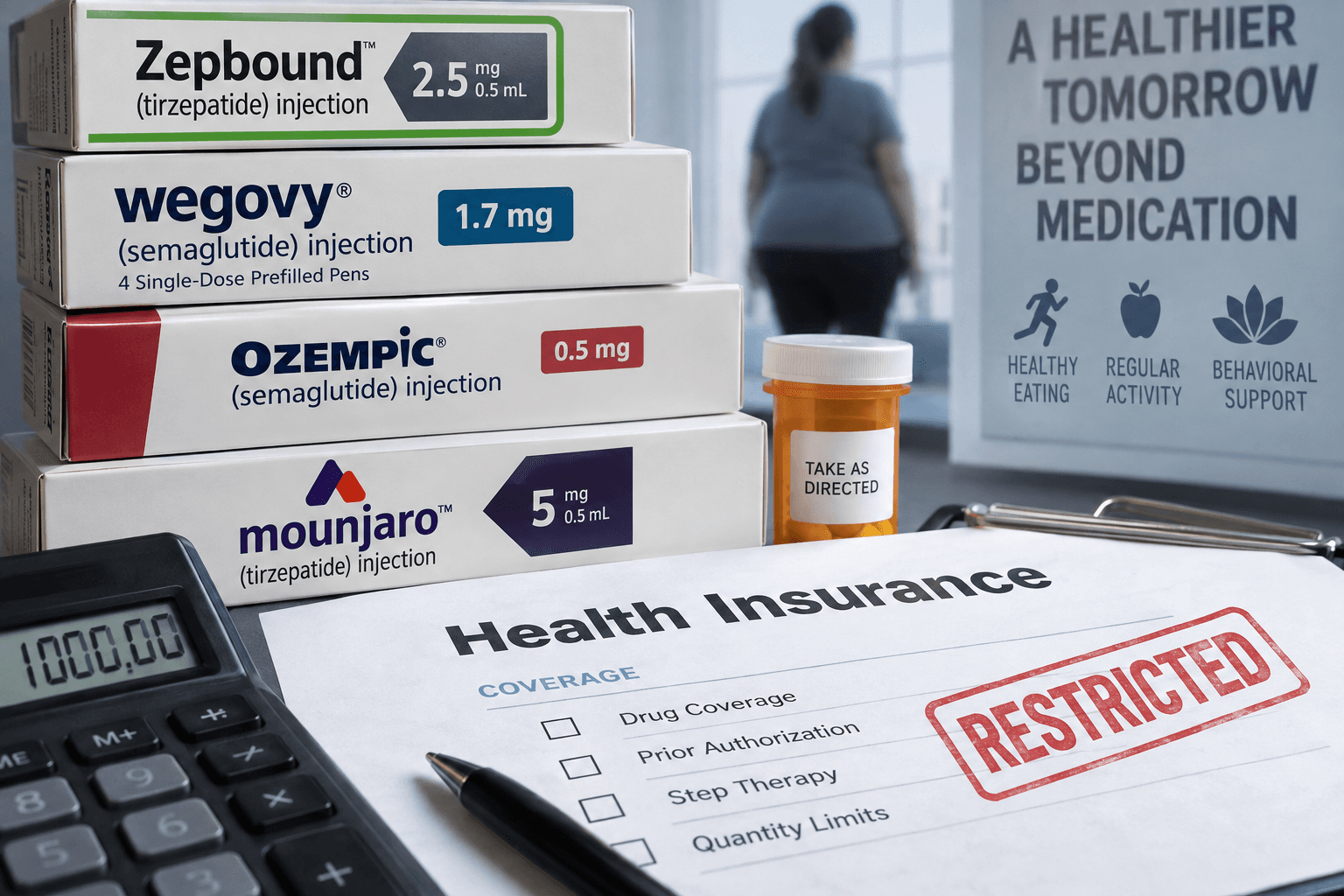
Insurers Struggle with Soaring GLP-1 Drug Costs, Seek to Wean Patients Off
With list prices of roughly $1,000 a month, public and private payers are struggling to keep up with ballooning demand for GLP-1 weight loss drugs, leading some to restrict coverage or explore 'deprescription' to taper patients off the medication.
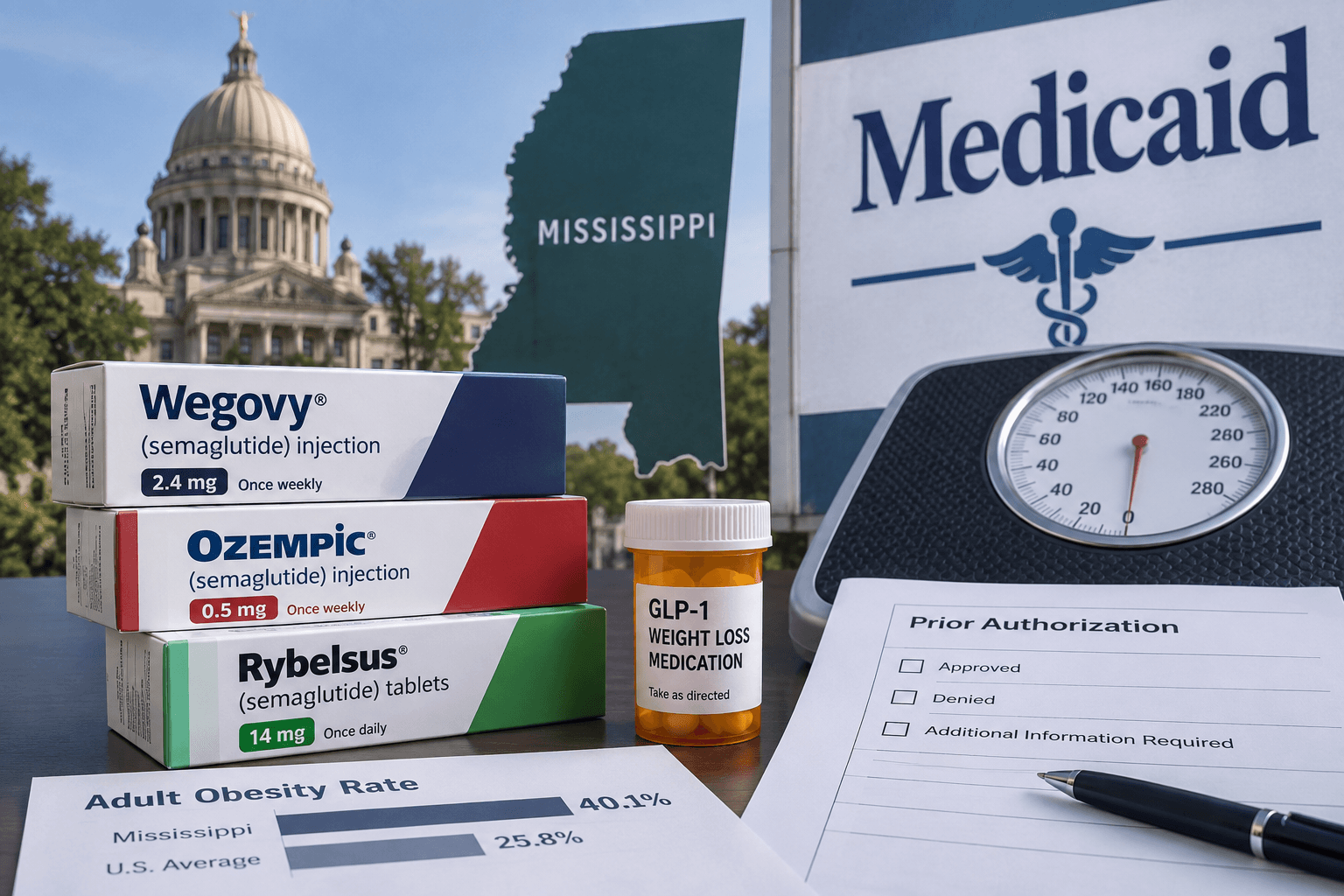
Mississippi Medicaid Struggles to Cover Weight Loss Drugs Despite High Obesity Rates
In Mississippi, where obesity rates are among the highest in the country, Medicaid coverage of weight loss drugs known as GLP-1s has been slow to take off due to national drug shortages, prior authorization requirements, and lack of marketing. Only 2% of eligible adults have been prescribed the drugs, which can cost around $1,000 a month.
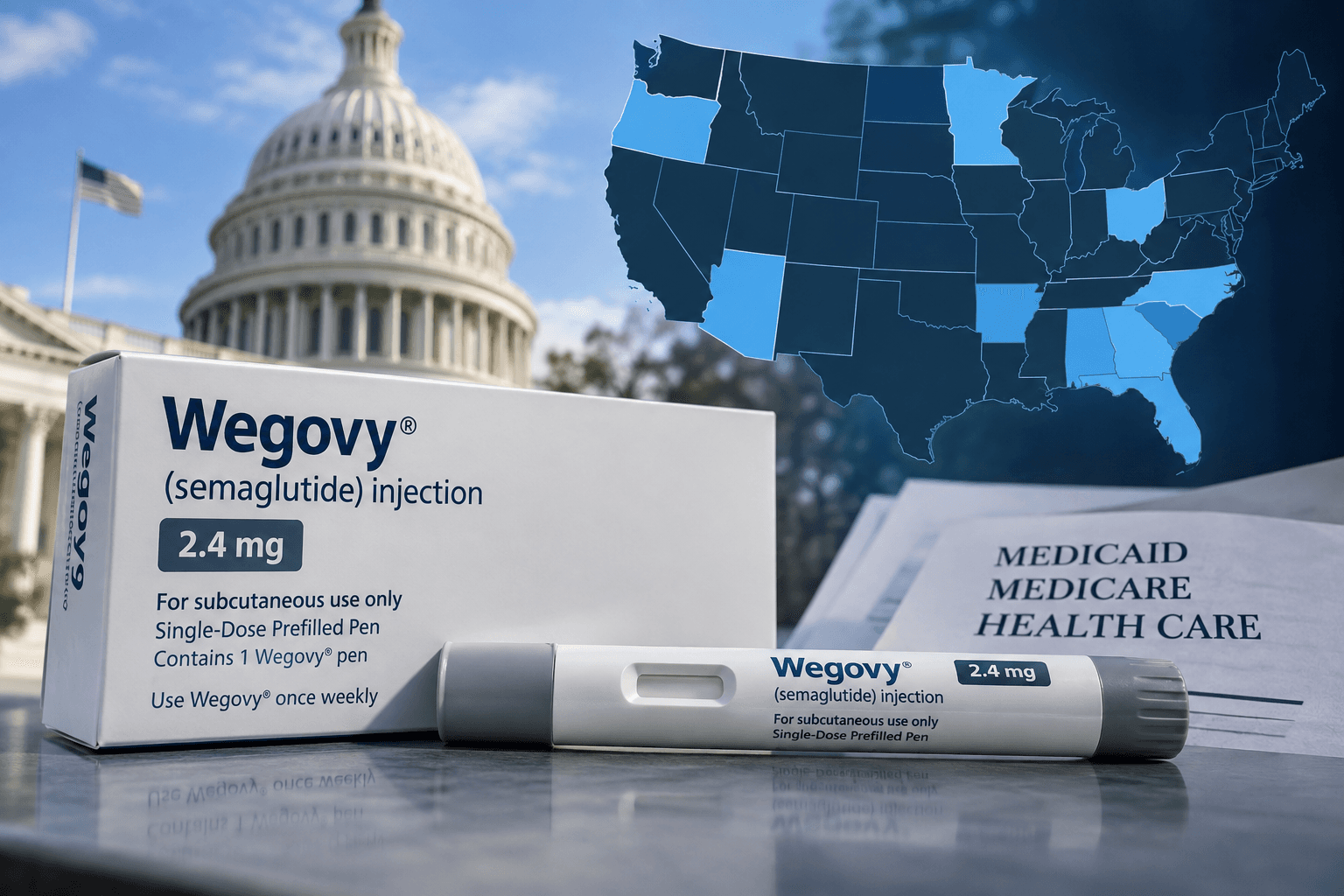
States Take Lead in Covering Weight Loss Drugs as Federal Government Holds Back
South Carolina and 13 other states are covering GLP-1s, a class of weight loss drugs, for Medicaid beneficiaries, despite the federal government's decision not to finalize a rule that would have allowed millions to access the treatment.