Mississippi Medicaid Struggles to Cover Weight Loss Drugs Despite High Obesity Rates
In Mississippi, where obesity rates are among the highest in the country, Medicaid coverage of weight loss drugs known as GLP-1s has been slow to take off due to national drug shortages, prior authorization requirements, and lack of marketing. Only 2% of eligible adults have been prescribed the drugs, which can cost around $1,000 a month.
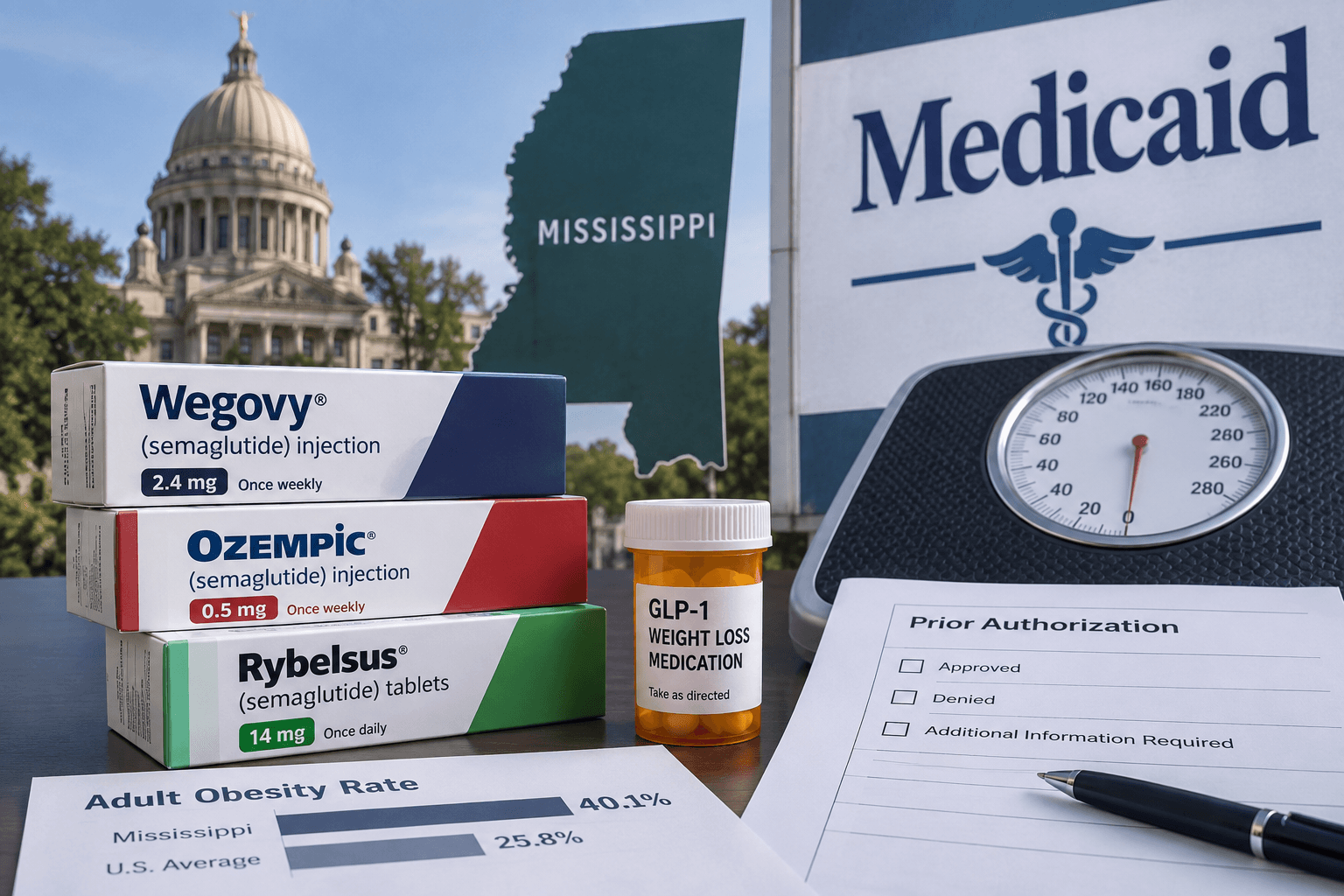
- Only 2% of eligible adults in Mississippi have been prescribed GLP-1s for weight loss despite high obesity rates
- National drug shortages, prior authorization requirements, and lack of marketing have hindered Medicaid coverage of the drugs
- GLP-1s can cost around $1,000 a month and are often not covered by private insurers
- The Trump administration has included GLP-1 drugs on its list of medicines subject to price negotiations with pharmaceutical manufacturers
- Mississippi Medicaid has spent $12 million on the drugs in the first 15 months, providing them to 2,200 adult members
COLUMBUS, Miss. — April Hines has battled with her weight since she was a teenager. But in the past couple of years, she’s fallen from 600 pounds to 385, and her blood pressure and blood sugar levels are down, too. “I’m not as fatigued as I used to be, and I’ve been able to go back to church,” she said.
How does Mississippi Medicaid cover weight loss drugs?
Hines, 46, credits her weight loss to Trulicity, part of a new class of expensive weight loss drugs like Semaglutide known as GLP-1s, and her Medicaid coverage for it. “It’s a blessing,” she said. In a state where the obesity rate ranks among the highest in the country, many health providers were thrilled when Mississippi Medicaid in 2023 began covering GLP-1s like Tirzepatide for people 12 and older.
What are the challenges in accessing GLP-1 weight loss drugs?
However, Hines is one of relatively few enrollees to have used the new Medicaid benefit, which weight loss doctors in the state say has been hindered by national drug shortages, the state’s prior authorization process for the drugs, and a lack of marketing. Just 2% of adults on Mississippi Medicaid who meet the weight-related criteria had been prescribed a GLP-1 as of December 2024, according to a report to the state’s Medicaid Drug Utilization Review Board.
William Rosenblatt, a family doctor in Columbus who treats Hines, said, “These drugs get to the root cause of so many health conditions.” But already-scarce Medicaid coverage of the highly touted weight loss drugs could become more limited, with federal Medicaid funding cuts expected in the wake of the massive tax-and-spending bill President Donald Trump signed into law in July.
The Congressional Budget Office estimated that the law would reduce Medicaid spending by about $911 billion over a decade. “The law is going to create fairly intense pressure on states not to expand benefits,” said Michael Kolber, a partner in the health consulting firm Manatt. That may be especially true for these drugs, which often cost around $1,000 a month and could be used by a large percentage of Medicaid recipients, he said.
GLP-1s, which have been used for years to treat Type 2 diabetes, have gained widespread attention as a way to lose weight and reduce obesity-related conditions and their long-term costs. But states may remain reluctant to offer the expensive drugs for obesity, because Medicaid recipients frequently churn on and off the coverage as their income changes.
Meanwhile, the Trump administration has included the GLP-1 drugs Ozempic, Wegovy, and Rybelsus on its list of 15 medicines that will be subject to price negotiations with pharmaceutical manufacturers under its Medicare Part D program. The results of those negotiations are expected to be announced this fall. Most private insurers don’t cover GLP-1s for weight loss, which can make the drugs unaffordable for those paying out of pocket.
Mississippi Medicaid spokesman Matt Westerfield said the state spent $12 million in the first 15 months, providing the weight loss drugs to 2,200 adult members. He said the state approved the new drugs on the logic that treating obesity would improve enrollees’ health and eventually could lead to cost savings by reducing diseases caused by obesity.
Rosenblatt, who works for Baptist Medical Group, part of a large regional health system, said some doctors have less incentive to prescribe the medicine, because the state doesn’t pay them to counsel patients about necessary dietary changes when taking the new drugs. He called the drugs “game changers,” adding that he has seen patients lose 50 pounds or more within a few months of starting the drugs and no longer need medications for diabetes or other conditions.
FAQ
- What is the cost of GLP-1 weight loss drugs?
- around $1,000 a month
- How many adults have been prescribed GLP-1 weight loss drugs through Mississippi Medicaid?
- 2,200
Read next
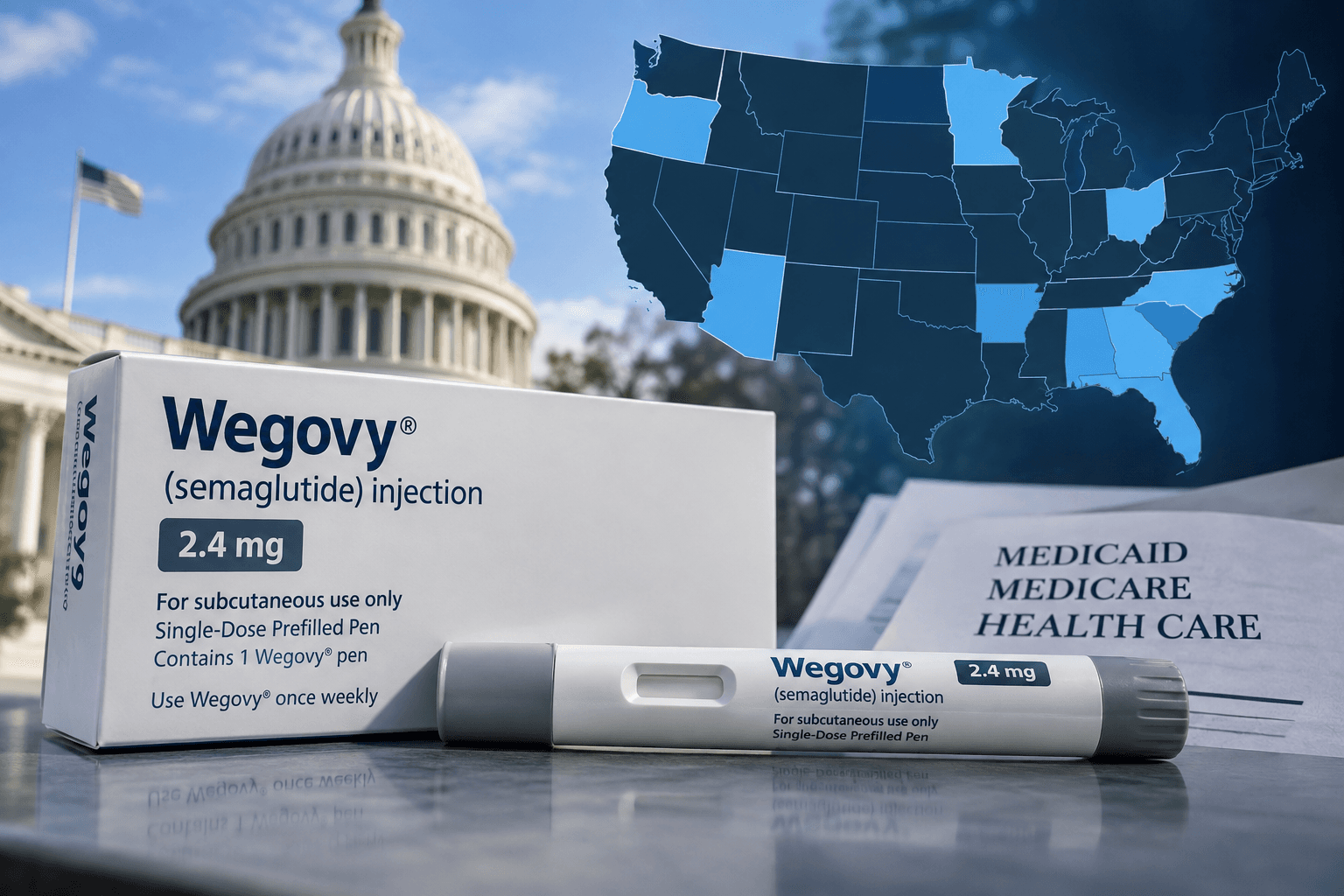
States Take Lead in Covering Weight Loss Drugs as Federal Government Holds Back
South Carolina and 13 other states are covering GLP-1s, a class of weight loss drugs, for Medicaid beneficiaries, despite the federal government's decision not to finalize a rule that would have allowed millions to access the treatment.
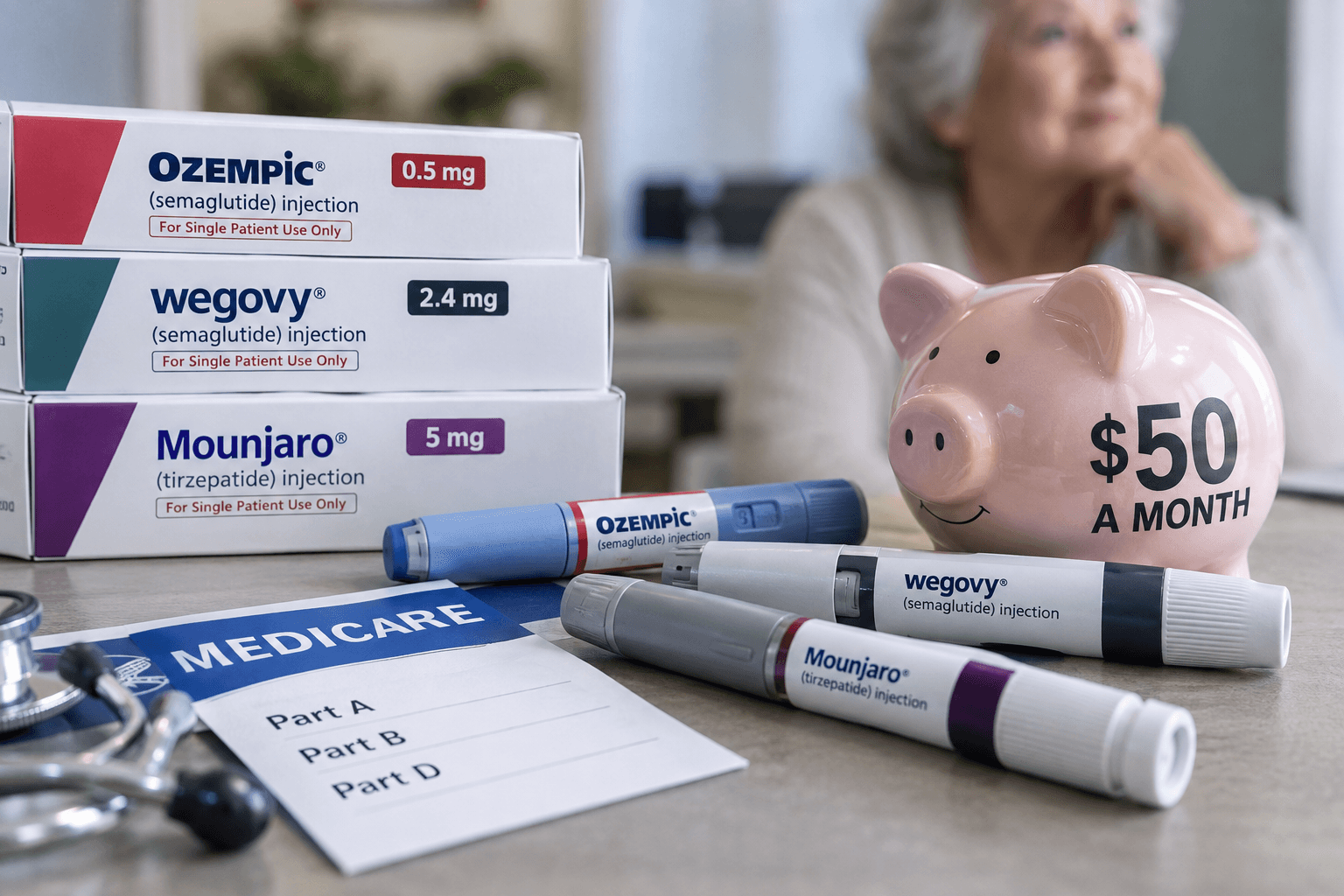
Medicare to Offer Cheaper GLP-1 Weight Loss Medications to Seniors
A new pilot program will allow some Medicare recipients to access GLP-1 weight loss medications for $50 a month, potentially helping millions of older adults who struggle with obesity. The program, set to launch on July 1, will cover three drugs and be available to those with Medicare Part D who meet certain conditions.
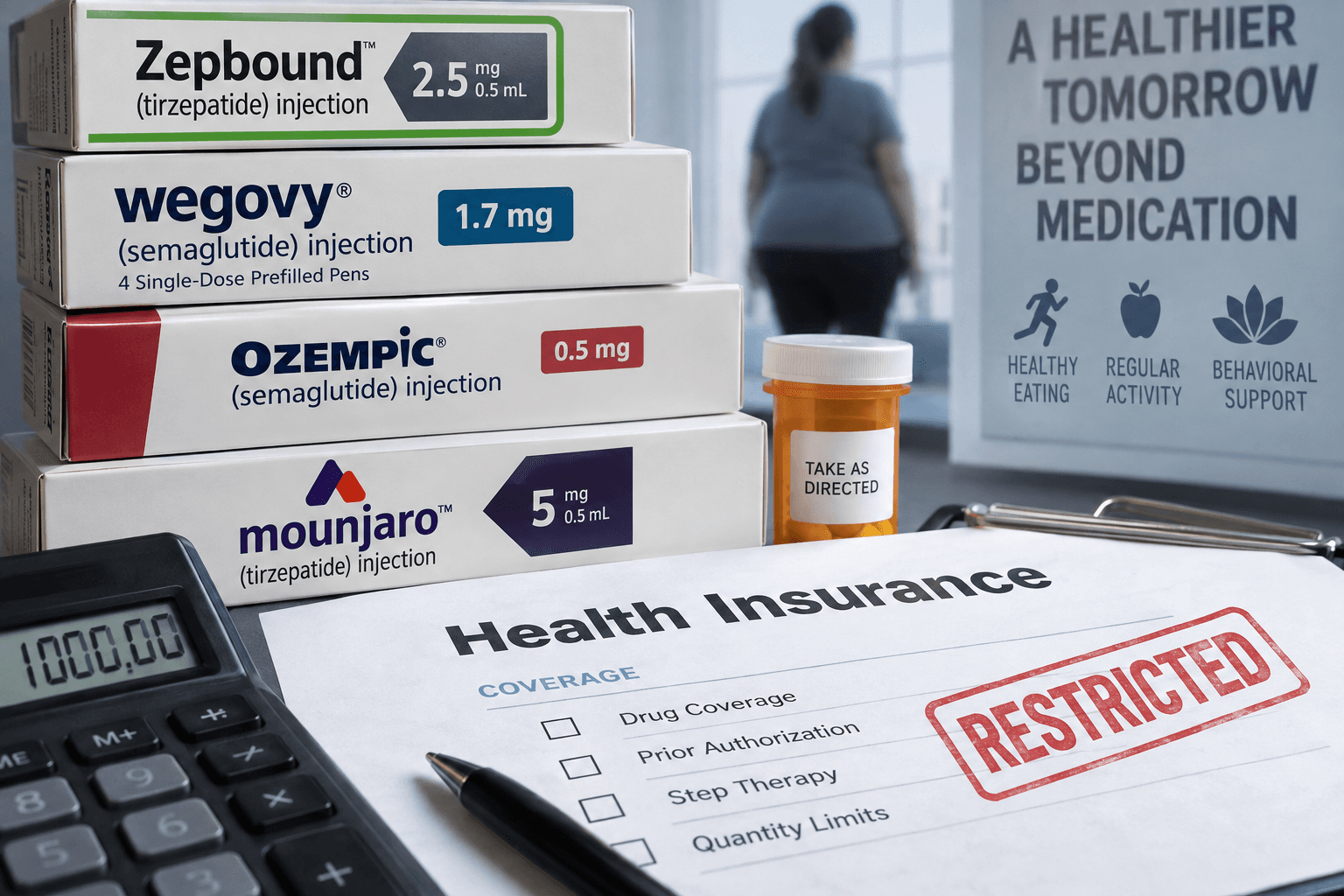
Insurers Struggle with Soaring GLP-1 Drug Costs, Seek to Wean Patients Off
With list prices of roughly $1,000 a month, public and private payers are struggling to keep up with ballooning demand for GLP-1 weight loss drugs, leading some to restrict coverage or explore 'deprescription' to taper patients off the medication.
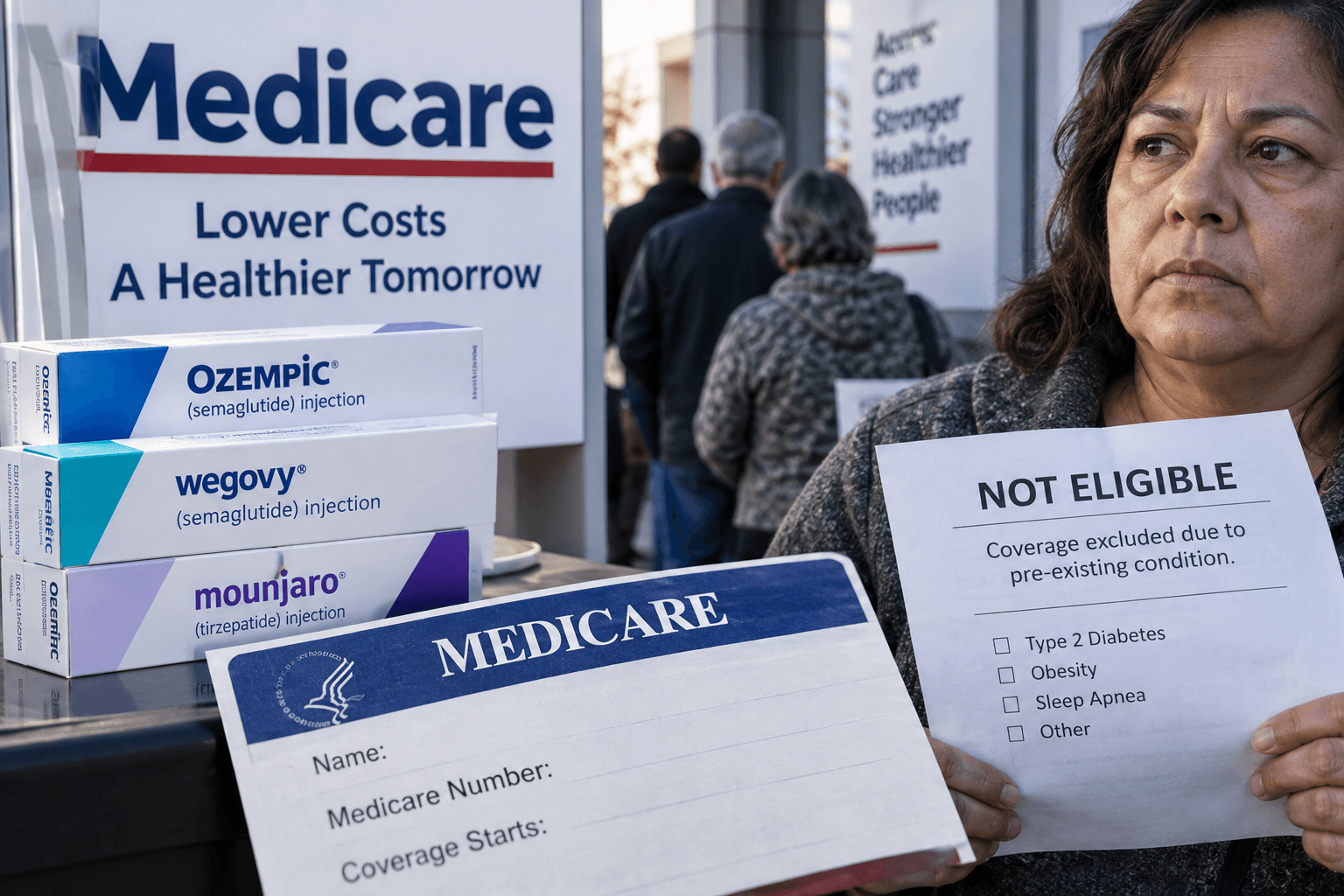
Medicare's GLP-1 Discount Program Leaves Many Patients Behind
A new Medicare pilot program offers discounted GLP-1 medications for weight loss, but millions of patients are excluded due to pre-existing medical conditions, leaving them with unaffordable treatment options.
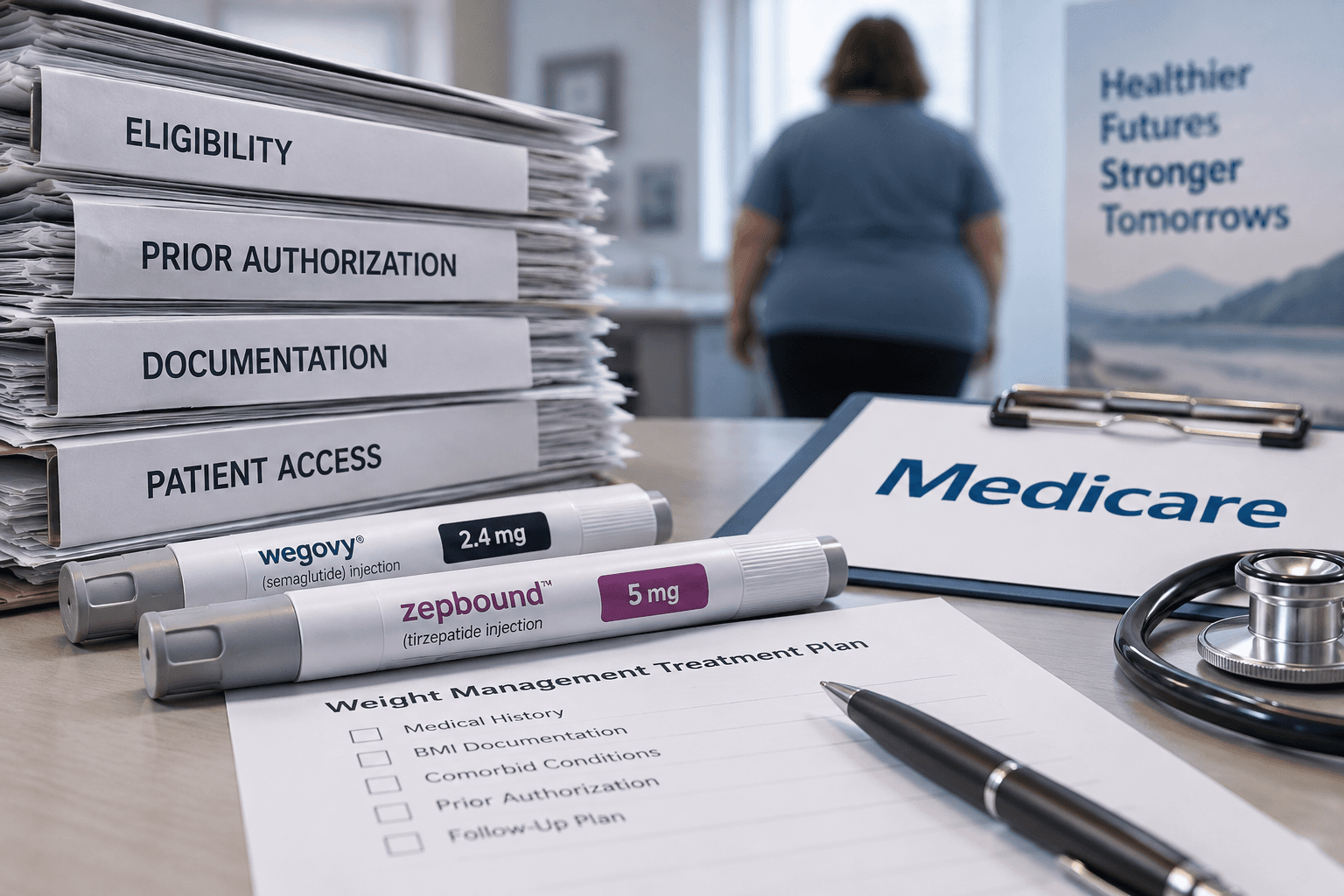
Medicare's GLP-1 'Bridge' Program May Limit Access to Weight Loss Drugs
Medicare's new 'Bridge' program aims to make GLP-1 weight loss medications more affordable, but its complex eligibility criteria and administrative burdens may limit access for patients. The program, which offers discounted access to medications like Wegovy and Zepbound, requires extensive documentation and prior authorizations, which can delay treatment and increase staff workload.