States Take Lead in Covering Weight Loss Drugs as Federal Government Holds Back
South Carolina and 13 other states are covering GLP-1s, a class of weight loss drugs, for Medicaid beneficiaries, despite the federal government's decision not to finalize a rule that would have allowed millions to access the treatment.
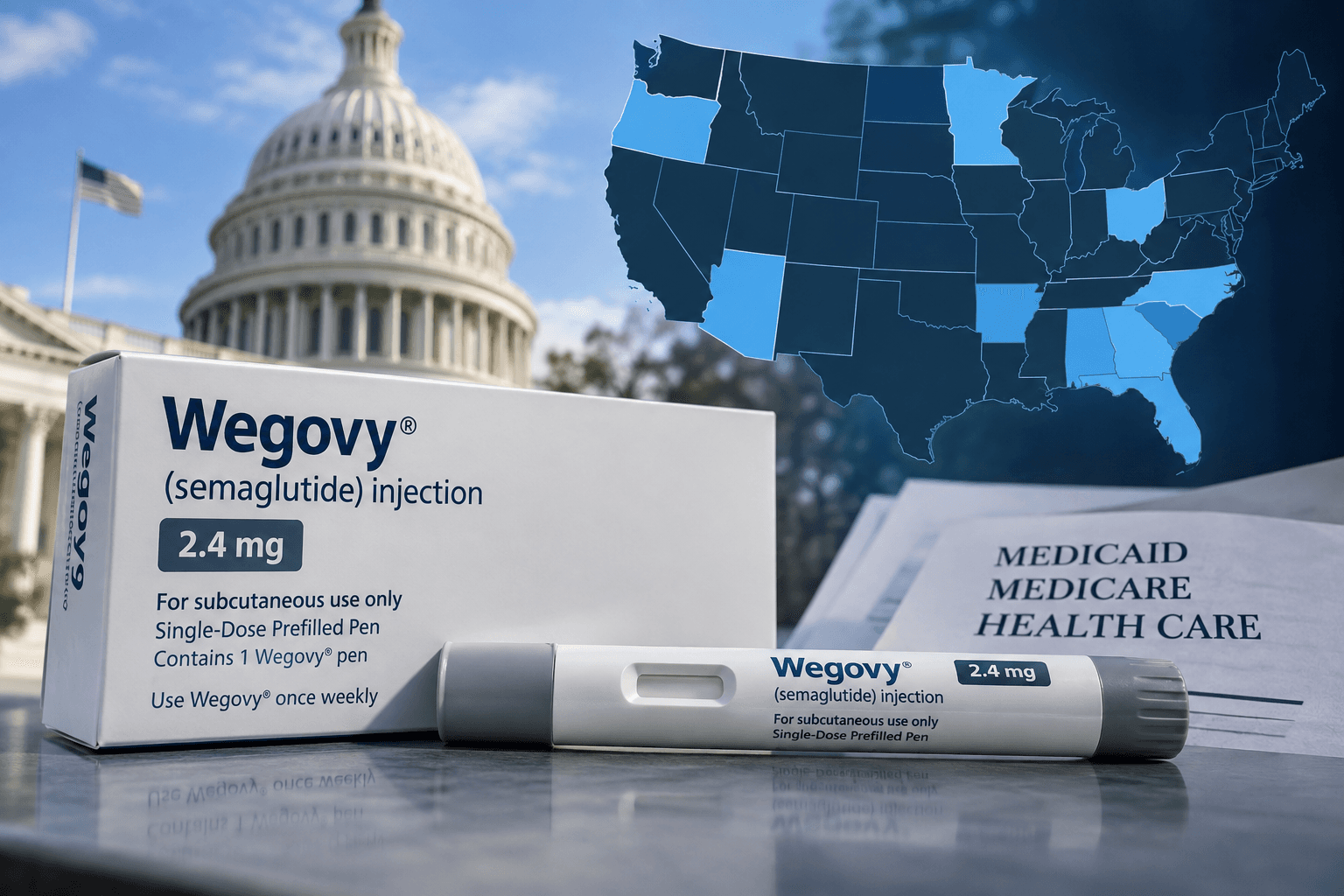
- 14 states, including South Carolina, cover GLP-1s for Medicaid beneficiaries
- The federal government will not finalize a rule to allow Medicare and Medicaid to cover GLP-1s for weight loss
- GLP-1s can cost over $1,000 per patient per month, making them inaccessible to many
- California and North Carolina have proposed or voted to end coverage of GLP-1s due to high costs
- Public health experts applaud South Carolina's decision to cover GLP-1s, but more work is needed to address obesity
CHARLESTON, S.C. — When Page Campbell’s doctor recommended she try an injectable prescription drug called Wegovy to lose weight before scheduling bariatric surgery, she readily agreed. Campbell, 40, a single mother of two, has struggled with her weight for years and was eager to try anything.
What are GLP-1 weight loss drugs?
Wegovy belongs to a pricey class of drugs called GLP-1s that have upended the treatment of obesity in recent years, offering hope to patients who have tried and failed to lose weight in other ways. Despite the potential benefits, many public and private health insurers have deemed the drugs too expensive, leaving millions of patients without access.
Why are states covering GLP-1 weight loss drugs?
South Carolina Medicaid’s decision to cover these weight loss drugs has been met with excitement among medical professionals, but the state anticipates relatively few people will access the benefit annually due to the rigorous approval process and high cost. The federal government won’t be helping anytime soon, either, as the Trump administration announced it will not finalize a rule proposed by the Biden administration that would have allowed an estimated 7.4 million people covered by Medicare and Medicaid to access GLP-1s for weight loss.
Liz Williams, one of the authors of a report on GLP-1 coverage, said she was not aware of any other state Medicaid programs joining the list of 14 states that cover the drugs for obesity treatment. The remaining states may be reluctant to add a new, expensive drug benefit while they brace for potential federal cuts coming from Congress.
California Gov. Gavin Newsom has proposed eliminating Medicaid coverage of GLP-1s for weight loss starting Jan. 1, to save an estimated $680 million a year by 2028. The North Carolina State Health Plan Board of Trustees voted last year to end coverage of GLP-1s for state employees, after estimating the drugs would cost the State Health Plan $1 billion over the next six years.
Public health experts have applauded South Carolina Medicaid’s decision to cover GLP-1s, but the new benefit won’t help the vast majority of the 1.5 million adults in South Carolina who are classified as obese. The state’s new “Action Plan for Healthy Eating and Active Living” makes no mention of GLP-1s or the role they might play in lowering obesity rates in the state.
GLP-1s, such as Semaglutide, have shown promise in treating obesity, but their high cost and potential side effects have limited their accessibility. As the federal government holds back on covering the drugs, states like South Carolina are taking the lead in providing access to this potentially life-changing treatment.
FAQ
- What is Semaglutide?
- A GLP-1 weight loss drug
- Why is the federal government not covering GLP-1 weight loss drugs?
- The Trump administration announced it will not finalize a rule proposed by the Biden administration
Read next
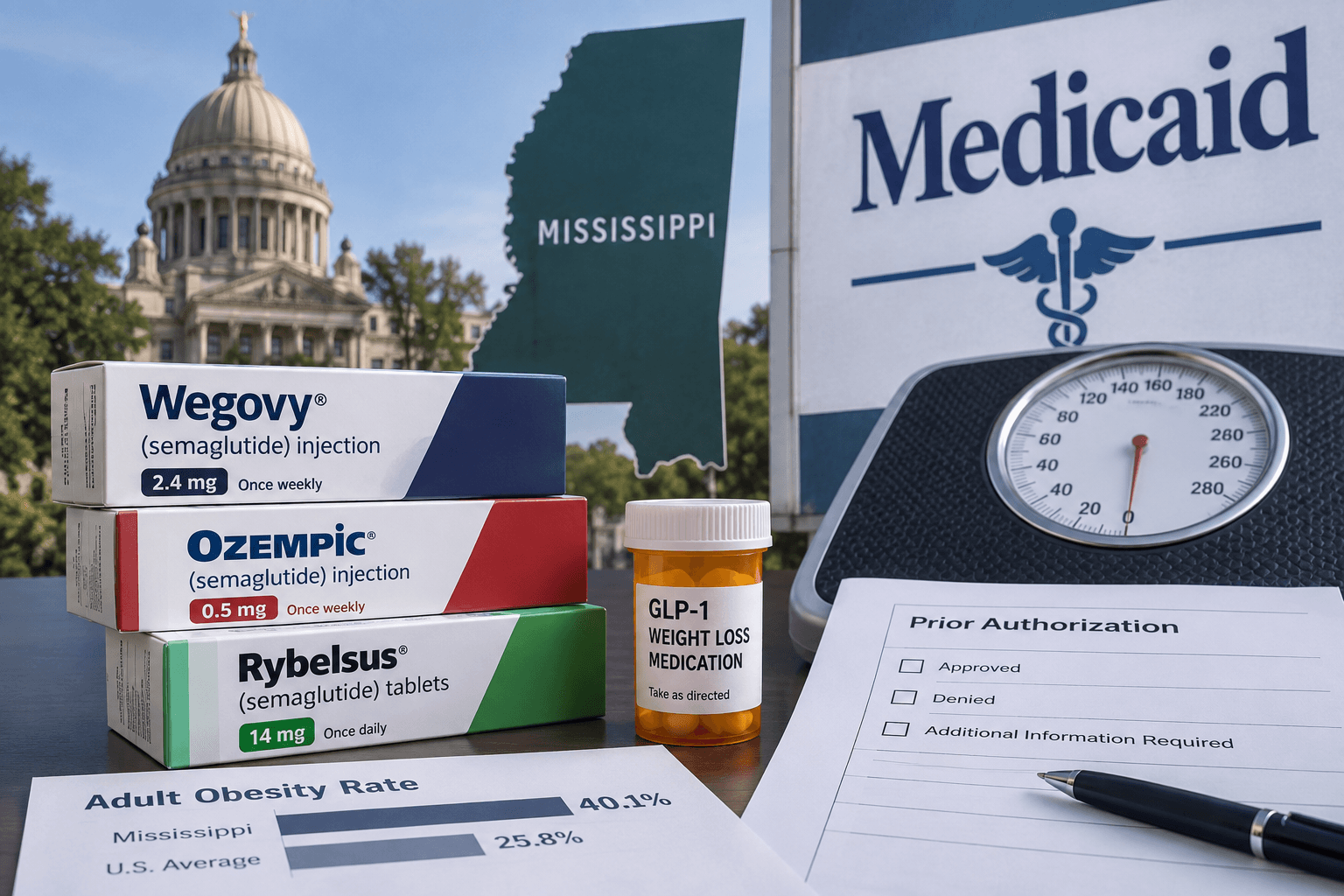
Mississippi Medicaid Struggles to Cover Weight Loss Drugs Despite High Obesity Rates
In Mississippi, where obesity rates are among the highest in the country, Medicaid coverage of weight loss drugs known as GLP-1s has been slow to take off due to national drug shortages, prior authorization requirements, and lack of marketing. Only 2% of eligible adults have been prescribed the drugs, which can cost around $1,000 a month.
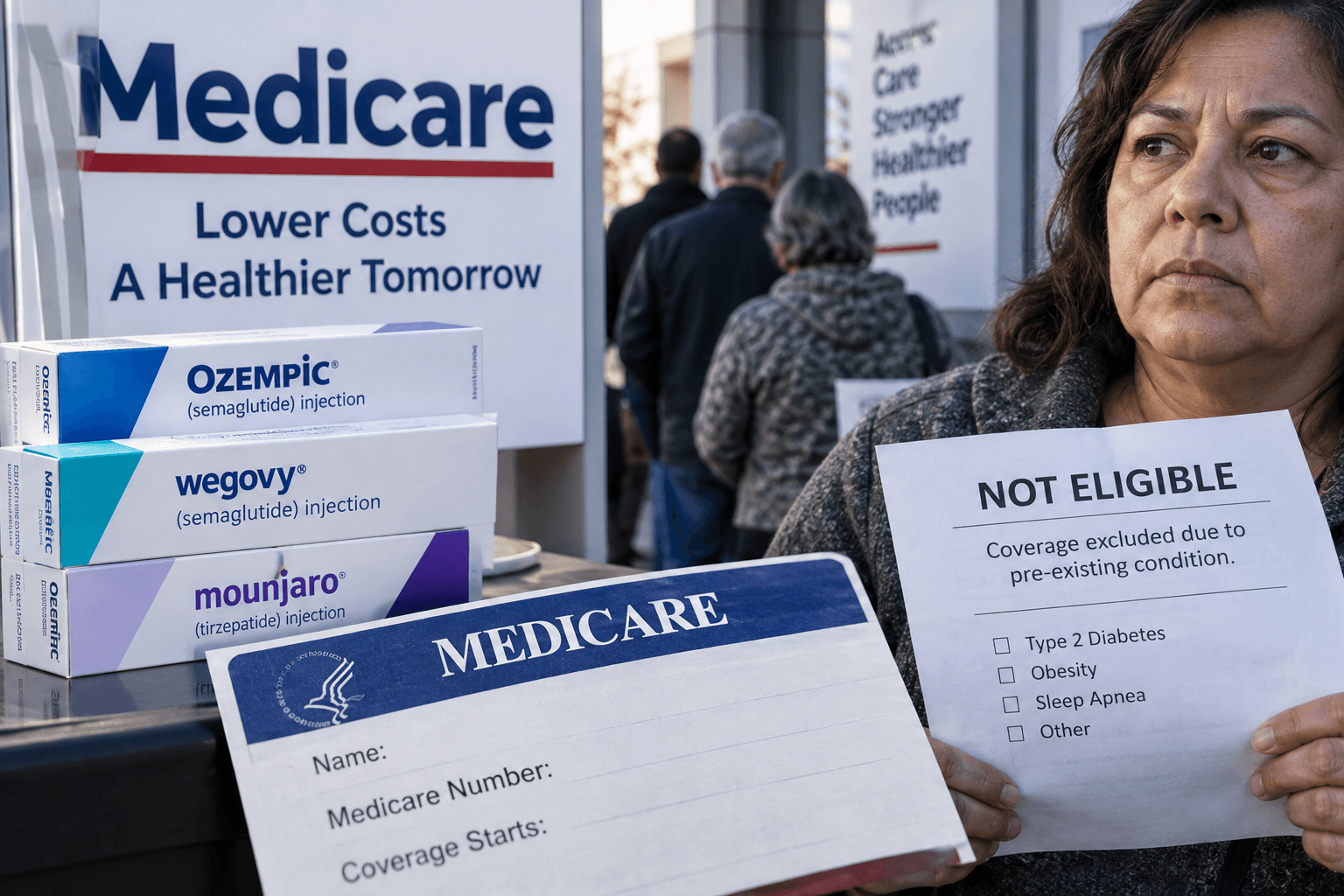
Medicare's GLP-1 Discount Program Leaves Many Patients Behind
A new Medicare pilot program offers discounted GLP-1 medications for weight loss, but millions of patients are excluded due to pre-existing medical conditions, leaving them with unaffordable treatment options.
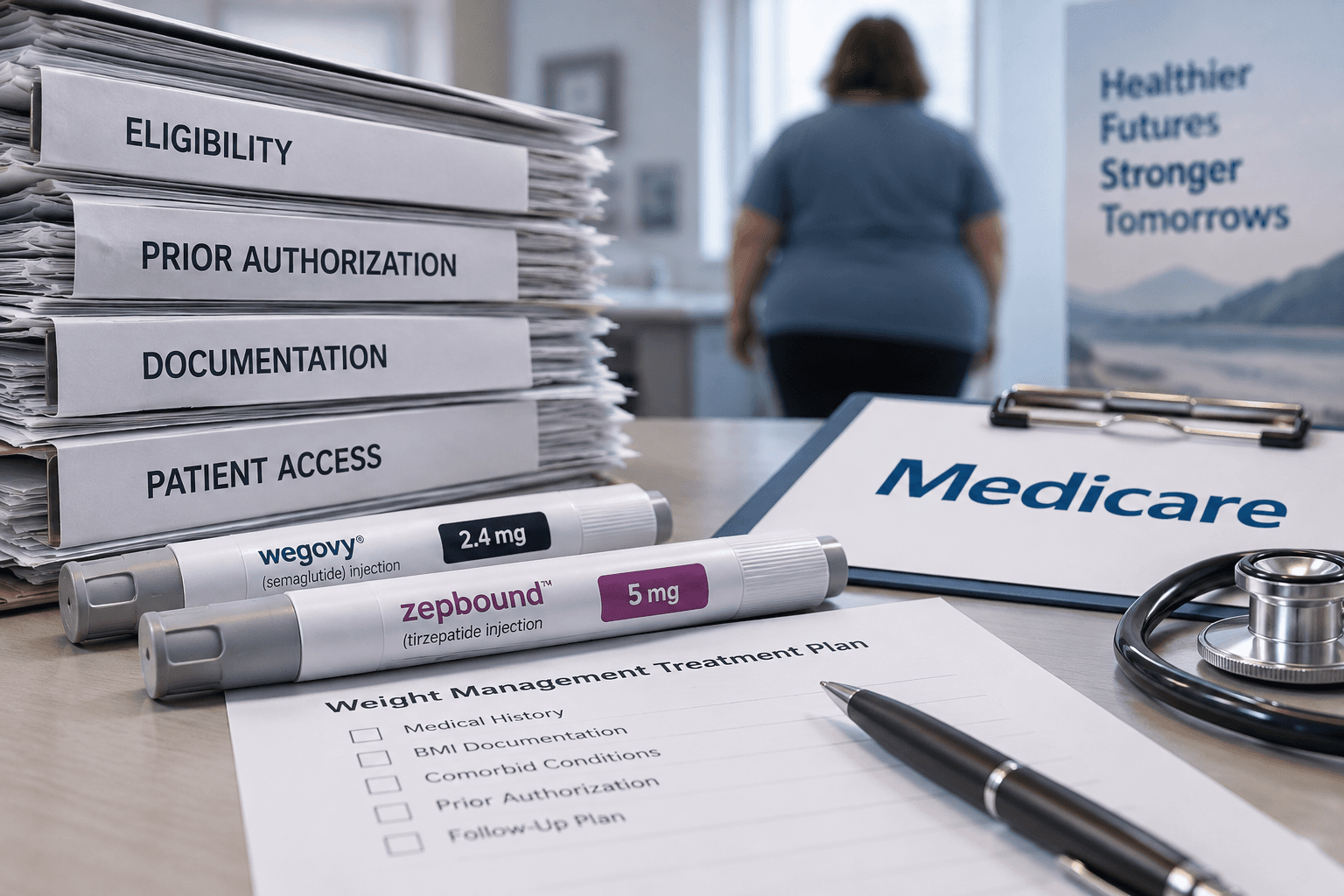
Medicare's GLP-1 'Bridge' Program May Limit Access to Weight Loss Drugs
Medicare's new 'Bridge' program aims to make GLP-1 weight loss medications more affordable, but its complex eligibility criteria and administrative burdens may limit access for patients. The program, which offers discounted access to medications like Wegovy and Zepbound, requires extensive documentation and prior authorizations, which can delay treatment and increase staff workload.
Medicare to Offer Cheaper GLP-1 Weight Loss Medications to Seniors
A new pilot program will allow some Medicare recipients to access GLP-1 weight loss medications for $50 a month, potentially helping millions of older adults who struggle with obesity. The program, set to launch on July 1, will cover three drugs and be available to those with Medicare Part D who meet certain conditions.
Insurers Struggle with Soaring GLP-1 Drug Costs, Seek to Wean Patients Off
With list prices of roughly $1,000 a month, public and private payers are struggling to keep up with ballooning demand for GLP-1 weight loss drugs, leading some to restrict coverage or explore 'deprescription' to taper patients off the medication.