GLP-1 Drugs Do Not Change Injection Needs for Diabetic Macular Edema, Study Finds
GLP-1 receptor agonists did not significantly change how often patients with diabetic macular edema needed anti-VEGF injections, according to a large retrospective cohort study presented at the American Academy of Ophthalmology meeting in New Orleans. Over 24 months of follow-up, treatment frequency showed no sustained or progressive change after patients started a GLP-1 drug, compared with matched patients who did not. Visual acuity and retinal thickness also held steady. Researchers said the results are reassuring amid ongoing uncertainty about the drugs' eye safety, though they cautioned that more research is needed.
- GLP-1 receptor agonists did not significantly change anti-VEGF injection frequency in patients with diabetic macular edema.
- No sustained or progressive change in treatment occurred over 24 months of follow-up.
- Visual acuity and retinal thickness also showed no appreciable change.
- The study analyzed two propensity-matched groups totaling 9,896 patients, drawn from the AAO IRIS Registry.
- Researchers said DME management should continue to be guided by ocular disease activity and anti-VEGF response.
- Other studies at the meeting found mixed results on AMD and AION risk tied to GLP-1 drugs.
- Presenters cautioned that the findings show associations, not proof of cause.
Patients with diabetic macular edema (DME) who started GLP-1 receptor agonists did not need more or fewer anti-VEGF injections, a large retrospective study found. The research was presented at the American Academy of Ophthalmology (AAO) meeting.
Over 24 months of follow-up, there was \
Read next

Insurers Struggle with Soaring GLP-1 Drug Costs, Seek to Wean Patients Off
With list prices of roughly $1,000 a month, public and private payers are struggling to keep up with ballooning demand for GLP-1 weight loss drugs, leading some to restrict coverage or explore 'deprescription' to taper patients off the medication.
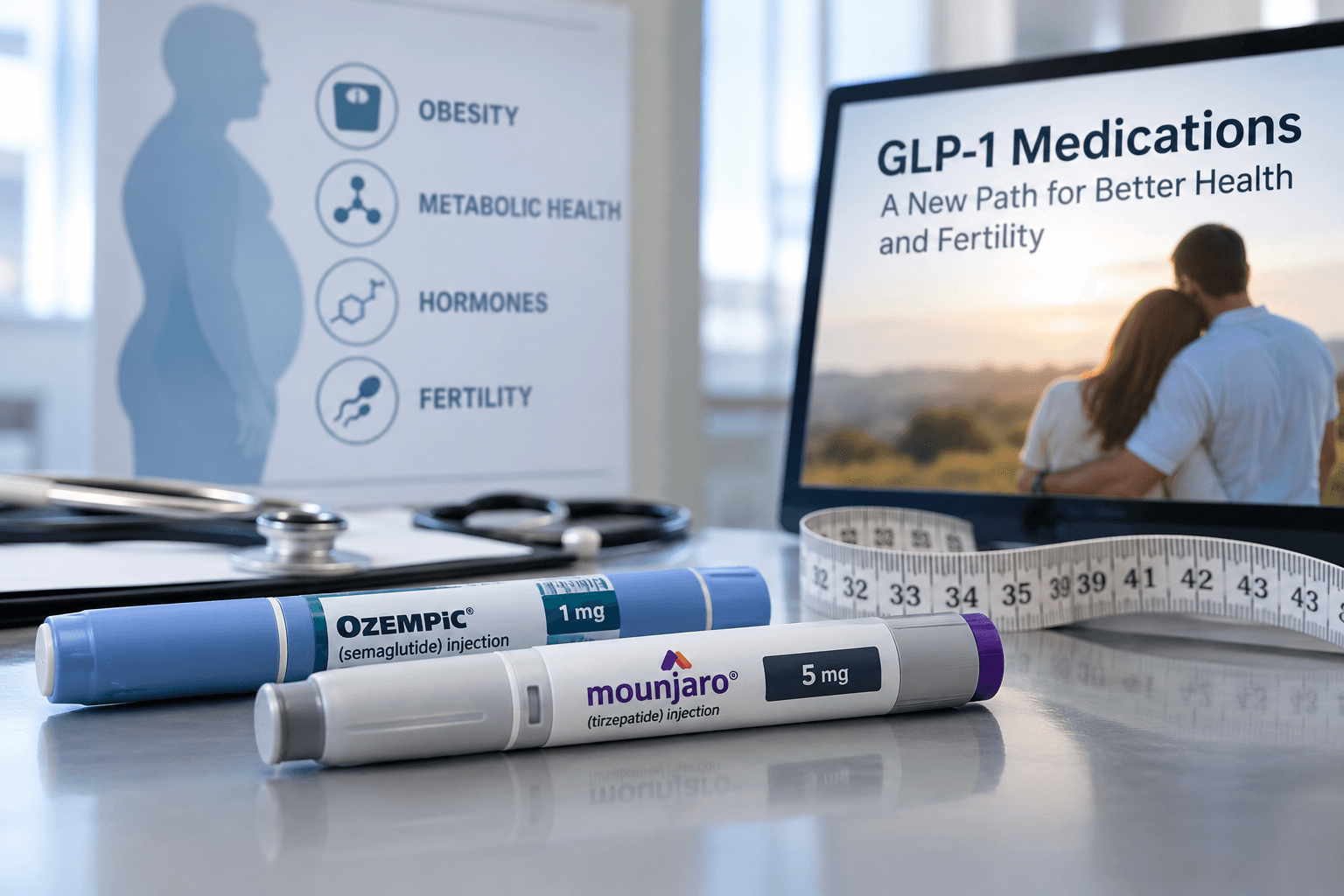
GLP-1 Medications Show Promise in Treating Obesity and Improving Fertility
Research on GLP-1 medications has yielded promising results in treating obesity and improving fertility in men with low testosterone. A study found that GLP-1s may improve testosterone levels and sperm quality, while another study showed a 310-fold increase in GLP-1 prescriptions for children with obesity.

Medicare's GLP-1 Discount Program Leaves Many Patients Behind
A new Medicare pilot program offers discounted GLP-1 medications for weight loss, but millions of patients are excluded due to pre-existing medical conditions, leaving them with unaffordable treatment options.
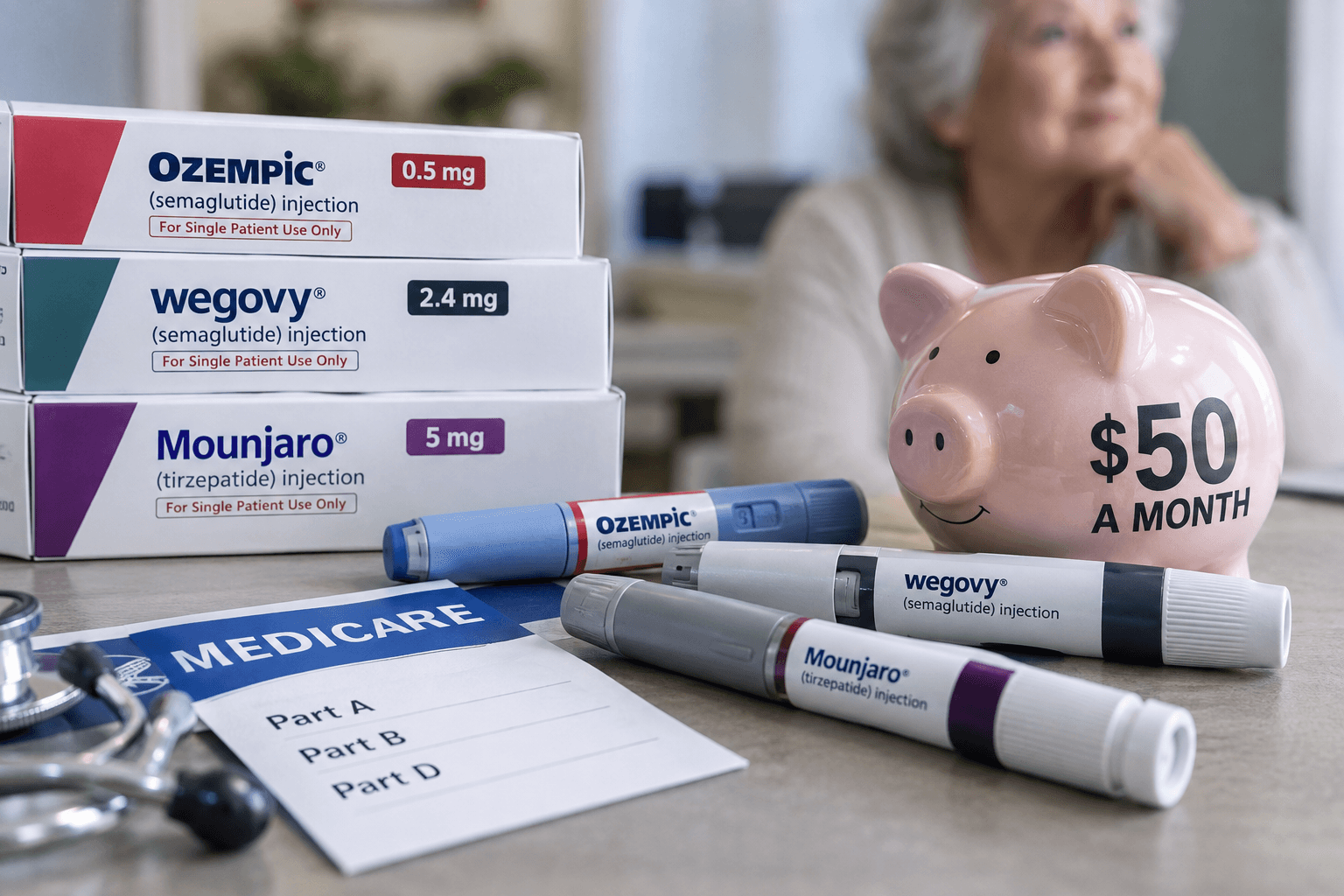
Medicare to Offer Cheaper GLP-1 Weight Loss Medications to Seniors
A new pilot program will allow some Medicare recipients to access GLP-1 weight loss medications for $50 a month, potentially helping millions of older adults who struggle with obesity. The program, set to launch on July 1, will cover three drugs and be available to those with Medicare Part D who meet certain conditions.

GLP-1 Drugs Shift Focus from Obesity Treatment to Lifestyle Enhancement
GLP-1 drugs, once primarily marketed as obesity treatments, are now being promoted as lifestyle enhancers, with companies like Novo Nordisk rebranding their products to appeal to a broader consumer base, using slogans like 'Live lighter' and 'Summer Glow Up'