GLP-1 Medications Show Promise in Treating Obesity and Improving Fertility
Research on GLP-1 medications has yielded promising results in treating obesity and improving fertility in men with low testosterone. A study found that GLP-1s may improve testosterone levels and sperm quality, while another study showed a 310-fold increase in GLP-1 prescriptions for children with obesity.
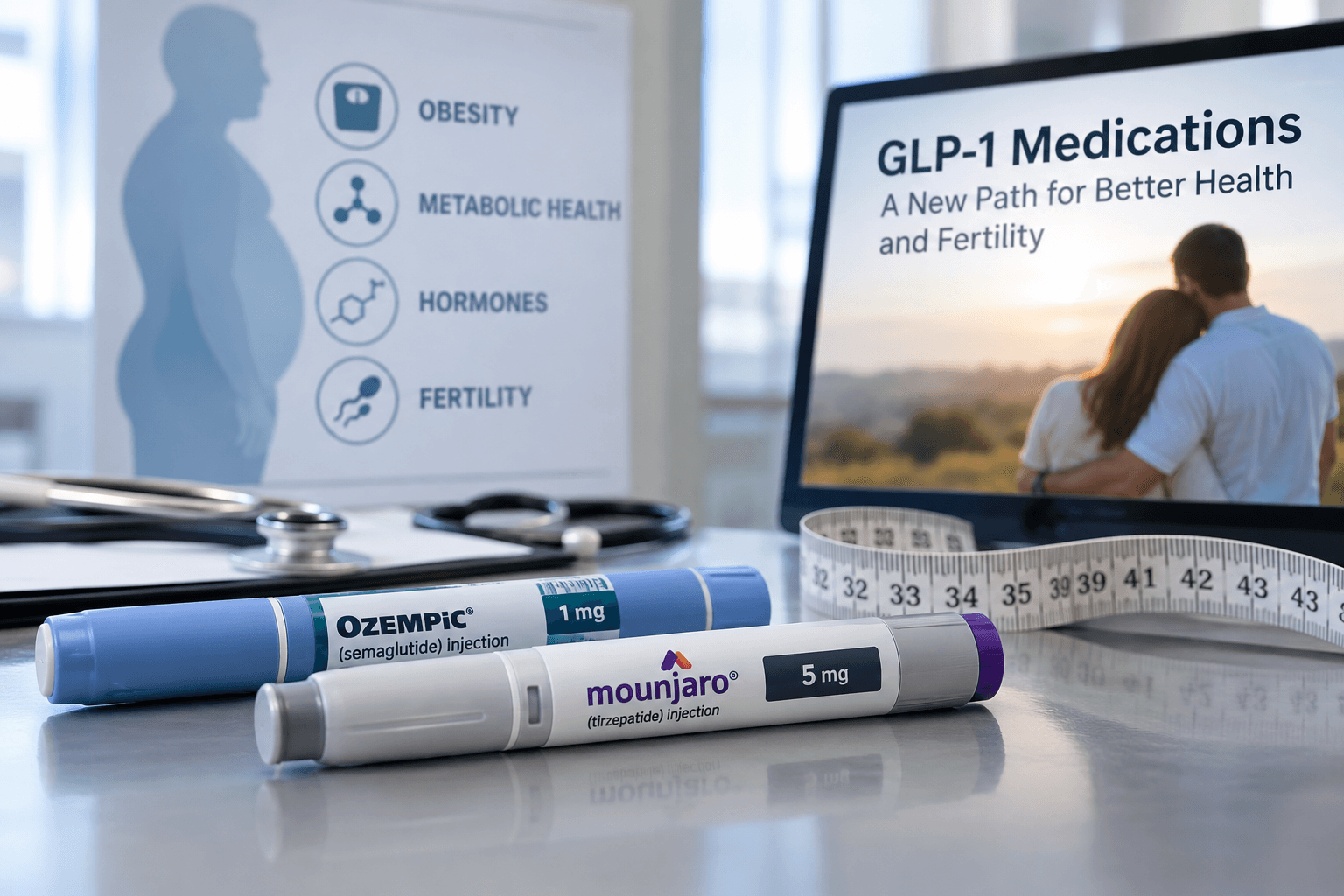
- GLP-1 medications may improve testosterone levels and sperm quality in men with obesity-related low testosterone
- A study found a 310-fold increase in GLP-1 prescriptions for children ages 8-11 with obesity since 2019
- The majority of children with severe obesity and its complications were never prescribed a GLP-1
- GLP-1s may have a direct impact on the reproductive axis, rather than just improving fertility through weight loss
- Larger and better-designed studies are needed to fully understand the effects of GLP-1s on male fertility
A transplant surgeon's perspective on the growing issue of childhood obesity highlights the need for early intervention. With 20% of children in the U.S. suffering from obesity, the long-term consequences can be devastating, including chronic kidney disease, fatty liver disease, and even the need for liver transplants in young adulthood.
Can GLP-1 medications treat obesity in adolescents?
GLP-1 receptor agonists have shown promise in treating obesity in adolescents, but their use in younger children is still largely unapproved. A recent study found a 310-fold increase in GLP-1 prescriptions for children ages 8-11 with obesity since 2019, but the majority of children with severe obesity and its complications were never prescribed a GLP-1.
How do GLP-1s improve fertility in men with obesity-related low testosterone?
Meanwhile, research on GLP-1s has also yielded promising results in improving fertility in men with obesity-related low testosterone. A study by Pratibha Natesh, MBBS, MRCP, MRes, found that GLP-1s may improve testosterone levels and sperm quality in men with obesity. The study analyzed five clinical trials and found that GLP-1s had no negative impact on hormones, sexual function, or sperm quality.
The study's findings suggest that treating the underlying cause of low testosterone – excess weight and poor metabolic health – can naturally restore hormone levels and preserve fertility. This approach may shift the focus away from prescribing testosterone replacement therapy and towards treating the root cause of the issue.
While the results are promising, the researchers stress that larger and better-designed studies are still needed to fully understand the effects of GLP-1s on male fertility. Nevertheless, the research has the potential to improve both metabolic and reproductive health outcomes, making it highly relevant to the future of endocrinology and patient care.
FAQ
- What is the effect of GLP-1s on testosterone levels and sperm quality in men with obesity?
- GLP-1s may improve testosterone levels and sperm quality in men with obesity.
Read next

GLP-1 Drugs Shift Focus from Obesity Treatment to Lifestyle Enhancement
GLP-1 drugs, once primarily marketed as obesity treatments, are now being promoted as lifestyle enhancers, with companies like Novo Nordisk rebranding their products to appeal to a broader consumer base, using slogans like 'Live lighter' and 'Summer Glow Up'

Medicare's GLP-1 Discount Program Leaves Many Patients Behind
A new Medicare pilot program offers discounted GLP-1 medications for weight loss, but millions of patients are excluded due to pre-existing medical conditions, leaving them with unaffordable treatment options.
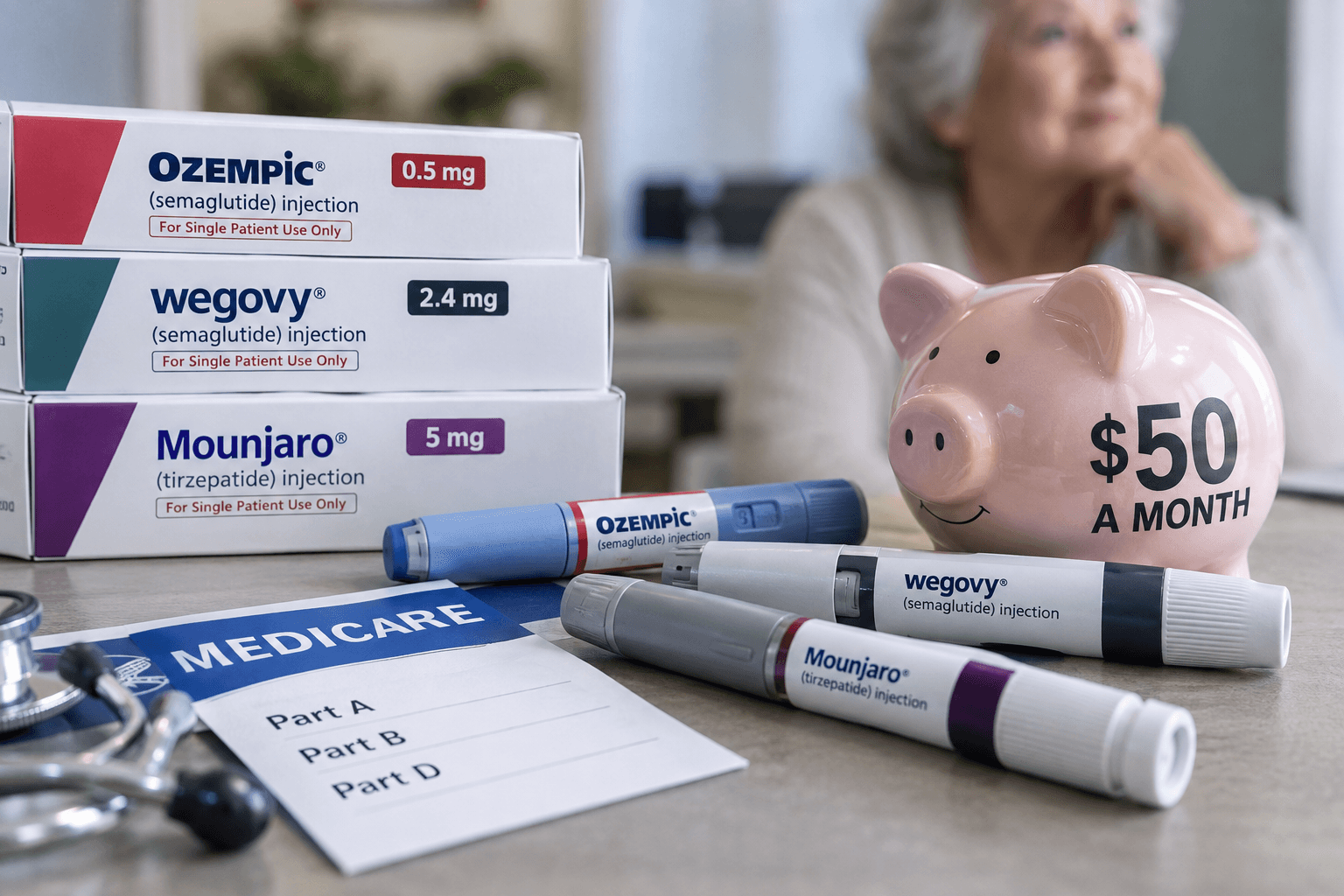
Medicare to Offer Cheaper GLP-1 Weight Loss Medications to Seniors
A new pilot program will allow some Medicare recipients to access GLP-1 weight loss medications for $50 a month, potentially helping millions of older adults who struggle with obesity. The program, set to launch on July 1, will cover three drugs and be available to those with Medicare Part D who meet certain conditions.
When Weight-Loss Drugs Don't Work: The Struggle for Answers
For some people, the highly touted GLP-1 weight-loss medications, such as Ozempic and Wegovy, don't deliver the promised results. Researchers are working to understand why, as patients face disappointment, shame, and significant financial burdens.
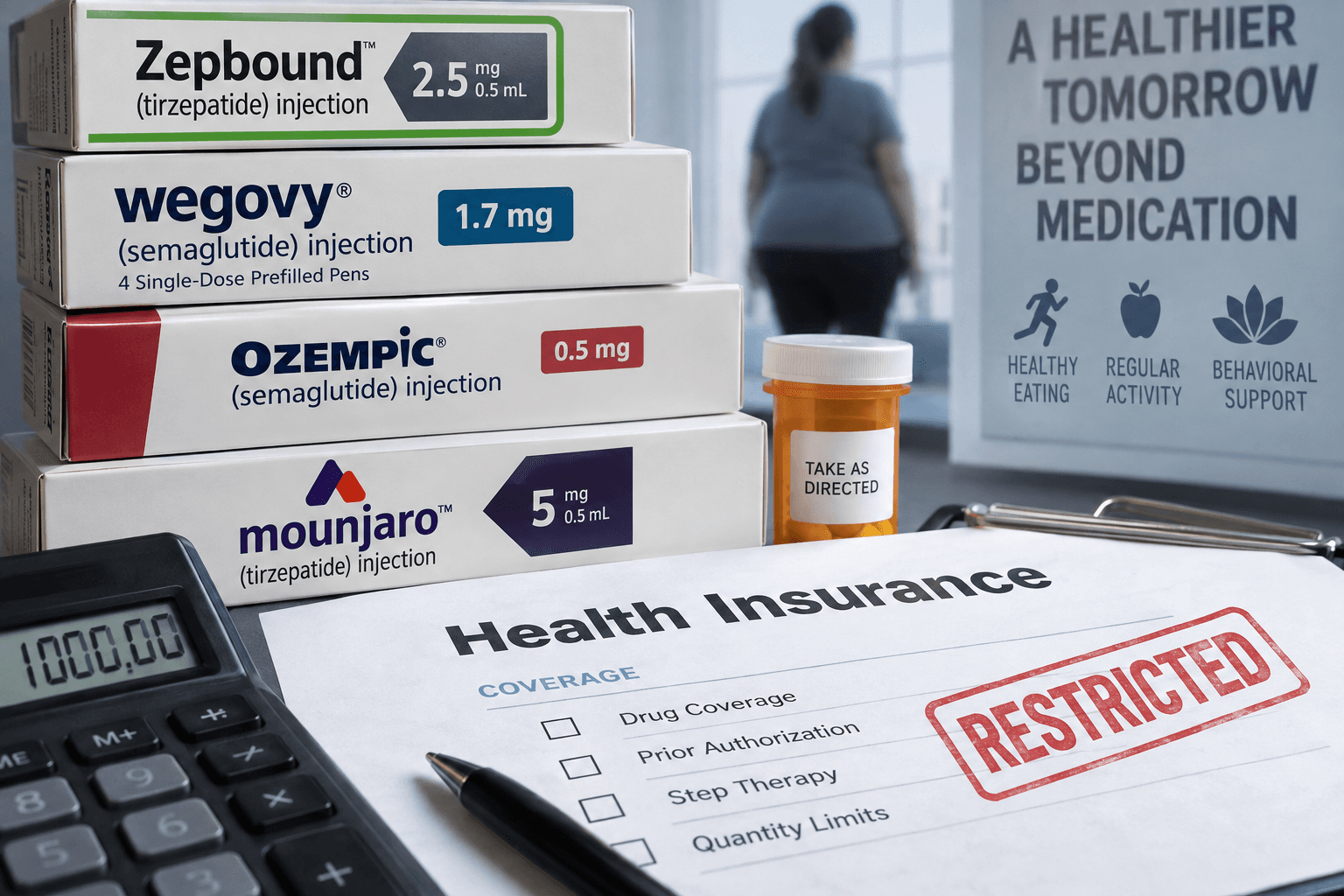
Insurers Struggle with Soaring GLP-1 Drug Costs, Seek to Wean Patients Off
With list prices of roughly $1,000 a month, public and private payers are struggling to keep up with ballooning demand for GLP-1 weight loss drugs, leading some to restrict coverage or explore 'deprescription' to taper patients off the medication.