GLP-1 Drugs Shift Focus from Obesity Treatment to Lifestyle Enhancement
GLP-1 drugs, once primarily marketed as obesity treatments, are now being promoted as lifestyle enhancers, with companies like Novo Nordisk rebranding their products to appeal to a broader consumer base, using slogans like 'Live lighter' and 'Summer Glow Up'

- GLP-1 drugs are being rebranded as lifestyle enhancers
- Novo Nordisk has shifted its marketing strategy to appeal to a broader consumer base
- The company now refers to users of its drugs as 'customers' rather than 'patients'
- The GLP-1 class of drugs has been highly effective in helping people lose weight and improve their health
- Experts have raised concerns about the potential risks and benefits of this shift
GLP-1 drugs, once used to treat obesity, are now being marketed as lifestyle enhancers, with a focus on overall health and wellbeing.
What is the new focus of GLP-1 drugs?
Blockbuster GLP-1 drugs, such as Semaglutide, have transformed the lives of millions of people, and lately, they're undergoing a makeover of their own. Once promoted as tools to address obesity as a medical issue, GLP-1 drugs are increasingly being seen - and marketed - as a way to look and feel better generally. Novo Nordisk, the pioneer in the field, has leaned into the shift, trotting out slogans like 'Live lighter' and 'Summer Glow Up' in advertisements around the world.
How are GLP-1 drugs being rebranded?
On its website, Novo no longer labels its treatment, Wegovy, as a 'weight management' drug or 'anti-obesity' medicine, but instead as a 'weight loss' drug. The company now often refers to the people who take its drugs less as 'patients' and more as 'customers'. This shift in marketing strategy reflects a broader trend in the pharmaceutical industry, where companies are seeking to reposition their products as lifestyle enhancers rather than just treatments for medical conditions.
The GLP-1 class of drugs, which includes medications like Semaglutide and Tirzepatide, has been highly effective in helping people lose weight and improve their overall health. However, the rebranding of these drugs as lifestyle products has raised questions about the potential risks and benefits of this shift. Some experts have expressed concerns that the increased focus on lifestyle enhancement could lead to the overuse or misuse of these medications, particularly among people who do not have a medical need for them.
Despite these concerns, the market for GLP-1 drugs is expected to continue growing, driven in part by the increasing demand for lifestyle enhancement products. Novo Nordisk and other companies are well-positioned to capitalize on this trend, with a range of products and marketing strategies that appeal to a broad consumer base. As the pharmaceutical industry continues to evolve, it will be important to monitor the impact of this shift on public health and the way that medications are marketed and used.
FAQ
- What is the expected impact on the market for GLP-1 drugs?
- The market for GLP-1 drugs is expected to continue growing, driven by the increasing demand for lifestyle enhancement products.
Read next

Novo Nordisk Sues Eli Lilly Over 'Deceptive' GLP-1 Drug Ads
Novo Nordisk has sued Eli Lilly, alleging the company's ad campaign for its obesity and diabetes drugs is 'deceptive' and uses 'outdated clinical trials' to make them appear more effective. The lawsuit, filed in federal court in New Jersey, claims Lilly is comparing high doses of its drugs to lower doses of Novo's similar medications.
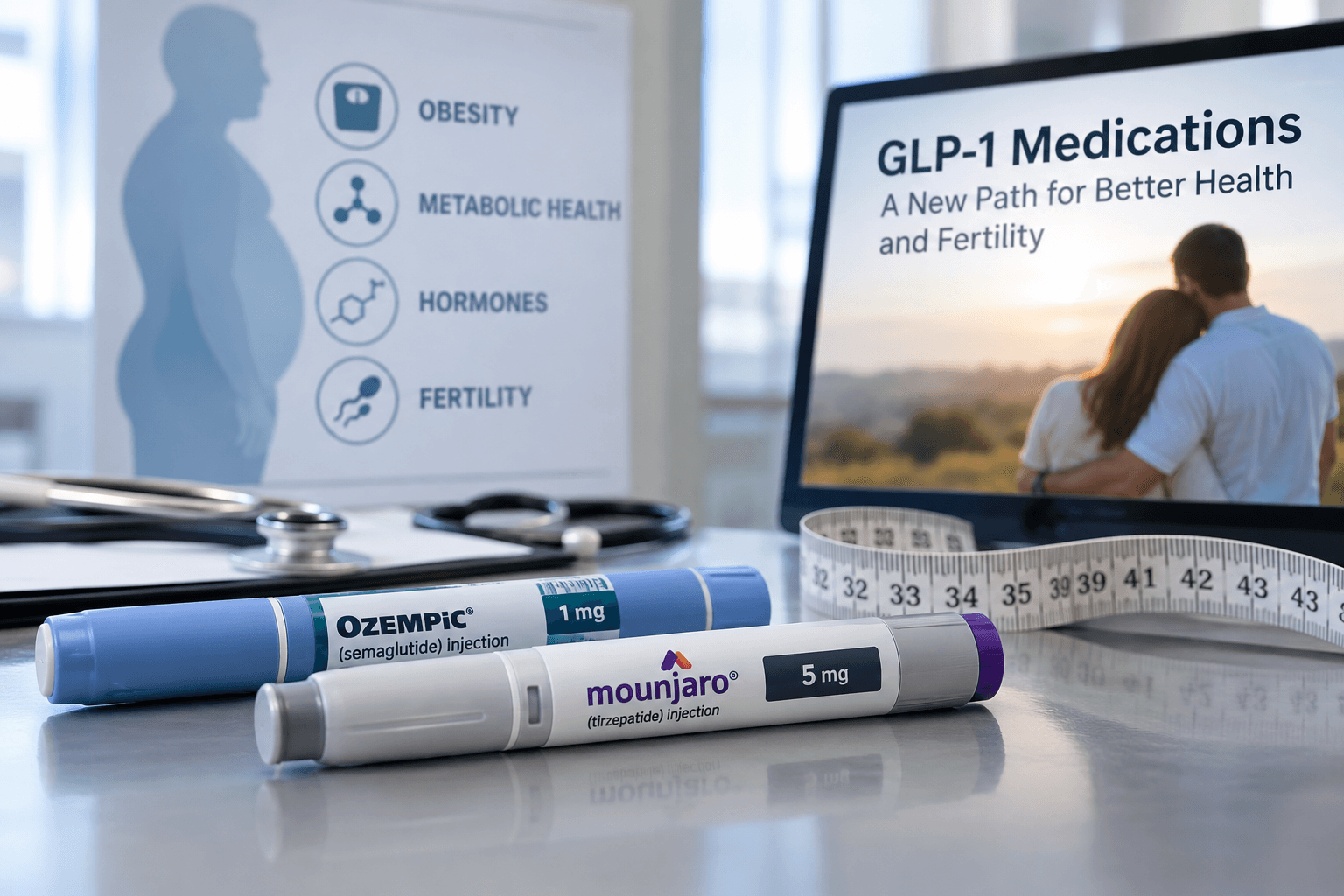
GLP-1 Medications Show Promise in Treating Obesity and Improving Fertility
Research on GLP-1 medications has yielded promising results in treating obesity and improving fertility in men with low testosterone. A study found that GLP-1s may improve testosterone levels and sperm quality, while another study showed a 310-fold increase in GLP-1 prescriptions for children with obesity.
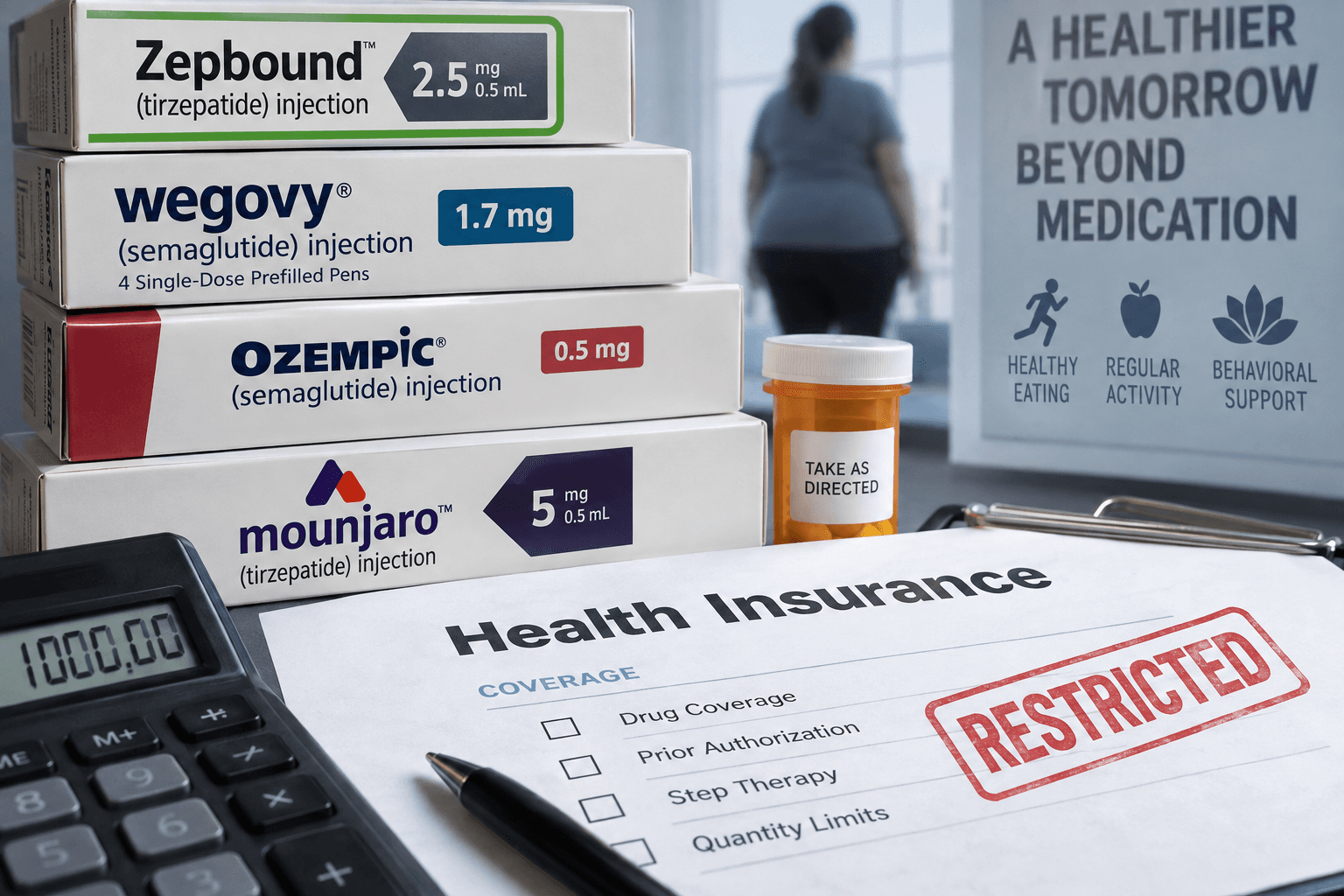
Insurers Struggle with Soaring GLP-1 Drug Costs, Seek to Wean Patients Off
With list prices of roughly $1,000 a month, public and private payers are struggling to keep up with ballooning demand for GLP-1 weight loss drugs, leading some to restrict coverage or explore 'deprescription' to taper patients off the medication.
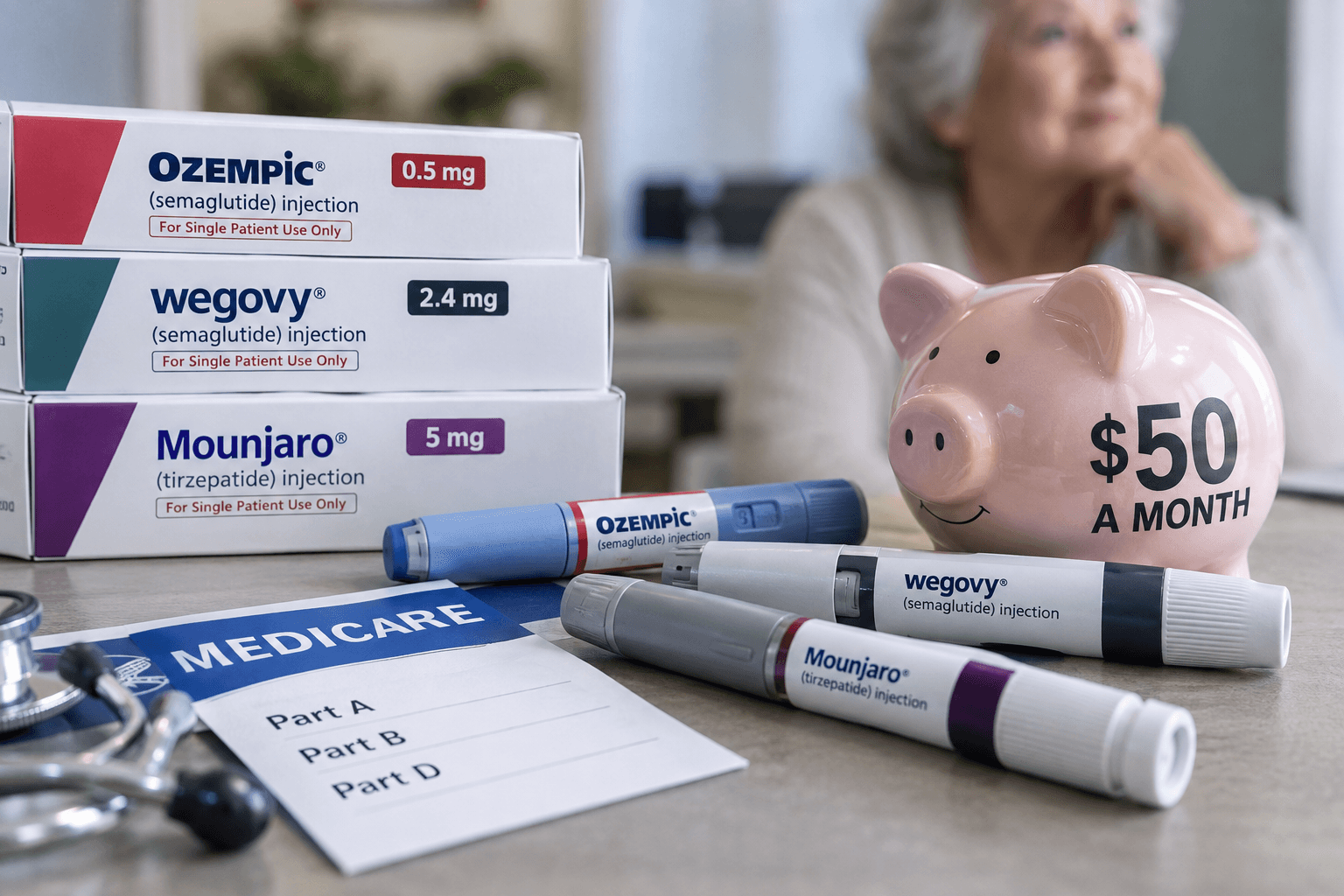
Medicare to Offer Cheaper GLP-1 Weight Loss Medications to Seniors
A new pilot program will allow some Medicare recipients to access GLP-1 weight loss medications for $50 a month, potentially helping millions of older adults who struggle with obesity. The program, set to launch on July 1, will cover three drugs and be available to those with Medicare Part D who meet certain conditions.

Medicare's GLP-1 Discount Program Leaves Many Patients Behind
A new Medicare pilot program offers discounted GLP-1 medications for weight loss, but millions of patients are excluded due to pre-existing medical conditions, leaving them with unaffordable treatment options.