Peptide ETFs Multiply as Wall Street Chases the Wellness Trend
REX Shares recently launched the REX Peptide ETF (PEPT), a fund holding companies that develop and manufacture peptide products, including GLP-1 drugs. Eli Lilly and Novo Nordisk are among its holdings. AdvisorShares has filed for a competing fund, the Peptide and Human Enhancement ETF. Other firms are also building wellness-themed funds, but investor money has not yet kept pace with the buzz. Some funds have seen outflows, and analysts say the sector's appeal may depend on timing and the broader market.
- REX Shares launched the REX Peptide ETF (PEPT), which holds peptide developers and manufacturers, including Eli Lilly and Novo Nordisk.
- AdvisorShares has filed for a competing product, the Peptide and Human Enhancement ETF.
- The global wellness industry is a $2 trillion market and still growing.
- Gen Z and millennials drive 41% of U.S. wellness spending despite making up 36% of adults.
- Tema’s HRTS is up nearly 7% this year with about $55 million under management.
- Defiance’s HIMZ and NVOX hold about $58 million and $39 million, respectively.
- GraniteShares, ProShares and Themes ETFs are preparing or have filed for products tied to Strava, Oura and Whoop.
- Flows have lagged the hype: HRTS lost $2.5 million, and NVOX has a $34 million year-to-date outflow.
- Fund managers argue healthcare is defensive, growing and possibly undervalued.
If you have noticed more peptide talk in your investing feeds lately, you are not imagining it. Last week, REX Shares launched the REX Peptide ETF (PEPT), a fund that holds companies developing and manufacturing peptide products, including GLP-1 drugs. Its holdings include pharma giants Eli Lilly and Novo Nordisk. AdvisorShares has already filed for a competing product, the Peptide and Human Enhancement ETF.
So what is driving all of this? Part of it is the GLP-1 boom. Bill Birmingham, head of research at REX Financial, said the interest in peptides has grown from two sources: the GLP-1 revolution and the more “tongue-in-cheek, gray market peptide stuff” that shows up on social media. He noticed that many companies outside the Lilly and Novo Nordisk duopoly are starting to develop treatments for other major diseases, and that is what caught his team’s attention.
The bigger picture is the wellness industry itself. It is a $2 trillion global market and still growing. As the boomer generation ages, more people need healthcare. Gen Z and millennials also play a large role, driving 41% of U.S. wellness spending even though they make up only 36% of the adult population.
Sylvia Jablonski, CIO at Defiance ETFs, believes investors are beginning to view healthcare the way they view a modern consumer tech company. “Healthcare is now this convergence of biotech, med tech, pharmaceuticals research and the internet,” she said. That blending of categories is a big reason fund issuers see room for new products.
The funds already riding the wellness wave
The new peptide ETFs are not the only wellness-themed options. Several funds are already in the market, and they cover different corners of the trend.
Tema’s Heart & Health ETF (HRTS) invests in companies focused on the treatment and prevention of chronic disease. The fund is up nearly 7% this year and has about $55 million under management.
Defiance offers several single-stock leveraged ETFs tied to companies in this space. The Daily Target 2X Long HIMS ETF (HIMZ) has about $58 million under management, and the Daily Target 2X Long NVO ETF (NVOX) has about $39 million in assets. Leveraged products aim to amplify the daily moves of a single stock, which makes them riskier than a typical diversified fund.
The pipeline is also growing. GraniteShares is preparing several single-stock leveraged ETFs focused on Strava, Oura and Whoop, which makes wearable health technology. ProShares and Themes ETFs have filed for Oura funds as well.
Why the money has not followed the hype
Here is the catch. Even though the word “wellness” seems impossible to avoid, investor flows have not matched the excitement. According to ETF.com, HRTS has lost $2.5 million this year. HIMZ has taken in net inflows of under $1 million. NVOX has a year-to-date outflow of $34 million.
Yuri Khodjamirian, CIO at Tema, explained the gap in simple terms. “Healthcare is seen as a little boring in a bull market,” he said. Still, he thinks investors should not write the sector off. Looking at next year’s earnings forecasts by sector, he noted, healthcare ranks second in expected earnings growth, behind only tech. “It’s defensive, it’s growthy and there’s a valuation opportunity, because people have kind of forgotten about it,” he said.
Birmingham sees the slow stretch as a chance rather than a warning sign. “I’d rather launch into a quiet equity market from a price perspective on these names than put something in at the top,” he said. “You don’t have to battle through stocks going down and coming back up again.”
If you are considering any of these funds, start by reading each fund’s holdings, fee structure and strategy. Leveraged and single-stock products carry risks that differ from a broad healthcare fund. A few quiet months in the flow data does not tell you whether a fund fits your goals, but it does show that the hype and the actual money are not always moving in the same direction.
Read next
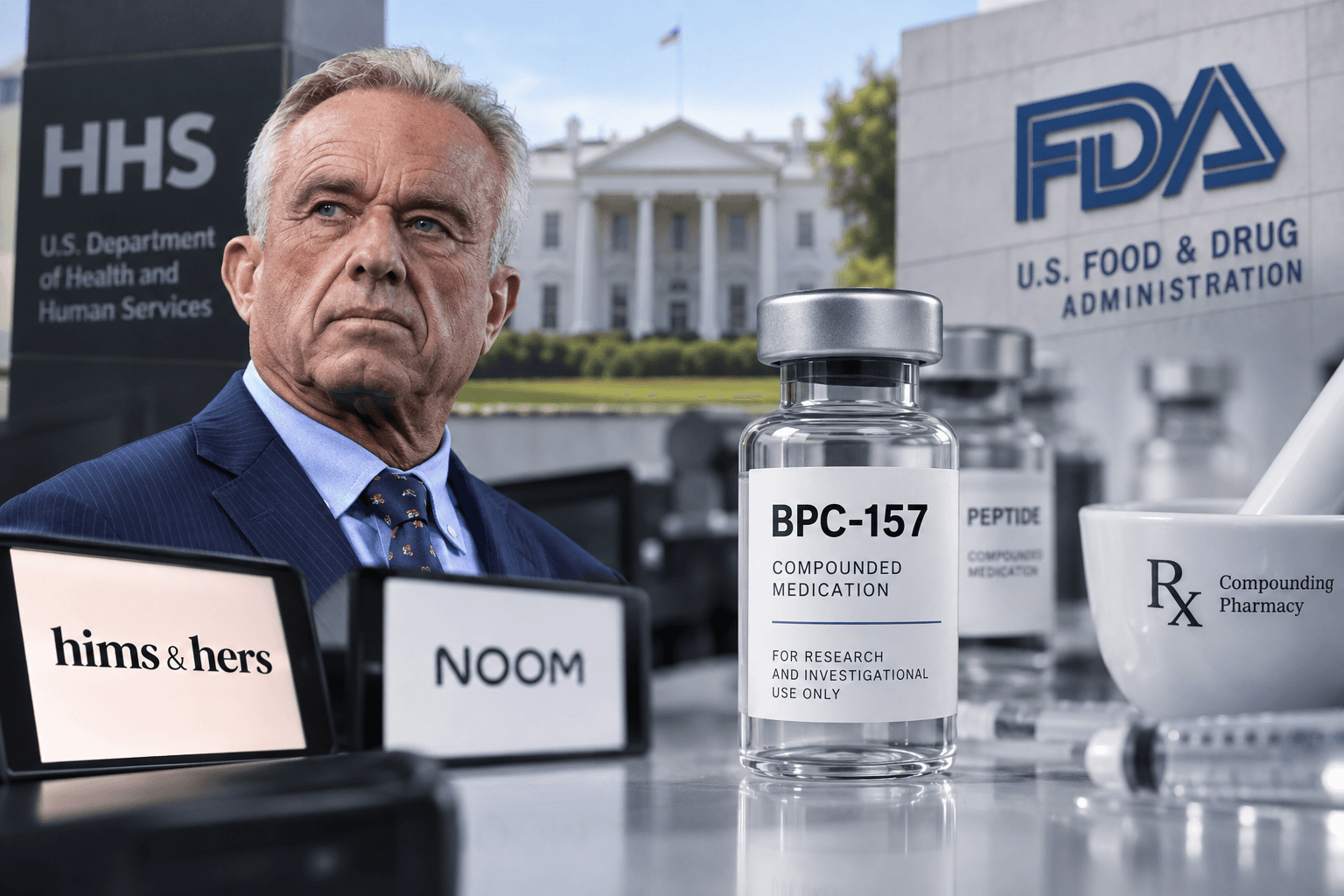
HHS Moves Ahead With Plan to Let Pharmacies Compound Popular Peptides
The Trump administration has sent an "interim access policy" for peptides to the White House for review, a step that would let specialty pharmacies compound certain widely used peptides. The peptides, including BPC-157, have gained popularity among followers of Health Secretary Robert F. Kennedy Jr. and wellness influencers, but they have not gone through the FDA's standard approval process, and most of the available data comes from animal studies. An FDA advisory panel recommended lifting restrictions on six of seven peptides in July, a recommendation that ran counter to the conclusions of the agency's own scientists. The policy's exact terms have not been published, and formal rulemaking could take years.

Users Report Harm From Unapproved Peptides as Federal Panel Moves to Loosen Limits
Users of unapproved peptides such as BPC-157 are reporting fatigue, migraines, and other side effects, even as an FDA advisory panel with industry-linked members has voted to ease restrictions on six experimental peptides. The vote went against FDA scientists who found too little evidence that the drugs work. The FDA has not issued a final decision, and clinical data on the drugs remain thin. Health Secretary Robert F. Kennedy Jr. has pushed to lower barriers to peptide use, and many companies could soon drop required warnings that their products are for research only.
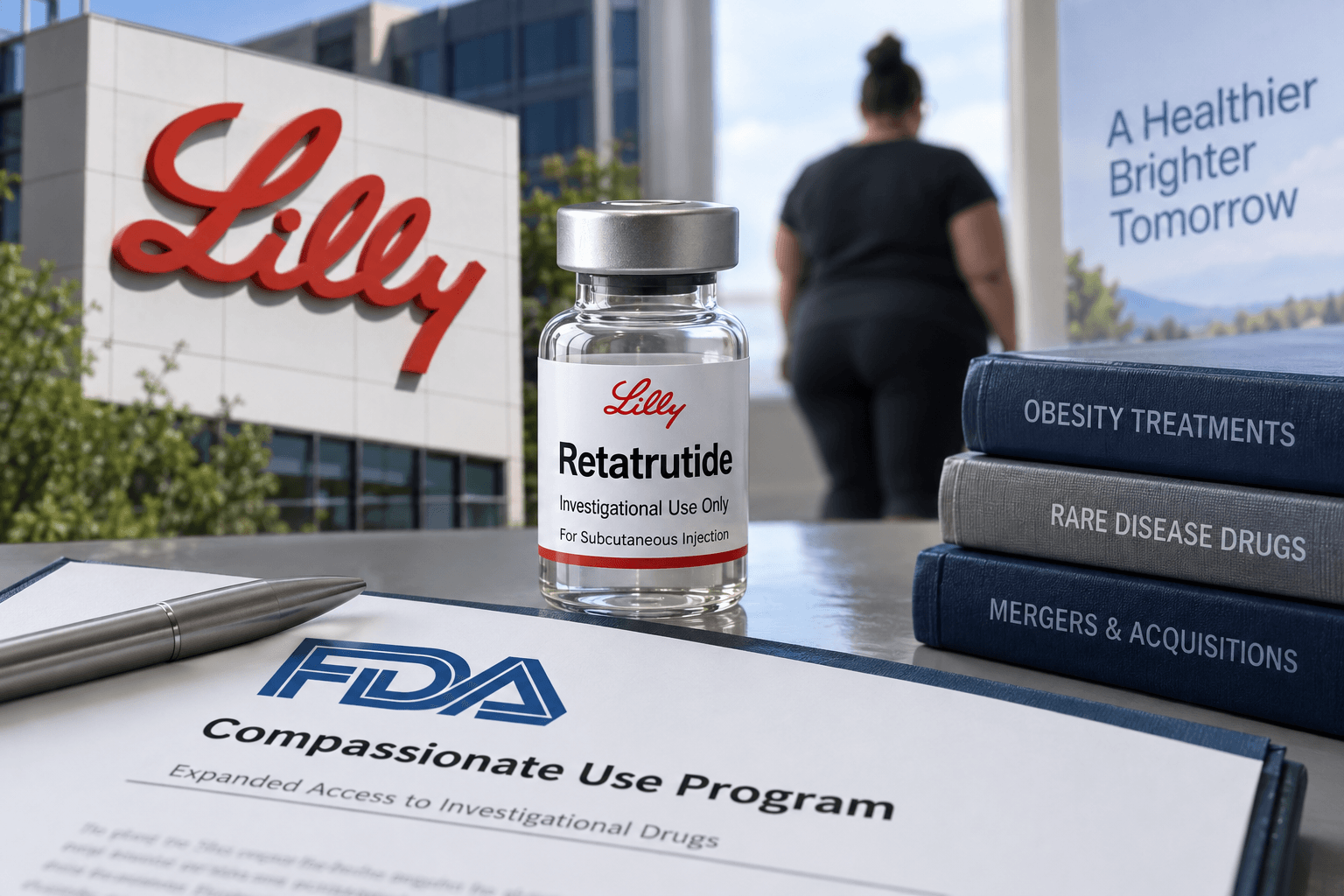
Eli Lilly's Obesity Drug Granted Compassionate Use to One Person
In a rare move, Eli Lilly and the FDA have allowed one person to receive the company's obesity candidate, retatrutide, through the FDA's compassionate use program. This development comes as the pharmaceutical industry sees a resurgence in mergers and acquisitions, with Lilly also showing interest in a hair loss drug.

GLP-1 Drugs Shift Focus from Obesity Treatment to Lifestyle Enhancement
GLP-1 drugs, once primarily marketed as obesity treatments, are now being promoted as lifestyle enhancers, with companies like Novo Nordisk rebranding their products to appeal to a broader consumer base, using slogans like 'Live lighter' and 'Summer Glow Up'
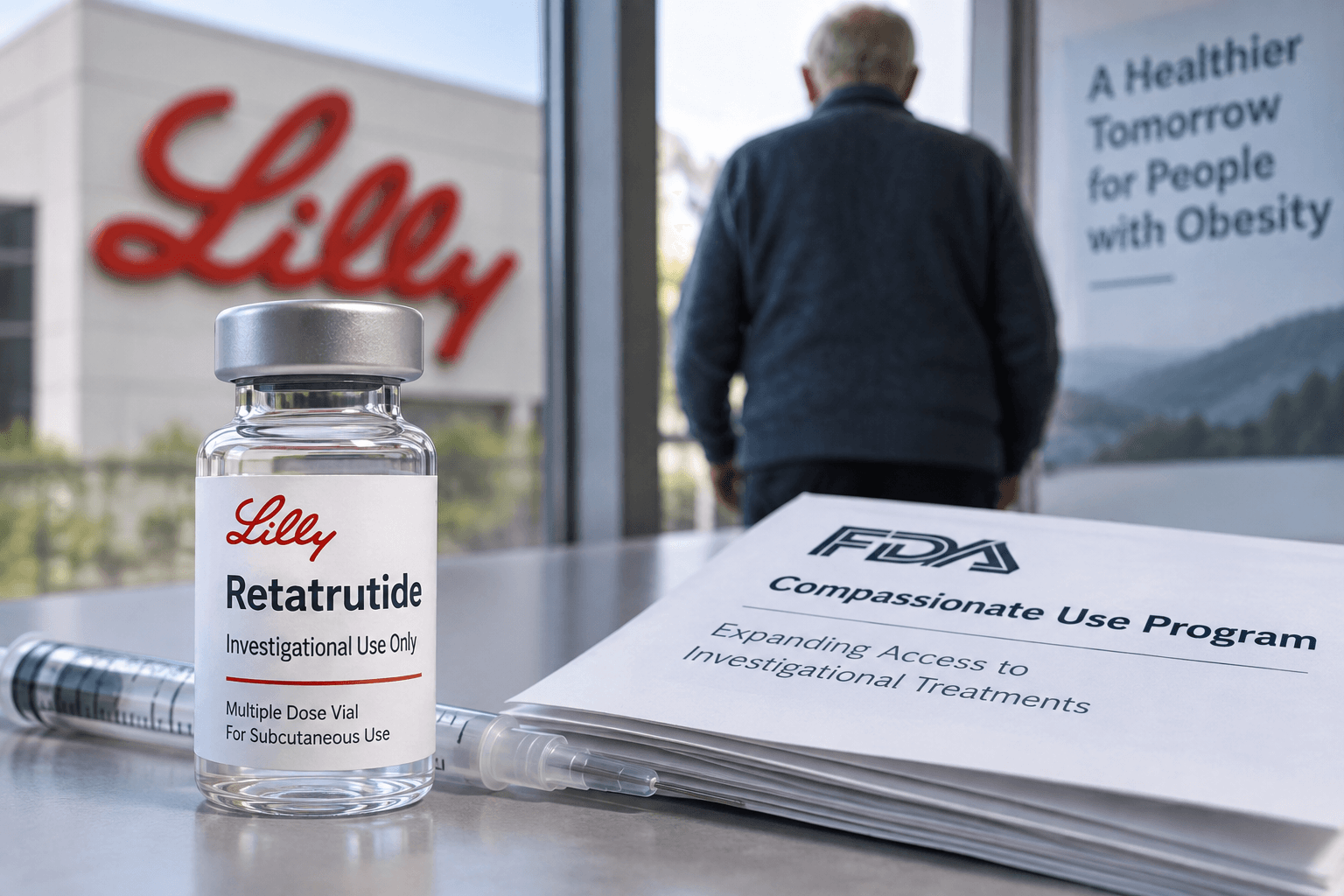
Eli Lilly Grants Access to Experimental Obesity Drug to 79-Year-Old Patient
Eli Lilly has given a 79-year-old patient access to its experimental obesity drug, retatrutide, through the FDA's compassionate use program. The move has raised eyebrows, with sources suggesting the patient may be well-connected. Retatrutide has shown promising results, with weight loss comparable to bariatric surgery.