Users Report Harm From Unapproved Peptides as Federal Panel Moves to Loosen Limits
Users of unapproved peptides such as BPC-157 are reporting fatigue, migraines, and other side effects, even as an FDA advisory panel with industry-linked members has voted to ease restrictions on six experimental peptides. The vote went against FDA scientists who found too little evidence that the drugs work. The FDA has not issued a final decision, and clinical data on the drugs remain thin. Health Secretary Robert F. Kennedy Jr. has pushed to lower barriers to peptide use, and many companies could soon drop required warnings that their products are for research only.
Read next
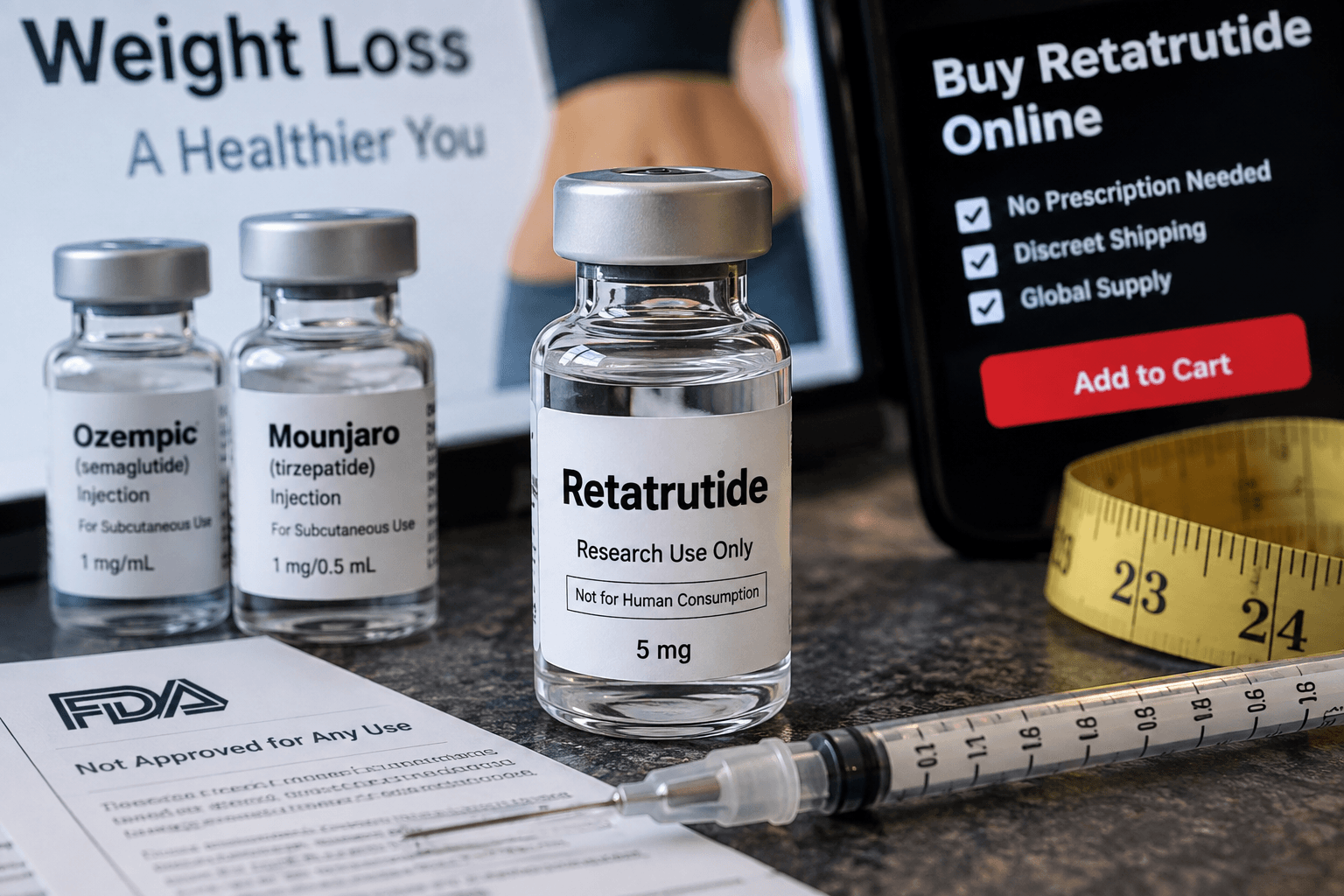
Desperate for Weight Loss, People Turn to Unapproved Retatrutide
Retatrutide, a promising weight-loss drug not yet approved by the FDA, is being sought after by people dissatisfied with current medications, with some turning to the gray market to purchase it, despite warnings from doctors about the risks to their health.
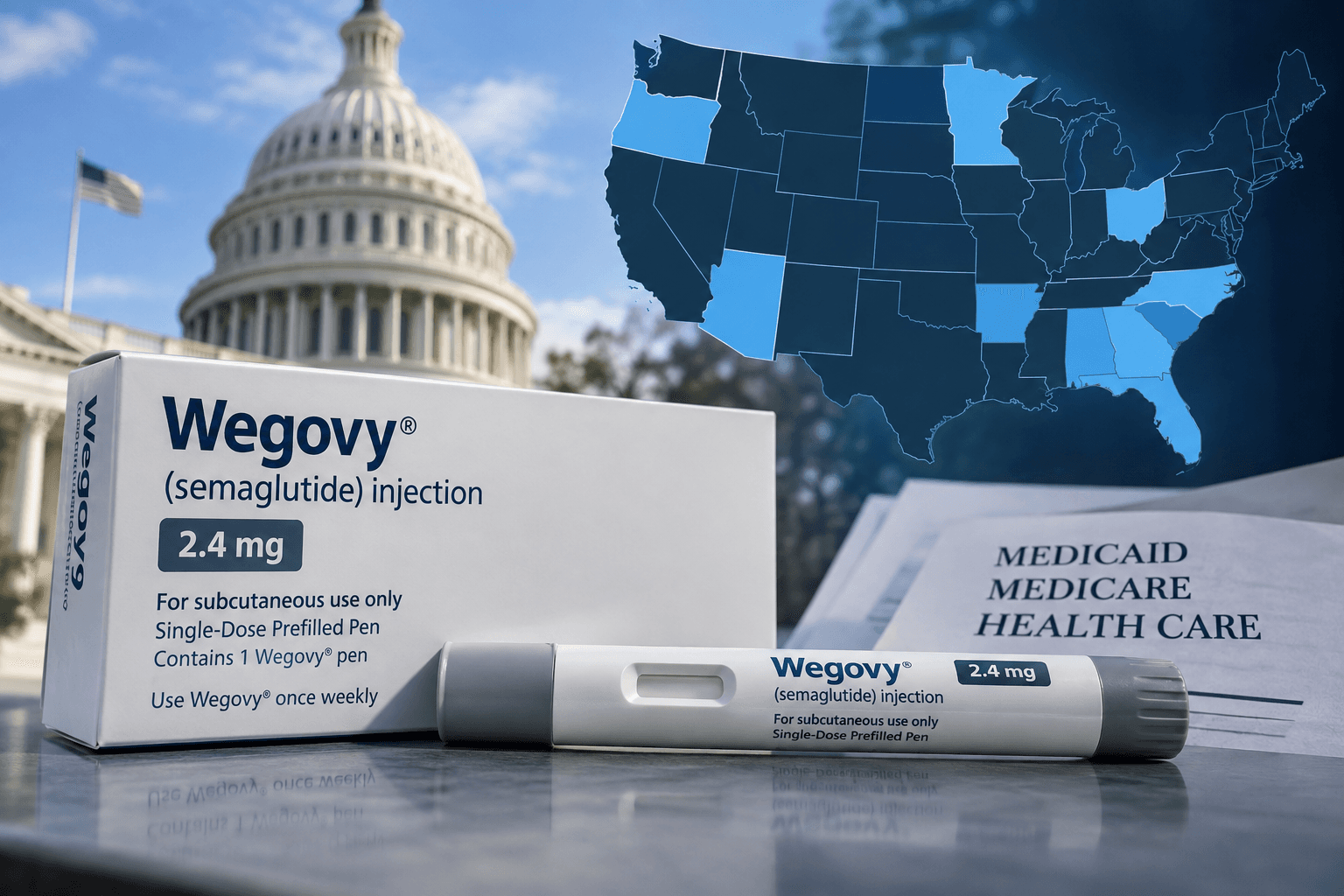
States Take Lead in Covering Weight Loss Drugs as Federal Government Holds Back
South Carolina and 13 other states are covering GLP-1s, a class of weight loss drugs, for Medicaid beneficiaries, despite the federal government's decision not to finalize a rule that would have allowed millions to access the treatment.

Two Deaths Linked to Counterfeit Retatrutide; Novo Nordisk to Drop Saxenda
Two recent deaths tied to counterfeit versions of retatrutide, an investigational weight-loss medication, have been reported to the Food and Drug Administration. The reports come as lawsuits against GLP-1 drugs continue, and as Novo Nordisk announced plans to discontinue its weight-loss injectable Saxenda in early 2027 because of declining sales. The World Health Organization also issued its first obesity guidelines for children and adolescents, and researchers released new findings on diabetes, dementia risk in women with PMOS, and a range of other conditions.
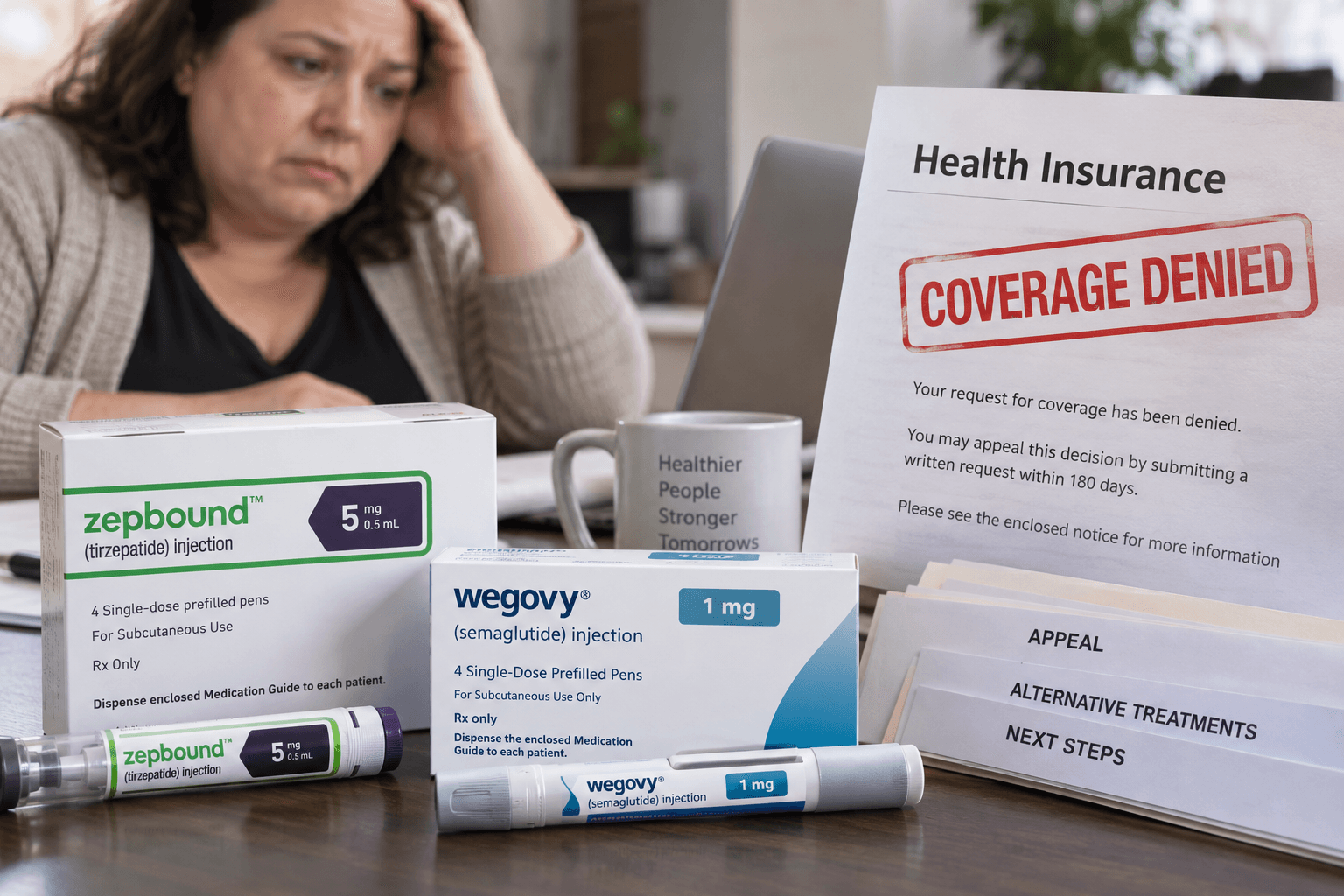
Millions Lose Insurance Coverage for Weight Loss Drugs, Leaving Patients in Limbo
Millions of Americans have lost insurance coverage for weight loss drugs like Zepbound and Wegovy, forcing them to navigate a complex appeals process or seek alternative treatments. Patients and doctors are speaking out about the challenges of accessing these medications, which have been shown to be effective in treating obesity and related conditions.
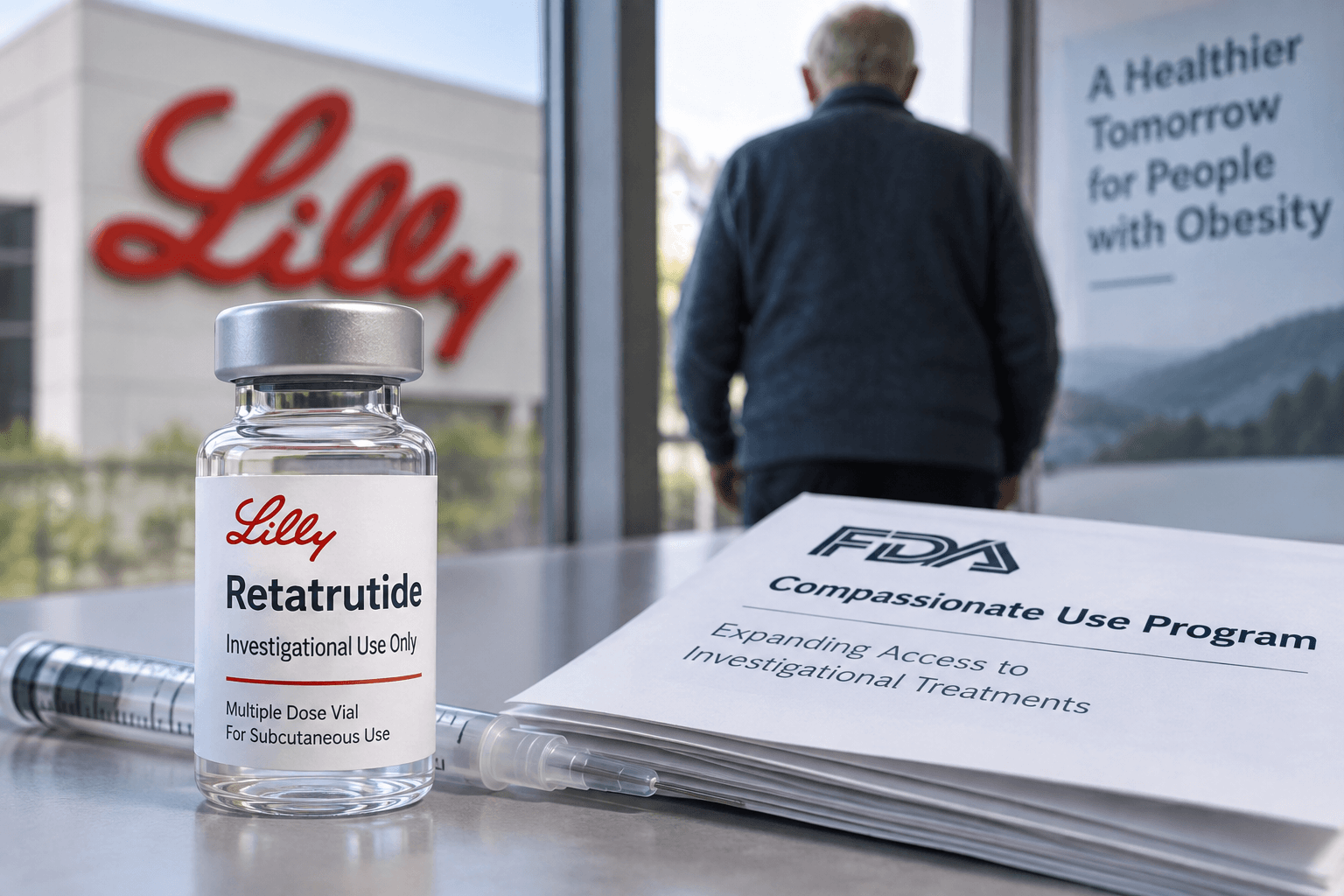
Eli Lilly Grants Access to Experimental Obesity Drug to 79-Year-Old Patient
Eli Lilly has given a 79-year-old patient access to its experimental obesity drug, retatrutide, through the FDA's compassionate use program. The move has raised eyebrows, with sources suggesting the patient may be well-connected. Retatrutide has shown promising results, with weight loss comparable to bariatric surgery.