Millions Lose Insurance Coverage for Weight Loss Drugs, Leaving Patients in Limbo
Millions of Americans have lost insurance coverage for weight loss drugs like Zepbound and Wegovy, forcing them to navigate a complex appeals process or seek alternative treatments. Patients and doctors are speaking out about the challenges of accessing these medications, which have been shown to be effective in treating obesity and related conditions.
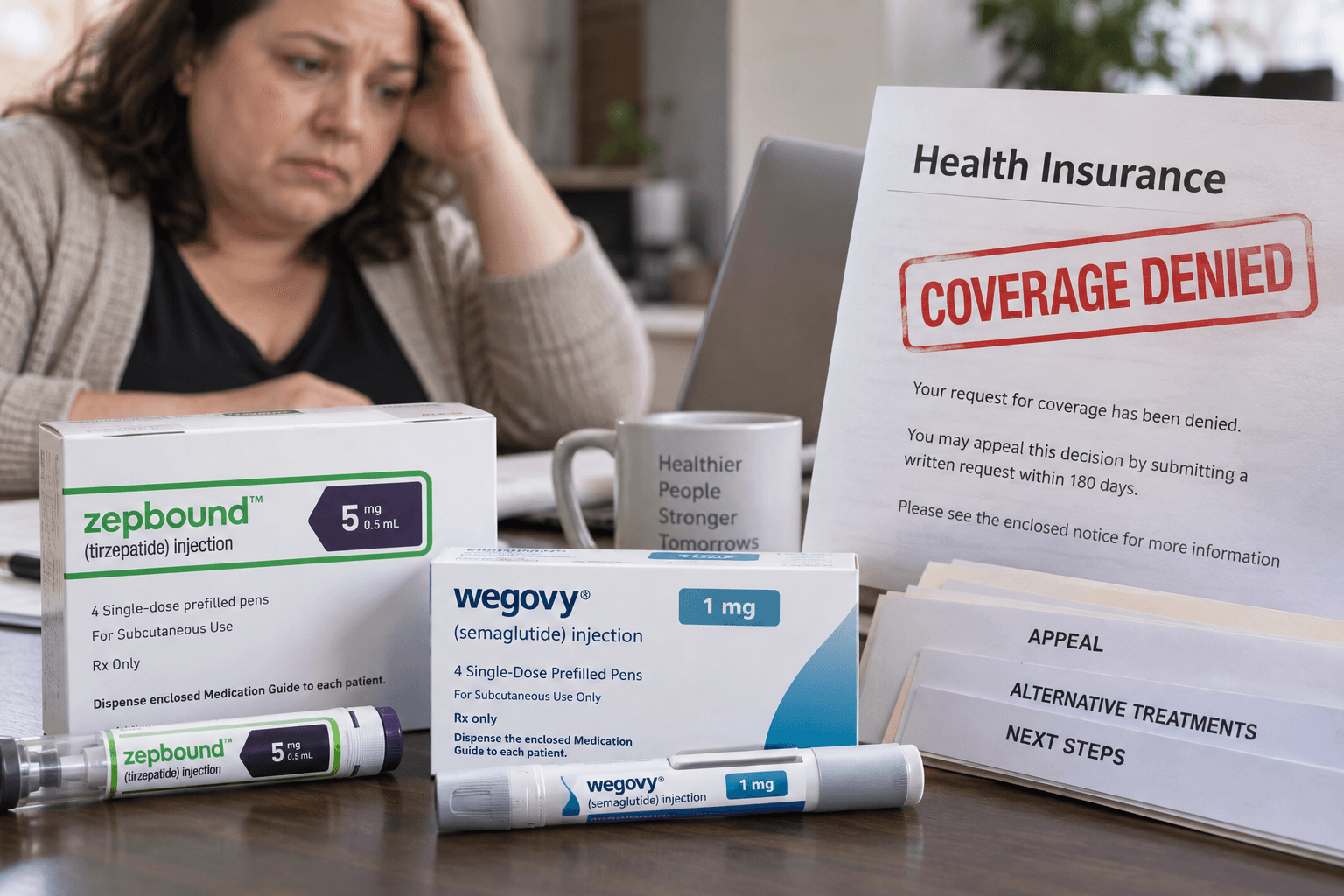
- Read the fine print on your insurance coverage to understand what is covered and what is not
- Work with your doctor to screen for qualifying conditions that may make you eligible for coverage
- File an appeal if your medication is denied, and seek help from patient advocacy groups if necessary
- Keep meticulous records of your care, including documentation of any other treatments you have tried
- Look for discounts on your medications, and consider using health savings accounts or flexible spending accounts to pay for them
- Be persistent and do not give up if you are denied coverage - there may be other options available to you
Deborah Finley, a 50-year-old professional in-home caregiver from Lodi, California, knows firsthand the challenges of accessing weight loss medications like Tirzepatide. She was taking Zepbound, a GLP-1 weight loss medication, to treat her obesity, sleep apnea, and nonalcoholic fatty liver disease. But when her insurance plan stopped covering the medication at the end of last year, she was left scrambling to find a solution.
What happens when insurance coverage for weight loss drugs is dropped?
Finley's experience is not unique. According to research by GoodRx, a website that helps patients find discounts on prescription drugs, 12 million people were on plans that dropped coverage for Zepbound and 12 million had plans that dropped Wegovy, another GLP-1 weight loss medication, from 2025 to 2026. This has left many patients in limbo, forced to navigate a complex appeals process or seek alternative treatments.
For Finley, the process of getting her medication covered again has been frustrating and time-consuming. She has had to file multiple appeals and provide extensive documentation to support her case. Her doctor has been helpful in advocating on her behalf, but she has also had to do her own research and investigation to ensure that her insurance company is following the correct procedures.
Experts say that patients who are denied coverage for weight loss medications like Tirzepatide should not give up. They recommend reading the fine print on their insurance coverage, working with their doctors to screen for qualifying conditions, and filing appeals if necessary. They also suggest keeping meticulous records of their care and seeking help from patient advocacy groups.
How can patients access affordable weight loss medications like Tirzepatide?
In addition to navigating the appeals process, patients may also be able to access discounts on their medications. Some drugmakers offer discounts to patients who pay out-of-pocket, and websites like GoodRx can help patients find these discounts. Patients may also be able to use health savings accounts or flexible spending accounts to pay for their medications with pretax dollars.
As the debate over access to weight loss medications like Tirzepatide continues, patients and doctors are speaking out about the importance of these treatments. GLP-1 weight loss medications like Zepbound and Wegovy have been shown to be effective in treating obesity and related conditions, such as those treated with Semaglutide, and many experts believe that they should be more widely available.
Caleb Alexander, a professor of epidemiology and medicine at the Johns Hopkins Bloomberg School of Public Health, notes that obesity drugs like GLP-1s are likely to become more affordable over time. He points to the example of statins, which were once expensive and hard to get covered but are now generic and widely available.
For now, patients like Finley will continue to face challenges in accessing the medications they need. But with persistence and advocacy, they may be able to overcome these barriers and get the care they deserve.
FAQ
- What should patients do if their insurance coverage for weight loss medications is dropped?
- Patients should read the fine print on their insurance coverage, work with their doctors to screen for qualifying conditions, and file appeals if necessary
Read next
Medicare to Cover Weight Loss Drugs for $50 a Month
Medicare to cover weight loss drugs like Wegovy and Zepbound for $50 a month under a new pilot program, a significant shift for the healthcare system. The program aims to increase accessibility for older Americans struggling with obesity.
When Weight-Loss Drugs Don't Work: The Struggle for Answers
For some people, the highly touted GLP-1 weight-loss medications, such as Ozempic and Wegovy, don't deliver the promised results. Researchers are working to understand why, as patients face disappointment, shame, and significant financial burdens.

Medicare's GLP-1 'Bridge' Program May Limit Access to Weight Loss Drugs
Medicare's new 'Bridge' program aims to make GLP-1 weight loss medications more affordable, but its complex eligibility criteria and administrative burdens may limit access for patients. The program, which offers discounted access to medications like Wegovy and Zepbound, requires extensive documentation and prior authorizations, which can delay treatment and increase staff workload.

Insurers Struggle with Soaring GLP-1 Drug Costs, Seek to Wean Patients Off
With list prices of roughly $1,000 a month, public and private payers are struggling to keep up with ballooning demand for GLP-1 weight loss drugs, leading some to restrict coverage or explore 'deprescription' to taper patients off the medication.

States Take Lead in Covering Weight Loss Drugs as Federal Government Holds Back
South Carolina and 13 other states are covering GLP-1s, a class of weight loss drugs, for Medicaid beneficiaries, despite the federal government's decision not to finalize a rule that would have allowed millions to access the treatment.