HHS Moves Ahead With Plan to Let Pharmacies Compound Popular Peptides
The Trump administration has sent an "interim access policy" for peptides to the White House for review, a step that would let specialty pharmacies compound certain widely used peptides. The peptides, including BPC-157, have gained popularity among followers of Health Secretary Robert F. Kennedy Jr. and wellness influencers, but they have not gone through the FDA's standard approval process, and most of the available data comes from animal studies. An FDA advisory panel recommended lifting restrictions on six of seven peptides in July, a recommendation that ran counter to the conclusions of the agency's own scientists. The policy's exact terms have not been published, and formal rulemaking could take years.
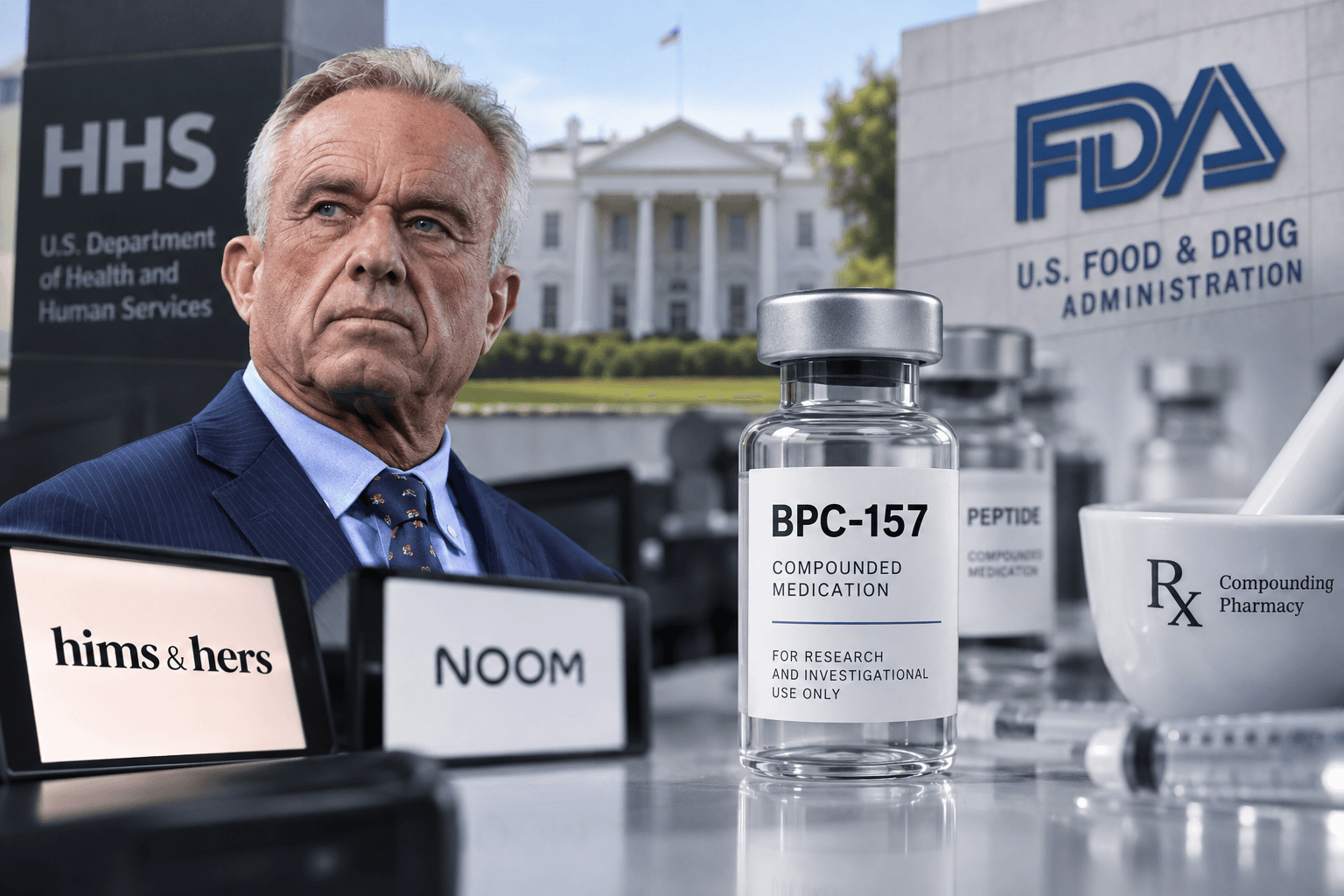
- HHS has submitted an "interim access policy" for peptides to the White House for review.
- The policy would let specialty pharmacies temporarily compound popular peptides, including BPC-157.
- The FDA had previously barred BPC-157 and more than a dozen other injectable peptides from compounding, citing risks such as contamination, allergic reactions, and tumor growth.
- Most of the data on these peptides comes from animal studies, and their uses are not FDA-approved.
- An FDA advisory panel in July recommended dropping restrictions on six of seven peptides, against the views of FDA staff scientists.
- The policy would rely on enforcement discretion; formally changing the rules would require federal rulemaking that could take years.
- Telehealth providers Hims & Hers and Noom have said they would offer peptides if access is eased.
U.S. health officials are moving forward with a plan that would allow specialty pharmacies to produce certain peptides, a class of largely unregulated injections that have become popular among followers of Health Secretary Robert F. Kennedy Jr. and other wellness influencers. The Department of Health and Human Services submitted the proposal, described as an "interim access policy," to the White House for review, according to a posting on a government website. The plan was sent to the Office of Management and Budget, which reviews federal rules with the potential for significant economic impact. HHS officials did not respond to requests for comment.
Peptides are short chains of amino acids that serve as the building blocks of more complex proteins. They can trigger hormones involved in growth, metabolism, and healing. Drug companies have turned several peptides into approved medications, including widely used treatments for diabetes and weight loss. The substances at the center of this policy have not gone through that process. Their uses for building muscle, looking younger, or boosting energy have not been approved by the Food and Drug Administration, and most of the research on them comes from animal studies.
The filing does not describe the policy in detail. Two people familiar with the plan, who spoke on condition of anonymity to discuss confidential government deliberations, said it is intended to let pharmacies temporarily compound some of the most popular peptides, including BPC-157, a compound promoted for muscle building and injury recovery. The update is the latest sign that Kennedy and other administration officials are seeking to expand access to products that are popular within the Make America Healthy Again movement, and some prominent figures in that movement sell peptide injections and supplements.
The administration's direction marks a reversal from the agency's earlier position. The FDA previously placed BPC-157 and more than a dozen other injectable peptides on its list of substances considered too risky to be compounded by pharmacies. According to the agency, possible risks include contamination, allergic reactions, and tumor growth. Earlier this year, Kennedy directed the FDA to reconsider a short list of these chemicals, which have been widely promoted by wellness influencers and fitness celebrities.
Kennedy has been vocal on the issue for some time. Before joining the administration, he publicly declared that the FDA's campaign against peptides and other wellness products would soon end. After becoming health secretary, he said U.S. compounding pharmacies should be allowed to sell peptides because Americans were increasingly buying "gray market" versions made in China and other countries. Those products remain widely available through online platforms, including TikTok.
The advisory process has drawn scrutiny. In July, a panel of outside FDA advisers recommended that the agency drop its restrictions on six of the seven peptides presented to them. The panel, selected by HHS, included several doctors, pharmacists, and consultants who work in the peptide field. That recommendation contradicted the conclusions of the FDA's staff scientists, who reiterated that none of the peptides had been studied enough to establish their safety and effectiveness.
Rather than formally changing the rules, the proposed policy would rely on enforcement discretion, an approach that allows the FDA to choose not to enforce some of its own regulations. According to the people familiar with the plan, it would effectively assure compounding pharmacies, which mix customized medications that traditional drugmakers do not supply, that they will not be targeted for producing certain peptides. Adding the peptides to the FDA's list of substances safe for compounding would require federal rulemaking, a process that could take years and involves multiple rounds of public comment. It is not yet clear whether the administration still plans to pursue that route.
The proposal drew quick praise from some Kennedy allies who sell peptides. Brigham Buhler, a wellness clinic operator who sells peptides through an online service, wrote on X, "This is huge." He added, "This isn't about whether you're for or against peptides. It's about whether you're for or against MEDICAL FREEDOM."
The commercial stakes are growing. Major telehealth providers, including Hims & Hers and Noom, have both recently said they would offer peptides to customers if the federal government eases access. Wall Street analysts estimate the market could be worth between $2 billion and $3 billion.
Read next

Users Report Harm From Unapproved Peptides as Federal Panel Moves to Loosen Limits
Users of unapproved peptides such as BPC-157 are reporting fatigue, migraines, and other side effects, even as an FDA advisory panel with industry-linked members has voted to ease restrictions on six experimental peptides. The vote went against FDA scientists who found too little evidence that the drugs work. The FDA has not issued a final decision, and clinical data on the drugs remain thin. Health Secretary Robert F. Kennedy Jr. has pushed to lower barriers to peptide use, and many companies could soon drop required warnings that their products are for research only.
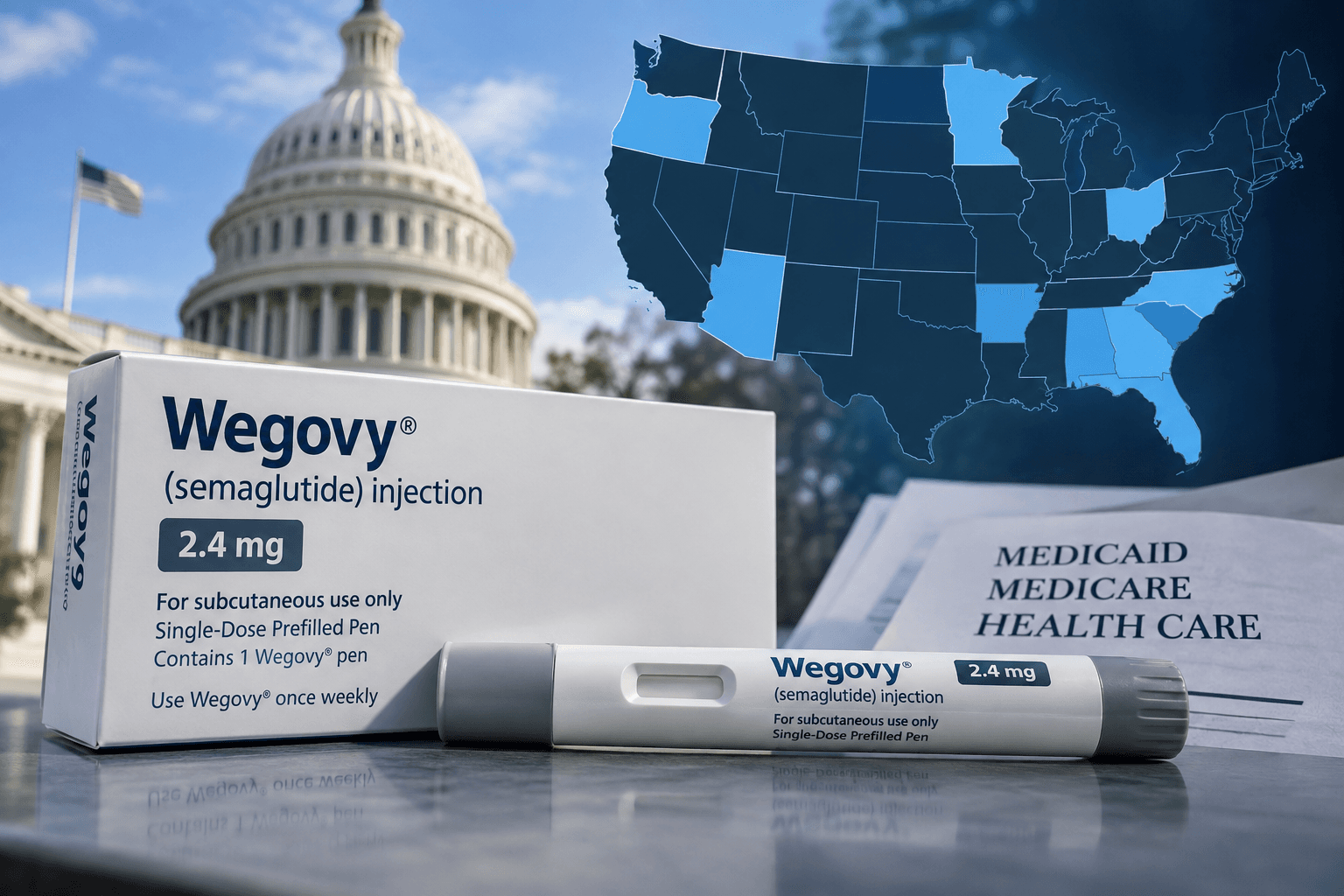
States Take Lead in Covering Weight Loss Drugs as Federal Government Holds Back
South Carolina and 13 other states are covering GLP-1s, a class of weight loss drugs, for Medicaid beneficiaries, despite the federal government's decision not to finalize a rule that would have allowed millions to access the treatment.
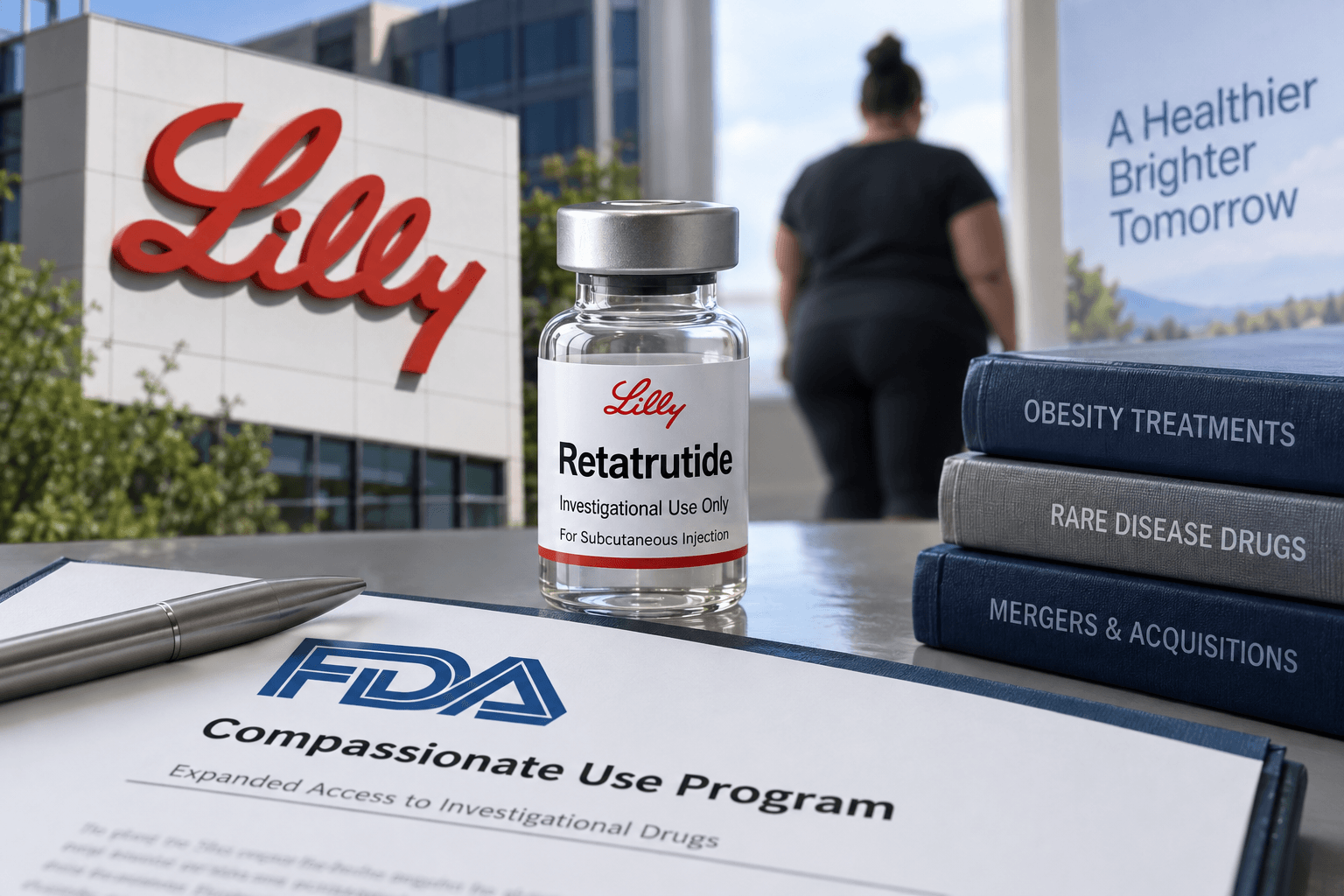
Eli Lilly's Obesity Drug Granted Compassionate Use to One Person
In a rare move, Eli Lilly and the FDA have allowed one person to receive the company's obesity candidate, retatrutide, through the FDA's compassionate use program. This development comes as the pharmaceutical industry sees a resurgence in mergers and acquisitions, with Lilly also showing interest in a hair loss drug.
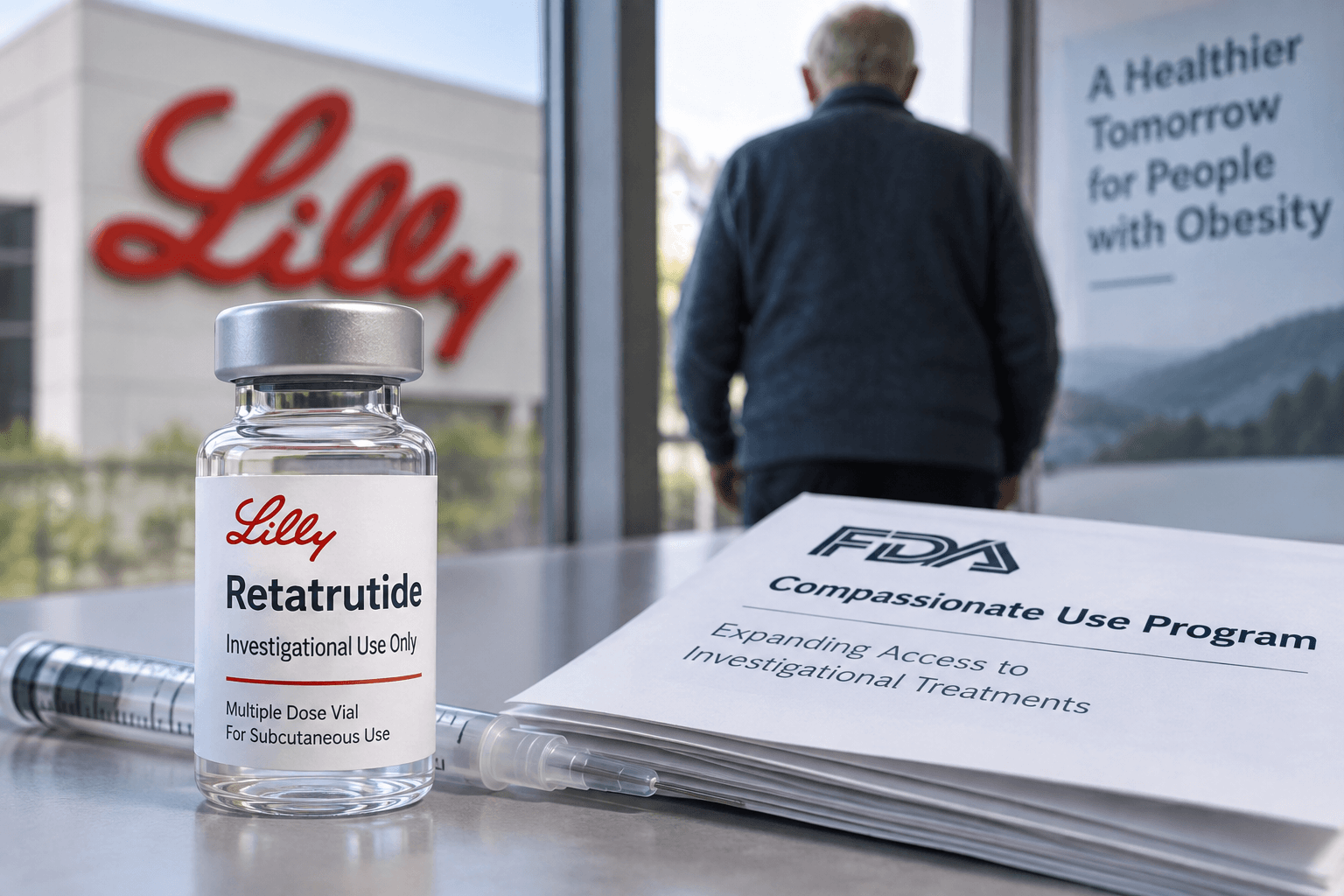
Eli Lilly Grants Access to Experimental Obesity Drug to 79-Year-Old Patient
Eli Lilly has given a 79-year-old patient access to its experimental obesity drug, retatrutide, through the FDA's compassionate use program. The move has raised eyebrows, with sources suggesting the patient may be well-connected. Retatrutide has shown promising results, with weight loss comparable to bariatric surgery.
Desperate for Weight Loss, People Turn to Unapproved Retatrutide
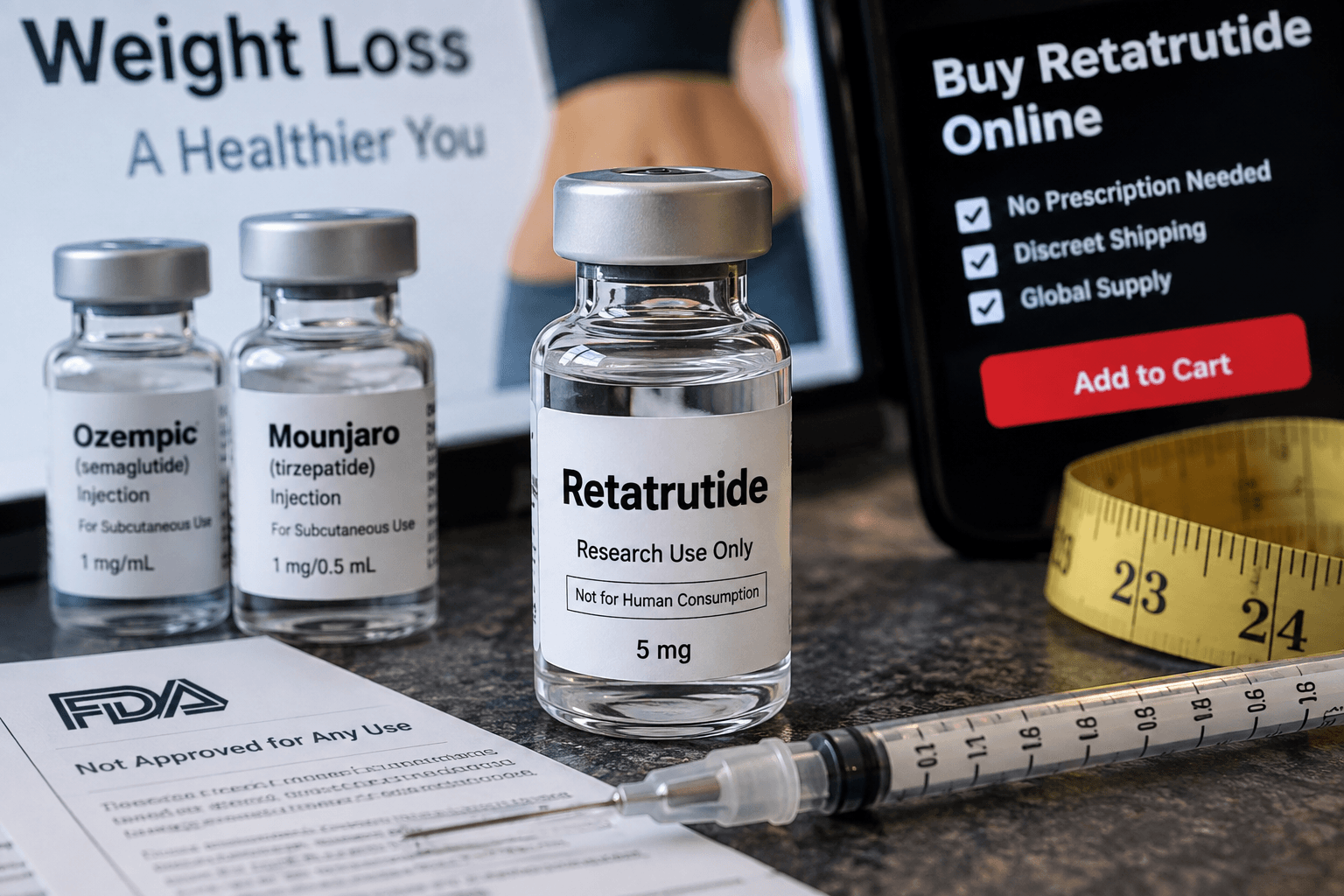
Retatrutide, a promising weight-loss drug not yet approved by the FDA, is being sought after by people dissatisfied with current medications, with some turning to the gray market to purchase it, despite warnings from doctors about the risks to their health.