Hundreds of English Children Prescribed Weight-Loss Jabs, Figures Show
Hundreds of children in England are receiving prescriptions for GLP-1 medications, including some under 12, according to a Guardian investigation of NHS prescribing data. In the 2025-26 financial year, 419 prescriptions were issued to under-18s, 10 of them to children under 12. Experts say the figures likely understate the true total, and they stress that children who start these drugs need specialist supervision and long-term monitoring. The findings come as childhood obesity rates continue to rise and as new global guidance advises against giving obesity medications to children under 10.
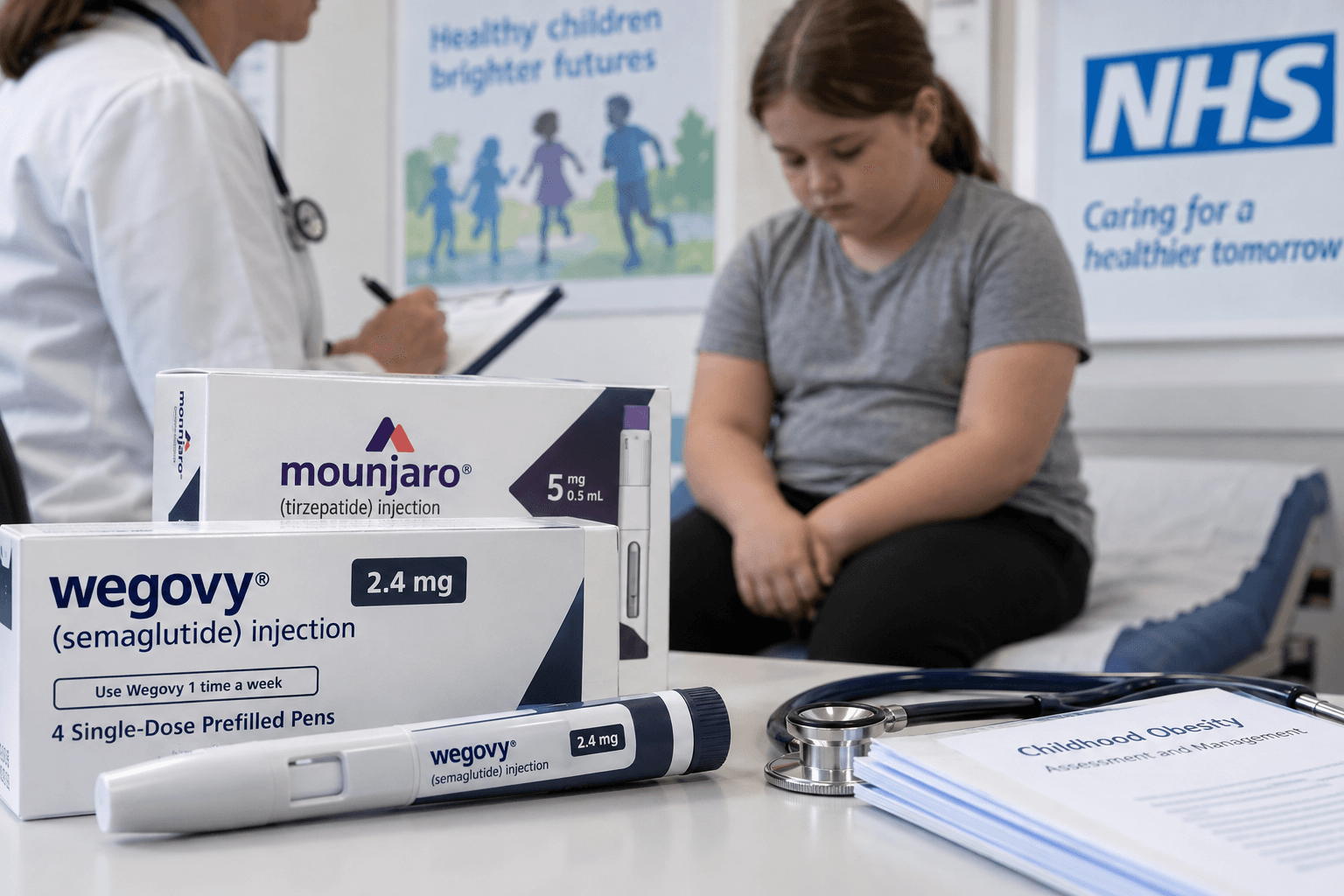
- A Guardian investigation found 419 GLP-1 prescriptions were issued to under-18s in England in 2025-26, including 10 for children under 12.
- Between April and July this year, 341 prescriptions went to children, 15 of them under 12.
- The figures exclude private, prison and hospital prescriptions, so the true total is likely higher.
- Childhood obesity is rising, with 22.8% of year 6 children classed as obese.
- NHS England says almost 6,500 children have been referred to CEW clinics since 2021.
- New WHO guidelines advise that obesity medications should not be given to children under 10.
- A Novo Nordisk trial of 165 children aged 6 to under 12 suggests GLP-1s can help young children with obesity.
- Experts stress the need for specialist supervision and long-term monitoring of growth, mental health and side effects.
Hundreds of children in England have been prescribed GLP-1 drugs such as Wegovy and Mounjaro. Guardian investigation figures from the NHS Business Services Authority show 419 prescriptions were issued to under-18s in 2025-26, 10 of them to children under 12. The figures exclude private and hospital prescriptions, so the true total is likely higher.
How many children in England are prescribed GLP-1 drugs?
Hundreds of children in England are receiving prescriptions for GLP-1 medications, including some younger than 12, according to a Guardian investigation based on figures obtained from the NHS Business Services Authority through Freedom of Information requests. In the financial year 2025-26, 419 prescriptions were issued to children under 18, 10 of them for children under 12. In the four months from April to July, 341 prescriptions were issued to children, 15 of them under 12.
GLP-1 drugs were first developed to help adults with type 2 diabetes control their blood sugar. Products such as Wegovy and Mounjaro (tirzepatide) have since become widely recognized as weight-loss treatments, and social media is full of adults who say they have lost weight on them. The prescription data shows that a number of children are now being prescribed the drugs as well.
The figures have clear limits. They cover prescriptions issued in England and dispensed in a community setting anywhere in the UK. They do not include private prescriptions, or those dispensed in prisons and hospitals, so the true total is likely to be considerably higher. It is also unclear whether the prescriptions were given primarily for weight loss. One private clinic for children has previously said it has more than 200 patients receiving the injections.
What monitoring do children on GLP-1 drugs need?
Martin Whyte, a professor of metabolic medicine at the University of Surrey, said the number of prescriptions remains small compared with the scale of childhood obesity. Children who take the drugs, he said, need lasting changes to their lifestyle. "The important thing is that children who start them do so within specialist services, with support for diet, growth and well-being, and a plan for the long term," he said. He added that this includes regular monitoring of growth and puberty, nutritional intake, mental health, eating behaviors and side effects. Weight tends to return when the drugs are stopped, he noted, and there is still limited data on their use over many years in growing young people.
The rising use of GLP-1s comes as childhood obesity levels climb. Figures from the National Child Measurement Program show that 10.7% of children in reception year, ages 4 and 5, are obese. That rises to 22.8% for children in year 6, ages 10 and 11. The World Health Organization (WHO) reports that 400 million children and adolescents aged 5 to 19 were overweight in 2024, including 170 million living with obesity.
Much of the medication use is tied to specialist services. The NHS began piloting Complications from Excess Weight (CEW) clinics in 2021, aimed at children aged two to 16 with severe obesity. In May, NHS England said almost 6,500 children had been referred to such clinics since then, including more than 400 younger than four. Only some CEW clinics can access funding to offer GLP-1s, and these medications are typically dispensed through hospital pharmacies.
Dr. Dunia Ismail, a consultant pediatrician who runs a CEW clinic, said experts are now considering widening the use of GLP-1s in these settings. "We have been sticking to 12 [years], although now we are looking at expanding that to eight-plus once licence-approved," she said.
That debate sits alongside new global guidelines from the WHO, which state that obesity medications, including GLP-1s, should not be given to children under 10. Recent data from a trial involving 165 children aged 6 to under 12, run by the pharmaceutical company Novo Nordisk, which produces Wegovy and Victoza, suggests the drugs can help young children with obesity.
Why are GLP-1 drugs used for childhood obesity?
Julian Hamilton-Shield, a professor of diabetes and metabolic endocrinology who also works at the Bristol CEW clinic, said children who receive semaglutide at these clinics typically have been unable to lose weight through standard dietary and nutritional advice and psychological support. "Probably, in the vast majority of cases, they have a secondary comorbidity such as type 2 diabetes, obstructive sleep apnea, liver disease, intracranial hypertension," he said. "So it's been used as an adjunct after standard therapies haven't really helped. However, it is used quite frequently and it is a very effective drug."
Hamilton-Shield stressed that the medications are given to children with very high excess weight. "You'd call it morbid obesity if you were classifying it as adults," he said.
The use of GLP-1s in children has also reignited debate over what drives childhood obesity. Experts say it is important not to blame patients or their families. "We're a health service that delivers health to the people who require it. We're not one that makes moral judgments about people," Hamilton-Shield said. "Nobody's saying that every child who's a bit heavy should have a GLP-1."
He described the young people in these services as coming from complex backgrounds, often with low self-esteem and significant stigma. When a drug helps them lose a substantial amount of weight, he said, it can be the first time they feel they have any agency in their lives, and that can have a transformative effect in its own right.
Ismail also stressed the stakes. "We know now that obesity is not a choice, it's a condition," she said. "We're giving them GLP-1s because there is nothing else you can do at this stage. Otherwise, they will die young, they will have heart disease, they will have diabetes."
FAQ
- How many children in England were prescribed GLP-1 drugs in 2025-26?
- The figures show 419 prescriptions were issued to children under 18 in 2025-26, 10 of them for children under 12.
- Do the figures include private prescriptions?
- No. The figures do not include private prescriptions or those dispensed in prisons and hospitals, so the true total is likely considerably higher.
- Do children who take GLP-1 drugs need lasting lifestyle changes?
- Martin Whyte said children who take the drugs need lasting lifestyle changes, and weight tends to return when the drugs are stopped.
Read next

Nearly 1 in 6 Pediatric GLP-1 Patients Diagnosed With Nutritional Deficiency Within a Year
Nearly one in six children and adolescents who started a GLP-1 receptor agonist were diagnosed with a nutritional deficiency or deficiency-related complication within one year, according to a retrospective analysis of insurance claims published in Childhood Obesity. Vitamin D deficiency was the most common diagnosis. The study also found that nutrition counseling was infrequent and often began months after treatment started. The authors cautioned that the findings do not show counseling causes deficiencies and that a study designed to test causation is needed. The analysis covered 2,031 patients aged 10 to 17 years, drawn from claims data from 2017 to 2022.
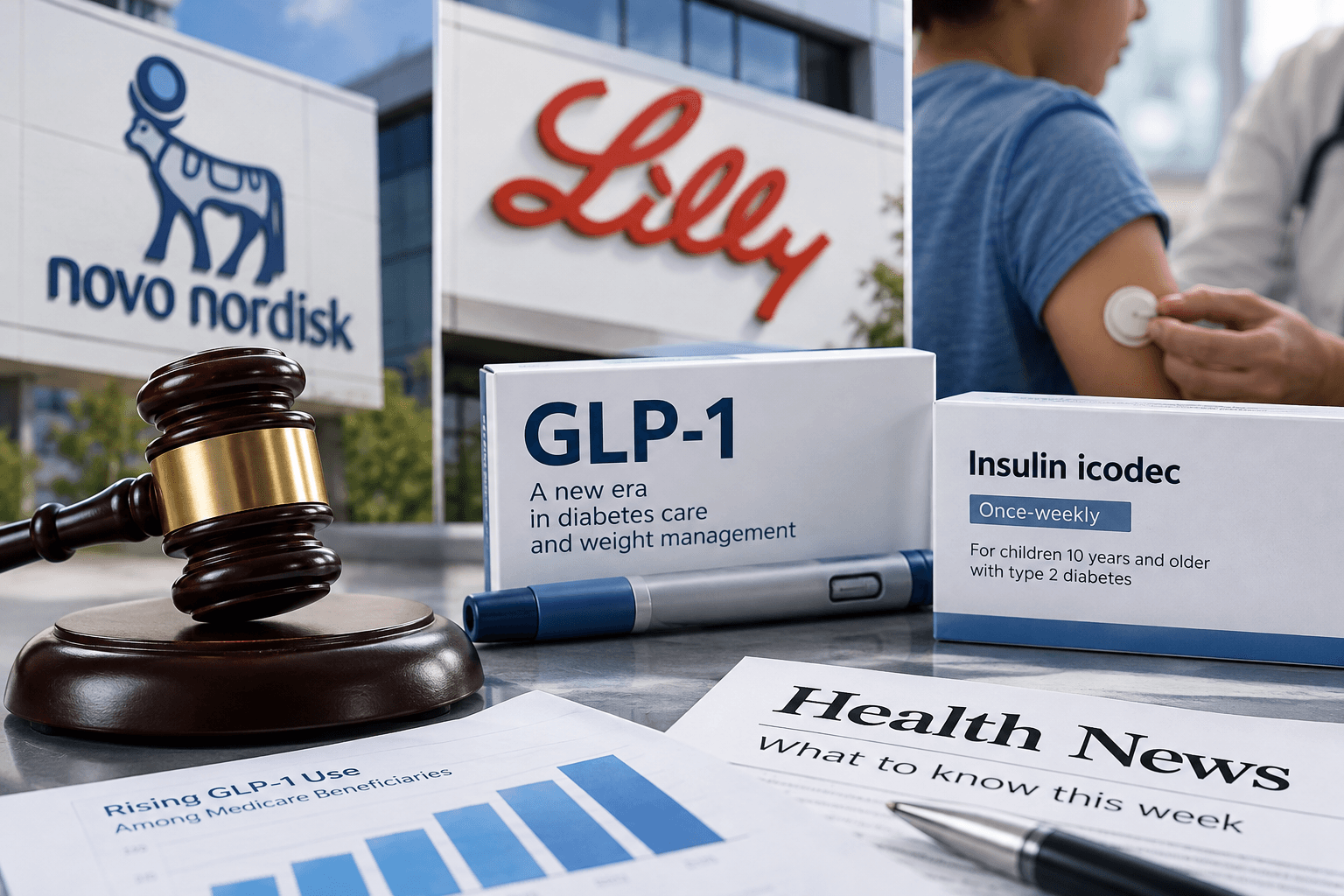
A Court Ruling on GLP-1 Ads, a Weekly Insulin for Kids, and Other Health Stories to Know
A U.S. judge rejected Novo Nordisk's request to temporarily block Eli Lilly from running ads claiming its weight-loss and diabetes drugs are more powerful. The same week, the FDA expanded approval for a once-weekly insulin for children ages 10 and older with type 2 diabetes. Studies also showed endocrinologists prescribing newer diabetes drugs more often and GLP-1 use among Medicare beneficiaries rising sharply. Here is a friendly rundown of what changed, what it means, and what to keep in mind.
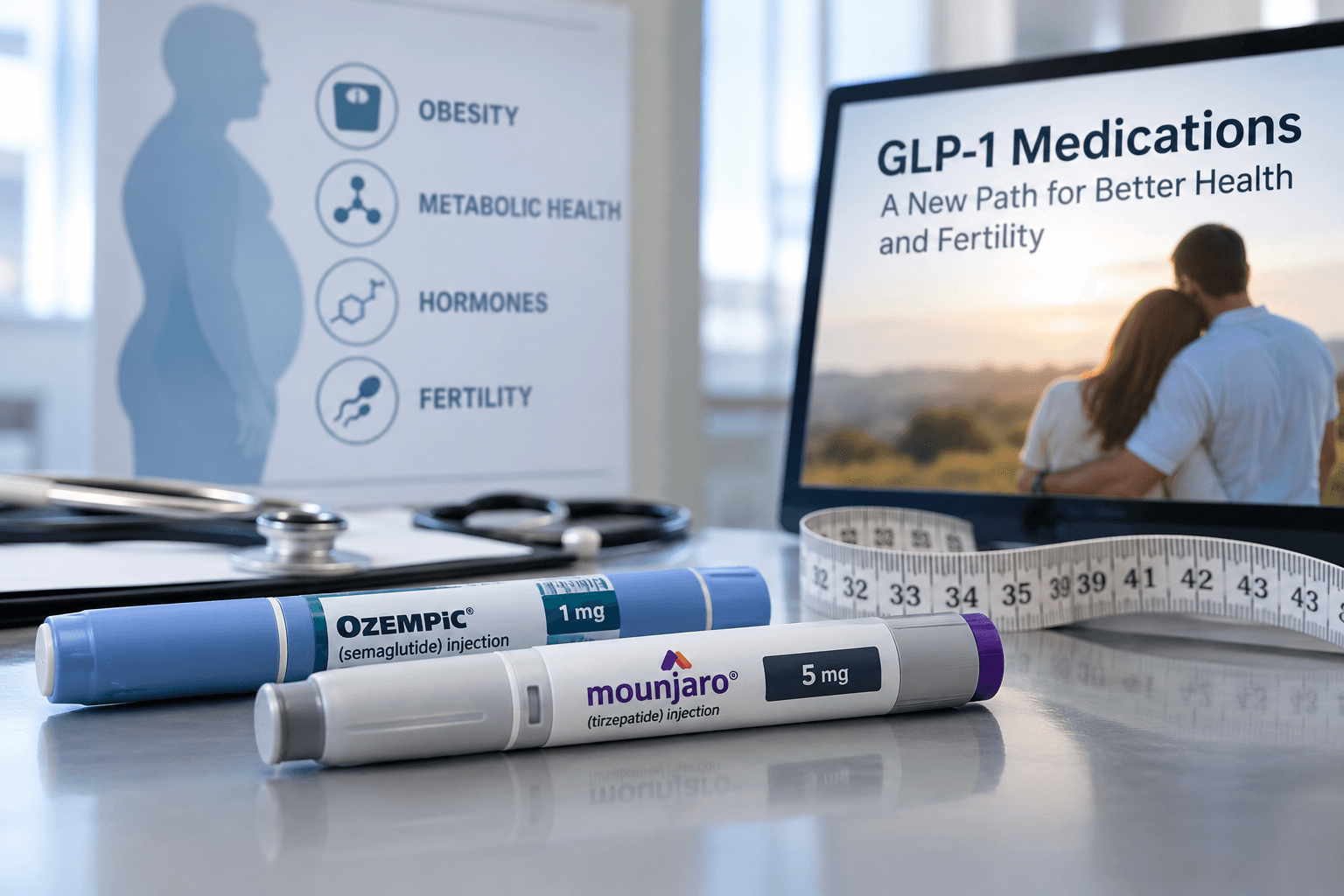
GLP-1 Medications Show Promise in Treating Obesity and Improving Fertility
Research on GLP-1 medications has yielded promising results in treating obesity and improving fertility in men with low testosterone. A study found that GLP-1s may improve testosterone levels and sperm quality, while another study showed a 310-fold increase in GLP-1 prescriptions for children with obesity.
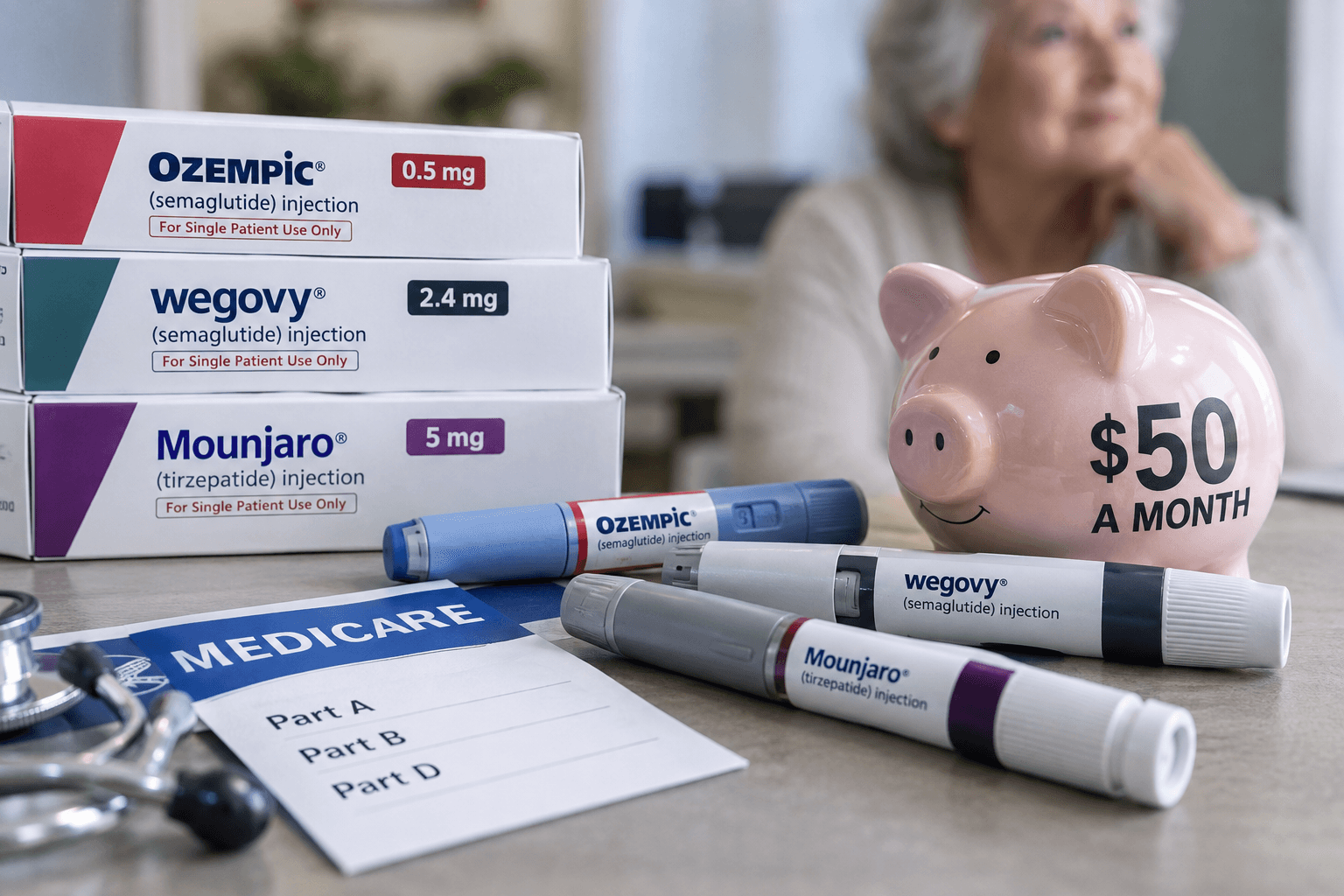
Medicare to Offer Cheaper GLP-1 Weight Loss Medications to Seniors
A new pilot program will allow some Medicare recipients to access GLP-1 weight loss medications for $50 a month, potentially helping millions of older adults who struggle with obesity. The program, set to launch on July 1, will cover three drugs and be available to those with Medicare Part D who meet certain conditions.
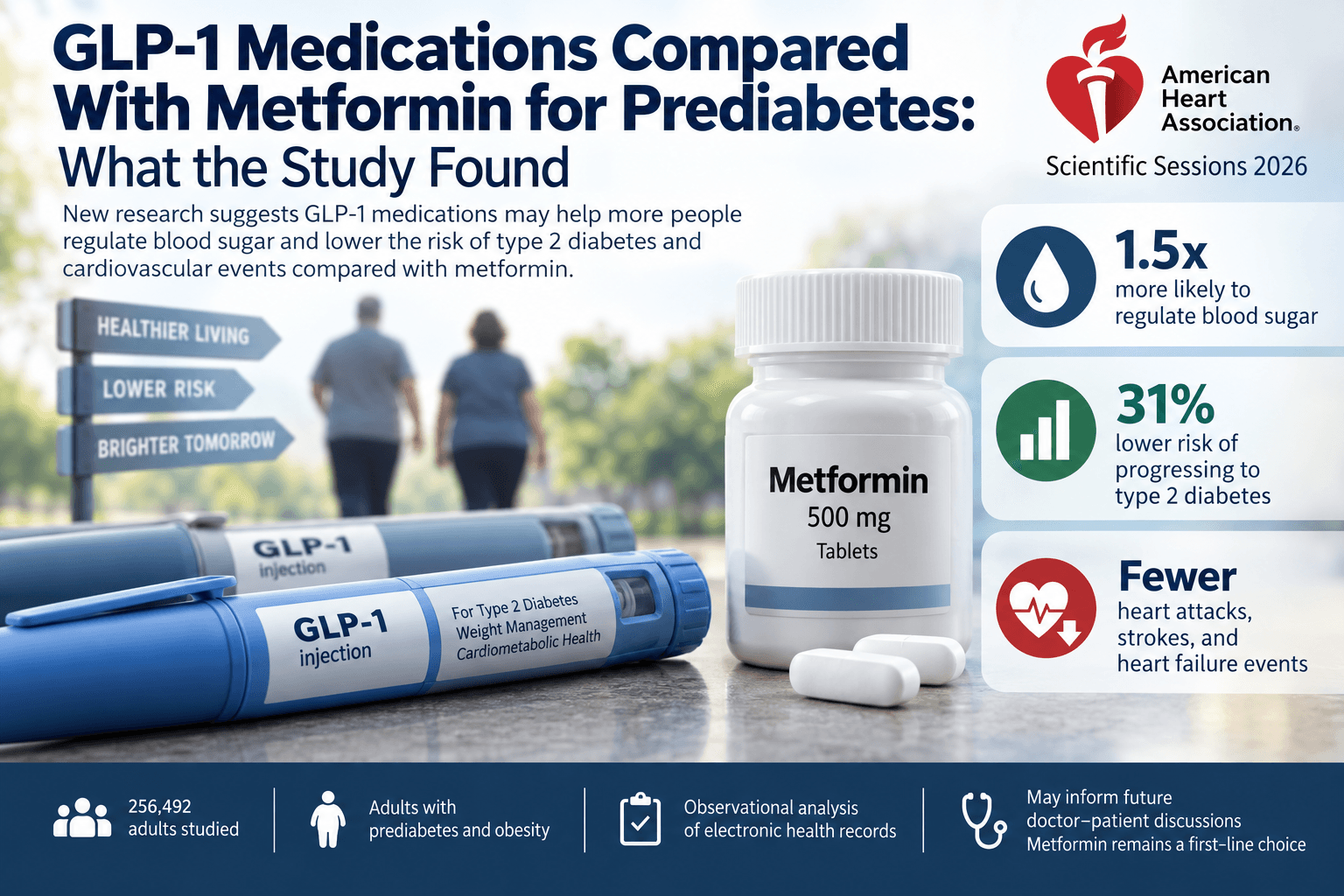
GLP-1 Medications Compared With Metformin for Prediabetes: What the Study Found
A study presented at the American Heart Association Scientific Sessions 2026 found that adults with prediabetes and obesity who took a GLP-1 medication were about 1.5 times more likely than those on metformin to regulate their blood sugar. They also had a 31% lower risk of progressing to type 2 diabetes. The observational analysis reviewed electronic health records from 256,492 adults and reported fewer heart attacks, strokes, and heart failure events among GLP-1 users. Researchers say the results could shape conversations between doctors and patients about treatment options, though metformin remains a first-line choice.