GLP-1 Medications Compared With Metformin for Prediabetes: What the Study Found
A study presented at the American Heart Association Scientific Sessions 2026 found that adults with prediabetes and obesity who took a GLP-1 medication were about 1.5 times more likely than those on metformin to regulate their blood sugar. They also had a 31% lower risk of progressing to type 2 diabetes. The observational analysis reviewed electronic health records from 256,492 adults and reported fewer heart attacks, strokes, and heart failure events among GLP-1 users. Researchers say the results could shape conversations between doctors and patients about treatment options, though metformin remains a first-line choice.
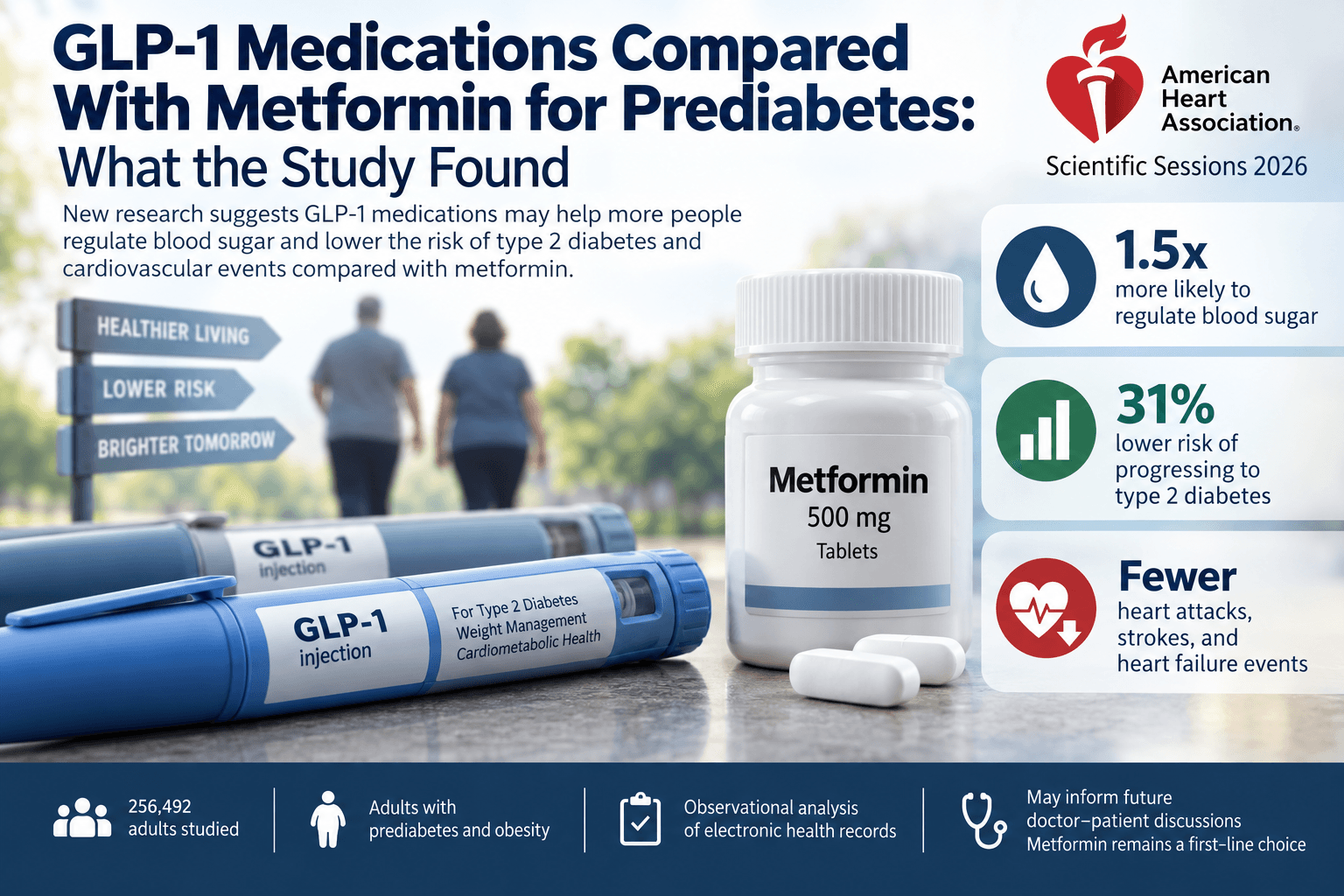
- Adults with prediabetes and obesity on GLP-1 medications were about 1.5 times more likely than metformin users to regulate their blood sugar.
- GLP-1 users had a 31% lower risk of progressing from prediabetes to type 2 diabetes.
- The observational study reviewed electronic health records from 256,492 adults over a 5-year follow-up period.
- GLP-1 therapy was associated with a 41% lower risk of all-cause mortality, along with fewer heart attacks, strokes, and heart failure events.
- Metformin remains a safe, inexpensive, first-line treatment choice, according to the study's researchers.
- The 2026 American Diabetes Association Standards of Care added recommendations for dual GIP and GLP-1 receptor agonist therapy.
- A survey of 500 community pharmacists found moderate knowledge of GLP-1 therapies, with gaps in injection technique and dosing protocols.
- Researchers recommend standardized counseling checklists to help pharmacists give consistent patient guidance.
In an observational analysis presented at the AHA Scientific Sessions 2026, adults with prediabetes and obesity who took GLP-1 medications were about 1.5 times more likely than those on metformin to regulate their blood sugar and had a 31% lower risk of progressing to type 2 diabetes. Researchers say metformin remains a first-line option.
Adults with prediabetes and obesity who took a GLP-1 medication were about 1.5 times more likely than those on metformin to regulate their blood sugar. They also had a 31% lower risk of progressing from prediabetes to type 2 diabetes. Those numbers come from an analysis presented at the American Heart Association (AHA) Scientific Sessions 2026, and they add to a growing list of questions about when these newer medications should enter the conversation.
If you have ever wondered how GLP-1 drugs compare with metformin, the long-trusted diabetes medication that many doctors start with, this study offers a useful snapshot. Here is what it looked at and what it found.
What the study looked at
How do GLP-1 medications compare with metformin for prediabetes?
The research was observational, which means the researchers reviewed existing data rather than assigning patients to treatments. The team evaluated electronic health records from 256,492 adults with prediabetes and obesity. They compared patients who received GLP-1 receptor agonists with patients who were prescribed metformin.
Do GLP-1 medications lower the risk of heart attacks and strokes?
Beyond blood sugar control, the GLP-1 group showed a 41% lower risk of all-cause mortality over a 5-year follow-up period. Patients on GLP-1s also experienced 15% fewer heart attacks, 20% fewer strokes, 25% fewer heart failure events, and an 8% reduction in atrial fibrillation cases. Those are the kinds of cardiovascular outcomes the AHA is watching closely, since heart attacks, strokes, and heart failure are grouped together as major adverse cardiovascular events, or MACE.
Vinicius de Sousa Barzon Serra, MD, the study author and a research fellow in the department of cardiovascular medicine at the Mayo Clinic, put it this way: “The great news with prediabetes is that it’s still possible to reverse the progression of the disease. This research may add to the case for considering GLP-1 medications earlier for certain patients, rather than waiting until they develop T2D.”
Why the timing matters
The findings arrive at a time when a large share of American adults are living with diabetes or prediabetes. According to the analysis, more than half of all adults in the US are currently impacted by one or the other, and 40% of American adults live with obesity. Even so, only 23% of adults diagnosed with diabetes reach recommended targets for blood pressure, cholesterol, and blood sugar combined.
Is metformin still a first-line treatment for prediabetes?
Robert Eckel, MD, a former AHA president, noted that weight loss driven by GLP-1 therapy plays a key role in slowing disease progression and preventing cardiovascular events. He also emphasized that metformin remains a safe, inexpensive, and trusted first-line option, with GLP-1 agents serving as an impactful secondary or add-on treatment.
Public use of these medications has grown quickly. Gallup survey data cited in the analysis show that 11% of American adults currently use GLP-1 medications for weight loss, up from 3% two years earlier. Among current users, 68% take brand-name formulations, 19% use compounded alternatives, and 12% are unsure which type they have.
Clinical guidance is also shifting. The 2026 American Diabetes Association Standards of Care introduced new recommendations supporting dual GIP and GLP-1 receptor agonist therapy, such as tirzepatide, to reduce heart failure symptoms and cardiovascular events. The updated guidelines also address individualized dose titration and initiating GLP-1 therapy in specialized groups, such as patients on dialysis.
What pharmacists are being asked to do
Community pharmacists are often the people who walk patients through the practical side of these medications. They are frequently called on to explain subcutaneous injection techniques, proper refrigerated storage, and gradual dose titration schedules.
A cross-sectional survey of 500 community pharmacists found a moderate overall knowledge score of 15.8 out of 25 on GLP-1 therapies. Knowledge varied by practice setting and experience, and pharmacists in high-volume settings scored higher. Still, gaps remained around regulatory approval status and dosing protocols. While 74.2% of pharmacists regularly told patients about storage conditions, only 51% consistently demonstrated proper injection pen use, and 45.6% routinely discussed potential side effects such as nausea.
Researchers suggested standardized counseling checklists and structured educational programs as a way to make patient guidance more consistent. They also noted that more than 60% of pharmacists expressed concern about medication misuse and off-label demand driven by interest in cosmetic weight loss.
Serra stressed that the study is not about swapping one drug for another. “The main effect these findings could have is on the shared decision-making discussion between doctors and patients exploring various treatment options, and the pros and cons for each. Metformin is still a first-line treatment choice. This is less about replacing one medication with another and more about discussing additional options with specific patients.”
If you are considering a GLP-1 medication, the study is a good reminder to bring these questions to your own health care provider. Ask about your individual risk, what options fit your situation, and how any medication should be stored, injected, and adjusted over time.
FAQ
- Do GLP-1 medications work better than metformin for prediabetes?
- This observational analysis found that adults with prediabetes and obesity on GLP-1 medications were about 1.5 times more likely than those on metformin to regulate their blood sugar, with a 31% lower risk of progressing to type 2 diabetes. The researchers said the findings inform shared decision-making rather than replacing metformin.
- Is metformin still a first-line option for prediabetes?
- Yes. Robert Eckel, MD, said metformin remains a safe, inexpensive, and trusted first-line option, and Vinicius de Sousa Barzon Serra, MD, said metformin is still a first-line treatment choice.
- Should people with prediabetes ask their doctor about GLP-1 medications?
- The study suggests bringing questions about your individual risk and which options fit your situation to your health care provider, including how any medication should be stored, injected, and adjusted over time.
Read next
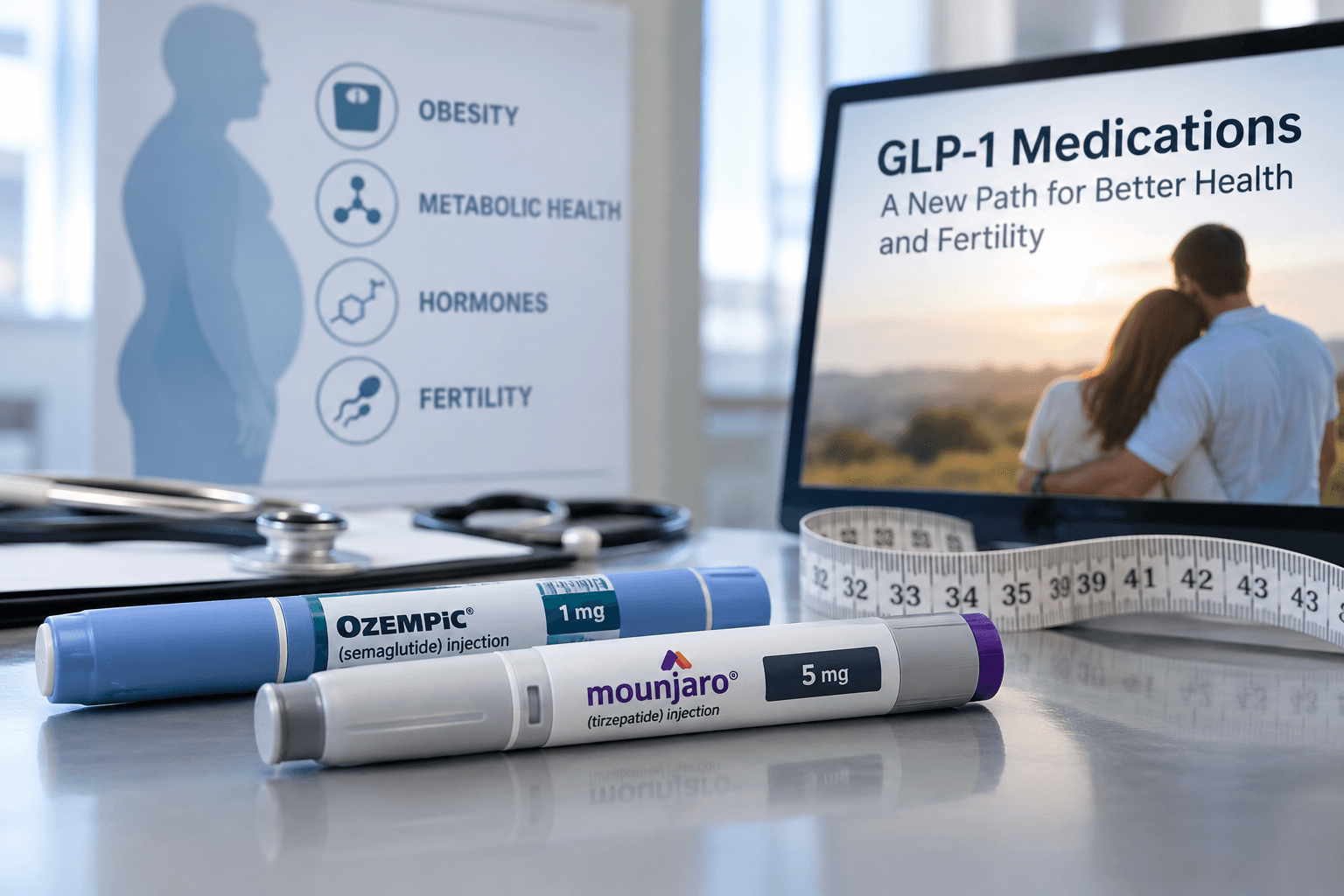
GLP-1 Medications Show Promise in Treating Obesity and Improving Fertility
Research on GLP-1 medications has yielded promising results in treating obesity and improving fertility in men with low testosterone. A study found that GLP-1s may improve testosterone levels and sperm quality, while another study showed a 310-fold increase in GLP-1 prescriptions for children with obesity.

Medicare's GLP-1 Discount Program Leaves Many Patients Behind
A new Medicare pilot program offers discounted GLP-1 medications for weight loss, but millions of patients are excluded due to pre-existing medical conditions, leaving them with unaffordable treatment options.
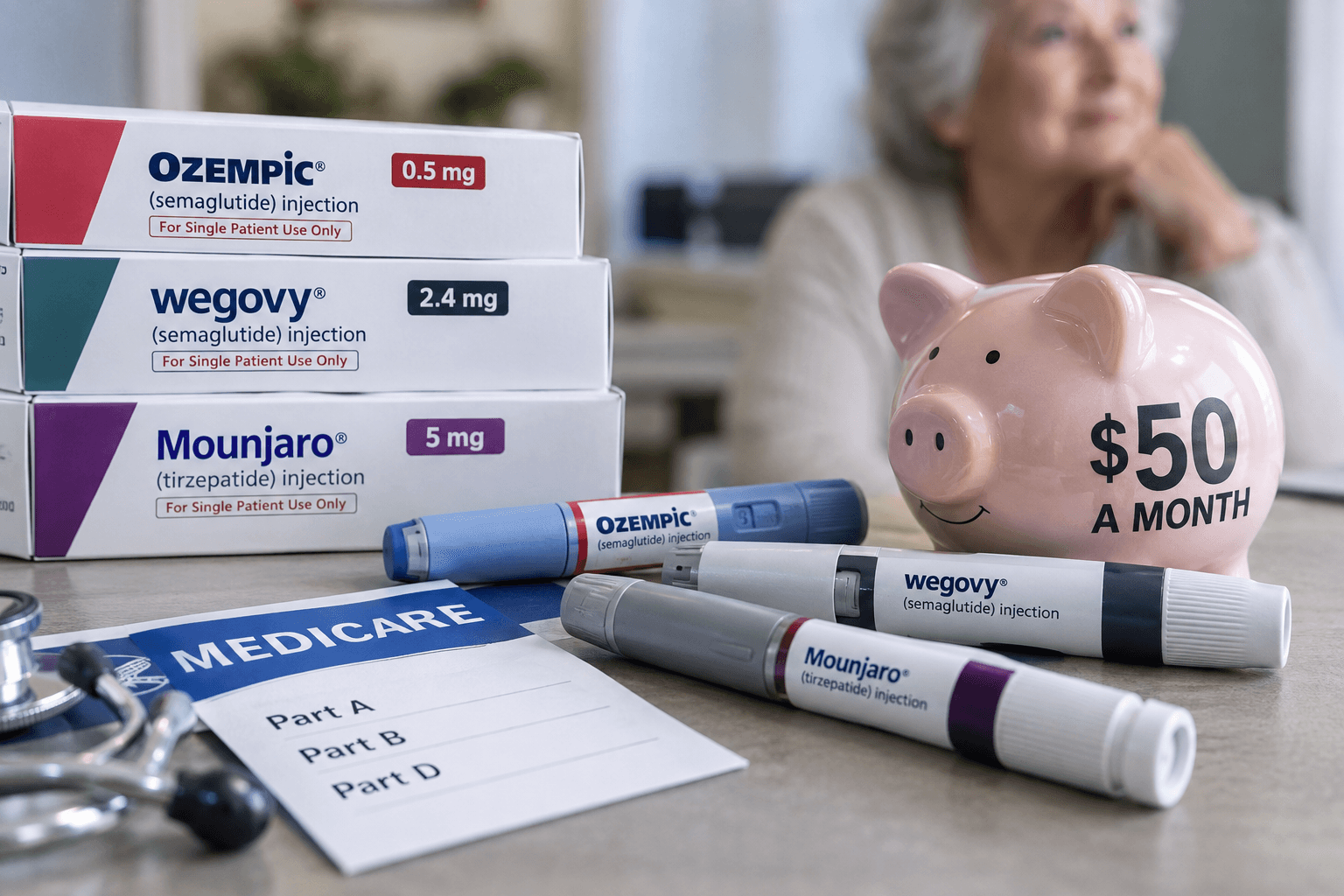
Medicare to Offer Cheaper GLP-1 Weight Loss Medications to Seniors
A new pilot program will allow some Medicare recipients to access GLP-1 weight loss medications for $50 a month, potentially helping millions of older adults who struggle with obesity. The program, set to launch on July 1, will cover three drugs and be available to those with Medicare Part D who meet certain conditions.
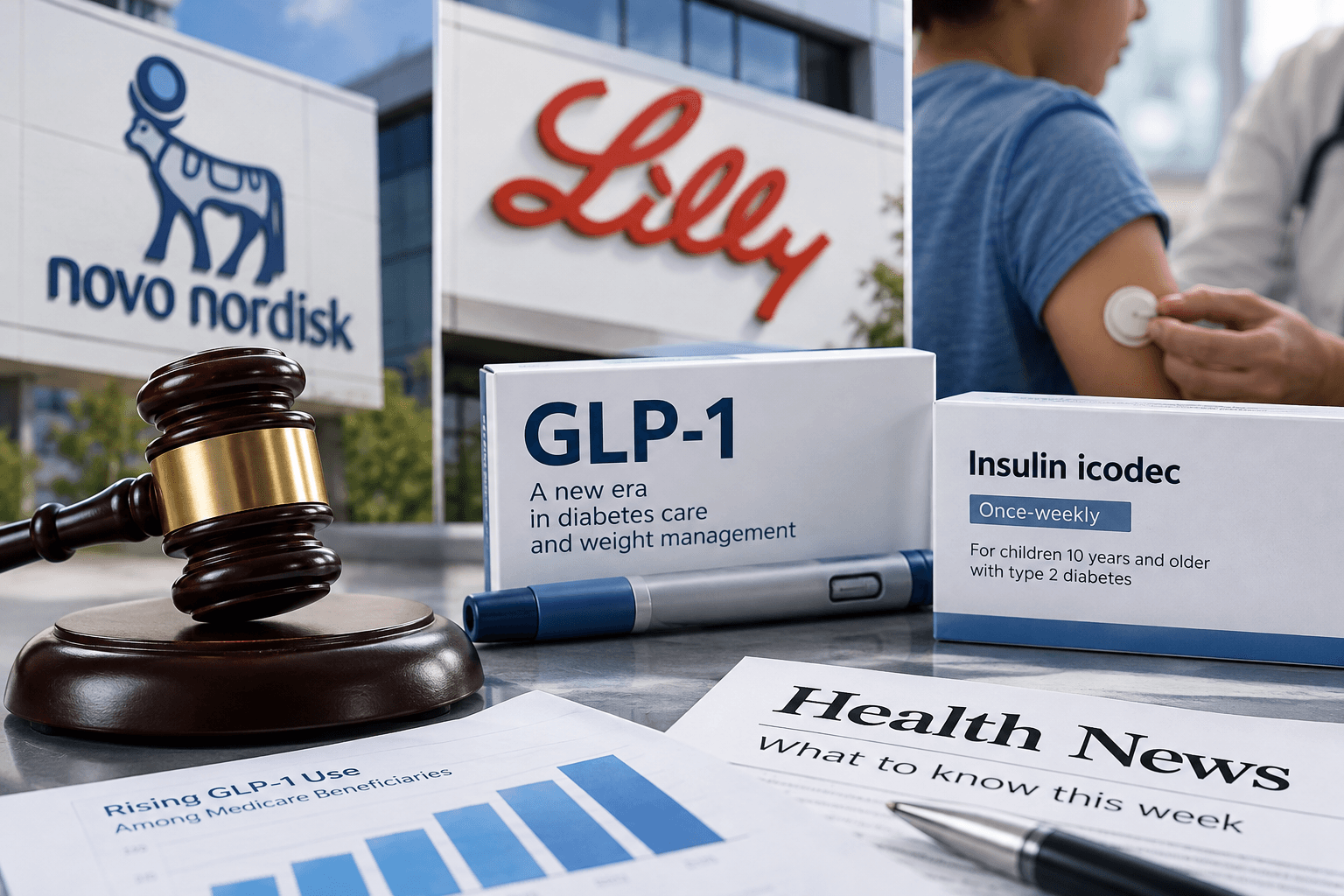
A Court Ruling on GLP-1 Ads, a Weekly Insulin for Kids, and Other Health Stories to Know
A U.S. judge rejected Novo Nordisk's request to temporarily block Eli Lilly from running ads claiming its weight-loss and diabetes drugs are more powerful. The same week, the FDA expanded approval for a once-weekly insulin for children ages 10 and older with type 2 diabetes. Studies also showed endocrinologists prescribing newer diabetes drugs more often and GLP-1 use among Medicare beneficiaries rising sharply. Here is a friendly rundown of what changed, what it means, and what to keep in mind.

GLP-1 Drugs Do Not Change Injection Needs for Diabetic Macular Edema, Study Finds
GLP-1 receptor agonists did not significantly change how often patients with diabetic macular edema needed anti-VEGF injections, according to a large retrospective cohort study presented at the American Academy of Ophthalmology meeting in New Orleans. Over 24 months of follow-up, treatment frequency showed no sustained or progressive change after patients started a GLP-1 drug, compared with matched patients who did not. Visual acuity and retinal thickness also held steady. Researchers said the results are reassuring amid ongoing uncertainty about the drugs' eye safety, though they cautioned that more research is needed.