Low T in Army Men, GLP-1 Blood Pressure Data and Retatrutide Side Effects Make the News
A new round of health research points to a wide range of hormone and metabolic findings. Roughly a quarter of active-duty U.S. Army men had a morning testosterone level under 300 ng/dL, a common cutoff for low testosterone. A CDC report found nearly half of American women ages 40 to 60 reported menopausal symptoms in 2025, and 15.6% of them took prescription medication for those symptoms. Separate studies linked GLP-1 drugs to blood pressure drops and early anti-aging signals. Novo Nordisk reported weight-loss results in women, and Walmart said it will cover over 250 prescription drugs, including some GLP-1 drugs for diabetes, for employees in 2027. An analysis of Reddit posts also cataloged side effects reported by users of the unapproved weight-loss drug retatrutide.

- About 25% of active-duty U.S. Army men had morning testosterone below 300 ng/dL, per JAMA.
- 15.6% of American women ages 40 to 60 with menopausal symptoms took prescription medication, a CDC report found.
- One in six adults with type 1 diabetes reported moderate to severe depression or anxiety symptoms.
- GLP-1 drugs and emerging multi-hormone modulators were linked to larger blood pressure drops in a meta-analysis.
- Novo Nordisk reported an average 25% weight loss among women in a post-hoc analysis of a semaglutide plus cagrilintide trial.
- Walmart will cover over 250 prescription drugs at no cost for employees in 2027.
- Reddit users of unapproved retatrutide reported appetite increases, fatigue, insomnia and heart rate changes.
- Verdiva Bio discontinued a phase II study of a once-weekly oral GLP-1 candidate.
A JAMA study found that roughly a quarter of active-duty U.S. Army men had a single morning testosterone level below 300 ng/dL, a common cutoff for low testosterone. This week's health roundup also covered GLP-1 blood pressure data and retatrutide side effects.
How common is low testosterone among active-duty Army men?
Roughly a quarter of active-duty U.S. Army men had a single morning testosterone concentration below 300 ng/dL, a level commonly used as the cutoff for low testosterone, according to a study published in JAMA.
The Army finding landed alongside a busy week of research on hormones, metabolism and weight-loss drugs. Here is what stood out.
Menopause care drew attention too. Nearly half of American women ages 40 to 60 reported menopausal symptoms in 2025, and 15.6% of that group were taking prescription medications for those symptoms, a CDC report found.
Mental health data also raised concerns. One in six adults with type 1 diabetes reported moderate to severe depression or anxiety symptoms, based on findings from the National Health Interview Survey and reported in Annals of Internal Medicine.
How can GLP-1 drugs affect blood pressure?
GLP-1 receptor agonists are also drawing scrutiny for their effects beyond weight. A meta-analysis of phase III trial data in eClinicalMedicine found that greater weight reduction from GLP-1 receptor agonists and emerging multi-hormone receptor modulators was strongly linked to larger drops in blood pressure.
Early research points in a further direction. CNN reported that early studies suggested GLP-1 agonists may have anti-aging potential. The findings remain preliminary.
Novo Nordisk said its investigational weight-loss combination of semaglutide plus cagrilintide was associated with an average 25% weight loss among women in post-hoc analyses of a phase III trial. The company said results were similar across pre-, peri- and postmenopausal stages. Post-hoc analyses explore data after a trial ends, so they generate questions rather than settle them.
Employers are also moving on drug costs. Walmart plans to cover over 250 prescription drugs, including some insulins and GLP-1 drugs for diabetes, at no cost for its employees in 2027, according to CNBC.
What side effects do users report with retatrutide?
Not every GLP-1 story is about approved products. An analysis of Reddit users reporting use of the unapproved weight-loss peptide retatrutide found that the most commonly cited adverse event terms included increased appetite, fatigue, increased energy, insomnia, increases in heart rate and muscle-related symptoms. The analysis, published in JAMA Network Open, relied on self-reported posts, so it captures user experiences rather than controlled clinical data.
Industry moves followed the same trend. Verdiva Bio canned a phase II study evaluating a once-weekly oral GLP-1 drug candidate, citing "market evolution," according to FierceBiotech. The company did not offer further detail in the report.
On the research side, Zealand Pharma and Generate Biomedicines announced a collaboration to use artificial intelligence in developing novel protein-based therapies for obesity and metabolic diseases.
FAQ
- What share of active-duty Army men had low testosterone in the JAMA study?
- Roughly a quarter had a single morning testosterone concentration below 300 ng/dL, a level commonly used as the cutoff for low testosterone.
- What side effects did Reddit users report with retatrutide?
- The most commonly cited adverse event terms included increased appetite, fatigue, increased energy, insomnia, increases in heart rate and muscle-related symptoms.
- Will Walmart employees get GLP-1 drugs at no cost in 2027?
- Walmart plans to cover over 250 prescription drugs, including some insulins and GLP-1 drugs for diabetes, at no cost for its employees in 2027.
Read next
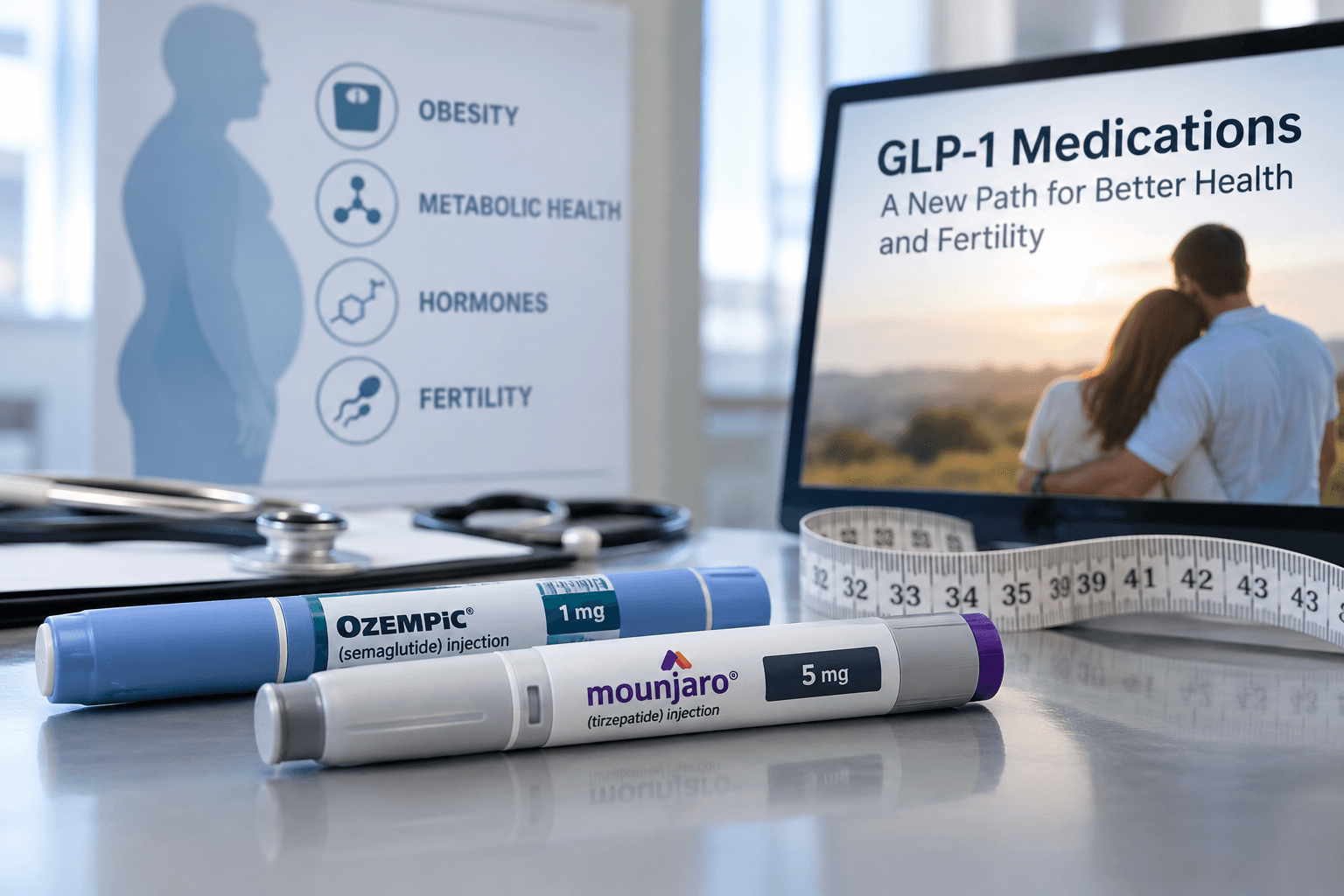
GLP-1 Medications Show Promise in Treating Obesity and Improving Fertility
Research on GLP-1 medications has yielded promising results in treating obesity and improving fertility in men with low testosterone. A study found that GLP-1s may improve testosterone levels and sperm quality, while another study showed a 310-fold increase in GLP-1 prescriptions for children with obesity.

Two Deaths Linked to Counterfeit Retatrutide; Novo Nordisk to Drop Saxenda
Two recent deaths tied to counterfeit versions of retatrutide, an investigational weight-loss medication, have been reported to the Food and Drug Administration. The reports come as lawsuits against GLP-1 drugs continue, and as Novo Nordisk announced plans to discontinue its weight-loss injectable Saxenda in early 2027 because of declining sales. The World Health Organization also issued its first obesity guidelines for children and adolescents, and researchers released new findings on diabetes, dementia risk in women with PMOS, and a range of other conditions.
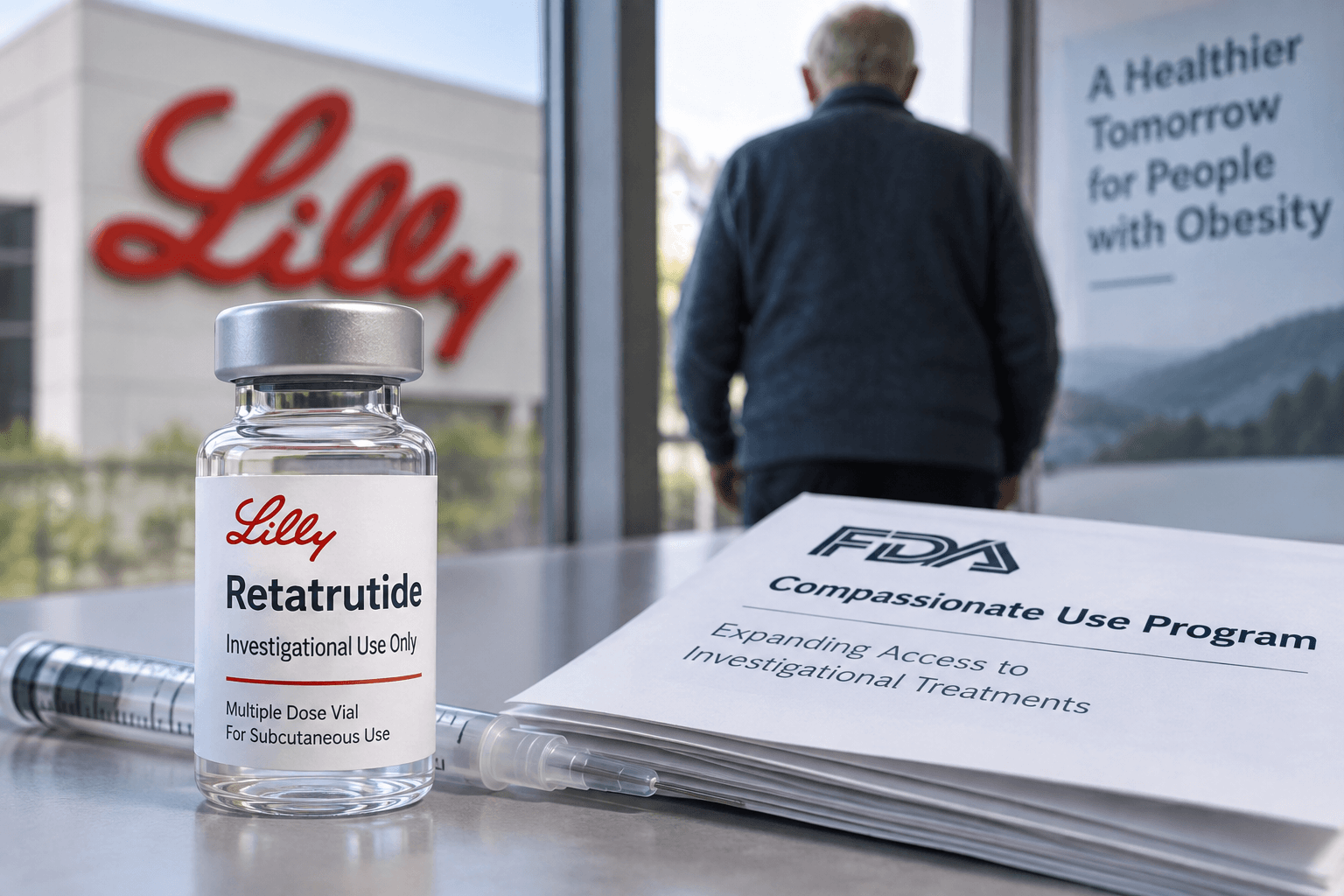
Eli Lilly Grants Access to Experimental Obesity Drug to 79-Year-Old Patient
Eli Lilly has given a 79-year-old patient access to its experimental obesity drug, retatrutide, through the FDA's compassionate use program. The move has raised eyebrows, with sources suggesting the patient may be well-connected. Retatrutide has shown promising results, with weight loss comparable to bariatric surgery.
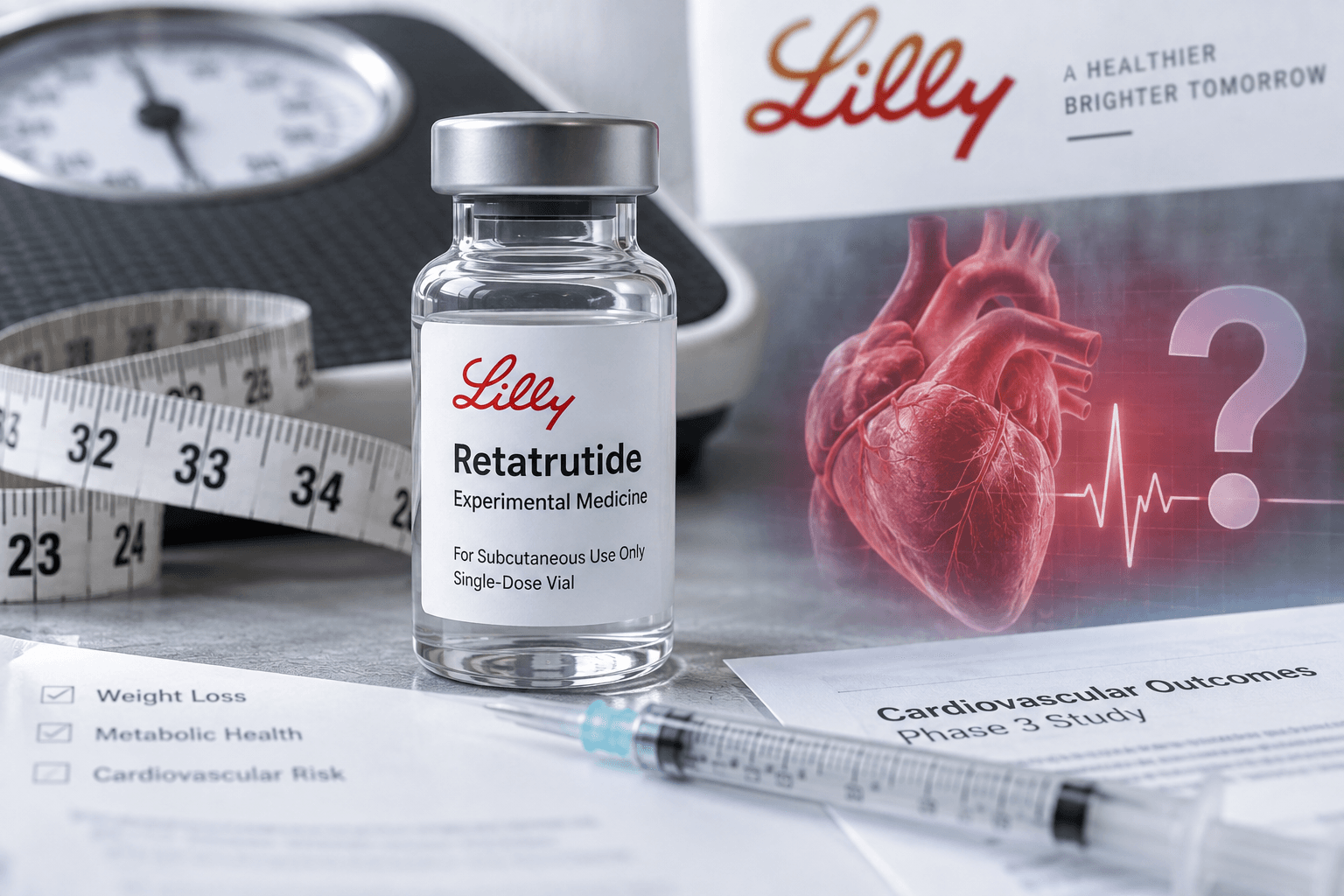
Eli Lilly's Obesity Drug Shows Promise, But Heart Benefits Remain Unclear
Eli Lilly's new obesity drug, retatrutide, has been shown to be highly effective in weight loss, with participants losing 22.6% of their weight after 80 weeks. However, the drug's impact on cardiovascular risk remains unclear due to a lack of statistically significant results in a recent Phase 3 study.
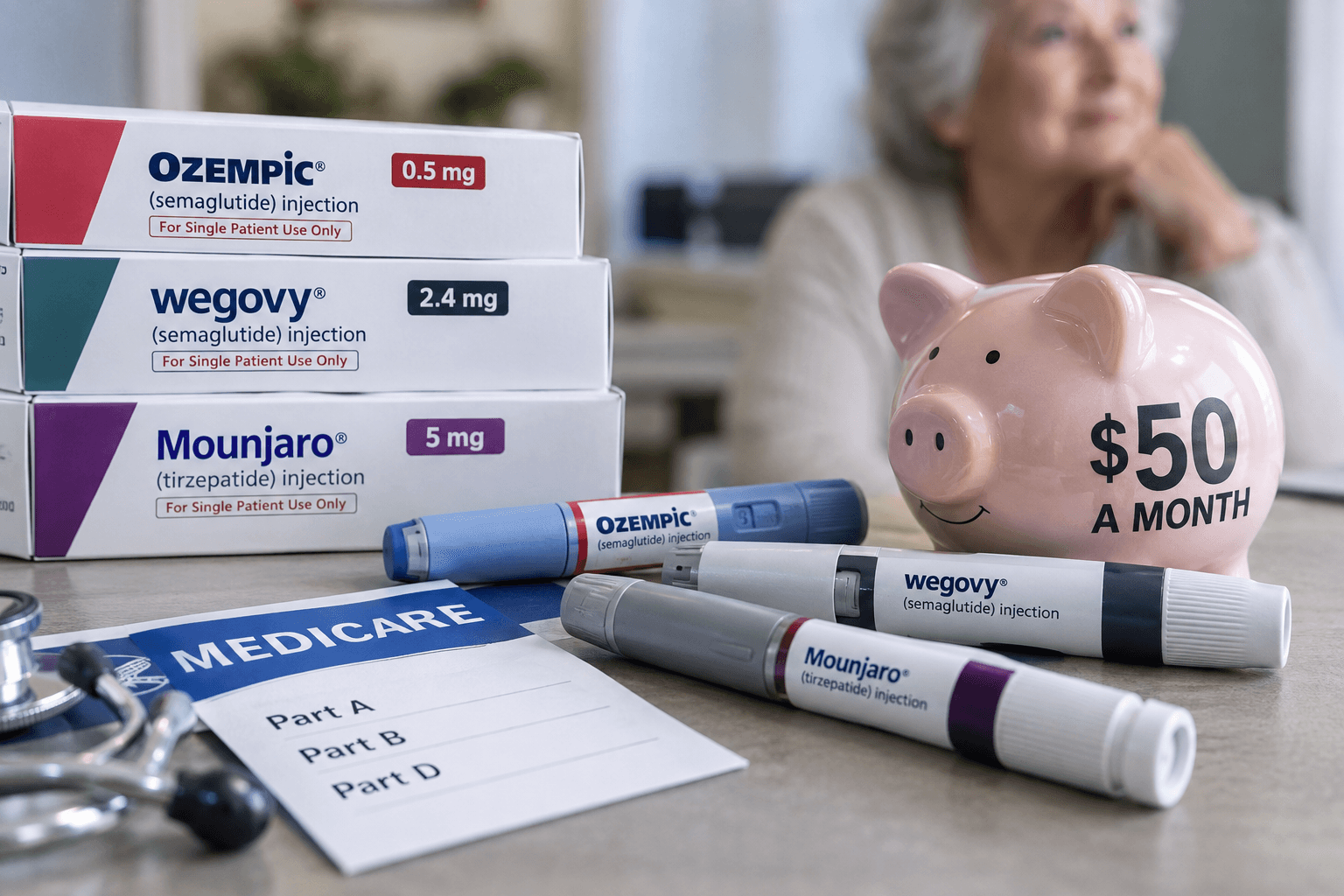
Medicare to Offer Cheaper GLP-1 Weight Loss Medications to Seniors
A new pilot program will allow some Medicare recipients to access GLP-1 weight loss medications for $50 a month, potentially helping millions of older adults who struggle with obesity. The program, set to launch on July 1, will cover three drugs and be available to those with Medicare Part D who meet certain conditions.