Why Community Pharmacies May Be the Key to Staying on GLP-1 Medications
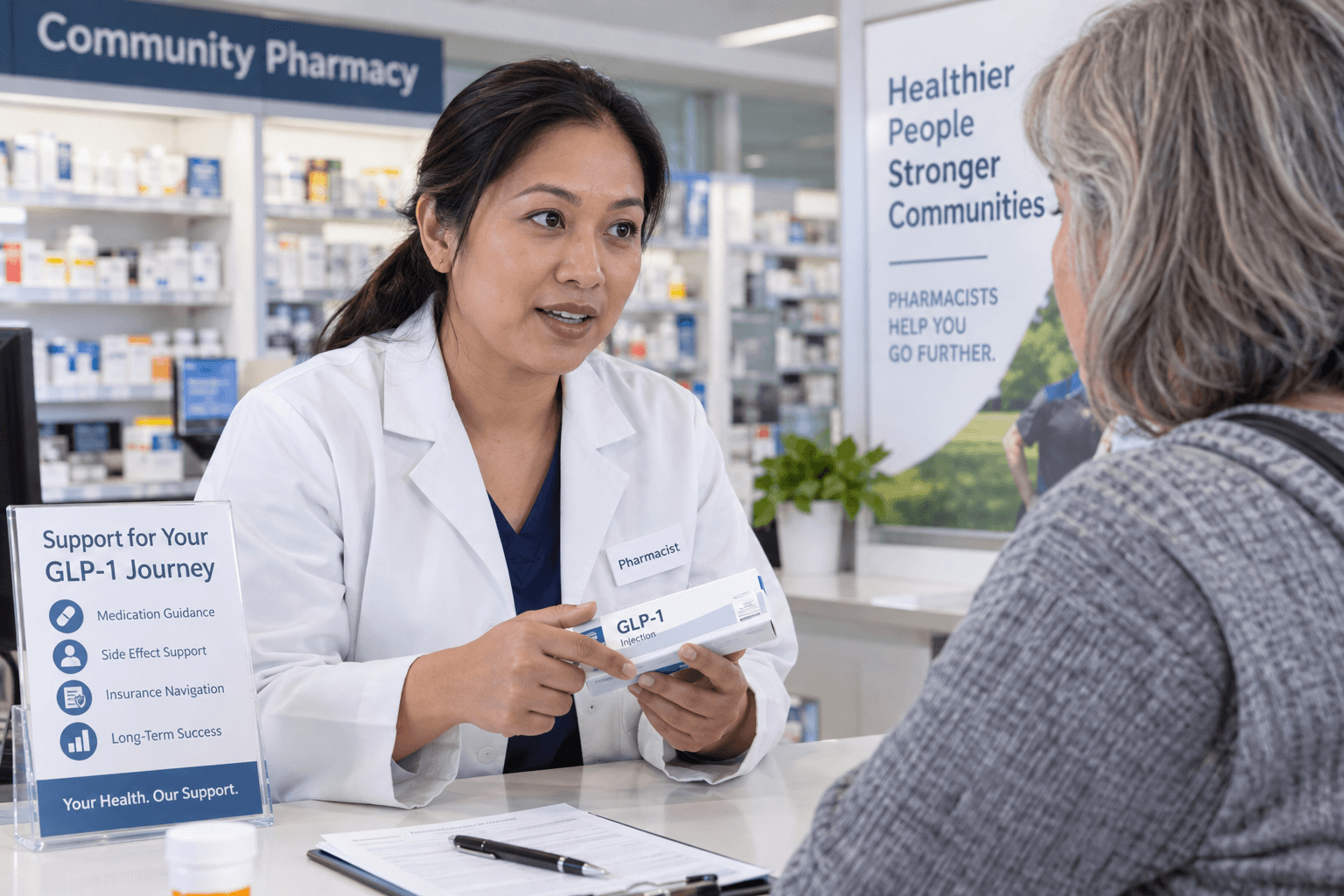
A new Milken Institute report, released alongside survey research, argues that community pharmacies can play a central role in helping patients stay on GLP-1 medications. Real-world data cited in the report indicates that roughly 47% to 68% of people stop treatment within the first year, and nearly three in four GLP-1 users say more time with a pharmacist would improve their experience and results. The report points to side effects during dose changes, prior authorization hurdles, and out-of-pocket costs as common reasons patients abandon therapy. It also highlights pharmacy-led check-ins, navigation support, and clearer reimbursement pathways as practical steps that could help patients and pharmacy teams stay on track over the long term.
- Roughly 47% to 68% of people discontinue GLP-1 medication within the first year, with rates climbing past 70% at two years.
- Nearly three in four GLP-1 users say more time with a pharmacist would improve their experience and results.
- Side effects like nausea and vomiting often peak during dose titration, a key window for brief check-ins.
- Prior authorization rules and out-of-pocket costs regularly lead to abandoned prescriptions.
- The IMPACT framework guides teams through identifying patients, counseling, refill check-ins, and tracking outcomes.
- 93% of GLP-1 users are totally confident in pharmacists, matching their trust in physicians.
- Dispensing GLP-1 medications alone is rarely profitable, so clear reimbursement pathways are needed.
- The Medicare GLP-1 Bridge program can lower copays for qualifying beneficiaries, but awareness remains low.
Getting a GLP-1 prescription for semaglutide filled is often the easy part. Staying on the medication for the long haul is where many patients run into trouble, and a new report from the Milken Institute makes the case that community pharmacies are well positioned to help.
The report, released alongside survey research, found that nearly three in four GLP-1 medication users say more time with a pharmacist would improve their experience and results. The National Association of Chain Drug Stores (NACDS) also weighed in on the release, with its president and CEO, Steven C. Anderson, describing a prescription as “a beginning, not a finish line.”
How many people stop taking GLP-1 medications?
The numbers behind that point are sobering. Real-world evidence cited in the report suggests that roughly 47% to 68% of people discontinue their GLP-1 medication within the first year, and discontinuation rates climb past 70% at two years. Stopping GLP-1 treatment, including with tirzepatide, can lead to weight regain and reverse cardiometabolic improvements, which is why the authors stress that care needs to continue well beyond the first fill.
Where patients tend to drop off
Side effects such as nausea, vomiting, and gastrointestinal distress often cluster during dose titration. The report identifies these stretches as key moments when patients are most likely to consider quitting. Nicole Pezzino, PharmD, BCACP, BC-ADM, CDCES, suggests brief check-ins during the first fill and around major milestone windows. Those conversations can catch small problems before they become reasons to stop.
Money and paperwork are another common hurdle. Complex prior authorization rules and unexpected out-of-pocket costs regularly lead to prescriptions being abandoned at the counter. The report notes that demonstration programs such as the Medicare GLP-1 Bridge program can lower copays for qualifying beneficiaries, though public awareness of these options remains low.
What a pharmacy team can do
How can pharmacy teams help patients stay on GLP-1 medications?
For pharmacy teams wondering where to begin, Pezzino introduces the IMPACT framework. It walks through a clear sequence: identify patients, deliver initial counseling, set up regular refill check-ins, and track health outcomes such as blood glucose and weight.
Pharmacy staff often act as navigators, too. They can look for formulary alternatives, submit prior authorizations, and route claims to savings programs. Pharmacies located inside retail grocery stores have an added advantage, since they can connect patients with healthier food choices and dietitian referrals. Consumer research cited in the report found that 89% of GLP-1 patients would find value in pharmacy starter kits that include supportive products, educational materials, and exercise resources.
Muscle health deserves attention, too. Clinical guidelines recommend higher daily protein intake alongside resistance exercise to help prevent sarcopenia, a concern that is especially pronounced among older adults on GLP-1 regimens. Pharmacists are well placed to bring that guidance into everyday conversations.
The trust factor is hard to ignore. According to the report, 93% of GLP-1 users are totally confident in pharmacists as a reliable health resource, a level that matches their confidence in physicians and far exceeds their confidence in telehealth services. In addition, 62% of active GLP-1 users say they have a personal pharmacist.
There is a catch, though. The report notes that dispensing GLP-1 medications alone is rarely profitable, which limits a pharmacy's ability to provide uncompensated clinical care. Pezzino emphasizes that expanded services need clear reimbursement mechanisms and efficient team workflows to remain viable over time. Policy experts and industry leaders are pushing for formal billing structures, collaborative practice agreements, and expanded medication therapy management programs that would compensate pharmacists for this kind of work.
If those pieces fall into place, the report suggests, pharmacists could become longitudinal partners in chronic disease management. As the authors note, GLP-1 clinical trials are exploring benefits across cardiovascular health, sleep apnea, and liver conditions. For patients, that means a long journey, and a familiar face at the pharmacy counter may matter more than ever.
FAQ
- How many GLP-1 users stop their medication within a year?
- Real-world evidence cited in the report suggests roughly 47% to 68% of people discontinue their GLP-1 medication within the first year, and discontinuation rates climb past 70% at two years.
- Why does stopping GLP-1 medication matter?
- Stopping treatment can lead to weight regain and reverse cardiometabolic improvements, which is why care needs to continue well beyond the first fill.
- Can the Medicare GLP-1 Bridge program lower costs?
- The report notes that demonstration programs such as the Medicare GLP-1 Bridge program can lower copays for qualifying beneficiaries, though public awareness of these options remains low.
Read next
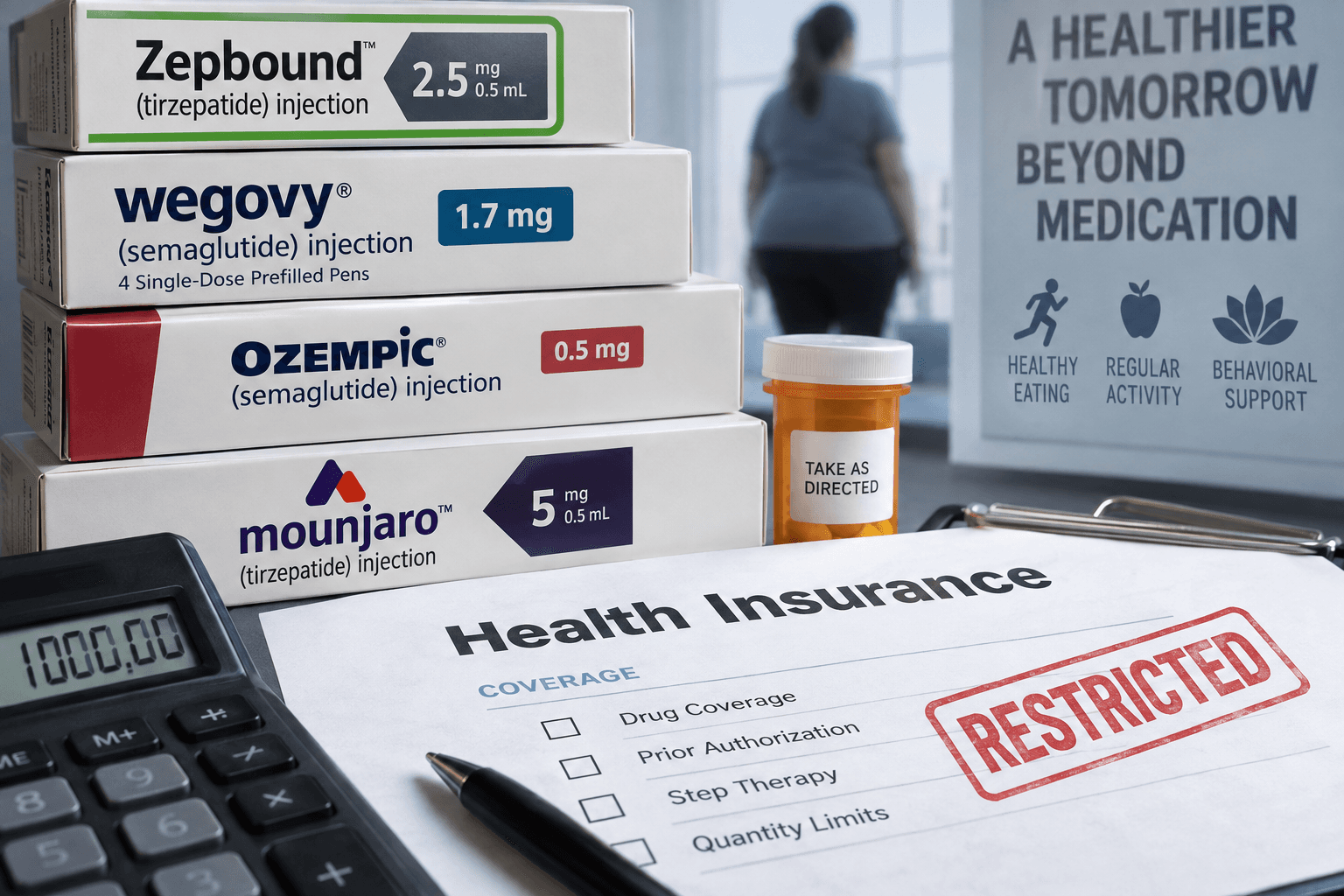
Insurers Struggle with Soaring GLP-1 Drug Costs, Seek to Wean Patients Off
With list prices of roughly $1,000 a month, public and private payers are struggling to keep up with ballooning demand for GLP-1 weight loss drugs, leading some to restrict coverage or explore 'deprescription' to taper patients off the medication.
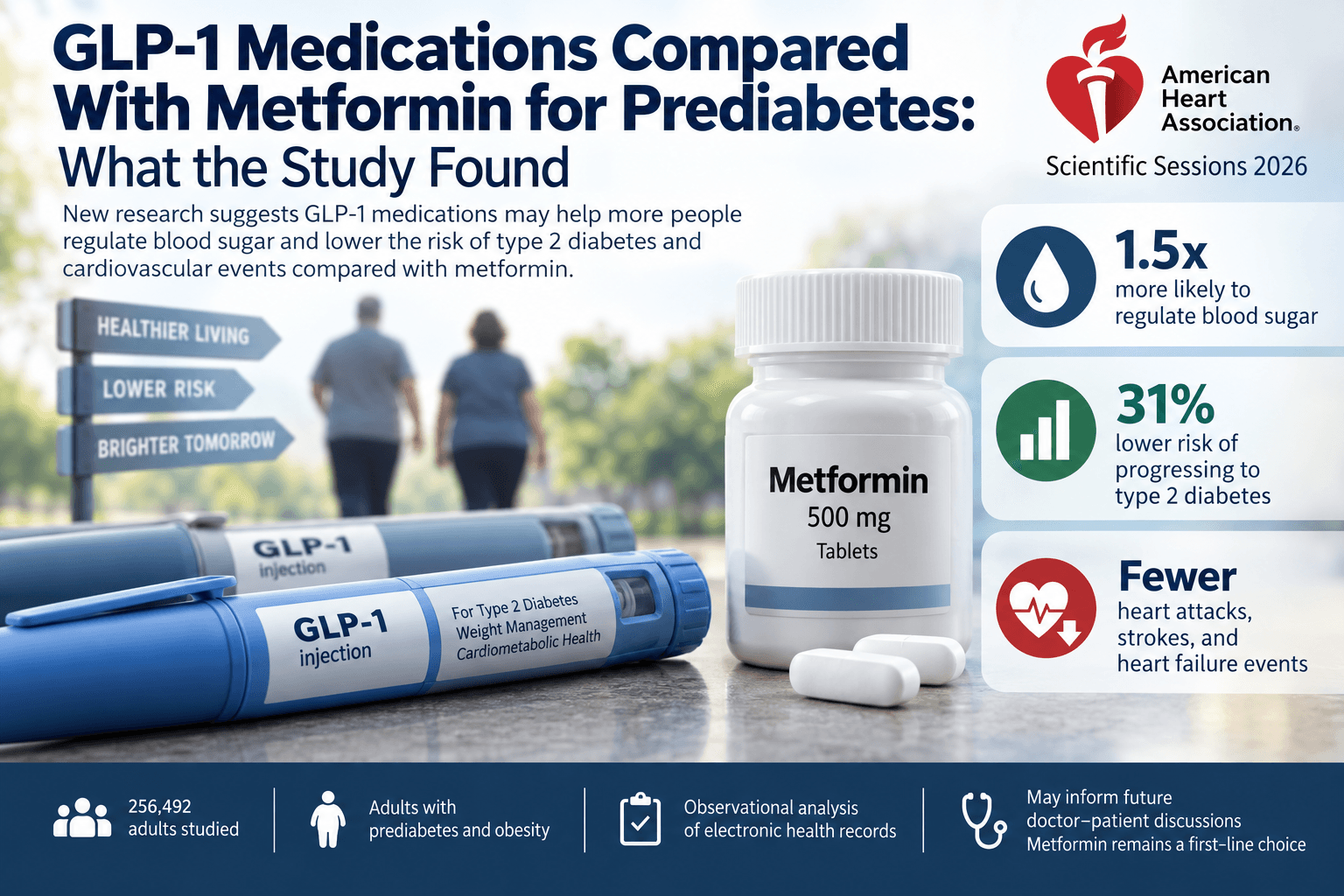
GLP-1 Medications Compared With Metformin for Prediabetes: What the Study Found
A study presented at the American Heart Association Scientific Sessions 2026 found that adults with prediabetes and obesity who took a GLP-1 medication were about 1.5 times more likely than those on metformin to regulate their blood sugar. They also had a 31% lower risk of progressing to type 2 diabetes. The observational analysis reviewed electronic health records from 256,492 adults and reported fewer heart attacks, strokes, and heart failure events among GLP-1 users. Researchers say the results could shape conversations between doctors and patients about treatment options, though metformin remains a first-line choice.
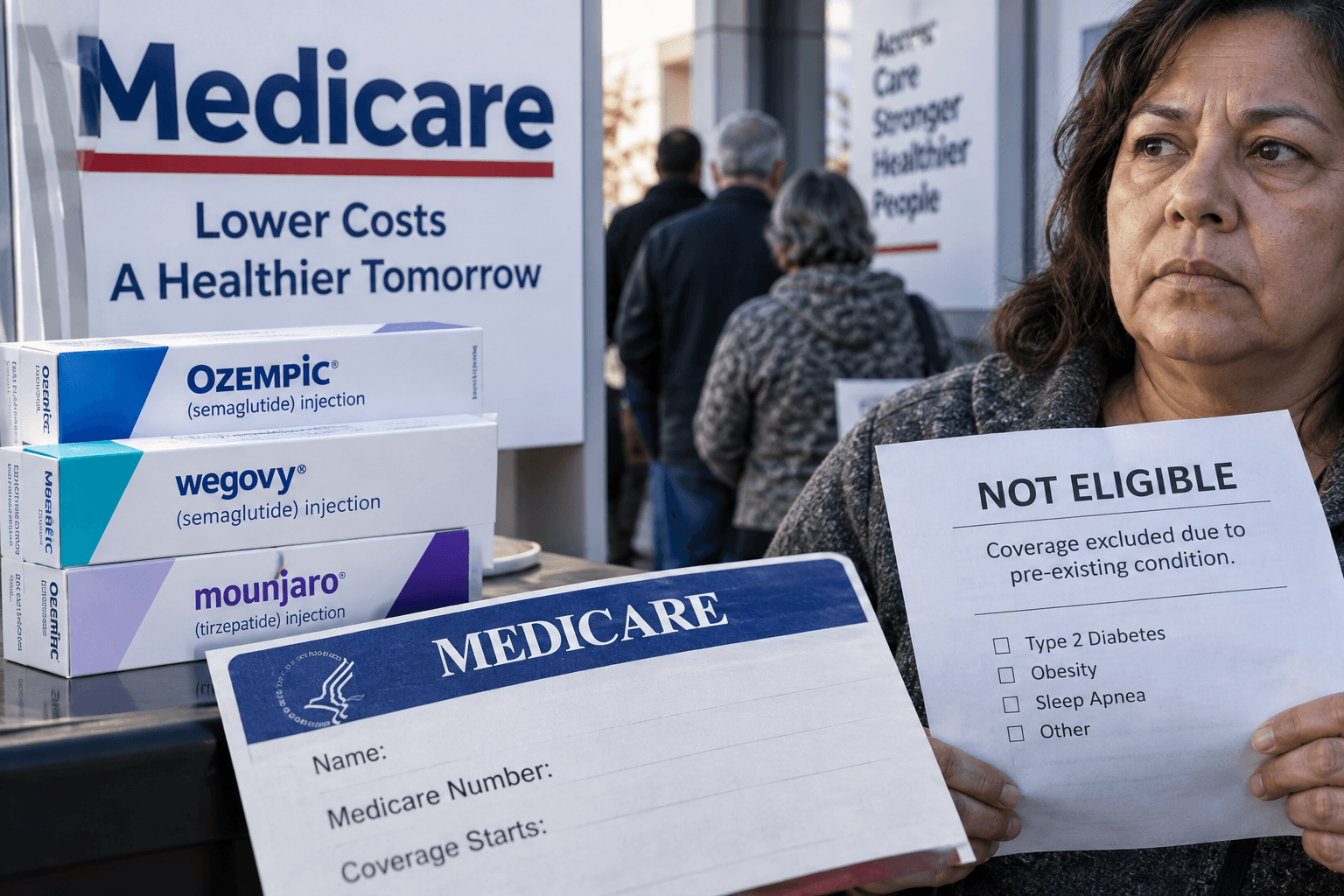
Medicare's GLP-1 Discount Program Leaves Many Patients Behind
A new Medicare pilot program offers discounted GLP-1 medications for weight loss, but millions of patients are excluded due to pre-existing medical conditions, leaving them with unaffordable treatment options.
Medicare to Offer Cheaper GLP-1 Weight Loss Medications to Seniors
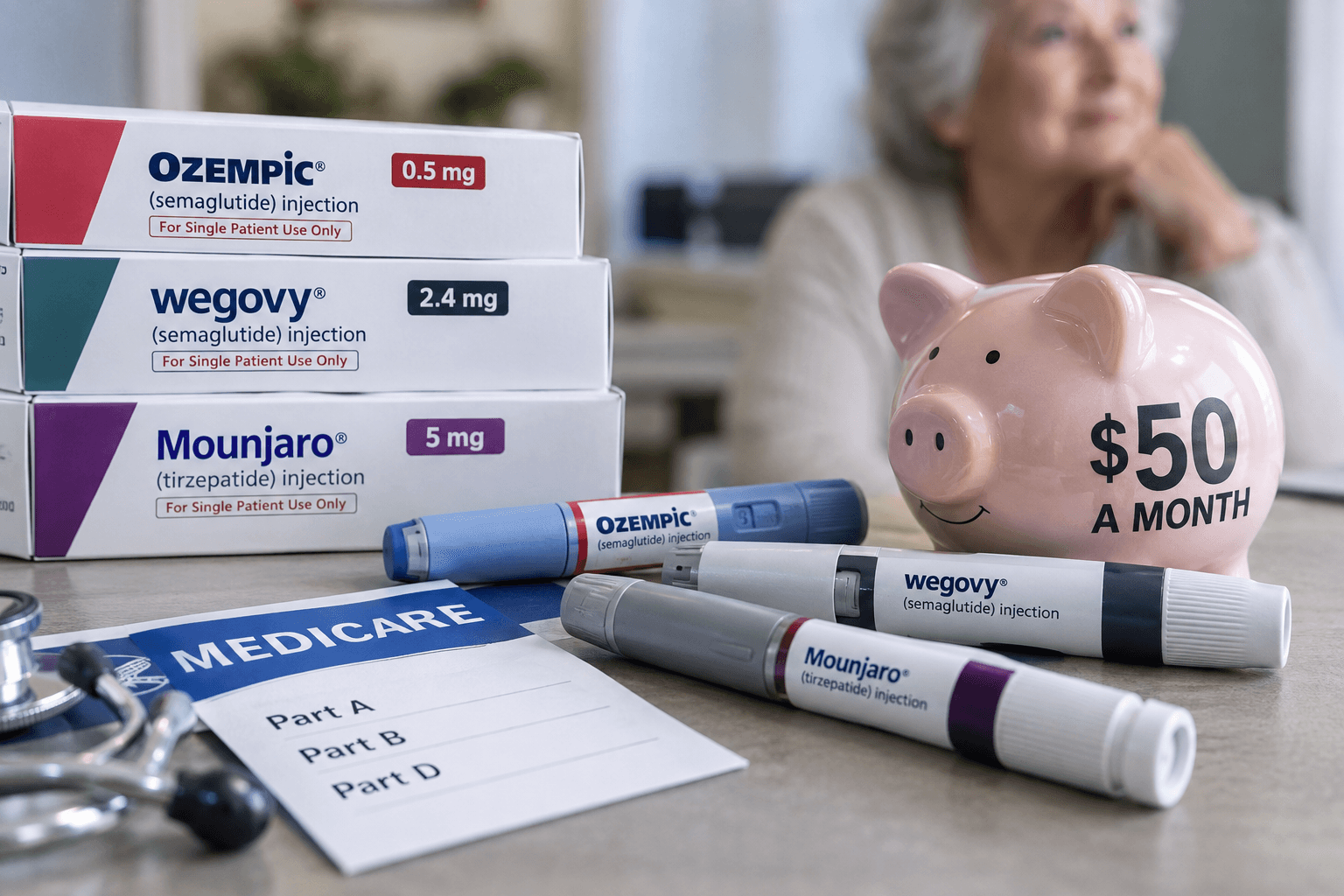
A new pilot program will allow some Medicare recipients to access GLP-1 weight loss medications for $50 a month, potentially helping millions of older adults who struggle with obesity. The program, set to launch on July 1, will cover three drugs and be available to those with Medicare Part D who meet certain conditions.
Medicare's GLP-1 'Bridge' Program May Limit Access to Weight Loss Drugs
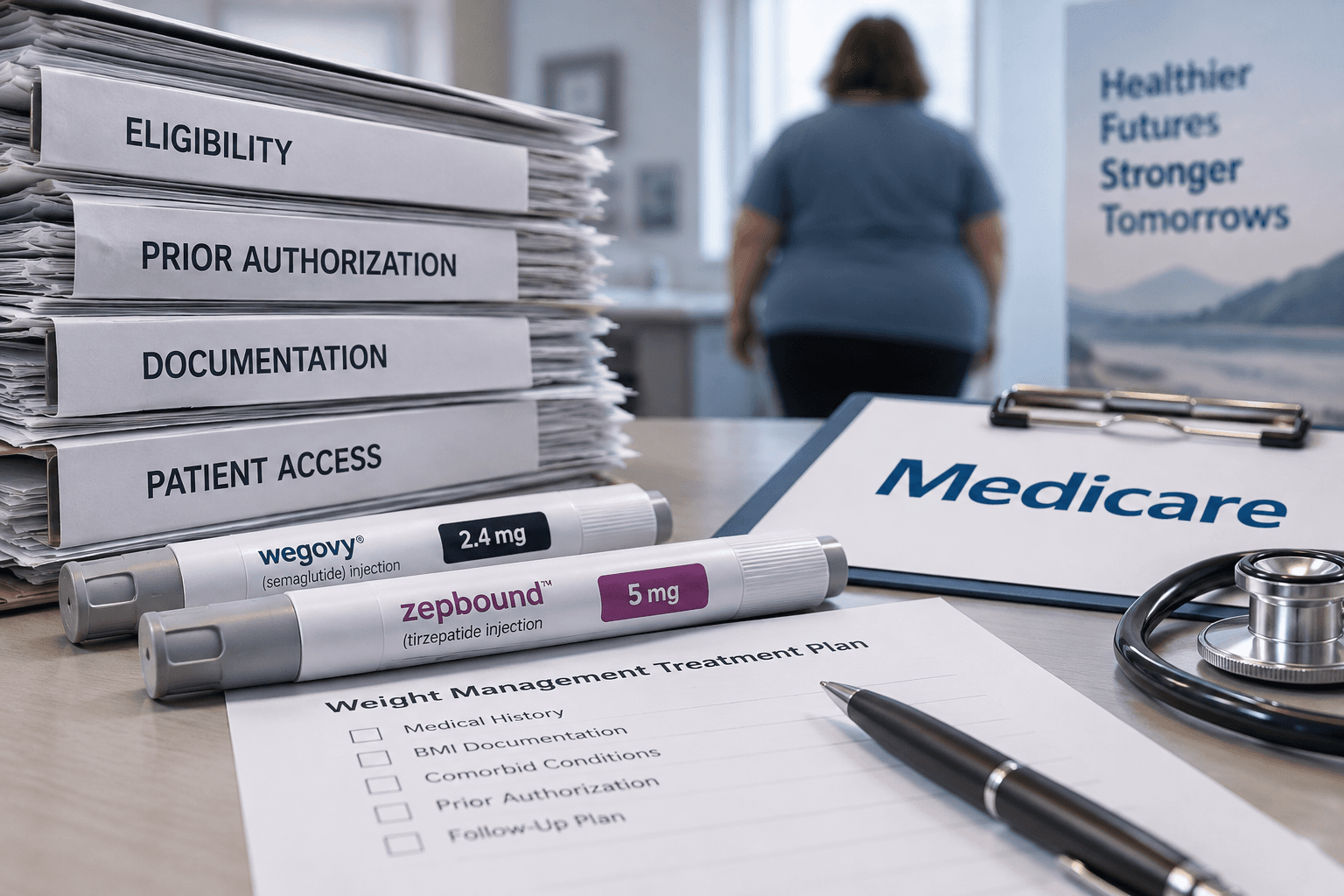
Medicare's new 'Bridge' program aims to make GLP-1 weight loss medications more affordable, but its complex eligibility criteria and administrative burdens may limit access for patients. The program, which offers discounted access to medications like Wegovy and Zepbound, requires extensive documentation and prior authorizations, which can delay treatment and increase staff workload.