Wegovy Cuts BMI in Children With Obesity as Young as 6, Trial Finds
Wegovy (semaglutide) significantly reduced body mass index in children ages 6 to 11 with obesity, according to results from the phase III STEP Young trial. Presented at the ObesityWeek annual meeting and published in the New England Journal of Medicine, the study found that treated children lost weight while placebo patients gained it. Researchers also reported slower height gain and frequent gastrointestinal side effects. Drugmaker Novo Nordisk has not said whether it will submit the data to the FDA.

- Wegovy cut BMI by 13.5% at week 68 in children ages 6 to 11 with obesity, versus a 2.7% increase on placebo.
- At week 104, BMI fell 9.4% on semaglutide and rose 8.4% on placebo.
- 38% of treated children dropped below the obesity threshold by week 68, compared with 2% on placebo.
- Treated children grew less in height: 8.8 cm versus 12.1 cm on placebo at week 104.
- 94% of semaglutide patients reverted from prediabetes to normal blood sugar, versus 44% on placebo (exploratory).
- Vomiting, diarrhea and nausea were far more common on the drug, mostly mild to moderate.
- Serious adverse events occurred in 9% of both groups, with no deaths or new safety signals.
- Novo Nordisk has not said whether it will submit the data to the FDA.
Young children with obesity lost significant weight on Wegovy, according to results from the phase III STEP Young trial. The study enrolled kids ages 6 to 11, a group that currently has few medication options. Results were presented at the ObesityWeek annual meeting and published at the same time in the New England Journal of Medicine.
How much weight did children lose on Wegovy?
At week 68, mean body mass index dropped 13.5% in children taking semaglutide. The placebo group saw an increase of 2.7%. The trial met its primary endpoint. By the end of the 104-week treatment period, the gap widened. BMI fell 9.4% in the semaglutide group, while the placebo group rose 8.4%.
More than a third of treated children reached a BMI below the obesity threshold. At week 68, 38% of the semaglutide group had crossed that line, compared with 2% of placebo patients. At week 104, the rates were 33% and 2%.
“What we cannot capture with the numbers is the transformation that occurred in these visits,” said lead author Ania Jastreboff, MD, PhD, of the Yale School of Medicine. “You would walk into the room and the child and their family just felt so different. These children were thriving.”
The stakes are high. The study’s authors estimate that about one in five U.S. children ages 6 to 11 has obesity. Lifestyle changes remain the main treatment for that age group, along with rare off-label medication use or bariatric surgery. Semaglutide is approved for adolescents 12 and older. Liraglutide (Saxenda), an older daily GLP-1 drug, is approved in the European Union for children ages 6 and up.
Co-author Martin Wabitsch, MD, PhD, of University Medical Center Ulm in Germany, told the meeting that children with severe obesity have a quality of life “similar to that of children diagnosed with cancer.” He added that a 4-year-old with severe obesity has a life expectancy of just 39 years without weight loss.
Growth is the central concern. Potent weight-loss drugs carry possible risks in children before puberty, particularly for linear growth and lean muscle development. In a subgroup of 50 children, semaglutide produced a greater drop in fat mass percentage and a greater rise in lean soft-tissue percentage than placebo.
Does Wegovy slow growth in young children?
Height gain was smaller on the drug, though. Median height gain was 5.7 cm with semaglutide versus 7.8 cm with placebo at week 68. At week 104, it was 8.8 cm versus 12.1 cm. Bone age, bone mineral density and puberty progression were similar between groups. The researchers suggested the slower growth may simply reflect BMI normalization, since children with obesity often grow faster before puberty.
The trial ran at 48 sites in nine countries. It randomized 167 children on a 2:1 basis to once-weekly subcutaneous semaglutide (112 children) or placebo (55 children) for 104 weeks, followed by a 7-week washout. All participants received lifestyle counseling. At least 30% had severe obesity or an obesity-related complication, such as hypertension, dyslipidemia, obstructive sleep apnea or type 2 diabetes. Children with syndromic or hypothalamic obesity were excluded.
Secondary cardiometabolic measures also favored the drug at week 68. Waist circumference fell 8.5 cm with semaglutide, while it rose 2.7 cm with placebo. Systolic blood pressure dropped 4.4 mm Hg versus 0.9 mm Hg. Triglycerides fell 26.3%, compared with a 0.4% rise on placebo. These measures were not adjusted for multiple comparisons.
In an exploratory analysis, 94% of semaglutide participants moved from prediabetes back to normal blood sugar by week 104, compared with 44% on placebo. Daniel Hsia, MD, of Emory University and Children’s Healthcare of Atlanta, who was not involved in the study, said the data matter for young patients. “When I am seeing children developing type 2 diabetes at a very young age, this is the type of data that we are really looking for to better understand how these medications can prevent progression.”
What side effects did children have on semaglutide?
Gastrointestinal problems were the most common side effects, as expected with GLP-1 therapies. Vomiting occurred in 70% of semaglutide patients versus 29% on placebo. Diarrhea was reported by 62% versus 35%, and nausea by 58% versus 24%. Most events were mild to moderate and peaked during the 16-week dose-escalation phase. Hsia noted that vomiting was lower than in adult and adolescent trials, though children often have gastroenteritis, which could explain some cases.
Only one child on semaglutide stopped treatment because of gastrointestinal side effects. Serious adverse events, mostly respiratory or gastrointestinal infections, occurred in 9% of participants in both groups. No deaths or new safety signals were reported. Nearly 40% of children on placebo discontinued injections by week 104, which the authors said was unsurprising given the lack of weight-loss progress.
The study has limits. The population was predominantly white, and researchers did not screen for eating disorders at baseline. Novo Nordisk has not yet announced plans to submit the STEP Young data to the FDA.
FAQ
- How much did BMI drop in children taking Wegovy?
- At week 68, mean BMI fell 13.5% in children taking semaglutide, while the placebo group rose 2.7%. By week 104, BMI fell 9.4% on semaglutide versus an 8.4% rise on placebo.
- Is semaglutide approved for children under 12?
- Semaglutide is approved for adolescents 12 and older. The STEP Young trial enrolled children ages 6 to 11, and Novo Nordisk has not yet announced plans to submit the data to the FDA.
- Did Wegovy slow height growth in children?
- Height gain was smaller on the drug. Median height gain was 5.7 cm with semaglutide versus 7.8 cm with placebo at week 68, and 8.8 cm versus 12.1 cm at week 104. Researchers suggested this may reflect BMI normalization.
Read next
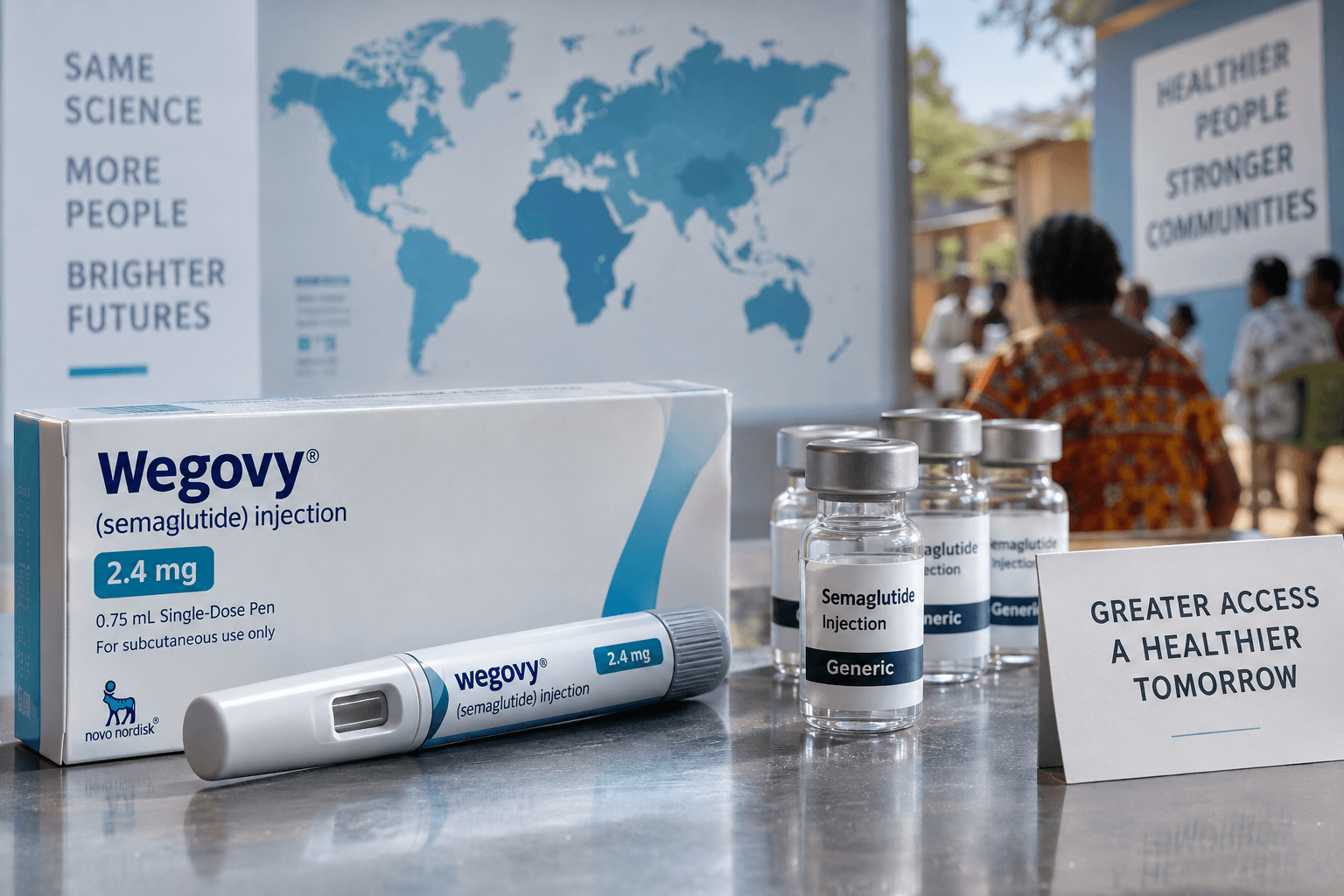
Cheaper GLP-1 Generics Arrive, and a Global Access Fight May Follow
Lower-cost generic versions of semaglutide, the drug sold as Wegovy by Novo Nordisk for obesity, have begun reaching some countries and will soon arrive in others. At the same time, drugmakers are racing to develop newer GLP-1 medicines that are forecast to be more effective, cause fewer side effects and be easier to administer. London School of Economics professor Ken Shadlen, who studies the politics of pharmaceutical and health regulation, warns that obesity medications could become the next major battleground over access to medicines in lower-income countries. The shifts could put weight-loss treatment within reach of more people, but the path to access is far from settled.
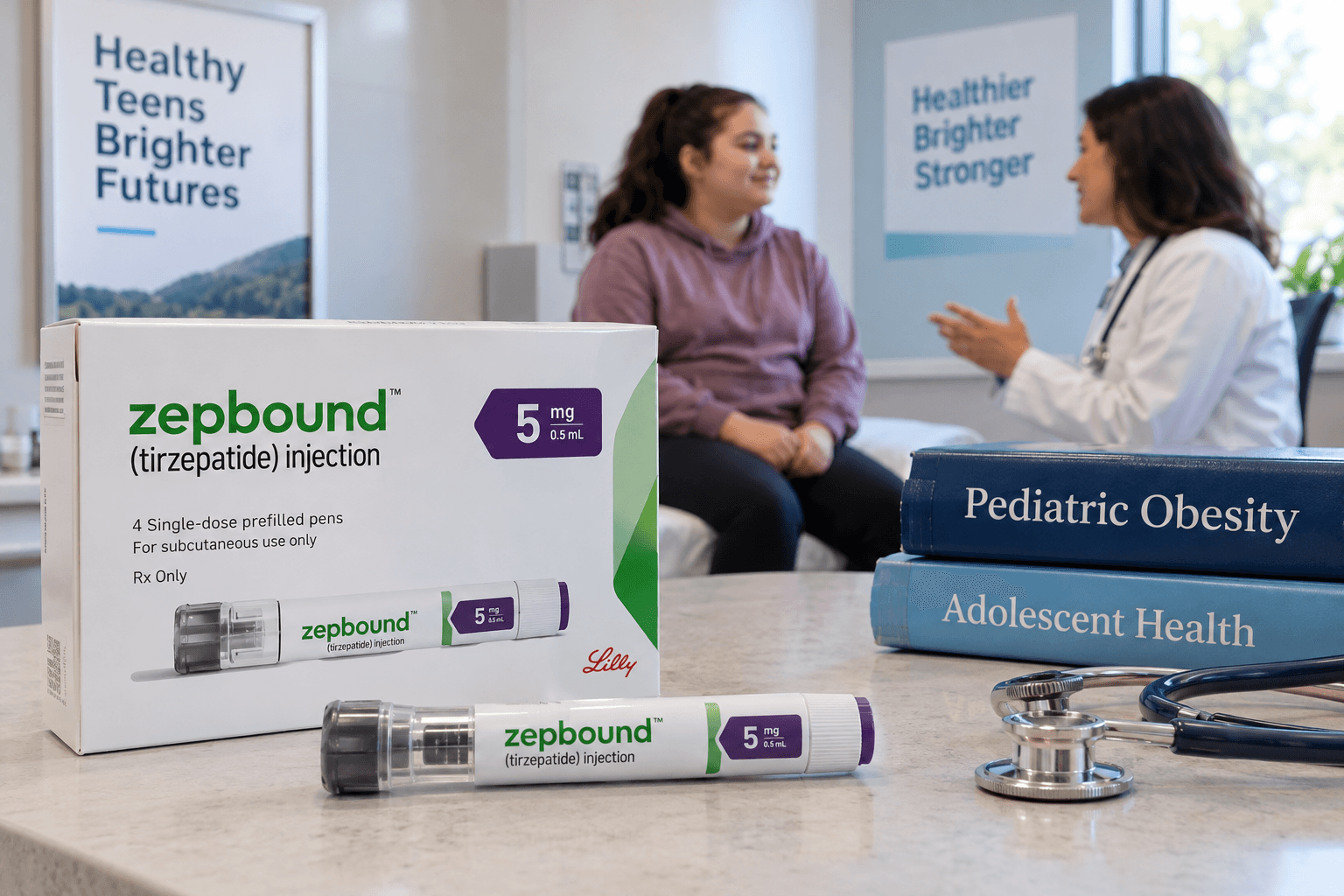
Tirzepatide Cuts BMI Sharply in Adolescents With Obesity, Phase III Trial Finds
Tirzepatide (Zepbound) produced substantial reductions in body mass index among adolescents with obesity in the phase III SURMOUNT-ADOLESCENTS trial. At week 72, participants on the once-weekly GLP-1/GIP drug alongside a healthy lifestyle program saw an 18.5% mean BMI reduction, while those on placebo saw a 0.5% increase. The trial met its primary endpoint, and all 10 key secondary outcomes also favored tirzepatide. Results were presented at the ObesityWeek annual meeting and published in JAMA. The researchers cautioned against escalating doses to the maximum tolerated level in routine care.
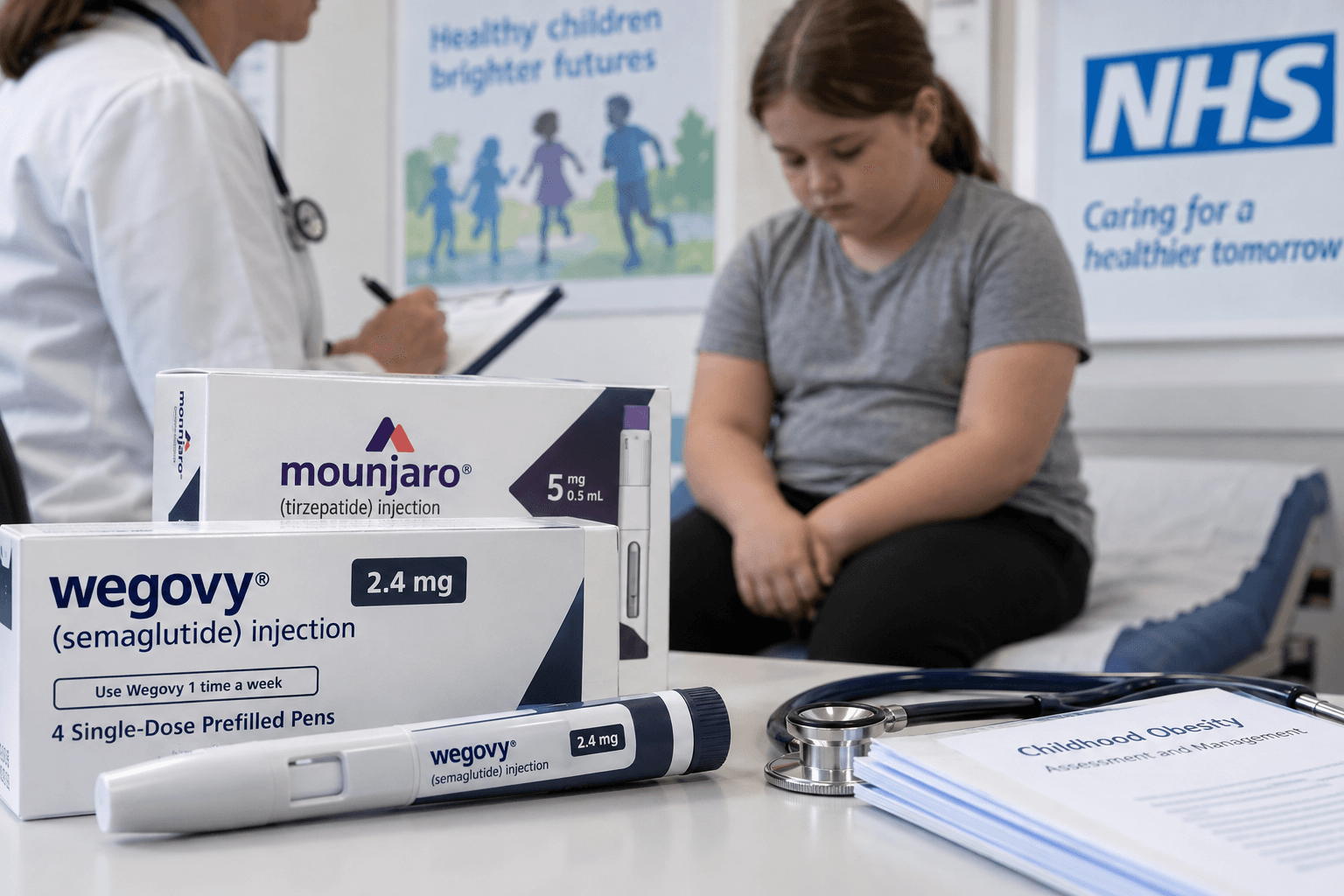
Hundreds of English Children Prescribed Weight-Loss Jabs, Figures Show
Hundreds of children in England are receiving prescriptions for GLP-1 medications, including some under 12, according to a Guardian investigation of NHS prescribing data. In the 2025-26 financial year, 419 prescriptions were issued to under-18s, 10 of them to children under 12. Experts say the figures likely understate the true total, and they stress that children who start these drugs need specialist supervision and long-term monitoring. The findings come as childhood obesity rates continue to rise and as new global guidance advises against giving obesity medications to children under 10.
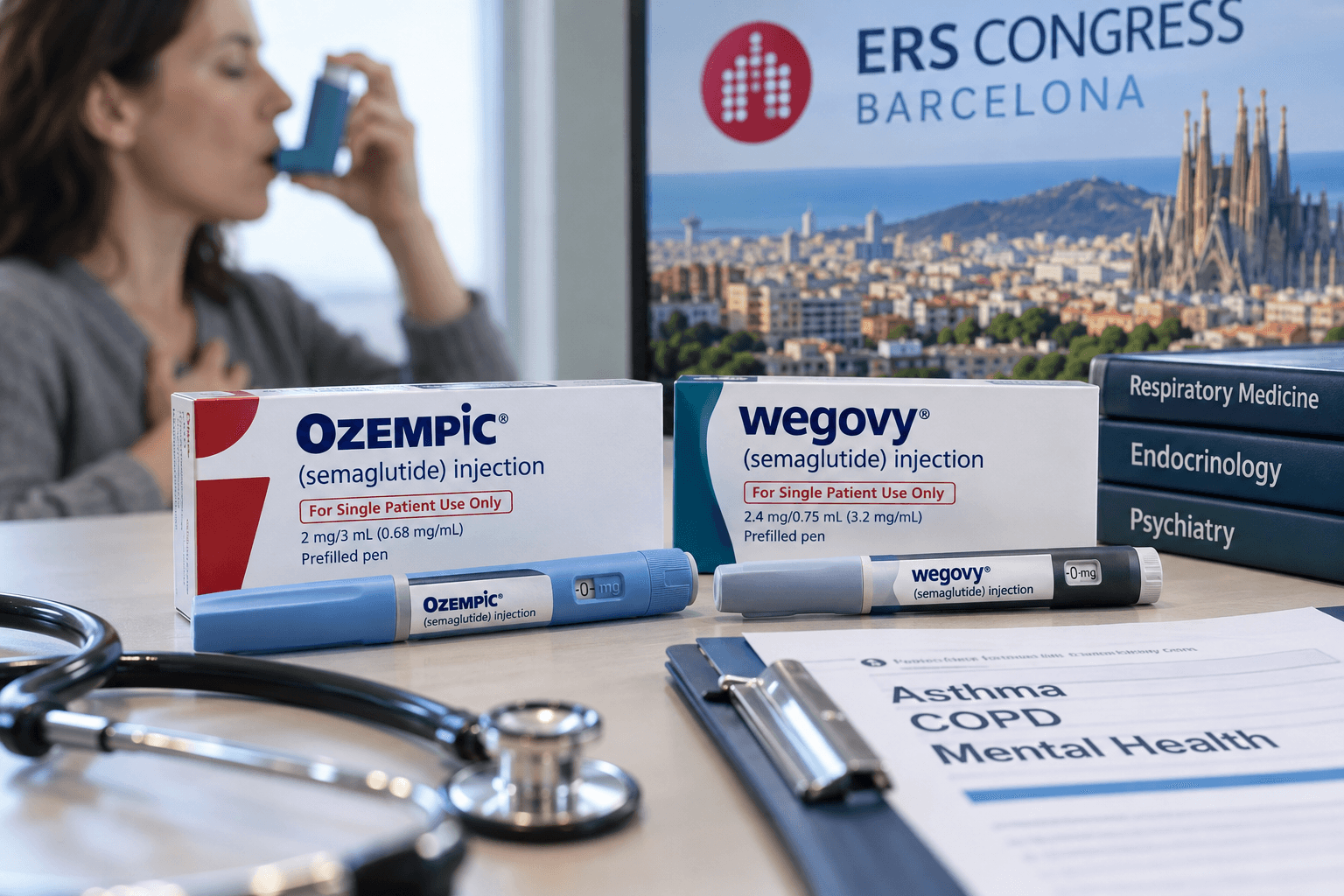
Semaglutide and Fewer Asthma Attacks: What the New Data Shows
A large real-world study presented at the ERS Congress in Barcelona found that people with asthma who started semaglutide, sold as Ozempic and Wegovy, had nearly 40% fewer asthma attacks than similar patients on a different diabetes medication. Researchers also reported lower COPD flare-ups and a possible link to fewer psychiatric hospitalizations. The findings are observational, and the researchers say they should not change how GLP-1 drugs are prescribed until clinical trials confirm them.
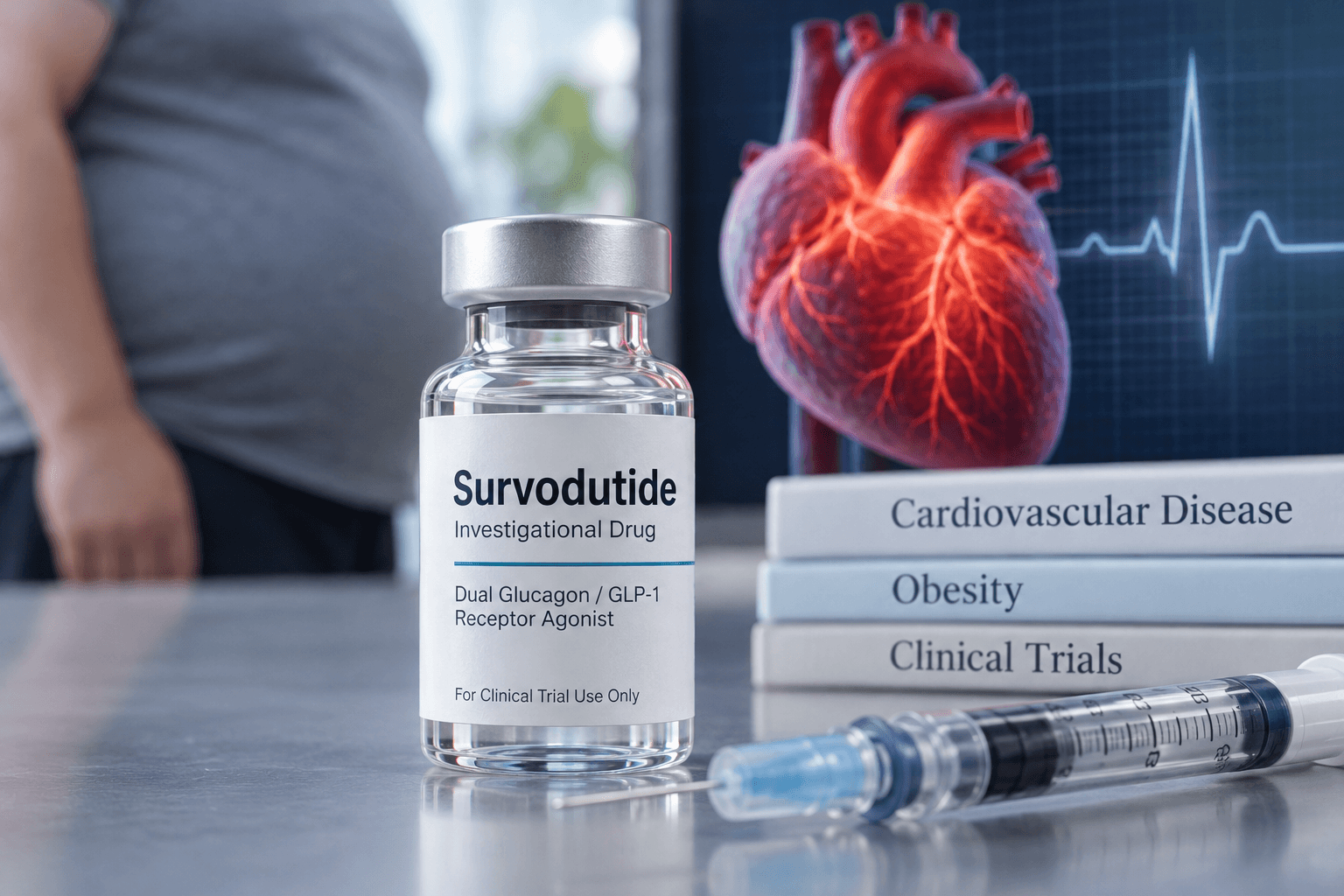
Survodutide Shows No Added Cardiovascular Risk in Trial of Patients With Obesity
A large randomized trial found that survodutide, an investigational drug that targets both the glucagon and GLP-1 receptors, was safe for adults with obesity who had established cardiovascular disease, chronic kidney disease, or an increased risk of cardiovascular disease. Among more than 5,500 patients, the rate of major cardiovascular events was 3.7% on survodutide and 4.1% on placebo, meeting the noninferiority standard. The results were presented at the American Heart Association annual meeting and published simultaneously in The Lancet. Investigators said the study shows cardiovascular harm can be ruled out, but it does not show cardiovascular benefit.