Tirzepatide Cuts BMI Sharply in Adolescents With Obesity, Phase III Trial Finds
Tirzepatide (Zepbound) produced substantial reductions in body mass index among adolescents with obesity in the phase III SURMOUNT-ADOLESCENTS trial. At week 72, participants on the once-weekly GLP-1/GIP drug alongside a healthy lifestyle program saw an 18.5% mean BMI reduction, while those on placebo saw a 0.5% increase. The trial met its primary endpoint, and all 10 key secondary outcomes also favored tirzepatide. Results were presented at the ObesityWeek annual meeting and published in JAMA. The researchers cautioned against escalating doses to the maximum tolerated level in routine care.
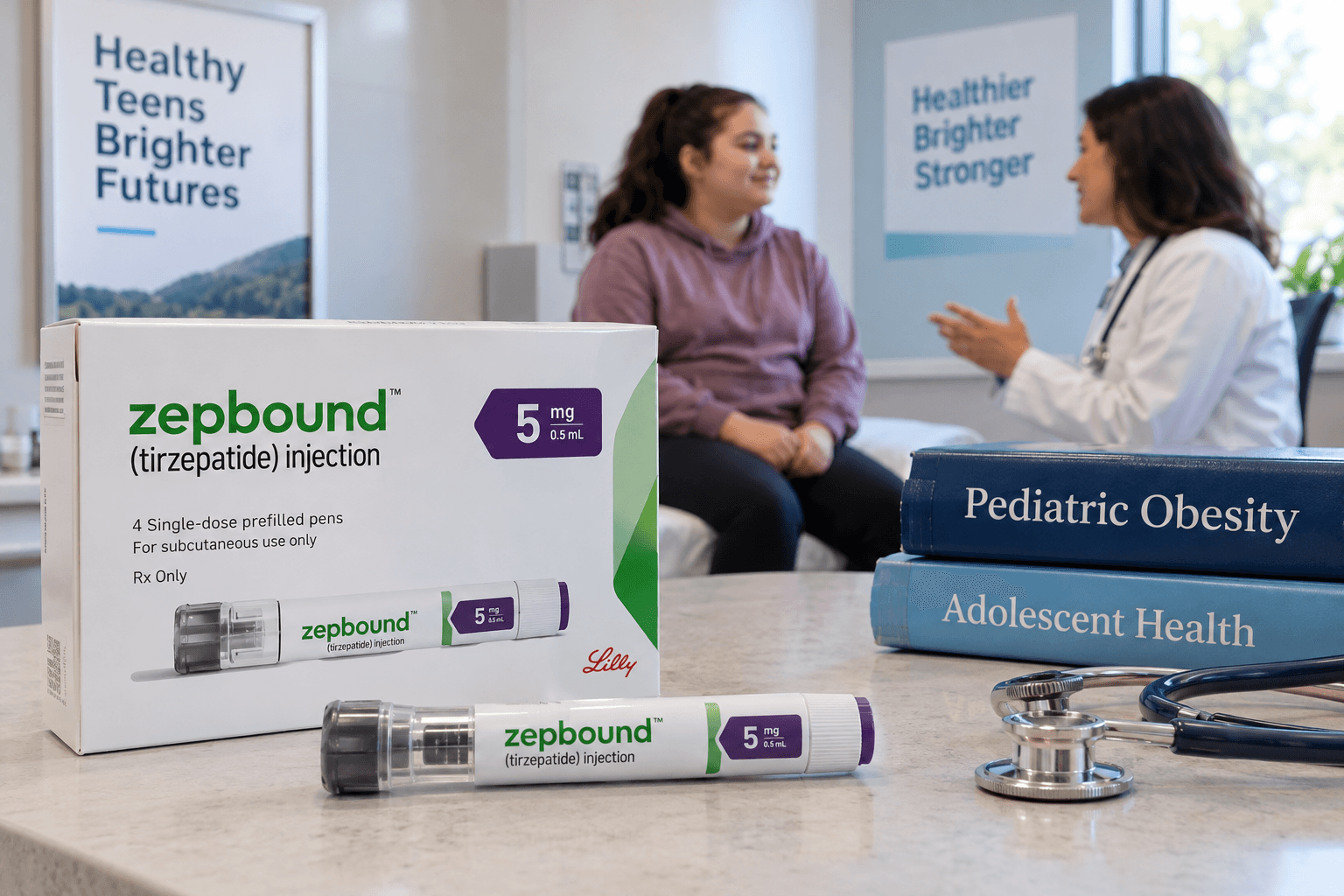
- SURMOUNT-ADOLESCENTS met its primary endpoint at week 72.
- Tirzepatide users saw an 18.5% mean BMI reduction versus a 0.5% increase on placebo.
- 48.1% of tirzepatide users achieved at least a 20% BMI reduction.
- 53.5% no longer met the clinical threshold for obesity, compared with 7.1% on placebo.
- Gastrointestinal events were the most common side effects, at 81.5% versus 54.9% on placebo.
- 9.3% of tirzepatide users discontinued due to adverse events; none on placebo did.
- Height and pubertal progression were consistent with expected growth.
- Researchers warned against routine escalation to the maximum tolerated dose.
Tirzepatide (Zepbound) cut body mass index substantially in adolescents with obesity in a phase III trial. At week 72, teens on once-weekly tirzepatide with lifestyle changes saw an 18.5% mean BMI reduction, while placebo users saw a 0.5% increase. Gastrointestinal events were the most common side effects.
Tirzepatide (Zepbound) cut body mass index substantially in adolescents with obesity, according to results from the phase III SURMOUNT-ADOLESCENTS trial. The findings were presented at the ObesityWeek annual meeting in National Harbor, Md., and published simultaneously in JAMA.
Does tirzepatide reduce BMI in adolescents with obesity?
At week 72, teens taking once-weekly tirzepatide alongside a healthy lifestyle intervention saw an 18.5% mean BMI reduction. Those on placebo saw a 0.5% increase. The trial met its primary endpoint for superiority.
All 10 key secondary outcomes also significantly favored tirzepatide. They included reductions in waist circumference and body weight, along with improvements in physical functioning. Aaron S. Kelly, PhD, of the University of Minnesota Medical School in Minneapolis, led the research team.
Nearly half of the tirzepatide group, 48.1%, achieved at least a 20% BMI reduction. More than half, 53.5%, no longer met the clinical threshold for obesity at week 72. On placebo, that figure was 7.1%.
The double-blind trial enrolled 160 adolescents ages 12 to under 18. All had obesity or overweight with at least one weight-related complication. The study ran at 31 medical research centers and hospitals in Canada, the Czech Republic, Israel, Italy, Poland, and the United States.
After a 12-week healthy lifestyle lead-in, participants were randomized 2:1. Some 109 received once-weekly subcutaneous tirzepatide, escalated to a maximum tolerated dose of 5, 10, or 15 mg. The other 51 received placebo. Both groups continued diet and physical activity counseling for 72 weeks.
At baseline, the average participant was 14.6 years old and weighed 242 pounds. Mean BMI was 38.6. Most had severe class 2 or class 3 obesity.
The trial also tracked blood pressure, triglycerides, glycemic measures and cholesterol. Tirzepatide significantly improved each. It lowered total, LDL, VLDL and non-HDL cholesterol while raising HDL cholesterol.
Side effects and growth data
What are the side effects of tirzepatide in teens?
Gastrointestinal events were the most common adverse events. They occurred in 81.5% of tirzepatide users versus 54.9% on placebo. Most were mild to moderate and clustered during dose escalation. Antiemetic use was 22.2% on tirzepatide and 3.9% on placebo.
Among the 108 participants who received at least one tirzepatide dose, 10 (9.3%) discontinued due to adverse events. No placebo patients stopped for that reason.
Height standard deviation score remained stable. Pubertal progression was similar between groups over 72 weeks. Kelly's group said this was consistent with expected growth and maturation, suggesting no apparent disruption during the trial.
An accompanying editorial by William Heerman, MD, MPH, of Vanderbilt Health in Nashville, and colleagues urged caution. While the trial escalated doses based primarily on tolerability, 61.6% of completers reached 15 mg by week 72. The editorial warned against "reflexive escalation to the maximum tolerated dose" in routine care. Clinicians should instead individualize titration based on response, weight-loss rate, nutrition, physical function, eating behaviors and side effects.
The editors also said the success of the trial "raises the bar for the field." They called for research on how to personalize medication choice and whether benefits last.
The study has limits. Only one participant had overweight, so the authors said the findings "should therefore be understood primarily as evidence for treating adolescents with obesity." The cohort also lacked racial and ethnic diversity, with 83.4% of participants white and 96.9% non-Hispanic. The researchers acknowledged that this could limit generalizability.
Tirzepatide was approved in November 2023 for adults with obesity. It also carries indications for type 2 diabetes (Mounjaro, ages 10 and older) and for adults with obesity-related moderate-to-severe obstructive sleep apnea. Rival GLP-1 drug semaglutide (Wegovy) received approval for adolescent obesity in December 2022.
FAQ
- Did tirzepatide reduce BMI in adolescents with obesity?
- Yes. At week 72, teens on tirzepatide saw an 18.5% mean BMI reduction, while those on placebo saw a 0.5% increase.
- What side effects did tirzepatide cause in teens?
- Gastrointestinal events were the most common adverse events, occurring in 81.5% of tirzepatide users versus 54.9% on placebo. Most were mild to moderate and clustered during dose escalation. Ten participants (9.3%) discontinued tirzepatide due to adverse events.
- Did tirzepatide affect growth or puberty in adolescents?
- Height standard deviation score remained stable, and pubertal progression was similar between groups over 72 weeks. The researchers said this was consistent with expected growth and maturation.
Read next

GLP-1 Drug Linked to Dangerous Lithium Spike, While MS Study Finds Fewer Relapses
A case report describes a 50-year-old woman with bipolar disorder whose lithium levels rose to toxic range after she started tirzepatide (Zepbound), a GLP-1 weight loss drug. Her symptoms eased after her lithium dose was lowered. Separately, a large U.S. real-world study presented at MSToronto2026 found that multiple sclerosis patients taking GLP-1 receptor agonists had fewer relapses, optic neuritis episodes and demyelinating events than patients who did not take them. Researchers say the findings are early and call for more investigation into both the interaction risk and the potential benefits.
Retatrutide Eases Sleep Apnea in Two Phase III Trials
Retatrutide, an experimental triple agonist that targets GIP, GLP-1 and glucagon receptors, improved obstructive sleep apnea in adults with obesity or overweight, according to two parallel randomized trials. The results were presented at the Congress of the European Sleep Research Society and published in the New England Journal of Medicine. Researchers found effects similar to those seen with tirzepatide, the first drug approved to treat sleep apnea, though the trials did not directly compare the two medications.
Lilly Data Puts Orforglipron and Tirzepatide Ahead of Semaglutide
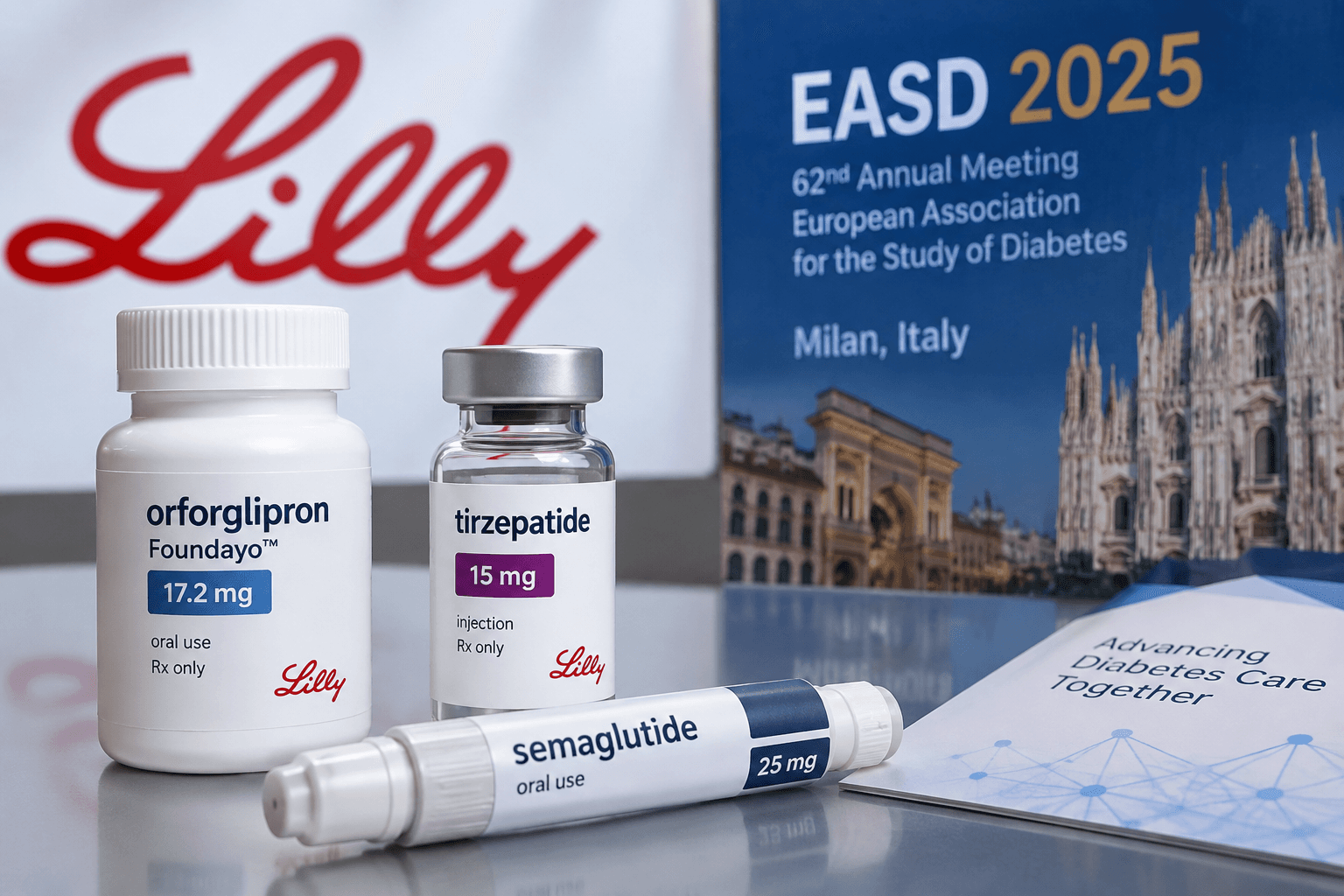
Eli Lilly announced two indirect treatment comparisons showing its drugs outperform semaglutide on weight loss and blood sugar control. Neither result comes from a head-to-head trial. Orforglipron (Foundayo) 17.2 mg produced 1.5% greater weight loss and 0.3% greater A1C reduction than oral semaglutide 25 mg at 52 weeks in adults with type 2 diabetes. Tirzepatide 15 mg beat semaglutide 7.2 mg by 4.5% on body weight at 72 weeks, but that gap was not statistically significant under the efficacy estimand. The analyses were presented at the 62nd Annual Meeting of the European Association for the Study of Diabetes in Milan, Italy. The release did not include safety data for the indirect comparisons.
Retatrutide Eases Knee Osteoarthritis Pain in Patients With Obesity, Trial Finds
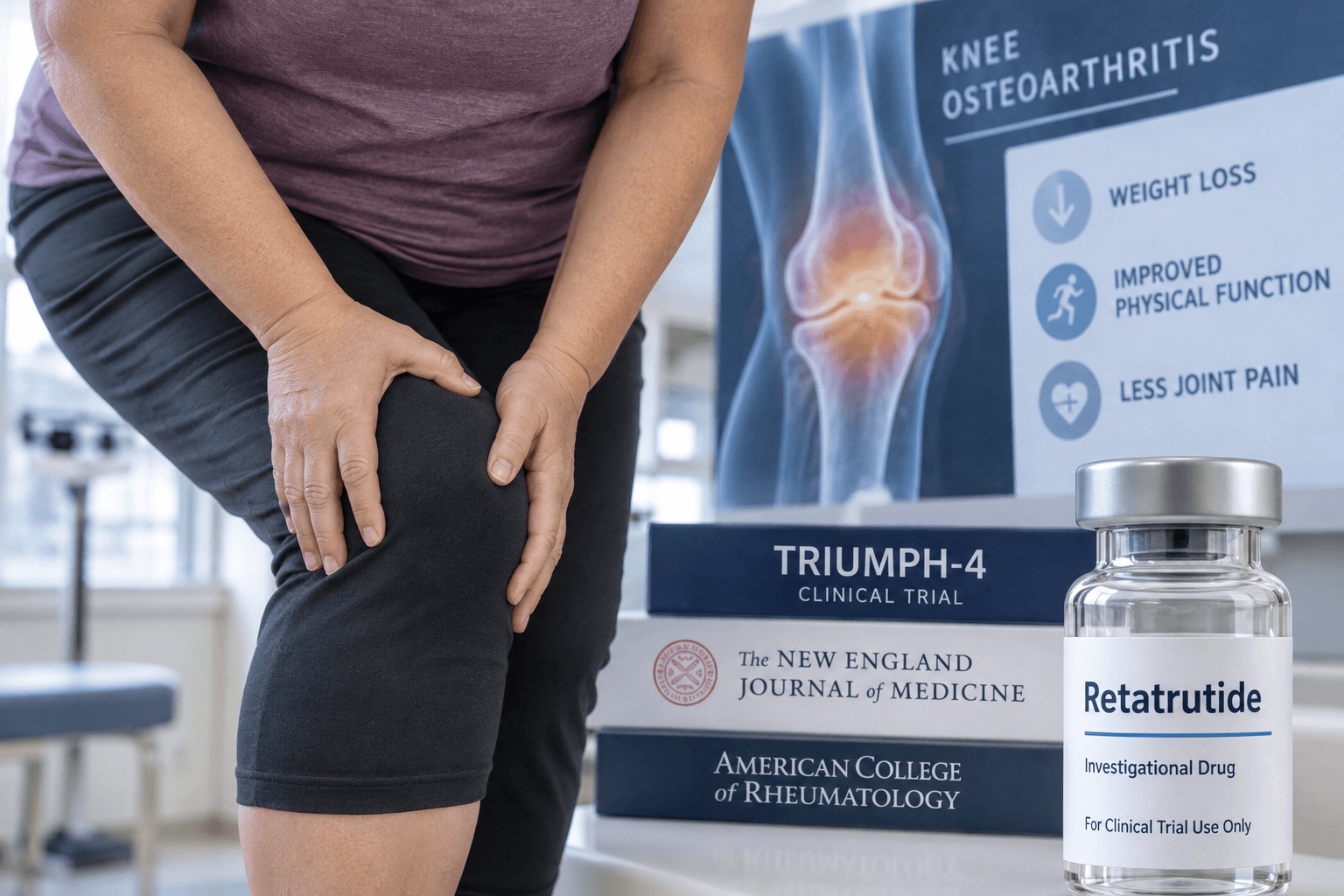
An investigational obesity drug, retatrutide, significantly reduced pain and improved physical function in adults with obesity and knee osteoarthritis, according to the phase 3 TRIUMPH-4 trial. Results were presented at the American College of Rheumatology annual meeting and published simultaneously in the New England Journal of Medicine. The drug targets three hormone receptors and produced substantial weight loss, but a higher rate of side effects than placebo, and the researchers called for further studies on how it works and whether it can modify the disease itself.
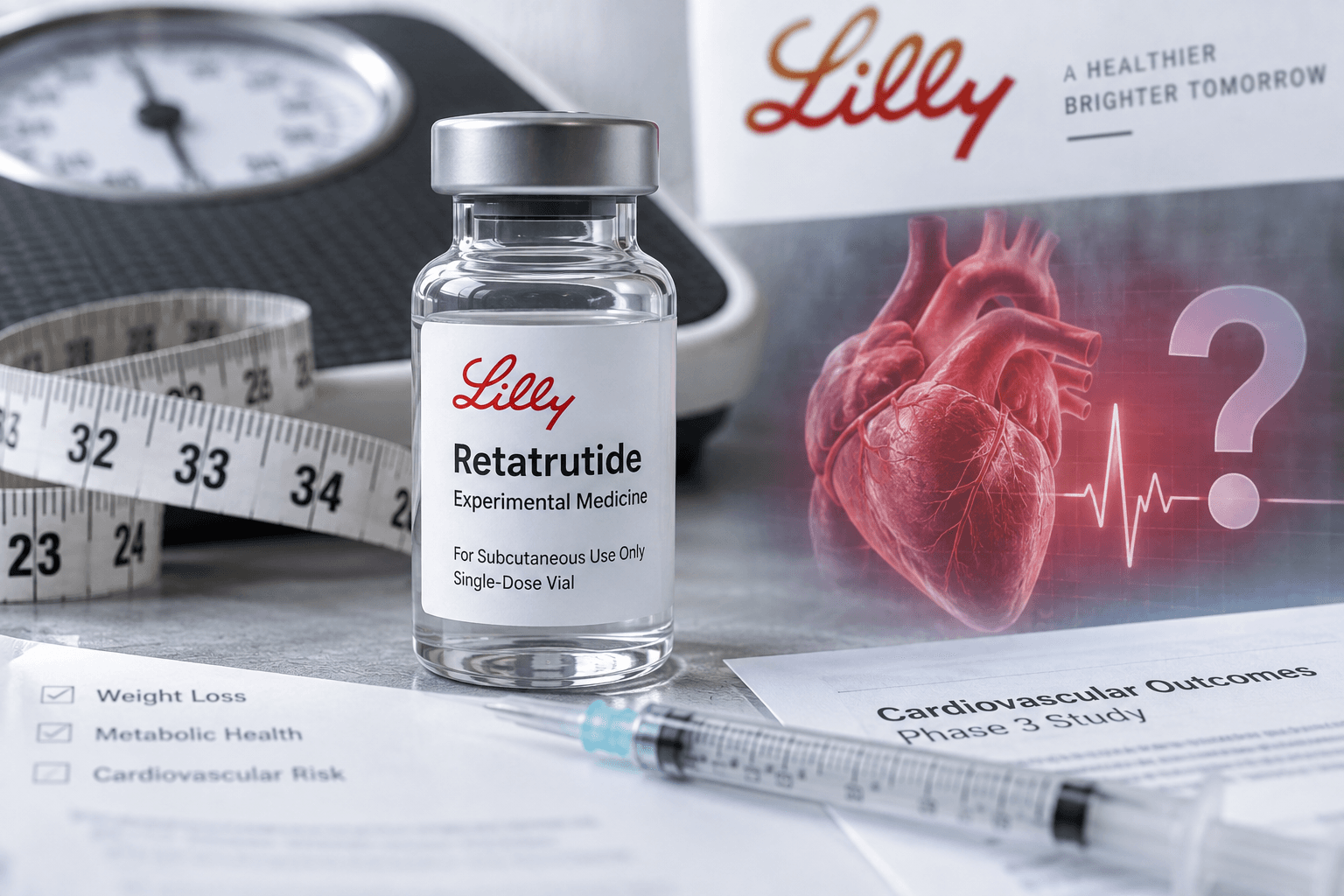
Eli Lilly's Obesity Drug Shows Promise, But Heart Benefits Remain Unclear
Eli Lilly's new obesity drug, retatrutide, has been shown to be highly effective in weight loss, with participants losing 22.6% of their weight after 80 weeks. However, the drug's impact on cardiovascular risk remains unclear due to a lack of statistically significant results in a recent Phase 3 study.