Mwyngil Therapeutics Takes Unconventional Approach to Obesity Treatment
Mwyngil Therapeutics, a new biotech startup, is tackling obesity with a unique approach that doesn't involve the popular GLP-1 target. CEO Luba Greenwood explains why the company is taking a different path in the multibillion-dollar weight loss market.

- Mwyngil Therapeutics is taking a unique approach to obesity treatment
- The company is not working with the popular GLP-1 target
- CEO Luba Greenwood is a biotech veteran with a passion for innovative science
- Mwyngil's approach may lead to more innovative solutions in the weight loss market
- The company's unconventional strategy could either pay off or fall short
What is Mwyngil Therapeutics' approach to obesity treatment?
Luba Greenwood, CEO of Mwyngil Therapeutics, is no stranger to the biotech industry. But when she joined the company, she was drawn to its unconventional approach to obesity treatment. Unlike most startups in the field, Mwyngil isn't working with the GLP-1 target that has become ubiquitous in recent years.
How does Mwyngil's approach differ from other companies in the field?
Just a few years ago, the term "GLP-1" was relatively unknown to the general public. Now, it's everywhere - from billboards to TV advertisements and magazine articles. Most companies hoping to break into the multibillion-dollar weight loss market have their own GLP-1 drug candidate in development. But Mwyngil is taking a different path.
Greenwood, a biotech veteran, was attracted to Mwyngil's unique approach. "I was not interested in another 'me too' GLP-1, or GLP-1 plus something. ... That's not very interesting science," she said in an interview. Instead, the company is studying ways to spur weight loss with alternatives like Retatrutide, without targeting the GLP-1 receptor.
Mwyngil's approach may seem counterintuitive, given the success of GLP-1 drugs like Semaglutide and Tirzepatide. But Greenwood believes that the company's unconventional method, including research on peptides like GHK-Cu, could lead to more innovative solutions. By avoiding the crowded GLP-1 space, Mwyngil may be able to develop a treatment that stands out from the competition.
As the company moves forward, it will be interesting to see how its approach plays out in the market. With the weight loss industry expected to continue growing, Mwyngil's unconventional strategy could either pay off or fall short. One thing is certain, however: the company's willingness to take a different path is a testament to the innovative spirit of the biotech industry.
FAQ
- What is the GLP-1 target?
- a target that has become ubiquitous in recent years for obesity treatment
Read next

GLP-1 Drugs Shift Focus from Obesity Treatment to Lifestyle Enhancement
GLP-1 drugs, once primarily marketed as obesity treatments, are now being promoted as lifestyle enhancers, with companies like Novo Nordisk rebranding their products to appeal to a broader consumer base, using slogans like 'Live lighter' and 'Summer Glow Up'
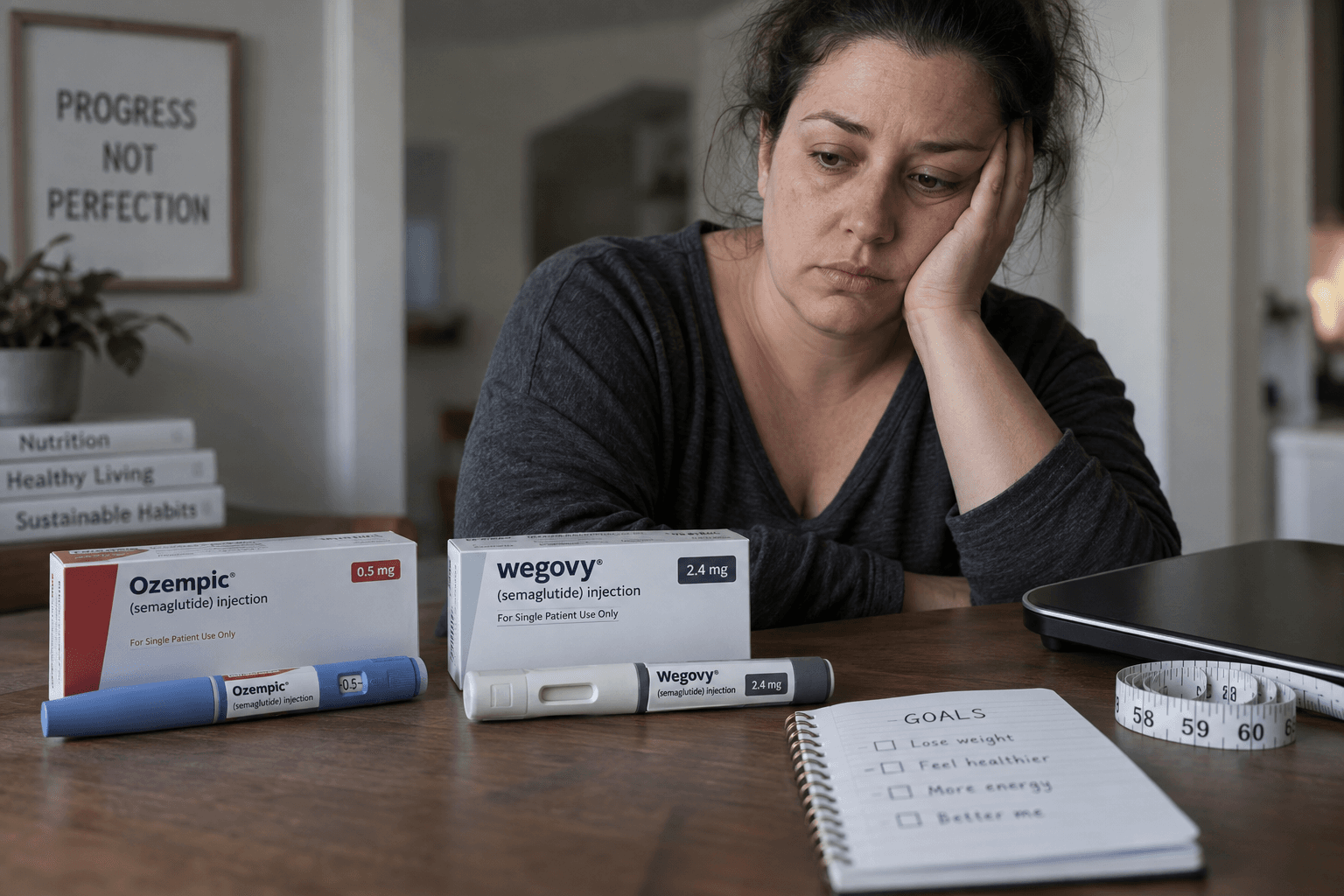
When Weight-Loss Drugs Don't Work: The Struggle for Answers
For some people, the highly touted GLP-1 weight-loss medications, such as Ozempic and Wegovy, don't deliver the promised results. Researchers are working to understand why, as patients face disappointment, shame, and significant financial burdens.

Medicare's GLP-1 'Bridge' Program May Limit Access to Weight Loss Drugs
Medicare's new 'Bridge' program aims to make GLP-1 weight loss medications more affordable, but its complex eligibility criteria and administrative burdens may limit access for patients. The program, which offers discounted access to medications like Wegovy and Zepbound, requires extensive documentation and prior authorizations, which can delay treatment and increase staff workload.
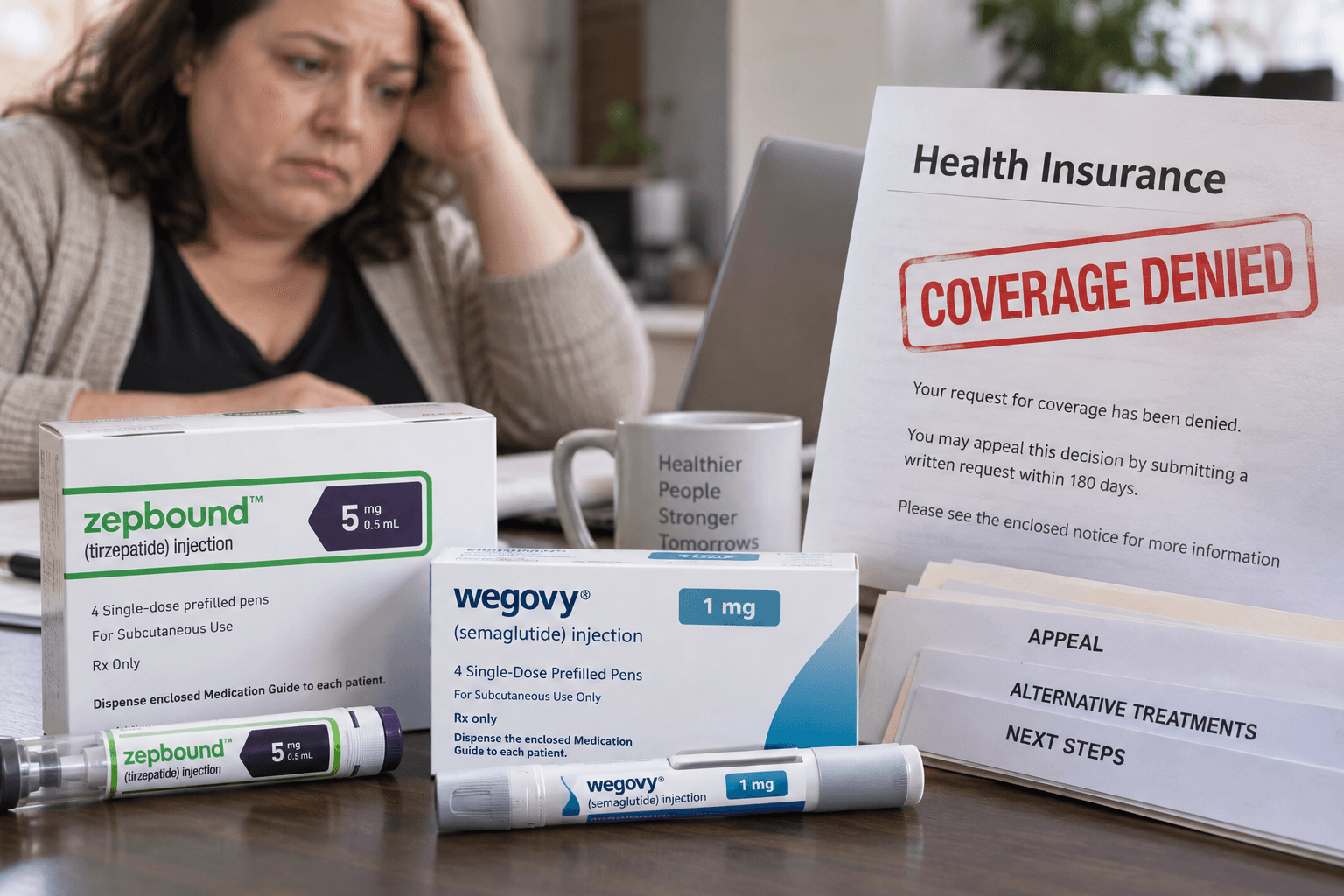
Millions Lose Insurance Coverage for Weight Loss Drugs, Leaving Patients in Limbo
Millions of Americans have lost insurance coverage for weight loss drugs like Zepbound and Wegovy, forcing them to navigate a complex appeals process or seek alternative treatments. Patients and doctors are speaking out about the challenges of accessing these medications, which have been shown to be effective in treating obesity and related conditions.
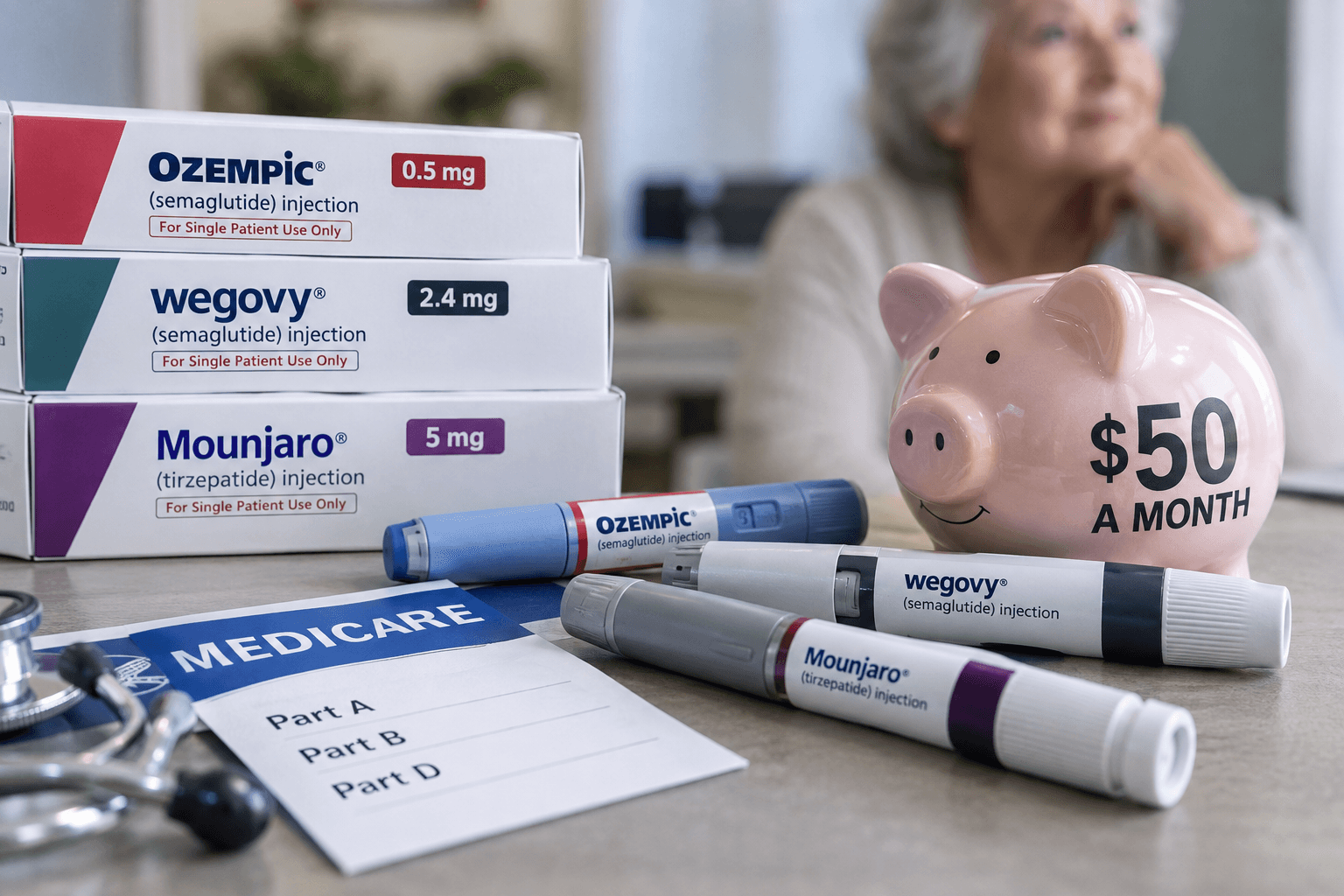
Medicare to Offer Cheaper GLP-1 Weight Loss Medications to Seniors
A new pilot program will allow some Medicare recipients to access GLP-1 weight loss medications for $50 a month, potentially helping millions of older adults who struggle with obesity. The program, set to launch on July 1, will cover three drugs and be available to those with Medicare Part D who meet certain conditions.