Endocrine Society Unveils Center on Obesity and New Scientific Statement
The Endocrine Society is set to debut its new Center on Obesity and a Scientific Statement on obesity science and research gaps. The virtual event on September 9 will feature expert presentations and discussions on the latest developments in obesity treatments and research.
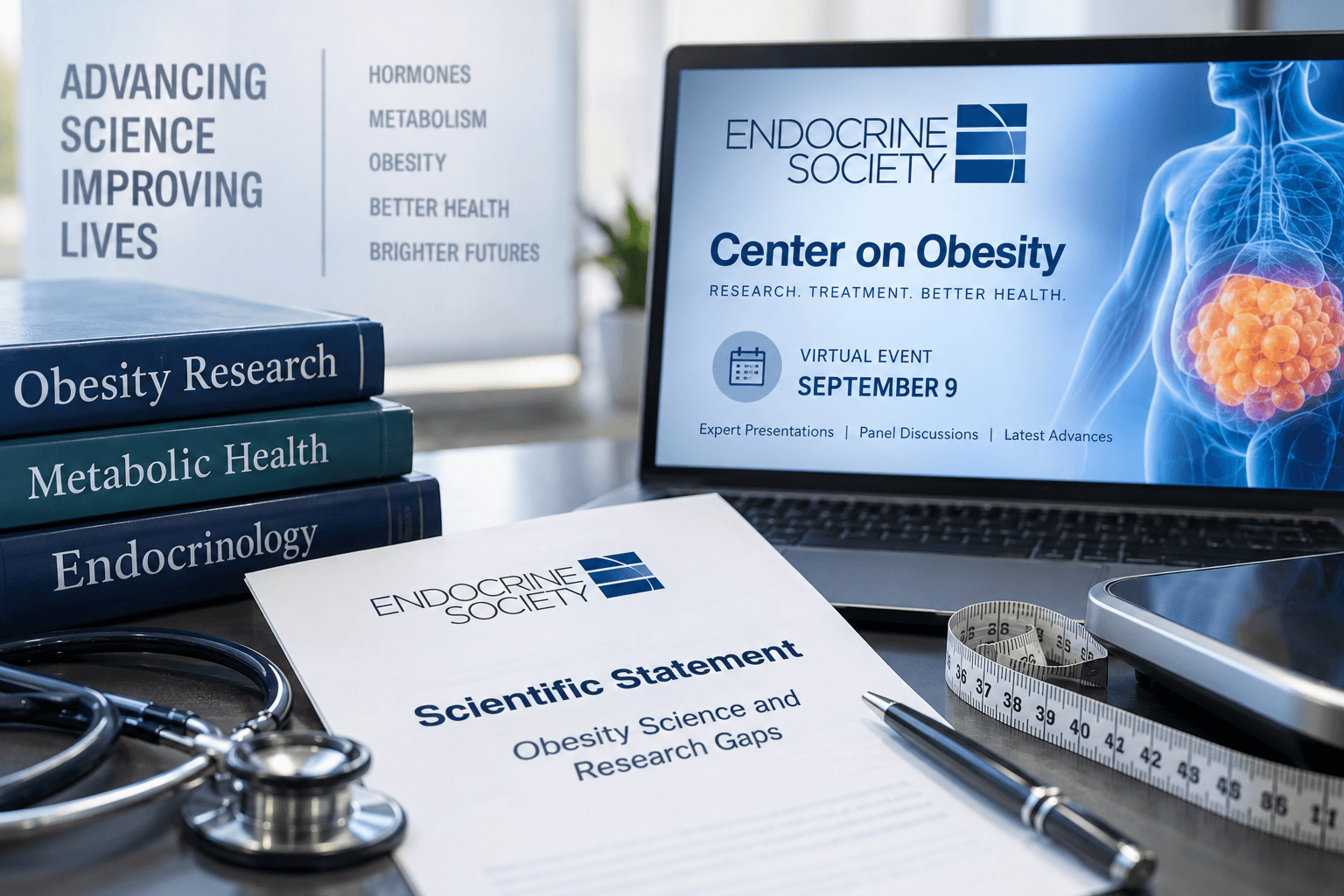
- The Endocrine Society is launching its new Center on Obesity
- A new Scientific Statement on obesity science and research gaps will be unveiled
- The virtual event on September 9 will feature expert presentations and discussions
- Topics will include the latest developments in obesity treatments and research
- The event will explore injectable and oral GLP-1-based medications and emerging treatments
What is the Endocrine Society's approach to obesity research and treatment?
The Endocrine Society is launching its new Center on Obesity, a initiative aimed at accelerating scientific understanding of obesity and advancing treatments for the one in eight people worldwide affected by the condition. The center's debut will be marked by a virtual event on September 9, which will also feature the unveiling of a new Scientific Statement, "Obesity Science, Research Gaps and Opportunities in the New Era of Obesity Medicines."
How does the Center on Obesity support the development of new obesity treatments like GLP-1-based medications?
Daniel J. Drucker, MD, a pioneer in the development of GLP-1 receptor agonist therapies, such as Semaglutide and Tirzepatide, will present the statement's key findings, while Amy E. Rothberg, MD, Chair of the Society's Obesity Task Force, will discuss how the Center will support obesity care and research. The event will explore the latest science on obesity treatments, including injectable and oral GLP-1-based medications, and emerging treatments such as GLP-1 receptor agonists.
The Scientific Statement, developed by eight experts who reviewed over 200 studies, examines the evolving landscape of obesity treatments, the latest evidence, and areas where further research is needed. The statement will be the first major publication from the Center on Obesity, which leverages members' expertise in hormonal causes and treatments of obesity to drive progress in the field.
During the event, experts will discuss topics such as the effectiveness of different treatments, gaps in obesity biology and energy homeostasis, and how treatment success can be evaluated beyond total body weight loss. The Society's efforts to improve obesity diagnosis and access to care will also be highlighted.
Members can register to attend the virtual event, which will take place from 11 AM to 12 PM ET on Wednesday, September 9. The event promises to provide valuable insights into the latest developments in obesity research and treatment, and how the Endocrine Society's Center on Obesity is working to address this growing health concern.
FAQ
- What is the purpose of the Endocrine Society's Center on Obesity?
- To accelerate scientific understanding and treatments for obesity.
Read next
Mwyngil Therapeutics Takes Unconventional Approach to Obesity Treatment
Mwyngil Therapeutics, a new biotech startup, is tackling obesity with a unique approach that doesn't involve the popular GLP-1 target. CEO Luba Greenwood explains why the company is taking a different path in the multibillion-dollar weight loss market.
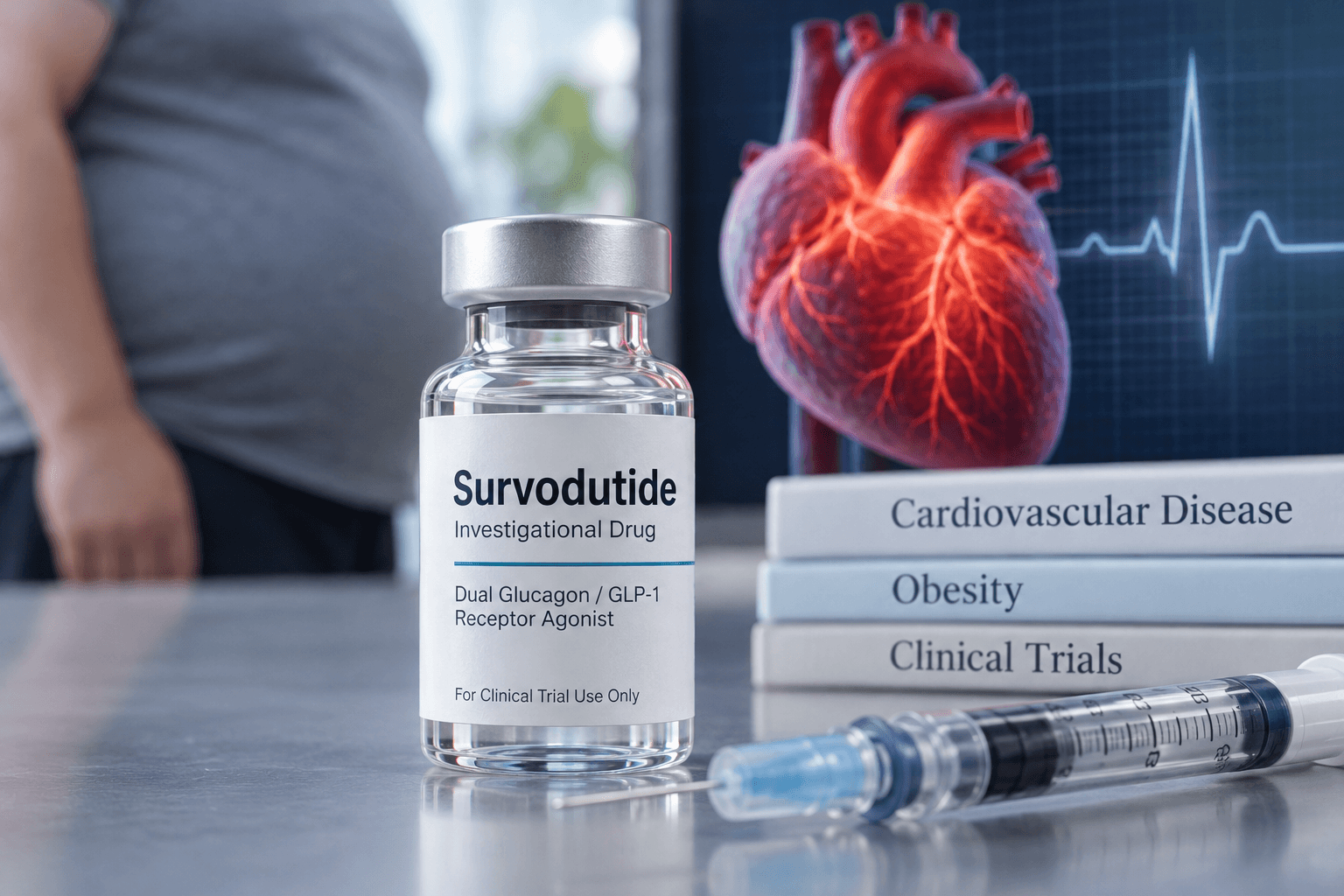
Survodutide Shows No Added Cardiovascular Risk in Trial of Patients With Obesity
A large randomized trial found that survodutide, an investigational drug that targets both the glucagon and GLP-1 receptors, was safe for adults with obesity who had established cardiovascular disease, chronic kidney disease, or an increased risk of cardiovascular disease. Among more than 5,500 patients, the rate of major cardiovascular events was 3.7% on survodutide and 4.1% on placebo, meeting the noninferiority standard. The results were presented at the American Heart Association annual meeting and published simultaneously in The Lancet. Investigators said the study shows cardiovascular harm can be ruled out, but it does not show cardiovascular benefit.

Wegovy Cuts BMI in Children With Obesity as Young as 6, Trial Finds
Wegovy (semaglutide) significantly reduced body mass index in children ages 6 to 11 with obesity, according to results from the phase III STEP Young trial. Presented at the ObesityWeek annual meeting and published in the New England Journal of Medicine, the study found that treated children lost weight while placebo patients gained it. Researchers also reported slower height gain and frequent gastrointestinal side effects. Drugmaker Novo Nordisk has not said whether it will submit the data to the FDA.
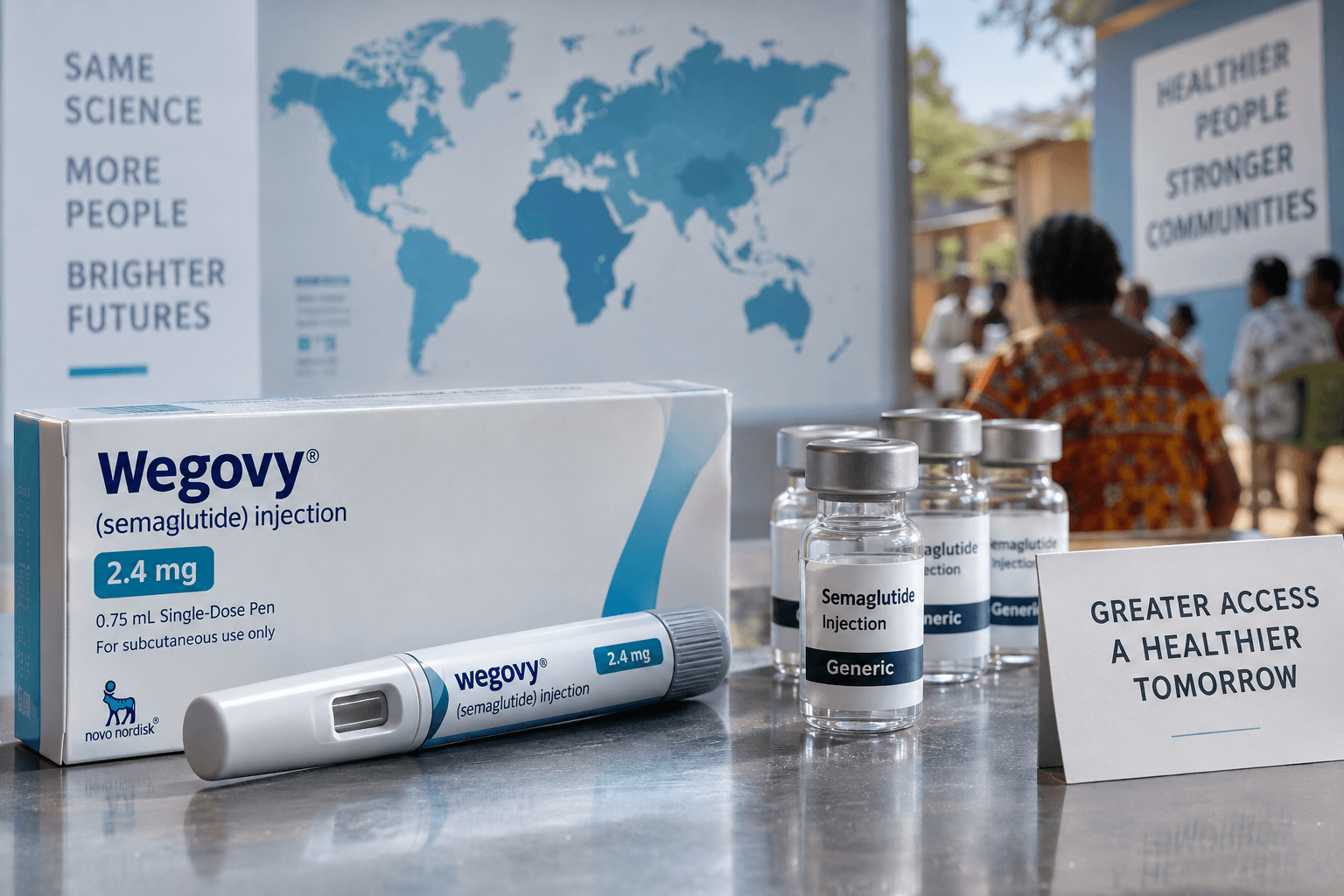
Cheaper GLP-1 Generics Arrive, and a Global Access Fight May Follow
Lower-cost generic versions of semaglutide, the drug sold as Wegovy by Novo Nordisk for obesity, have begun reaching some countries and will soon arrive in others. At the same time, drugmakers are racing to develop newer GLP-1 medicines that are forecast to be more effective, cause fewer side effects and be easier to administer. London School of Economics professor Ken Shadlen, who studies the politics of pharmaceutical and health regulation, warns that obesity medications could become the next major battleground over access to medicines in lower-income countries. The shifts could put weight-loss treatment within reach of more people, but the path to access is far from settled.

GLP-1 Side Effects Draw Scrutiny as Measles and Ebola Cases Climb
The Washington Post is examining the rare but serious side effects linked to GLP-1 receptor agonists, including ischemic optic neuropathy, gallstones and pancreatitis. The health news roundup also covers a new HIPAA rule requiring providers to answer health data requests within 15 days, an NIH leadership appointment, and an FDA nominee the White House is reportedly weighing dropping. Measles cases continue to rise in the U.S., and Ebola is hitting children hard in the Congo, according to UNICEF.