GLP-1 Drugs Linked to Better Survival After Liver Transplant
Liver transplant patients who took GLP-1 receptor agonists after surgery were 45% less likely to die than those who did not, according to a retrospective three-center study of 2,402 patients presented at the American Association for the Study of Liver Diseases Liver Meeting in Denver. A replication cohort of 1,443 U.S. claims-database patients showed similar results. Researchers said the drugs appear to lower deaths from causes other than liver failure, including cardiovascular events and cancer, though the reasons remain unclear and the study has limits. The findings add to a growing case for metabolic care in transplant patients as fatty liver disease becomes a leading cause of transplant.
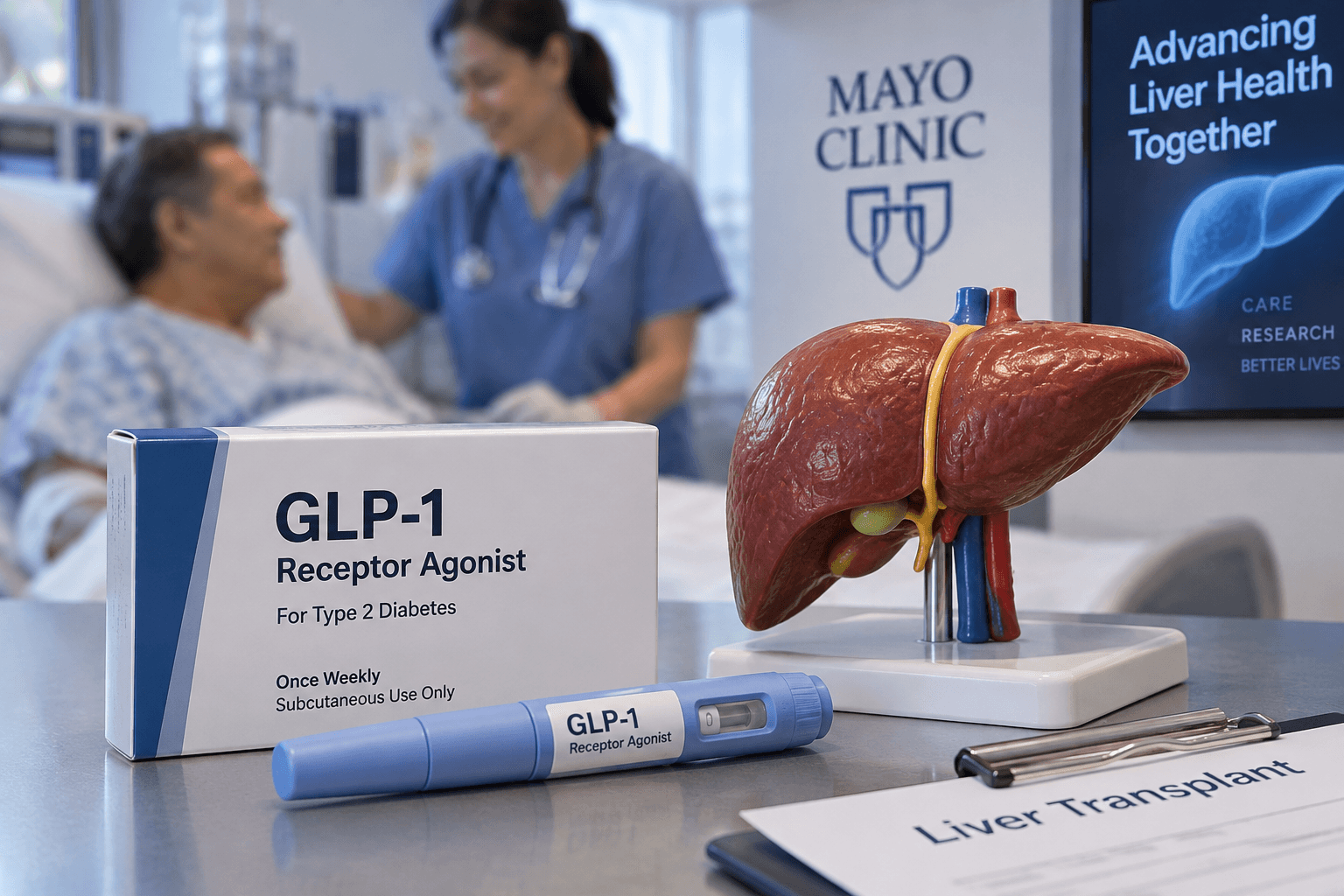
- Liver transplant patients on GLP-1 receptor agonists were 45% less likely to die over a median 3.9 years of follow-up.
- The study included 2,402 patients from three Mayo Clinic sites, transplanted between 2015 and 2025.
- A replication cohort of 1,443 U.S. claims-database patients showed similar results.
- The survival benefit held with or without type 2 diabetes, and was greater in patients without diabetes.
- GLP-1 users saw LDL cholesterol drop 14.2% and body weight fall 5% over two years.
- Fewer deaths came from cardiovascular events, malignancies, infections, and graft failure among GLP-1 users.
- No significant difference was found in major cardiovascular or kidney events.
- Researchers cited limits, including unknown causes of death in 23% of patients and short drug exposure.
- MASLD is on pace to become the leading cause of liver transplant in the U.S.
Do GLP-1 drugs improve survival after liver transplant?
Liver transplant patients who took GLP-1 receptor agonists had a lower risk of death than patients who did not, according to a retrospective three-center study. The benefit was substantial. Patients on the drugs were 45% less likely to die over a median follow-up of 3.9 years.
The research team, led by Zhihao Li, MD, of the Mayo Clinic in Rochester, Minnesota, reviewed 2,402 patients. Li presented the findings at the American Association for the Study of Liver Diseases annual Liver Meeting in Denver.
The mortality advantage held whether or not transplant patients had type 2 diabetes. The protective effect was greater among patients without diabetes.
A second group strengthened the result. The replication cohort included 1,443 liver transplant recipients drawn from a U.S. claims database. That group showed 45% and 55% lower post-transplant mortality risks linked to GLP-1 use in two separate analyses.
“Several points support a real effect here,” Li said during the presentation. “The results were replicated in an independent cohort, they’re similar to what’s been reported in other organ transplants, and there are plausible cardiovascular and anti-cancer pathways.”
The timing matters. Metabolic dysfunction-associated steatotic liver disease, or MASLD, is on pace to become the leading cause of liver transplant in the United States. A transplant cures the liver disease. It does not erase a patient’s metabolic risks, Li noted.
GLP-1 drugs already offer cardiometabolic and kidney benefits for patients with liver disease. Their value for transplant recipients, however, has not been clear. That gap is what the study set out to address.
Who was included in the liver transplant GLP-1 study?
The primary cohort included adults who underwent a liver transplant between 2015 and 2025 at one of three Mayo Clinic sites. Patients were transplanted either for metabolic dysfunction-associated steatohepatitis, or MASH, or for another reason while also having type 2 diabetes or a body mass index of at least 30 kg/m². The replication cohorts were drawn from claims data in the OptumLabs Data Warehouse.
The typical patient was 61.2 years old. About 65% were male, and 77.5% were white. The median Model for End-Stage Liver Disease-Sodium score was 20. More than one-third of patients, 35.5%, had a MASH or other metabolic indication for transplant. Every patient had metabolic risk factors before surgery. Most had type 2 diabetes, hypertension, or a BMI of at least 30.
Of the 841 transplant patients who took GLP-1 drugs, 72% started them after surgery. The median time to the first dose was 1.5 years after transplant. Patients took the drugs for a median of 1.2 years. Those on GLP-1 drugs were more likely to have MASH, diabetes, hypertension, or obesity, or to be on statin therapy.
The drugs were linked to measurable changes. LDL cholesterol fell 14.2%, and total cholesterol dropped 8.3%. HbA1c declined 2.6%. Body weight fell 5% in the two years after patients started a GLP-1 agonist.
Those lab and weight changes did not fully explain the survival gap. Li said the reasons for the lower mortality risk were still unclear. GLP-1 users were not significantly less likely to have a major adverse cardiovascular event, with an adjusted hazard ratio of 1.03. They also showed no significant difference in myocardial infarction.
Kidney outcomes followed a similar pattern. Major adverse kidney events and sustained declines in kidney function did not differ significantly. Trends favored the drugs, though. Li said a possible signal emerged for kidney failure, but the difference just missed statistical significance.
The survival signal may lie elsewhere. Most people who die after a liver transplant have a functioning graft, Li noted. Instead, malignancies, cardiovascular events, infections, and renal failure account for most post-transplant deaths. Patients on GLP-1 drugs were less likely than nonusers to die from those causes. They also had fewer deaths from cerebrovascular events, infections, and graft failure. “This helps explain the survival benefit we observed,” he said.
What are the limits of the GLP-1 transplant survival study?
The study has clear limits. It lacked the statistical power to detect differences in major cardiovascular or kidney events. The cause of death was unknown for 23% of patients. Drug exposure was also relatively short. Sicker transplant recipients started GLP-1 drugs less often, which could affect the comparison, Li noted.
Even so, the findings point to a possible new role for metabolic therapy after transplant. As fatty liver disease drives more transplant cases, researchers will be watching whether larger, longer studies confirm the benefit.
FAQ
- Did GLP-1 drugs reduce death risk in liver transplant patients?
- Yes. Patients on GLP-1 drugs were 45% less likely to die over a median follow-up of 3.9 years in the retrospective three-center study.
- Did GLP-1 use reduce cardiovascular events after a liver transplant?
- No significant difference was found. GLP-1 users were not significantly less likely to have a major adverse cardiovascular event, with an adjusted hazard ratio of 1.03.
- Did the GLP-1 survival benefit depend on diabetes status?
- The mortality advantage held whether or not transplant patients had type 2 diabetes, and the protective effect was greater among patients without diabetes.
Read next
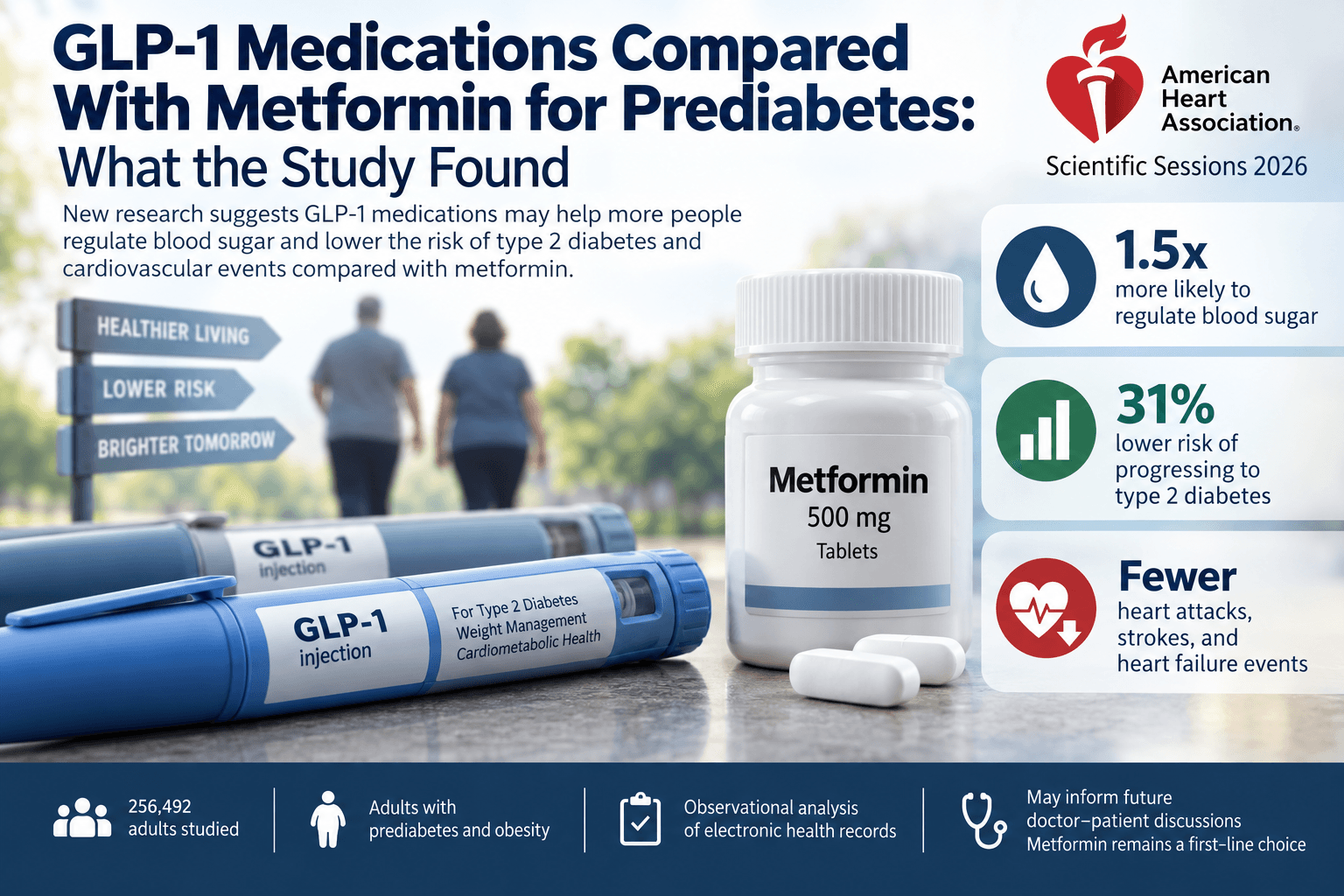
GLP-1 Medications Compared With Metformin for Prediabetes: What the Study Found
A study presented at the American Heart Association Scientific Sessions 2026 found that adults with prediabetes and obesity who took a GLP-1 medication were about 1.5 times more likely than those on metformin to regulate their blood sugar. They also had a 31% lower risk of progressing to type 2 diabetes. The observational analysis reviewed electronic health records from 256,492 adults and reported fewer heart attacks, strokes, and heart failure events among GLP-1 users. Researchers say the results could shape conversations between doctors and patients about treatment options, though metformin remains a first-line choice.

GLP-1 Drugs Do Not Change Injection Needs for Diabetic Macular Edema, Study Finds
GLP-1 receptor agonists did not significantly change how often patients with diabetic macular edema needed anti-VEGF injections, according to a large retrospective cohort study presented at the American Academy of Ophthalmology meeting in New Orleans. Over 24 months of follow-up, treatment frequency showed no sustained or progressive change after patients started a GLP-1 drug, compared with matched patients who did not. Visual acuity and retinal thickness also held steady. Researchers said the results are reassuring amid ongoing uncertainty about the drugs' eye safety, though they cautioned that more research is needed.
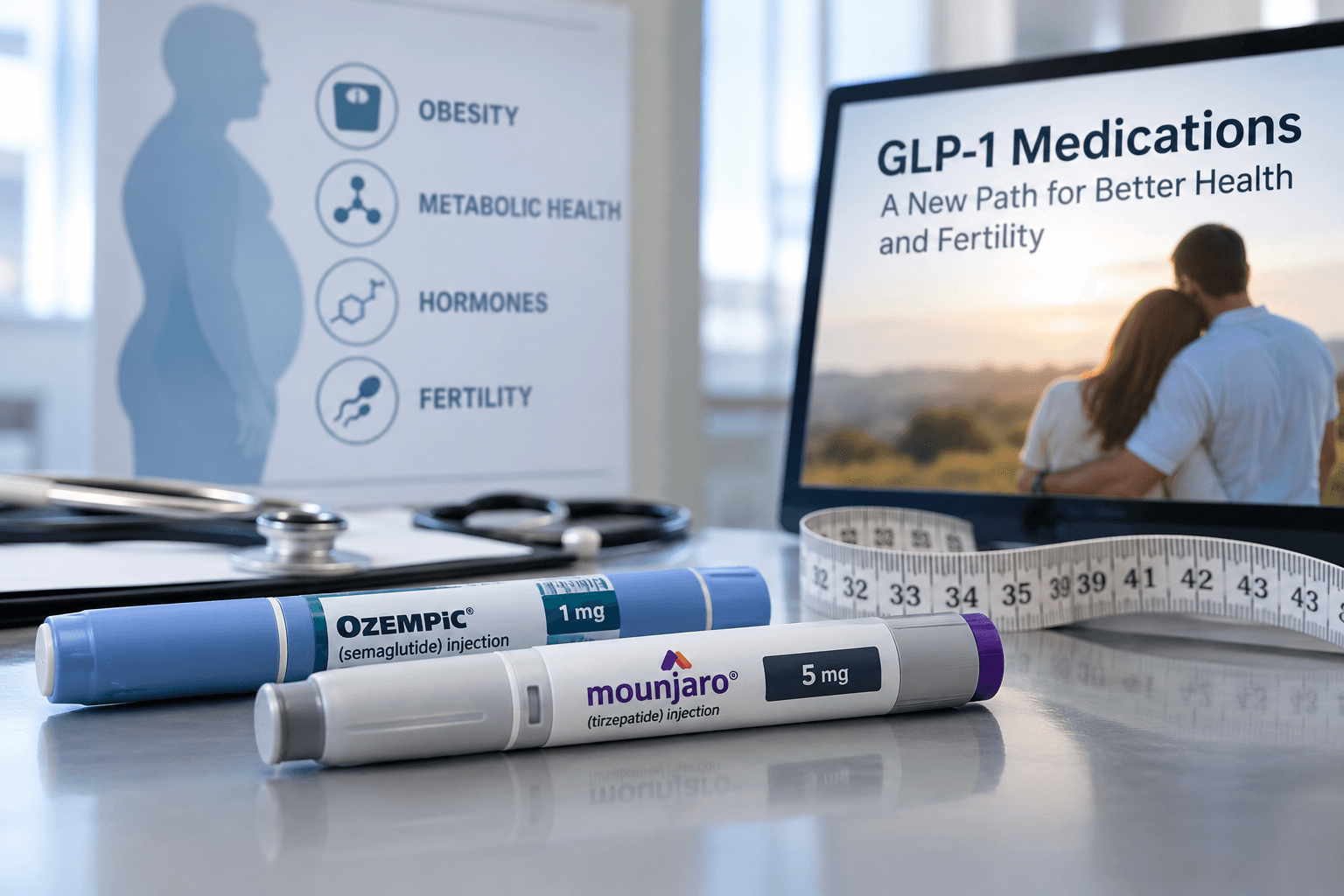
GLP-1 Medications Show Promise in Treating Obesity and Improving Fertility
Research on GLP-1 medications has yielded promising results in treating obesity and improving fertility in men with low testosterone. A study found that GLP-1s may improve testosterone levels and sperm quality, while another study showed a 310-fold increase in GLP-1 prescriptions for children with obesity.
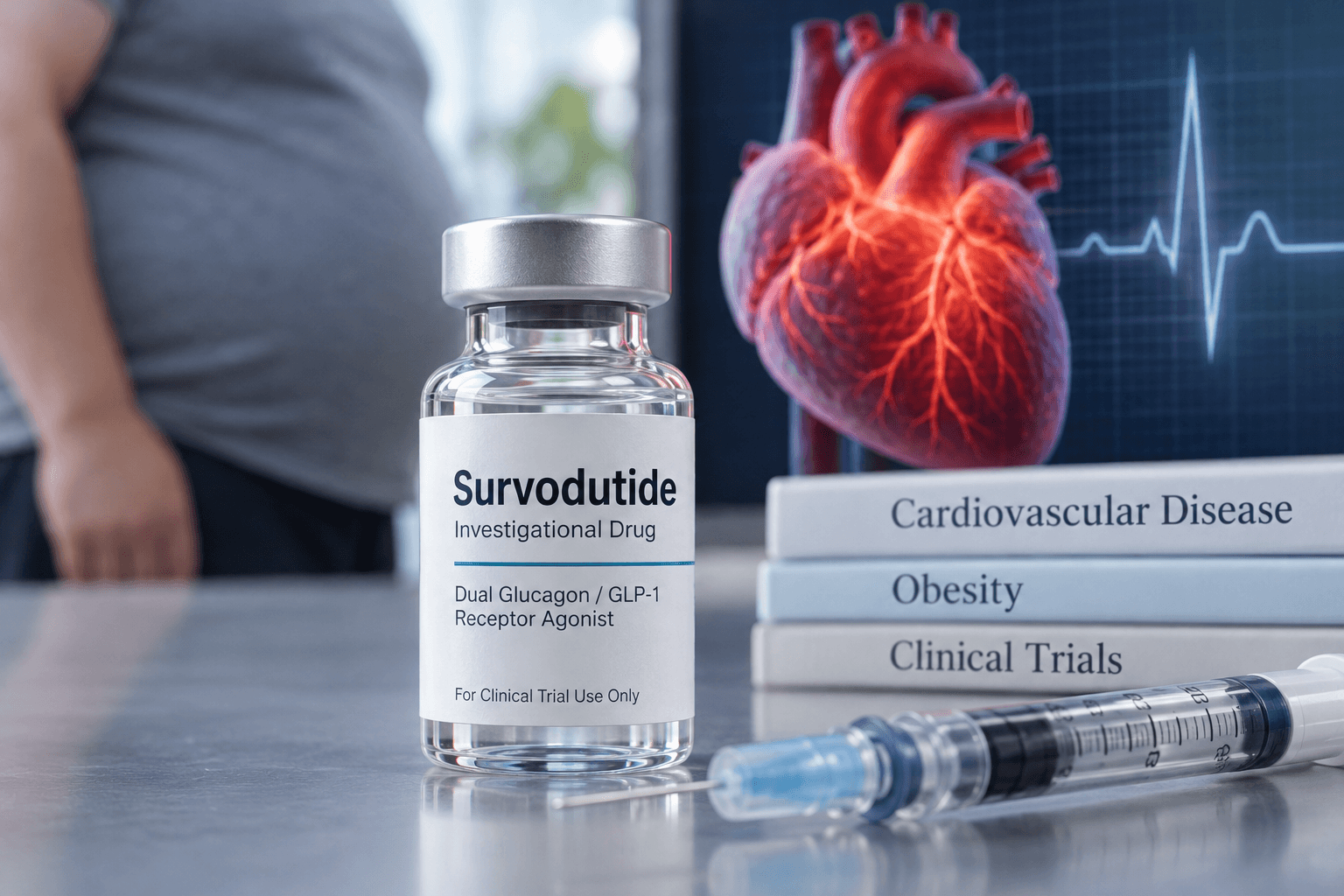
Survodutide Shows No Added Cardiovascular Risk in Trial of Patients With Obesity
A large randomized trial found that survodutide, an investigational drug that targets both the glucagon and GLP-1 receptors, was safe for adults with obesity who had established cardiovascular disease, chronic kidney disease, or an increased risk of cardiovascular disease. Among more than 5,500 patients, the rate of major cardiovascular events was 3.7% on survodutide and 4.1% on placebo, meeting the noninferiority standard. The results were presented at the American Heart Association annual meeting and published simultaneously in The Lancet. Investigators said the study shows cardiovascular harm can be ruled out, but it does not show cardiovascular benefit.

GLP-1 Drug Linked to Dangerous Lithium Spike, While MS Study Finds Fewer Relapses
A case report describes a 50-year-old woman with bipolar disorder whose lithium levels rose to toxic range after she started tirzepatide (Zepbound), a GLP-1 weight loss drug. Her symptoms eased after her lithium dose was lowered. Separately, a large U.S. real-world study presented at MSToronto2026 found that multiple sclerosis patients taking GLP-1 receptor agonists had fewer relapses, optic neuritis episodes and demyelinating events than patients who did not take them. Researchers say the findings are early and call for more investigation into both the interaction risk and the potential benefits.