Peptide & GLP-1 News

Tracking retatrutide, semaglutide, tirzepatide, BPC-157, GHK-Cu and the rest of the peptide market — drug approvals, pricing, research and the companies behind them.

FDA Launches Drug Potency Testing as a $3,900 GLP-1 Program Draws Scrutiny

FDA Launches Drug Potency Testing as a $3,900 GLP-1 Program Draws Scrutiny

The Food and Drug Administration has launched a program to test drugs sold at pharmacies and wholesalers, confirming that products contain the listed active ingredient and meet standards for purity and potency. The agency also created an independent council to oversee the postmarketing safety of vaccines, gene therapies and other biologic products. Elsewhere in the week's health news, a woman described a $3,900 GLP-1 program at an island resort, a federal physician-appointee promoted unproven supplements online, and a cruise ship outbreak sickened more than 100 passengers and crew. The stories highlight ongoing questions about product quality, consumer claims and public health response.
What the New Federal Peptide Framework Means for Pharmacists and Patients

What the New Federal Peptide Framework Means for Pharmacists and Patients

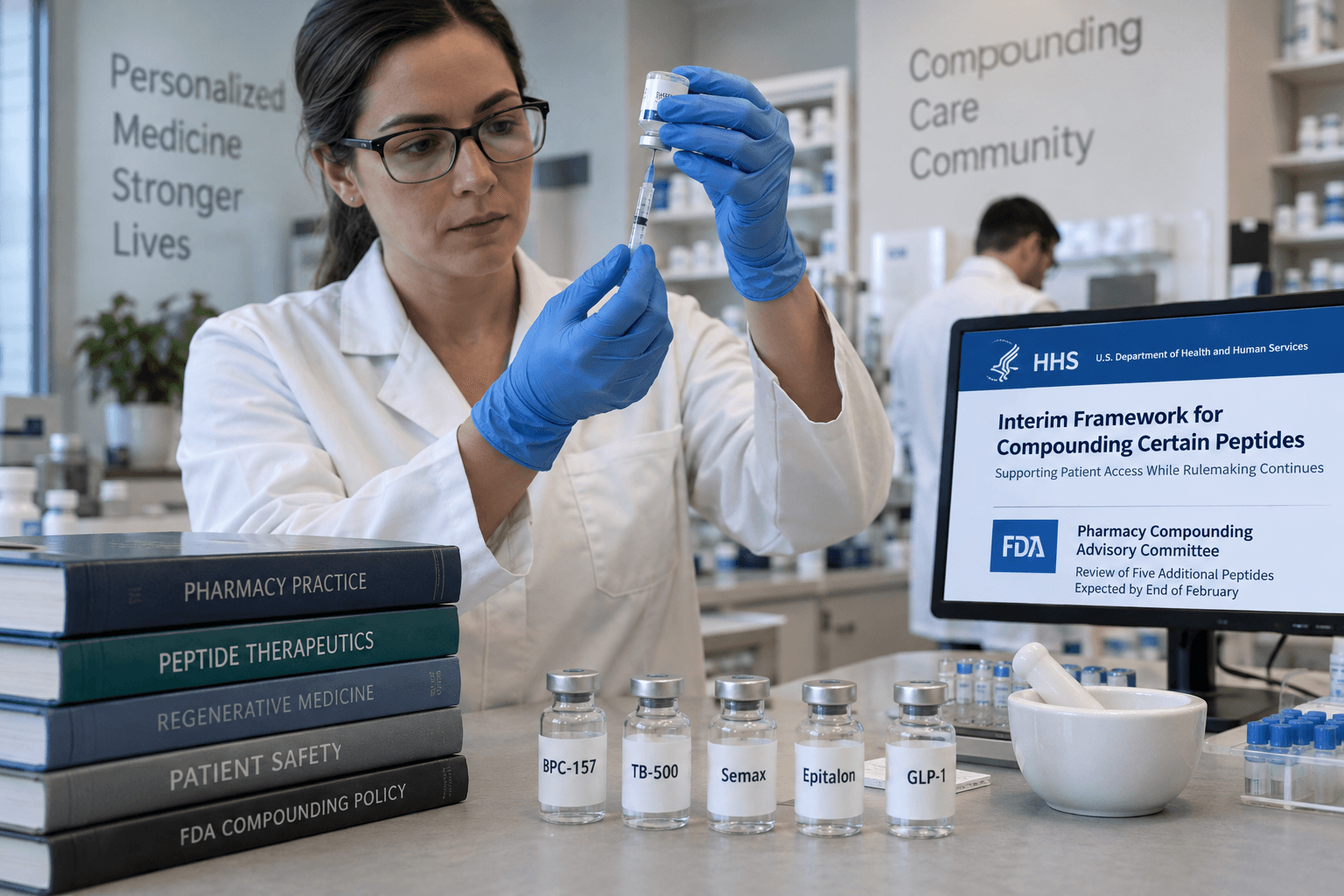
The U.S. Department of Health and Human Services has issued an interim framework that lets state-licensed pharmacies compound several specific peptides while formal rulemaking continues. The FDA's Pharmacy Compounding Advisory Committee is also scheduled to review five more peptides by the end of February. Industry leaders say the policy is shifting how pharmacists and prescribers think about these therapies, but they stress that enforcement discretion is not FDA approval and that clinical safety data remains limited. For pharmacists, the message is clear: rely on professional judgment, stay current, and evaluate each patient carefully.

NA-931 Cuts Weight Without Major Muscle Loss in Mid-Stage Trial

NA-931 Cuts Weight Without Major Muscle Loss in Mid-Stage Trial

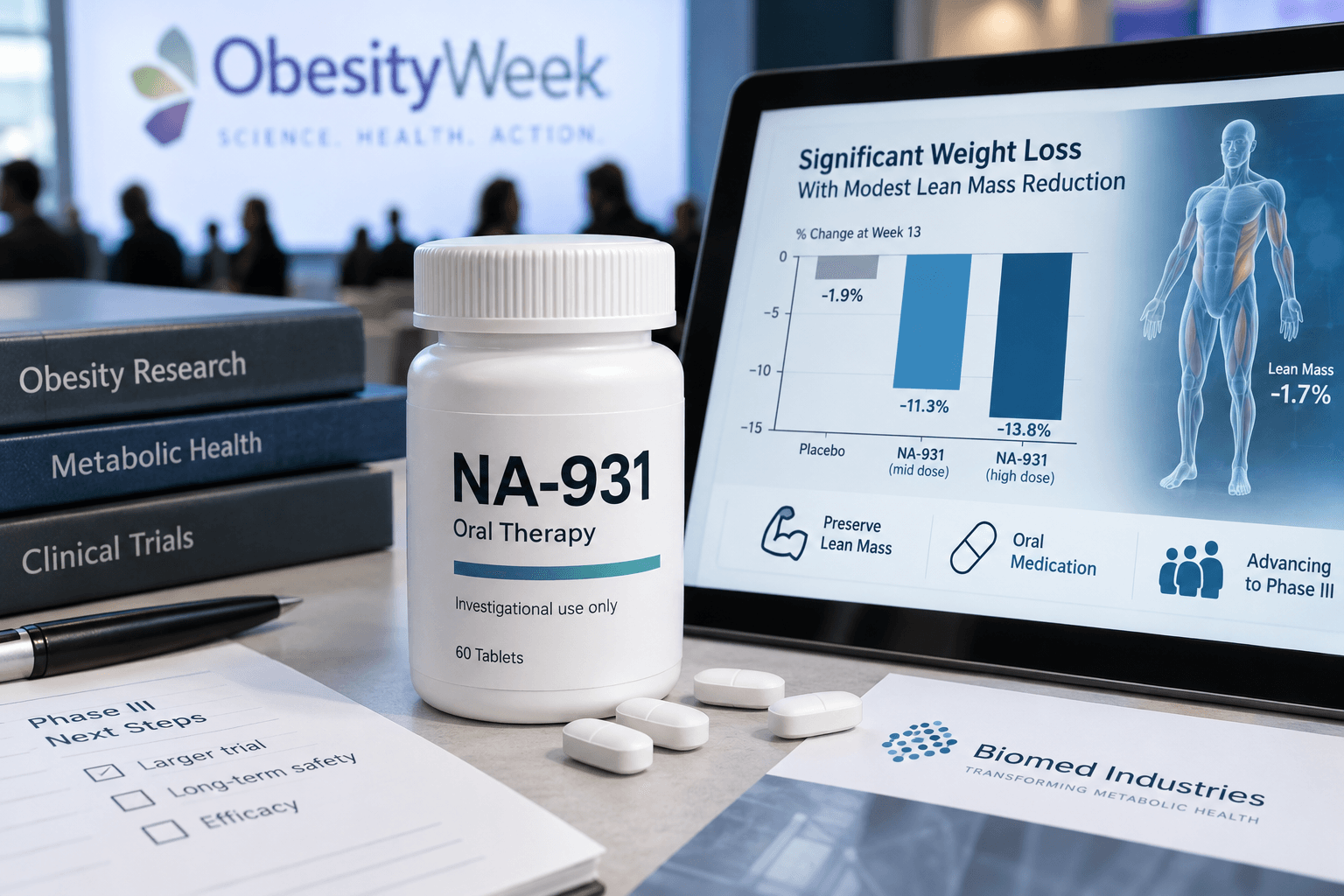
An experimental oral medicine called NA-931 led to substantial weight loss with only modest reductions in lean mass in a randomized phase II trial. Researchers from developer Biomed Industries presented the topline results at the ObesityWeek annual meeting. The highest doses reduced body weight by 13.8% and 11.3% at week 13, compared with 1.9% on placebo. Lean mass fell by 1.7% over the same period, and nausea rates were only slightly higher than placebo. The company says it is advancing NA-931 into phase III testing. The findings are early and come from a small study of 125 adults.

FDA Adds Vision Loss Warning to GLP-1 Drugs, Leaving Doctors and Patients With Hard Choices

FDA Adds Vision Loss Warning to GLP-1 Drugs, Leaving Doctors and Patients With Hard Choices

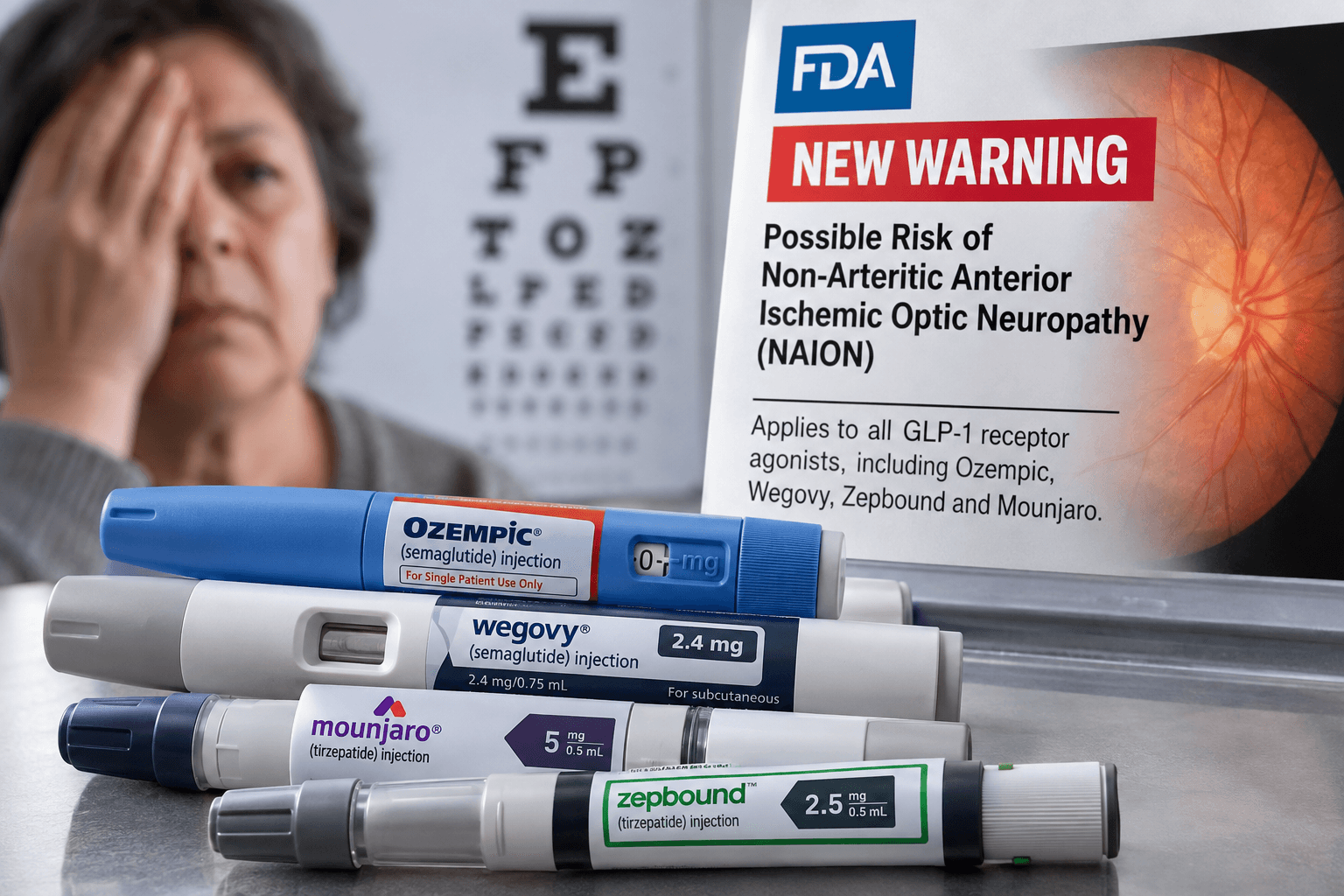
The FDA will require new warnings across the entire GLP-1 drug class about a possible increased risk of NAION, a rare condition that damages the optic nerve and can cause permanent vision loss. The class includes Ozempic, Wegovy, Zepbound and Mounjaro. Because the drugs are widely used, the warning forces a difficult question: when a patient develops NAION, should treatment stop? Regulators in Europe and the U.S. have answered differently. An ophthalmologist who has asked patients about GLP-1 use for two years says the FDA should now study what happens after a diagnosis, and that patients cannot wait years for answers.

Two Case Reports Link Abrupt Tirzepatide Discontinuation to Mania and Psychosis

Two Case Reports Link Abrupt Tirzepatide Discontinuation to Mania and Psychosis

Two men were hospitalized with acute psychiatric symptoms after abruptly stopping tirzepatide, the active ingredient in Mounjaro and Zepbound, according to case studies published in The Primary Care Companion for Central Nervous System Disorders. One patient showed signs of psychosis, including hallucinations and a rare delusion that he was dead, while the other was diagnosed with a manic episode. The authors do not claim the drug withdrawal caused the symptoms. They say the timing is worth attention and that prescribers should consider recent changes in GLP-1 medication when evaluating patients with new mood or psychotic symptoms.

GLP-1 Side Effects Draw Scrutiny as Measles and Ebola Cases Climb

GLP-1 Side Effects Draw Scrutiny as Measles and Ebola Cases Climb

The Washington Post is examining the rare but serious side effects linked to GLP-1 receptor agonists, including ischemic optic neuropathy, gallstones and pancreatitis. The health news roundup also covers a new HIPAA rule requiring providers to answer health data requests within 15 days, an NIH leadership appointment, and an FDA nominee the White House is reportedly weighing dropping. Measles cases continue to rise in the U.S., and Ebola is hitting children hard in the Congo, according to UNICEF.

Draft HHS Peptide Policy Puts Pharmacists Between Access and Caution

Draft HHS Peptide Policy Puts Pharmacists Between Access and Caution

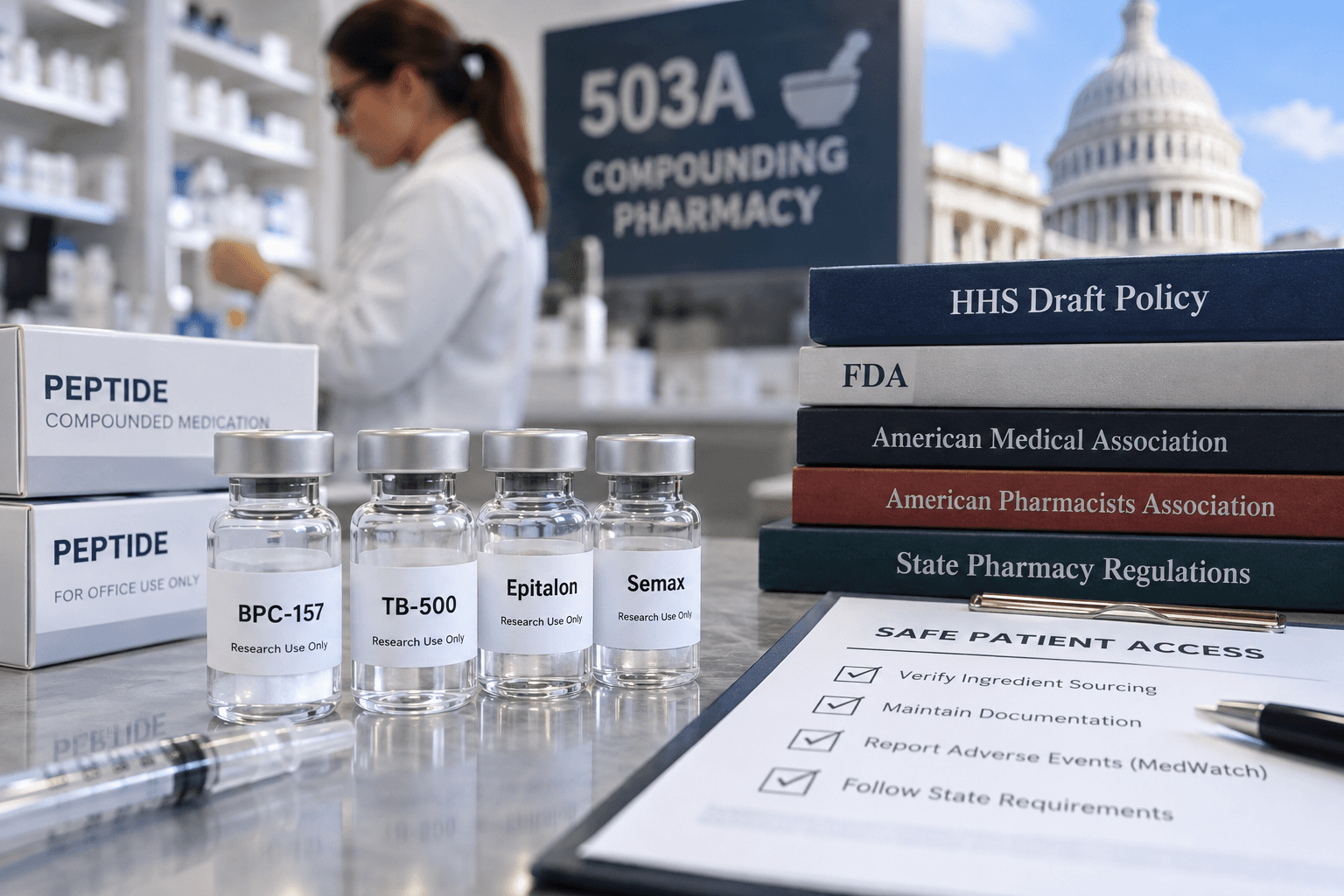
As the comment period closes on a Department of Health and Human Services draft policy, pharmacy leaders are being urged to wait for the final version from the FDA before changing operations. The draft would let state-licensed 503A pharmacies compound six unapproved peptides, including BPC-157 and TB-500, without federal enforcement action. Supporters say the shift could bring patients into regulated channels and away from gray-market sellers. FDA reviewers, the American Medical Association, and the American Pharmacists Association have raised safety and evidence concerns. Pharmacists weighing entry into peptide compounding should verify ingredient sourcing, documentation, adverse event reporting, and state rules while the policy remains in draft form.

Wegovy Cuts BMI in Children With Obesity as Young as 6, Trial Finds

Wegovy Cuts BMI in Children With Obesity as Young as 6, Trial Finds

Wegovy (semaglutide) significantly reduced body mass index in children ages 6 to 11 with obesity, according to results from the phase III STEP Young trial. Presented at the ObesityWeek annual meeting and published in the New England Journal of Medicine, the study found that treated children lost weight while placebo patients gained it. Researchers also reported slower height gain and frequent gastrointestinal side effects. Drugmaker Novo Nordisk has not said whether it will submit the data to the FDA.

Cheaper GLP-1 Generics Arrive, and a Global Access Fight May Follow

Cheaper GLP-1 Generics Arrive, and a Global Access Fight May Follow

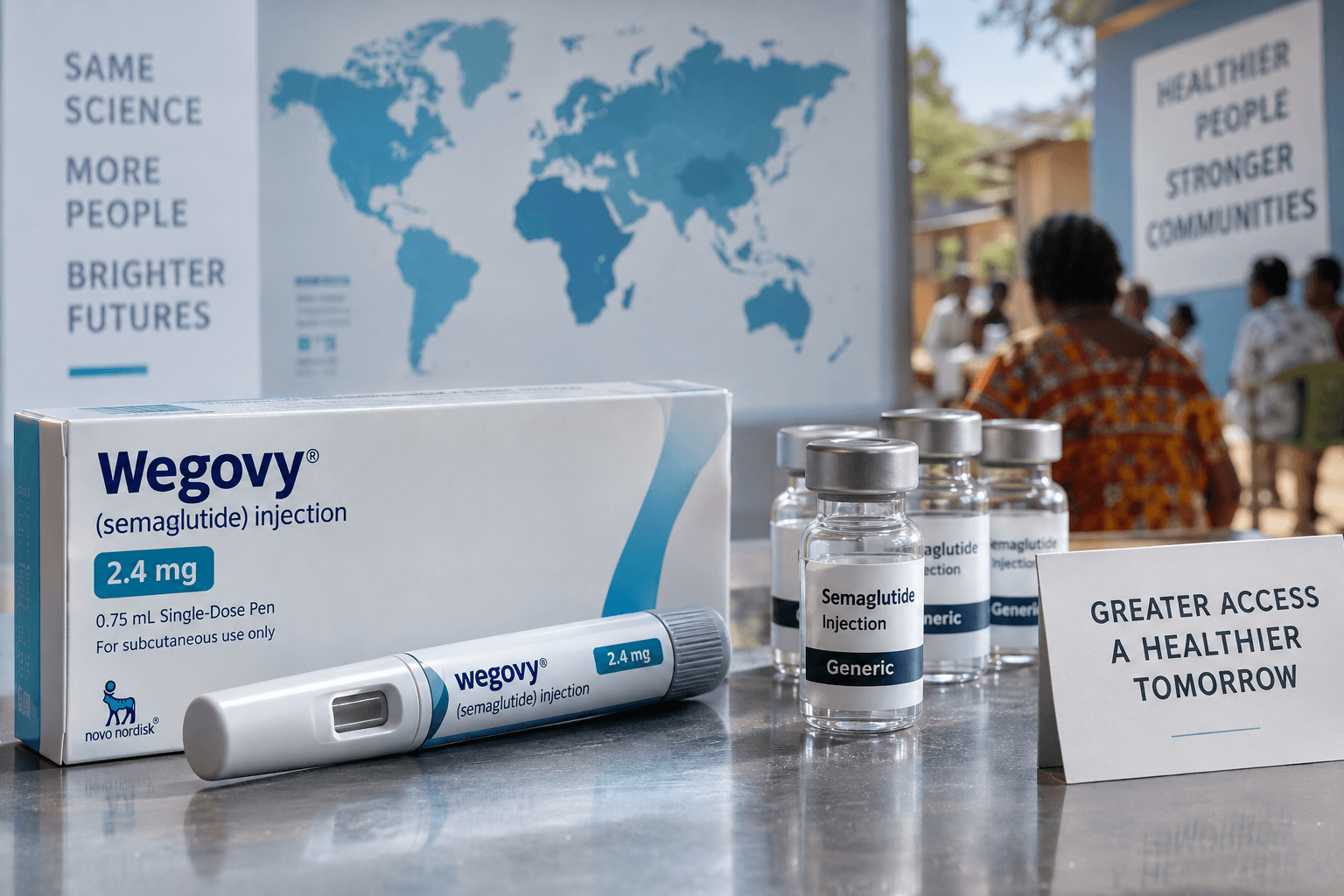
Lower-cost generic versions of semaglutide, the drug sold as Wegovy by Novo Nordisk for obesity, have begun reaching some countries and will soon arrive in others. At the same time, drugmakers are racing to develop newer GLP-1 medicines that are forecast to be more effective, cause fewer side effects and be easier to administer. London School of Economics professor Ken Shadlen, who studies the politics of pharmaceutical and health regulation, warns that obesity medications could become the next major battleground over access to medicines in lower-income countries. The shifts could put weight-loss treatment within reach of more people, but the path to access is far from settled.

Tirzepatide Cuts BMI Sharply in Adolescents With Obesity, Phase III Trial Finds

Tirzepatide Cuts BMI Sharply in Adolescents With Obesity, Phase III Trial Finds

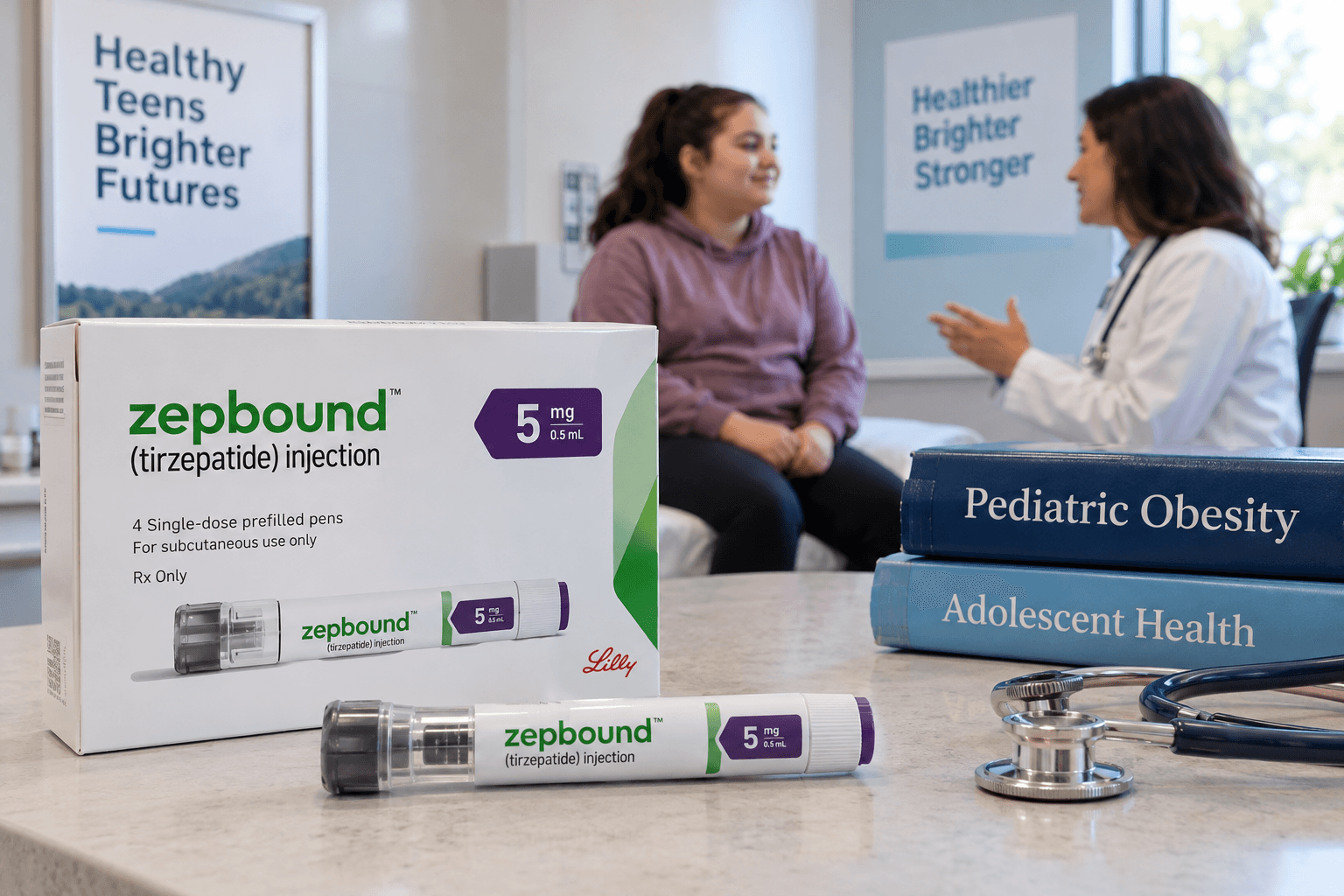
Tirzepatide (Zepbound) produced substantial reductions in body mass index among adolescents with obesity in the phase III SURMOUNT-ADOLESCENTS trial. At week 72, participants on the once-weekly GLP-1/GIP drug alongside a healthy lifestyle program saw an 18.5% mean BMI reduction, while those on placebo saw a 0.5% increase. The trial met its primary endpoint, and all 10 key secondary outcomes also favored tirzepatide. Results were presented at the ObesityWeek annual meeting and published in JAMA. The researchers cautioned against escalating doses to the maximum tolerated level in routine care.

Hundreds of English Children Prescribed Weight-Loss Jabs, Figures Show

Hundreds of English Children Prescribed Weight-Loss Jabs, Figures Show

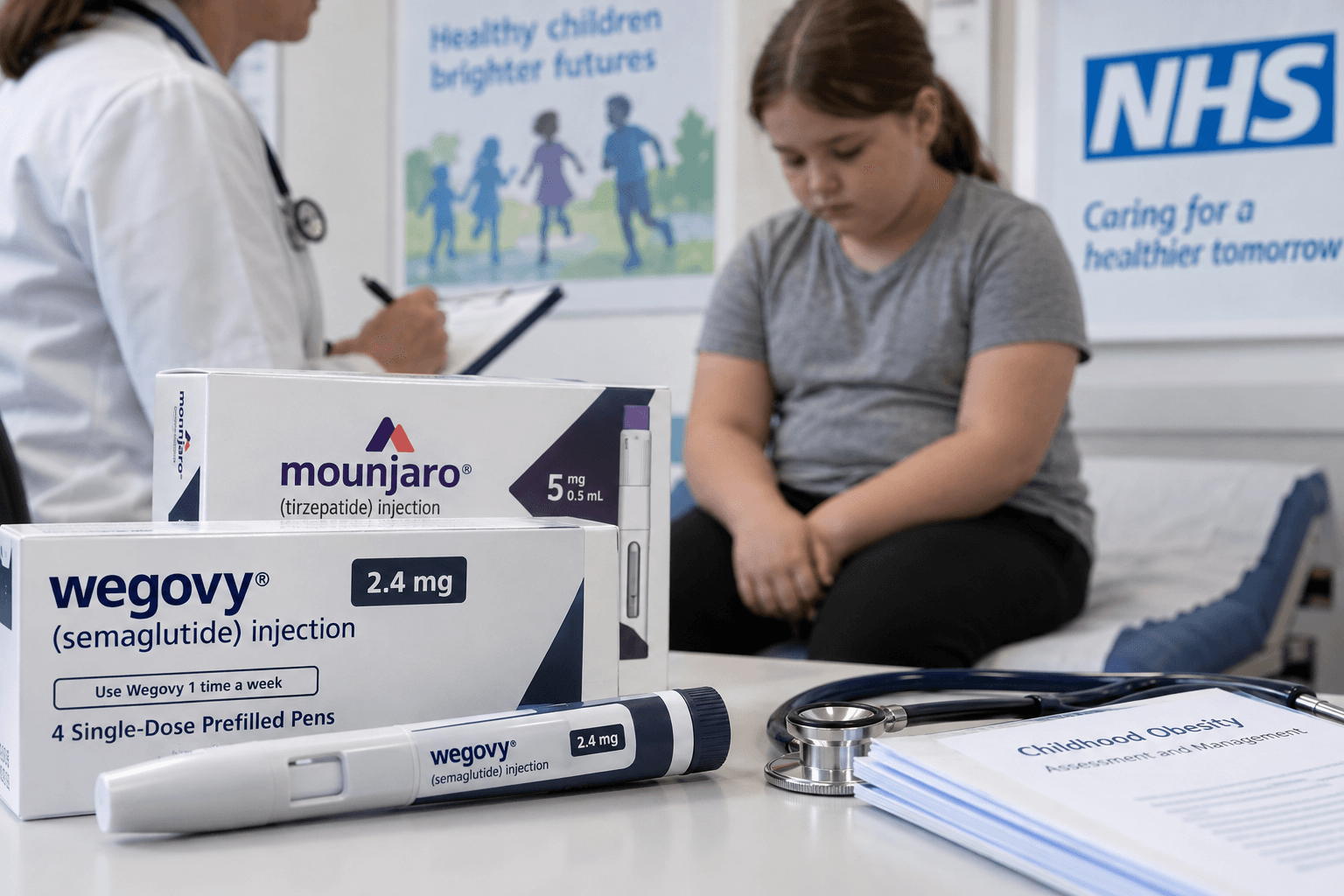
Hundreds of children in England are receiving prescriptions for GLP-1 medications, including some under 12, according to a Guardian investigation of NHS prescribing data. In the 2025-26 financial year, 419 prescriptions were issued to under-18s, 10 of them to children under 12. Experts say the figures likely understate the true total, and they stress that children who start these drugs need specialist supervision and long-term monitoring. The findings come as childhood obesity rates continue to rise and as new global guidance advises against giving obesity medications to children under 10.

Why Community Pharmacies May Be the Key to Staying on GLP-1 Medications

Why Community Pharmacies May Be the Key to Staying on GLP-1 Medications

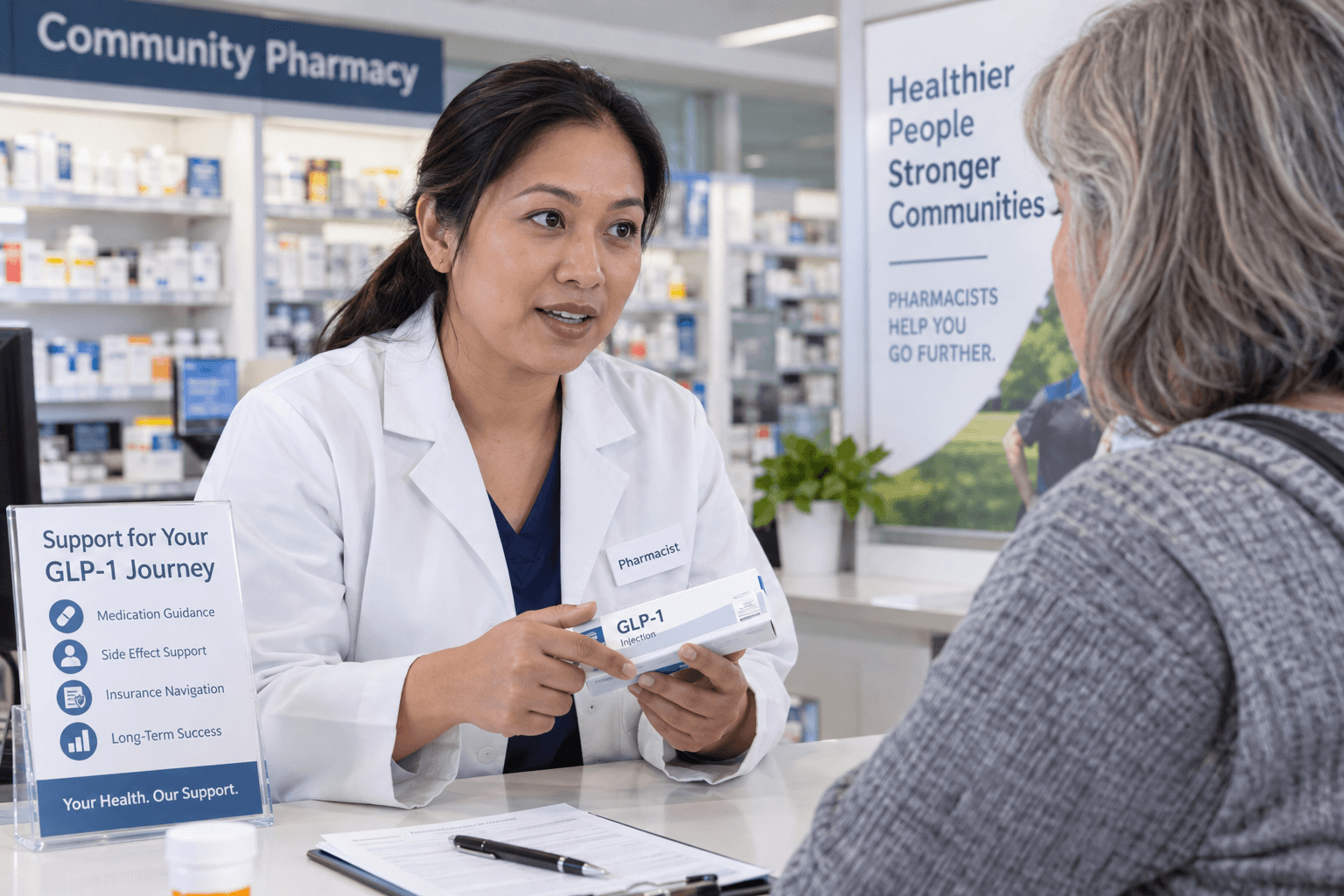
A new Milken Institute report, released alongside survey research, argues that community pharmacies can play a central role in helping patients stay on GLP-1 medications. Real-world data cited in the report indicates that roughly 47% to 68% of people stop treatment within the first year, and nearly three in four GLP-1 users say more time with a pharmacist would improve their experience and results. The report points to side effects during dose changes, prior authorization hurdles, and out-of-pocket costs as common reasons patients abandon therapy. It also highlights pharmacy-led check-ins, navigation support, and clearer reimbursement pathways as practical steps that could help patients and pharmacy teams stay on track over the long term.